Real Ways to Work for Amazon from Home: Roles, Reality, and How to Start

Amazon offers many legitimate opportunities you can do from a home office, spare room, or even your couch. This guide breaks down where remote roles exist, what the hiring and screening process looks like, how pay and perks typically work, and practical examples of job types and side hustles connected to Amazon. Read on for a clear, step-by-step view so you can decide which path fits your skills and lifestyle.
1. Why Amazon remote work has become mainstream

E-commerce growth and shifting workplace expectations have pushed more teams to design roles that don’t require daily office presence. For Amazon, that means certain customer-facing functions, technical roles, and corporate jobs are now routinely structured for remote contributors. For example, customer support teams that once sat in call centers have evolved into distributed chat and phone teams; software engineers collaborate across time zones; and advertising or merchant-support groups hold regular virtual stand-ups. If you value flexibility, look for roles that emphasize asynchronous collaboration, clearly defined deliverables, and digital tools like ticketing systems and shared documentation—those are the positions most naturally suited for sustained remote work.
2. Where to find authentic Amazon remote job listings
The safest way to find legitimate openings is through Amazon’s official careers site, where you can filter by “remote” or “work from home.” Set search alerts and save job searches so you’re notified when new listings that match your skills appear. Also scan verified professional networks and the career pages of teams that interest you—technical teams, seller services, and customer contact centers often post openings regularly. Practical tip: cross-check recruiter emails and application portals; official communications will use corporate domains and never ask for money. Keep copies of job descriptions and application dates so you can prepare tailored materials when roles open.
3. What to expect from the hiring process by role
Hiring timelines vary widely. Hourly or entry-level remote roles often have a brief screening call and a short skills check, while professional or technical roles typically include multiple interviews, practical assignments, and panel conversations. For example, an hourly support agent may complete a 30-minute phone interview and a short simulated task; a software engineering candidate can expect coding exercises, systems design conversations, and behavioral interviews. Plan accordingly: keep references ready, allow extra days for take-home assignments, and block uninterrupted time for interview windows. Practicing role-specific scenarios—mock customer calls or coding problems—helps you move through the process more confidently.
4. Background checks and documentation—how to prepare
Many remote roles require identity verification and employment screening that can include criminal background checks, employment history validation, or credential confirmation depending on the role. Recruiters may also ask for documents such as proof of right to work, professional certifications, or references. If you’ve held sensitive roles, expect a more thorough review. Practical preparation includes collecting up-to-date contact information for references, ensuring your social profiles are professional and consistent with your résumé, and keeping digital copies of key documents. Being proactive about transparency—explaining gaps and providing context—can speed the process and reduce surprises.
5. How compensation typically varies across remote roles
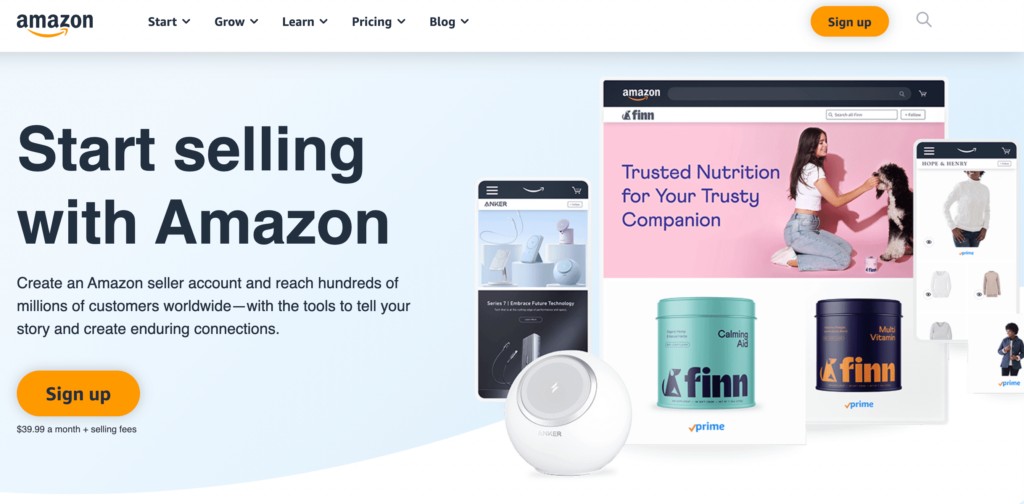
Compensation depends on whether a position is hourly, salaried, commission-based, or royalty-driven. Customer contact roles are often hourly, while technical and managerial positions are salaried; seller and influencer activities rely on commissions, fees, or royalties. If you’re selling through Amazon’s seller programs, factor in platform fees, fulfillment costs, and advertising when modeling potential earnings. For influencers and affiliates, commissions depend on product categories and traffic. When evaluating offers, compare base pay with benefits and the expected workload—for example, an hourly role with predictable shifts may suit someone seeking steadiness, while a commission-oriented path rewards marketing skills and audience-building.
6. Benefits and perks remote employees may access
Many remote roles include standard employer benefits if you meet eligibility thresholds, such as retirement plans, medical coverage, employee discounts, and participation in stock programs. Eligibility rules differ by role type and hours worked, so always review the position’s benefits summary before accepting an offer. For example, full-time remote hires might be able to enroll in health plans and retirement matching, while part-time or gig arrangements provide fewer long-term benefits but more schedule flexibility. If benefits are important to you, ask the recruiter for the benefits packet and clarify waiting periods, parental leave provisions, and any wellness or learning allowances available to remote staff.
7. The everyday tradeoffs of working for a large company from home
Working remotely for a major organization delivers real conveniences—no commute, more time for family or errands, and a chance to design a focused workspace. However, people often experience social tradeoffs such as fewer in-person connections and the need for self-directed routines. Practical approaches include scheduling intentional social touchpoints (virtual coffee chats or team stand-ups), designing an ergonomic workspace to avoid strain, and building micro-breaks into your day for movement. If you find isolation challenging, consider co-working days, local meetups for people in similar roles, or structured after-work activities to maintain balance and well-being.
8. Practical home-based roles directly tied to Amazon’s platforms
Several pathways let you work with Amazon or on Amazon-related services from home. Customer service agents handle inquiries via chat, email, and phone; microtask platforms provide short gigs like transcription or data validation; third-party sellers use fulfillment services to scale product sales while outsourcing logistics; content creators and influencers can curate storefronts or recommend products; authors publish e-books directly. For example, a remote chat agent may support customers through a web portal, while a seller uploads product listings and monitors inventory via the seller dashboard. Each path requires different start-up steps—technical setup for call work, or product sourcing and listing optimization for sellers.
9. Remote-friendly corporate and technical opportunities
Beyond front-line roles, many corporate functions adapt well to remote work. Positions in business development, sales and account management, data and business intelligence, software engineering, editorial and content, HR, marketing, and specialized areas like loss prevention or applied science can often be done remotely. For instance, a remote data analyst might write SQL queries and present dashboards to stakeholders over video calls, while a solutions architect conducts virtual design reviews and partners with engineering teams. When preparing to apply, highlight experience with remote collaboration tools, self-management, and examples of delivering results while working independently.
10. Side gigs and related remote income streams to boost earnings
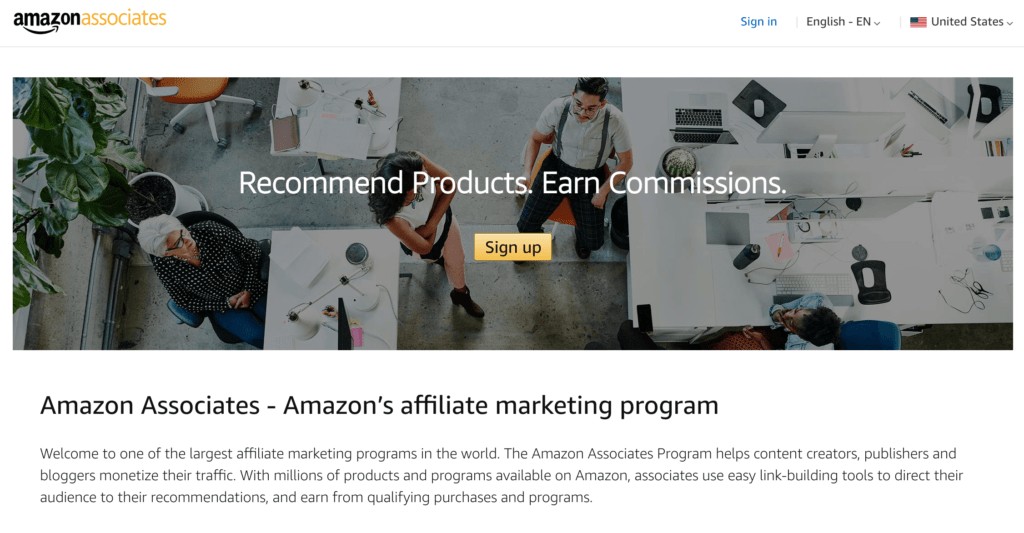
If you want income that complements an Amazon role or stands alone, consider freelance proofreading, virtual assisting for sellers, or running a niche blog that links to products. Proofreading clients include independent authors and small businesses; virtual assistants help sellers manage listings, customer messages, and inventory; bloggers and content creators can monetize traffic through product links and reviews. Another avenue is selling original designs through print-on-demand services or self-publishing short guides and ebooks. These activities require persistence and marketing, but they offer flexible schedules and control over how much time you invest each week.
11. A step-by-step plan to apply, prepare, and follow up
Turn interest into action with a simple plan: identify target roles, set job alerts, tailor a résumé and short cover note to remote work skills, and prepare examples that demonstrate communication, troubleshooting, and time management. Create a tidy remote workspace and test your tech—webcam, microphone, and internet reliability—before interview windows. After interviews, send a concise thank-you note summarizing one or two strengths you discussed. If you’re pursuing seller or creator routes, build a small pilot (a trial product listing, sample design, or short published piece) so you can show concrete results when networking or applying. Consistent follow-up and small wins build momentum.
Remote opportunities connected to Amazon span entry-level gigs, technical careers, and entrepreneurial paths. Choose the route that matches your skills and resources, prepare deliberately, and use the practical steps above to move from browsing listings to landing work you can do from home.