Donate Plasma with Purpose: What to Know, Where to Go, and How to Make It Work for You

Thinking about donating plasma to help others and earn extra cash? This practical guide walks through why plasma matters, who can donate, how centers compensate, how to pick a reputable site, and sensible ways to spend the donation hour so you get the most from the experience.
1. Why plasma donations make a real difference
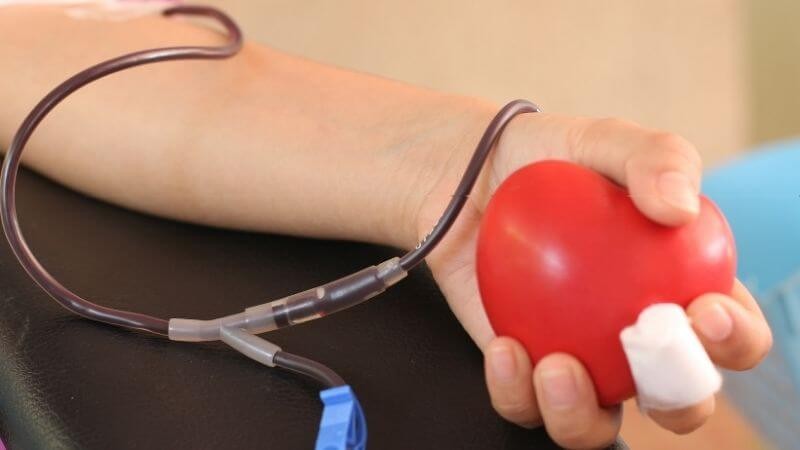
Plasma is the liquid portion of blood that carries proteins and antibodies used in many medical treatments. Because certain life-saving therapies rely on donated plasma, regular donors are an important part of health care supply chains. Donating isn’t only a short-term cash opportunity; it’s also a practical way to support people who need plasma-derived products. Practical example: a local hospital or a research lab may request plasma for specialized therapies or to help develop new treatments, so a steady donor base helps maintain availability. Consider scheduling regular visits if you can, and discuss with center staff how your donations might be used so you feel connected to the impact.
2. Am I a good candidate? The screening process explained
Before you donate, centers perform identity checks and health screenings to make sure donation is safe for both you and recipients. Expect a brief health questionnaire, review of medical history, and a physical check that may include blood tests. Requirements differ by center and region, so don’t assume your situation; call ahead. Practical examples: bring government-issued ID and recent proof of address if requested, arrive well-hydrated and fed, and be ready to discuss recent travel, medications, or piercings. If you take prescription medications or have chronic conditions, speak with center staff about eligibility—many issues are assessed case by case rather than automatically disqualifying you.
3. Common disqualifiers and how centers protect donor and patient safety

Donation programs follow strict health and safety rules to protect vulnerable recipients and donors. Some medical conditions, recent procedures, or active infections can make donation unsafe or lead to temporary deferral. Reputable centers use sterile, single-use supplies and monitor donors during and after the process to minimize risks. Practical steps: disclose your full medical history honestly, ask staff for clarity about any deferrals, and follow post-donation advice—rest, fluids, and avoiding heavy exertion for a short period are commonly recommended. If you’re turned away, get details from staff about what to do to become eligible in the future.
4. How compensation and rewards typically work — and how to get more from them
Payments and rewards vary by center, location, and donor status. Many centers offer welcome incentives for first-time donors and ongoing loyalty or referral programs that boost value over time. Instead of chasing a single highest price, compare how centers structure pay, bonuses, and reward options—some combine direct payments with points, gift cards, or reloadable cards. Practical examples: ask a center whether they offer newcomer incentives, what loyalty tiers exist, and whether referral bonuses apply; track promotions online or call ahead before scheduling; and consider topping up income by combining visits with a predictable routine so bonuses and loyalty benefits add up.
5. Finding and evaluating donation centers near you

With many operators nationwide, choosing a center means balancing convenience, reputation, and how they treat donors. Look for transparency about eligibility, clear explanations of compensation, and staff who answer questions about safety and use of donated plasma. Practical examples: call a few nearby locations to compare how they handle new donors and what identification they require; read recent reviews for notes about cleanliness and staff professionalism; and ask about any donor programs (loyalty points or referral rewards) that fit your schedule. If a center’s terms aren’t clear on the phone, schedule a walkthrough visit before committing to regular donations.
6. How to spend the donation hour so it feels productive and comfortable
A plasma session typically leaves you with downtime while collection occurs, and how you use that time can make donations pleasant and efficient. Bring a charged phone and headphones to listen to podcasts or audiobooks if the center allows electronics, or use the time to practice breathing exercises and light stretching while seated. If the site has a no-phone policy, pack a paperback, a crossword, or a sketchbook. Practical examples: prepare a short playlist or an episode you can complete in one sitting, bring a water bottle and a protein-rich snack for after the visit, and plan light errands or remote work tasks to line up before or after your appointment so you keep a steady routine.
Donating plasma can be a meaningful way to support others while earning extra money. Start by checking eligibility and comparing nearby centers on safety, transparency, and rewards. With a little preparation and sensible scheduling, donations can fit into a steady side-income plan while helping patients who depend on plasma-derived therapies.