Paid Online Surveys: A Practical Guide to Earning Extra Cash Without the Hype

Paid surveys can be a convenient way to turn spare minutes into a bit of pocket money, but they’re rarely a windfall. This guide walks through how surveys work, why brands pay for them, what to realistically expect, and practical steps to protect your time and privacy while getting the most from the platforms that are worth trying.
1. How the survey ecosystem actually works
Most paid survey sites follow a simple flow: you create an account, fill out a profile about your demographics and habits, and then the platform matches you to studies that need people like you. Rewards can be points, gift cards, or cash that accumulates until you hit a payout threshold. Practical example: complete your profile fully so you’re eligible for more targeted surveys—if you indicate you’re a pet owner, you’ll be invited to pet-food studies rather than irrelevant ones. Use the profile to filter opportunities and check the payout method early so you don’t waste time on offers that don’t pay in a way that works for you.
2. Why companies hand out small payments for opinions
The payments you see are an investment: companies want real people’s reactions to packaging, services, or ads, and survey platforms are the middlemen that collect that feedback. Your responses help shape product designs, marketing choices, and retail strategies. For example, a snack brand might run a short survey to decide between two flavors; your input helps them avoid costly product flops. Think of each survey as a tiny consulting fee; companies are buying targeted consumer insight, not hiring you for long-term work. That explains why the reward for a single survey is usually modest but still valuable when aggregated across many respondents.
3. Setting realistic earnings expectations
Paid surveys are best approached as a lightweight way to add a little extra money to your month, not as a steady income stream. Time spent answering quick questionnaires often yields small rewards, and the frequency of qualifying surveys depends heavily on factors like location and demographics. If your schedule is packed, carve out short blocks—during a commute, while waiting for an appointment, or in the evening—so you don’t trade higher-value activities for marginal gains. A practical example: use survey minutes to top up a streaming or coffee budget rather than replacing other paid work; that framing keeps expectations balanced and avoids frustration.
4. What a hands-on test taught a small team
When a small group of people tried multiple survey platforms over several weeks, the pattern was familiar: earnings varied widely by geography and by how actively each person pursued available surveys. One tester in a higher-paying market saw more frequent opportunities than a tester in a lower-paying region. The exercise illustrated that surveys can be a useful way to earn small treats during phases of life like college or between jobs, but many found their time was more valuable when invested in higher-paying tasks once they had other options. Try a short trial period yourself to see whether the return justifies the minutes you’ll spend.
5. The common annoyances behind the scenes
Several practical frictions often reduce the appeal of survey work: screeners that disqualify you after answering personal questions, payout thresholds that take time to reach, and surveys that redirect to third-party pages with inconsistent pay. Privacy is another concern—repeatedly sharing demographic details can feel intrusive. A useful tactic is to log how long a typical qualifying survey takes and what you earn, so you can avoid low-yield tasks. For example, if you’re repeatedly screened out after five minutes, mark that provider low priority. Also be mindful about where you enter sensitive data and consider using a dedicated account strictly for survey sites.
6. How to spot scams and stay safe
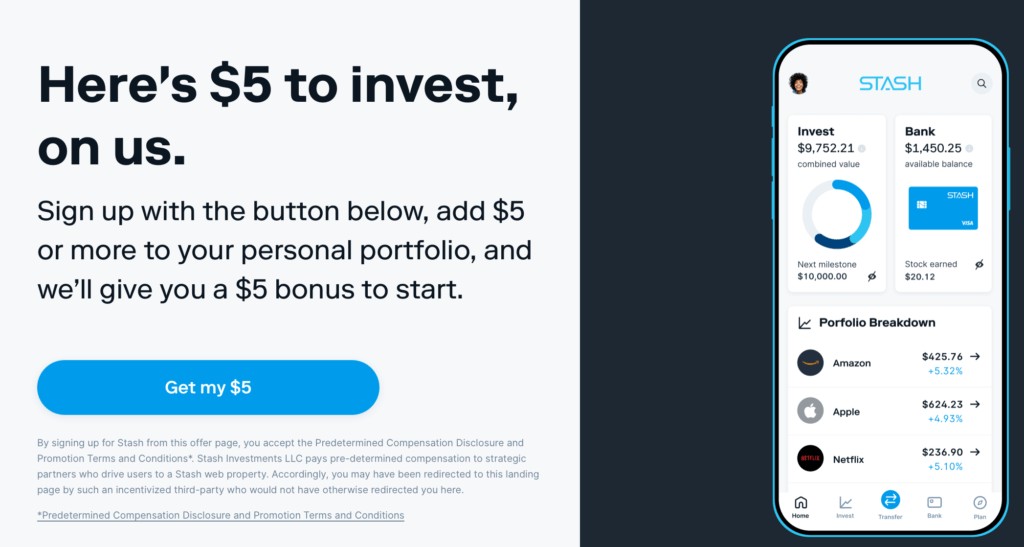
Legitimate survey platforms will never charge you to join, ask for your full bank or Social Security details, or promise unrealistic sums. Red flags include mandatory sign-up fees, requests for card numbers, and offers that sound too good to be true. If a site pressures you to pay for access or to buy starter packages, walk away. Practical steps: verify the platform’s payout methods, read recent user reviews, and avoid linking primary financial accounts where possible. If a survey looks suspicious, close the tab—it’s better to lose a few minutes than expose personal data or risk a fraudulent scheme.
7. Where to begin: a low-effort sign-up strategy
Start with a short, practical plan: pick a few reputable platforms, set up a dedicated email address to keep offers separate, and complete profiles thoughtfully so you qualify for better-targeted surveys. Sign up for three or four services first, then compare how often each sends qualifying opportunities over two weeks. For example, create a simple spreadsheet tracking invitations, time invested, and rewards cashed out; after two weeks, focus on the top two or three performers. Also verify accounts to unlock welcome bonuses and to avoid wasting time on incomplete profiles that block access to higher-paying surveys.
8. A short, practical shortlist of well-known platforms
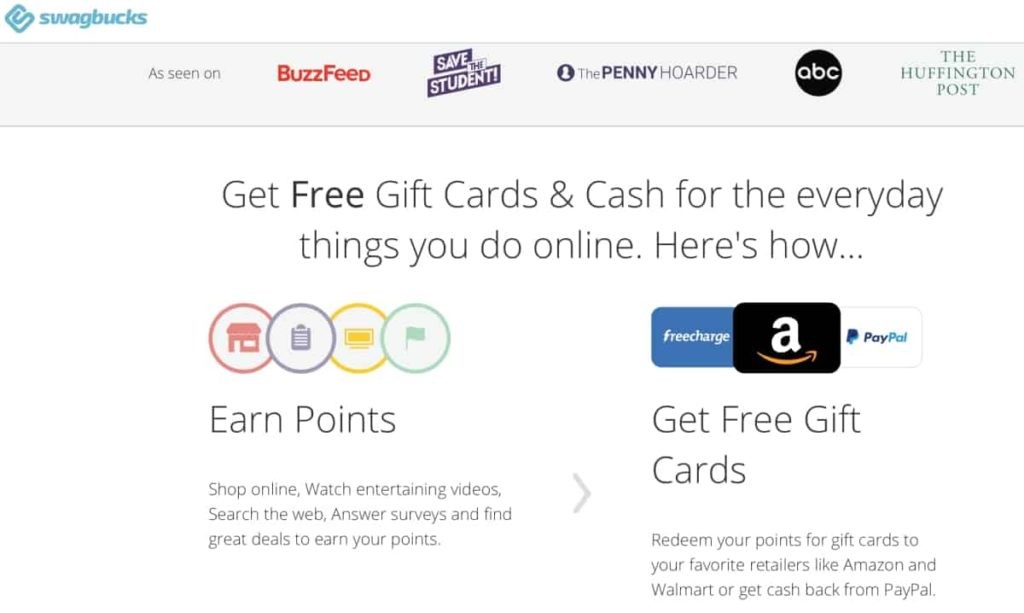
A number of established platforms have built long track records for delivering consistent small rewards, different redemption options, and a range of tasks beyond surveys—like watching short videos or earning cashback. Try a mix that includes at least one points-based site, one cash-out platform, and one app-first provider so you can compare experiences. A practical approach: pick three services and devote two weeks to each, noting how easy it is to qualify, how clear the payouts are, and how fast you can cash out. Use that comparison to decide which platforms deserve your regular attention.
9. Common questions answered in plain language
Do you need special skills? Typically no—most surveys are open to everyday consumers, though some studies target specific groups like gamers or new parents. Can you earn passively? Only to a small degree: occasional surveys may arrive in emails, but most require active participation. How do you maximize earnings? Sign up on multiple platforms, complete profiles thoroughly, and prioritize invitations that fit your demographic so you reduce disqualifications. What will surveys ask? Expect questions about habits, purchases, and opinions. Example: qualify for a gaming survey by listing recent games you played and you’ll get matched to relevant studies.
10. Fitting surveys into a balanced side-hustle plan
Surveys can be a useful supplement—good for short bursts of earnings during idle minutes or when you’re exploring ways to make money from home. They’re not a substitute for more scalable side hustles like freelancing, selling services, or learning monetizable skills. A practical habit is to review your weekly routine: if an hour spent on surveys displaces the time you’d use to build a higher-value skill or gig, redirect it. On the other hand, if you’re killing commute time or waiting in line, surveys can cover recurring small costs. Treat them like pocket change that adds up without derailing larger financial goals.
Paid surveys can be a useful, low-barrier way to earn small, occasional rewards if you set realistic expectations, protect your personal information, and focus on platforms that reliably cash out. Use them strategically—during spare moments and alongside higher-return activities—and you’ll get the benefits without wasting valuable time.