Smart Shopping: 16 Trusted Ways to Trim Your Grocery, Gear and Gift Bills
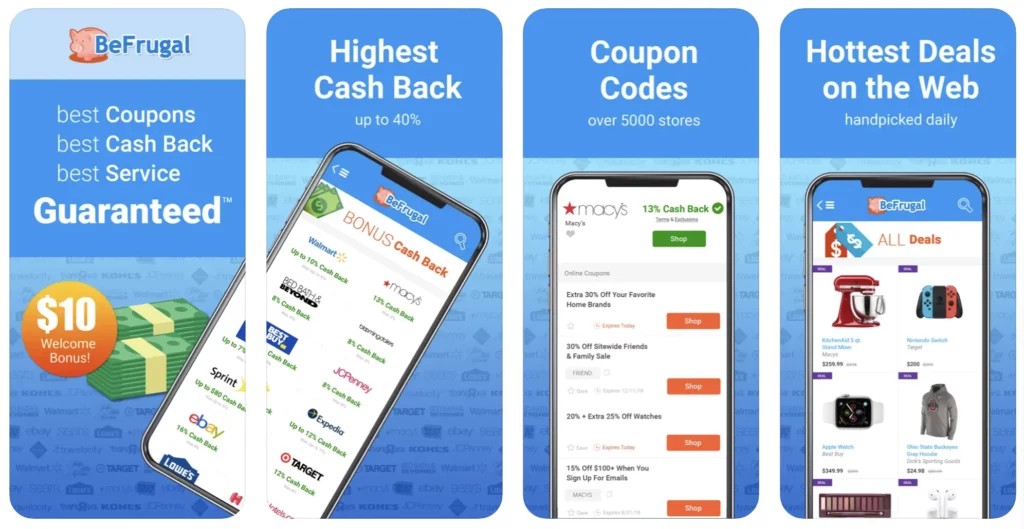
Saving while you shop doesn’t have to be a scavenger hunt. From browser helpers to deal aggregators and community-vetted bargains, today’s tools automate the hunt for lower prices, coupons and cash back. Below are 16 easy-to-use services—arranged to help you build a sensible routine for checking deals, clipping coupons, and timing purchases—each described with clear examples so you can start saving without extra stress.
1. One-Stop Cashback Marketplaces: Let a portal add rewards to everyday buys
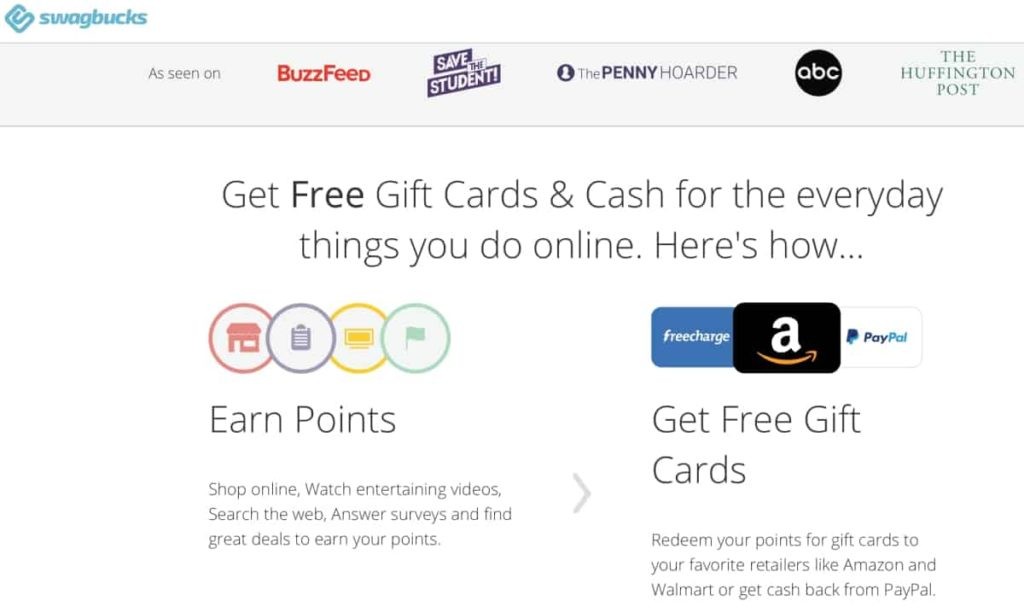
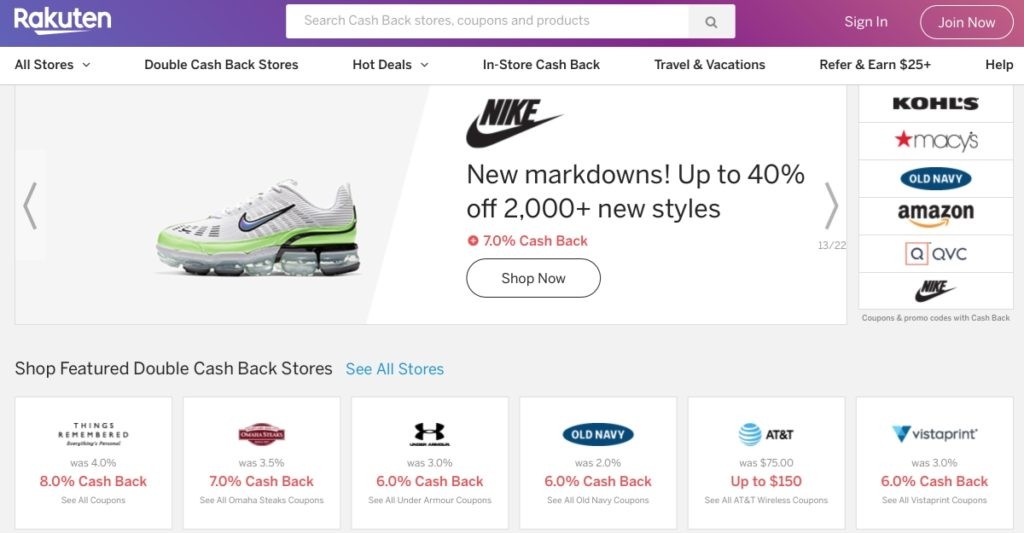
Cashback portals act like a middleman that routes your purchase through partner retailers and returns a portion of the sale to you. Use one as your default starting point when you plan an online purchase—search for the merchant inside the portal, click through, then complete your order as usual. For instance, if you’re upgrading headphones, open the portal first and launch the retailer from there; the purchase will earn you a rebate you can redeem later. Many portals also offer a browser plug-in that alerts you when a merchant offers rebates so you don’t have to remember to start on the portal first.
2. Browser Helpers That Auto-Apply Coupons and Track Prices
Install a coupon and price-tracking extension to remove manual searching at checkout. These tools detect your cart’s site, test current promo codes automatically, and suggest which one saves the most. They often include a history or price-drop tracker so you can see whether now is the best time to buy a gadget or wait for a sale. Practical use: add a jacket to your cart, open the extension, and let it run through available codes—if none apply, set an alert to watch for future price dips and receive a nudge when the item becomes cheaper.
3. Big Coupon Libraries: Search one place for codes across many stores
Comprehensive coupon sites collect codes and offers from hundreds of retailers so you can search by store, category, or brand. When you’re buying gifts or household supplies, start with a quick lookup—enter the retailer name and scan available promo codes and printable coupons. A useful habit: check both the coupon library and the retailer’s own site before checkout; sometimes a site-wide percent-off code stacks with a retailer promotion, or a printable coupon saves more in-store than online options do.
4. Local and Brand-Specific Promo Aggregators
Some platforms focus on combining national online offers with local, in-person coupons—handy when you want a deal at a nearby restaurant or store. Before running errands, search these aggregators for printable vouchers and promo codes that apply at physical locations. For example, planning a weekend errand run? Pull up the app to look for a nearby electronics retailer coupon or a dining discount to use after shopping. These resources also let you search by brand or item category, so you can monitor deals on seasonal purchases like patio furniture or winter boots.
5. Community-Vetted Bargains: Let the crowd highlight the best finds
Forums and deal communities rely on users to post and upvote bargains they discover, which helps surface genuinely valuable offers amid the noise. Use these sites when you’re shopping for popular items with fluctuating prices—read comments to verify discount legitimacy and shipping practices. Example: if a member flags a high-rated blender as a rare price drop, check the thread for confirmation and price history before buying. Community feedback also reveals coupon stacking tricks or store policy quirks that affect final cost, helping you avoid impulse buys that aren’t true savings.
6. Niche Deal Trackers: Focused searches for electronics and apparel
Some deal sites concentrate on categories like gadgets, home goods, or clothing and curate offers from many sources into one searchable feed. When you’re hunting a specific item—say, a laptop or a winter coat—use a category-focused tracker to compare recent price drops and identify the best current promotions. They often include filters for device specs or clothing sizes and show whether a deal has expired. Practical tip: set alerts for the exact model you want so you’ll be notified when a verified discount appears rather than checking manually every day.
7. Daily Deal Stores: Scored specials and member perks
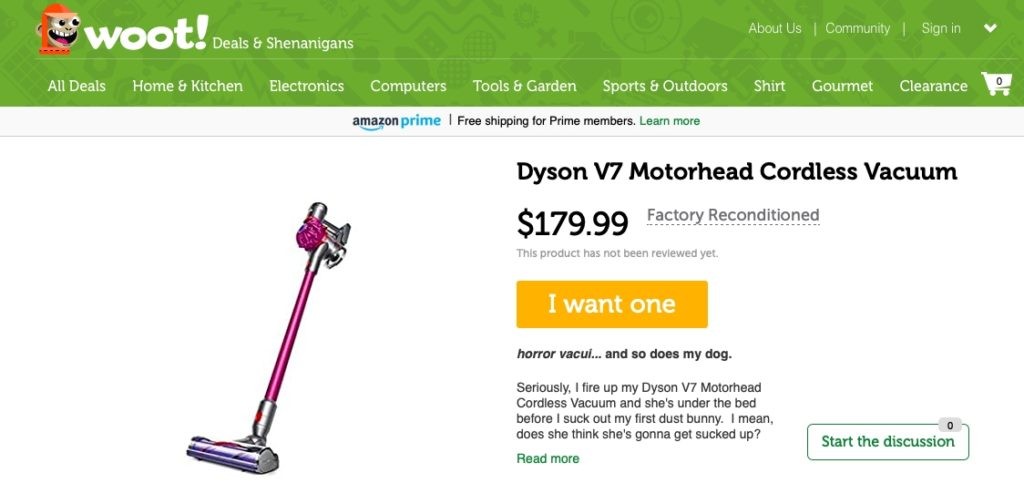
Daily deal stores publish a rotating selection of limited-time offers—ideal for shoppers who can be flexible on timing. These outlets typically refresh inventory frequently, so check them when you want to score a clearance-style price on electronics, home goods, or oddball finds. If an item fits your needs—like a small appliance or gift—snapping up a one-day deal can be smart. Keep in mind return policies and warranty coverage; since stock changes fast, read the fine print and factor shipping time into gift planning.
8. Deal Bundles and Experience Discounts: Think beyond physical goods
Some platforms specialize in vouchers for services, experiences, and local merchants. These can deliver big savings on dining, fitness classes, or weekend getaways. Use them when planning an outing or trying a new activity—buying a prepaid voucher for a restaurant or a spa often lowers the effective cost of the experience. Before purchasing, check blackout dates and refund rules; many vouchers are time-limited. You can also gift these vouchers seasonally—an experience voucher can be a budget-smart alternative to a high-ticket physical gift.
9. Printable Coupons and Code Hubs for In-Store Savings
For shoppers who still prefer brick-and-mortar stores, searchable coupon hubs offer printable coupons and promo codes that work at checkout or can be shown on a phone. Before heading out, quickly search for printable coupons for your planned stops—groceries, pharmacies, and national chains often have printable savings. Pair a printable coupon with a store loyalty discount to maximize savings. Example: grab a printable manufacturer coupon for a favorite snack and use it alongside the store’s weekly sale to reduce the out-of-pocket cost significantly.
10. Curated Deal Listings: Editors do the heavy lifting for everyday essentials
Sites that curate and highlight the best everyday deals save you time by surfacing discounts on commonly purchased items like clothing, toiletries, and home necessities. Rely on these editors when you want vetted savings without scouring dozens of sources. For example, if you need new bedding, browse curated listings to compare current markdowns across trusted retailers. Many curators rank deals by value and include hands-on notes about coupon applicability or stock levels so you can decide quickly whether a deal is worthy or likely to return.
11. Alert Services and Personalized Deal Notifications
Deal-alert features let you specify brands, stores or product types and receive notifications when a matching promotion appears. This avoids constant checking and helps with timing purchases for maximum savings. For instance, add an alert for a specific model of coffee maker and get pinged when it hits a target price or when a coupon drops. Pair alerts with a short shopping list so you avoid impulse purchases; when the notification arrives, check price history and return policies before acting.
12. Grocery and Receipt Cash Back: Scan for savings after checkout
Receipt-scanning cash-back apps reward you for buying certain everyday items by accepting photographed receipts or linking loyalty accounts. Use them to offset grocery and household costs: check the app’s weekly offers before shopping, buy qualifying brands, then upload your receipt for instant credit. This method is especially helpful for consumables you already planned to buy—laundry detergent, breakfast items, or baby supplies. Stacking receipt offers with in-store sales and manufacturer coupons can produce notable savings on regularly repurchased products.
13. Toolbars and Shopping Assistants That Track Coupons and Cashback
Some services offer optional browser toolbars or apps that analyze the sites you visit and notify you about available promo codes and rebate opportunities. These assistants run in the background and provide a quick heads-up when you land on a merchant site with potential savings. To use them effectively, enable the assistant while shopping and check its suggestions before you fill your cart. If it flags a coupon or cashback opportunity, follow its link to activate the offer; these tools can be particularly handy for impulse-proofing online browsing.
14. Multiple Cashback Sources: Combine portals for broader coverage
No single cashback service covers every store, so maintaining accounts with two or three reputable portals increases the chance that a given purchase will qualify for a rebate. Make a habit of searching each portal’s list of partners before a big buy—if one portal lacks coverage, another might offer a better return. Practical approach: keep your portal accounts linked to the same email and track pending balances periodically so you know when it’s worth consolidating rewards or waiting for a payout window before making another big purchase.
15. Shipping Savings and Price-Protection Tools
Shipping fees can erode the value of a sale; look for services that aggregate free-shipping codes or offer price-protection features that help recoup a difference if an item drops in price after purchase. Before choosing expedited shipping, check a shipping-savings resource for a coupon or threshold-free option that waives fees. Also, if your retailer offers price adjustments within a short window, keep your receipt and request the difference rather than repurchasing. For international shipping or bulky items, compare consolidated shipping and local pickup options to avoid unnecessary fees.
16. Rewards Portals That Blend Surveys, Tasks and Shopping Bonuses
Some platforms combine shopping rebates with activities that earn points—surveys, short tasks, or browsing offers—that you can redeem for gift cards or cash. These are useful when you have a bit of spare time and want to accumulate rewards that offset future purchases. Example use: take a few quick surveys or watch short partner videos while waiting for a commute, then apply earned credits toward a holiday gift card. Treat these activities as occasional boosters rather than a primary income source, and focus on redeeming rewards for planned purchases to stretch your budget.
Start with one or two tools that fit how you shop—install a browser helper, create a cashback account, and set a couple of alerts. Pair those with basic habits—make a short shopping list, compare prices, and watch for shipping coupons—and you’ll routinely reduce what you spend without extra hassle.