How to Turn Memes Into Income: A Practical Guide for Creators

Memes are more than quick laughs in your feed — they’re cultural shorthand that can be shaped into gigs, products, and ongoing revenue streams. This guide walks you through the mindset, techniques, tools, and earning options that creators use to build sustainable meme-based projects. Each section pairs clear advice with real examples you can try this week.
1. What a Meme Really Is and Why It Spreads
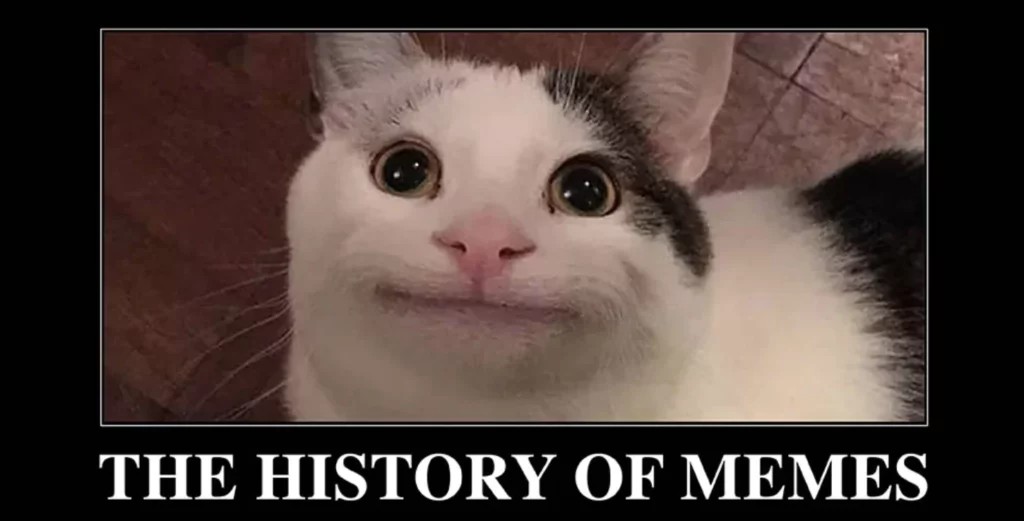
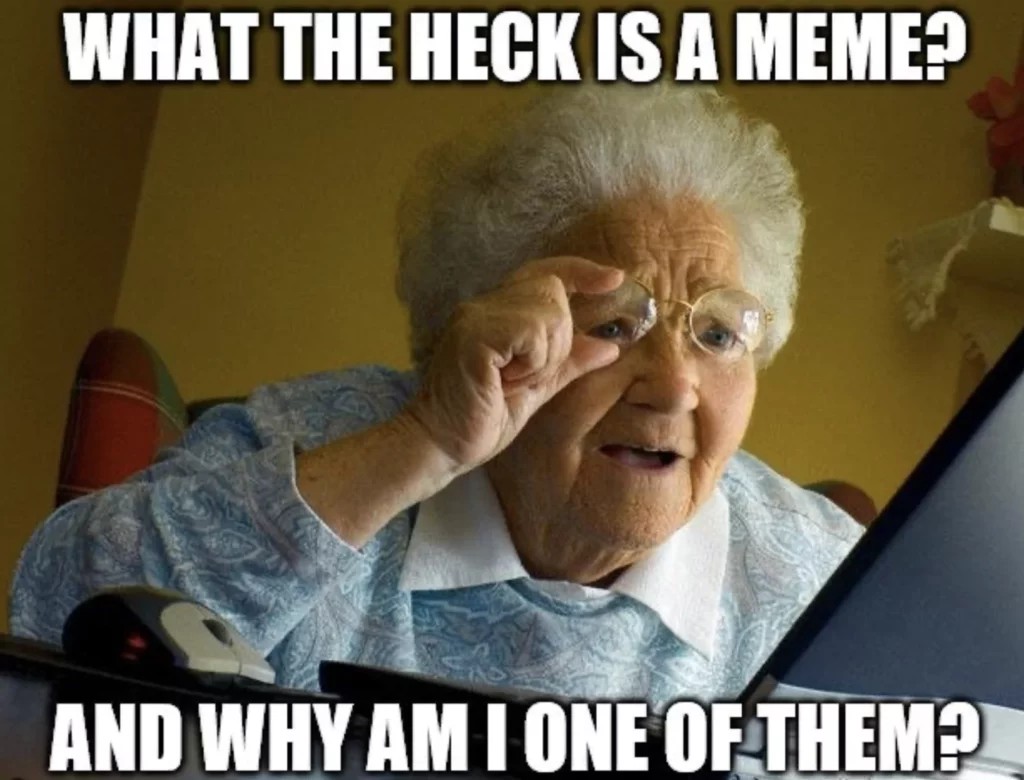
A meme is a bite-sized idea — an image, short video, or phrase — that resonates and gets shared. Its power comes from simplicity, relatability and timing: a single image that captures a shared feeling can travel faster than a long article. Think old jokes and folk sayings that evolved into internet formats; modern memes follow the same pattern but travel on platforms like Twitter, Reddit, and Instagram. To spot memetic potential, watch for repeatable formats, emotions people tag friends in, and small edits that make a template fresh. Example: a workplace photo with a clever two-line caption can become a reusable format for coworkers to riff on.
2. Making Memes That Land: Creativity Meets Shareability
Great memes blend originality with familiarity. Start by scanning trending topics and recurring formats; then put a distinct twist that reflects your voice. Relatable scenarios—commutes, awkward texts, everyday anxieties—work well when paired with a smart punchline. Use contrast, wordplay or self-aware irony to surprise viewers, and test variations: change the caption tone, swap the image, or shorten the text to see what spreads. Practical example: sketch three caption versions for the same image and post them across different platforms to compare engagement. Keep a swipe file of templates and a simple posting schedule so your best ideas get repeated and refined.
3. Design Tools That Speed Up Creation
You don’t need heavy software to produce shareable memes—browser and phone tools handle most of the work. Use web platforms for quick templates and consistent branding, then export optimized files for social or print. For instance, create a 1:1 square image in a drag-and-drop site, add text layers with legible fonts, and export both high-res and compressed versions for different platforms. Mobile apps let you capture spontaneous moments and add captions on the spot; desktop suites are useful when building merchandise mockups. Practical workflow: draft in a template app, polish text and alignment in a simple editor, then upload to your social account or a print-on-demand storefront.
4. Where to Sell Memes: Platforms and Product Ideas
There are many channels for turning memes into income: marketplaces for physical goods, freelance platforms, and content sites. Print-on-demand stores accept designs for apparel, mugs, and stickers; set up a shop, upload high-resolution artwork, and promote listings via your social profiles. Creative freelancers offer meme design, caption writing, or social management on gig sites—package repeatable services like weekly post bundles. You can also curate meme compilations for video platforms, or embed images in blog posts to drive ad or affiliate revenue. Practical example: launch a small POD collection of five best-performing meme designs and run a short social campaign to test which products draw repeat buyers.
5. Lessons from Meme Success Stories

Some memes have grown beyond a single post into broader cultural and commercial phenomena. Success stories show common patterns: a recognizable visual that becomes a brand, smart licensing or product deals, and diversified income streams such as merchandise, media appearances, or digital collectibles. The takeaway for creators is not to expect overnight fortune but to focus on rights awareness, building an audience, and exploring multiple outlets for the same idea. For example, an animal-photo meme might be used on apparel, turned into a short video series, or licensed to greeting-card publishers—each stream adds stability and reduces reliance on one platform’s algorithm.
6. Common Creator Questions & Practical Answers
Creators often ask whether memes can be monetized and what legal boundaries exist. Short answer: yes, but you’ll want to be mindful of image rights and platform rules. Use your own photos, licensed stock, or public-domain assets to avoid copyright problems; when adapting another creator’s work, secure permission or offer revenue-sharing. Other frequent questions cover earnings variability, building followers, and how to measure success—track engagement rates, conversion on product pages, and repeat buyers rather than vanity metrics alone. Practical step: before selling a design, do a quick rights check and create a simple analytics dashboard to compare ad clicks, product views, and sales over time.
7. Turning Short-Term Hits into Long-Term Income
A sustainable meme practice mixes regular content output with product and service experimentation. Treat a viral post as a discovery: test follow-up formats, repurpose the idea across merchandise, and invite collaborations with other creators to expand reach. Diversify revenue—combine one-off sales, recurring gigs such as social management, and evergreen digital products like short how-to guides or templates. Keep refining: ask your audience what they want, iterate on best-performing formats, and maintain consistent posting. Practical example: build a small email list from your social followers, then notify subscribers first about new merch drops or exclusive meme packs to increase repeat sales.
Memes can be both creative play and a viable side project when you combine clear formats, smart tools, and multiple ways to monetize. Start small, protect your work, and treat each post as a test that informs the next move. With steady effort and a few practical systems, your memes can become more than moments—they can be a lasting creative business.