14 Minimalist Home Decor Looks
In our quest for a serene and clutter-free living environment, minimalist home decor has become a guiding principle for many of us. Minimalism isn’t just a trend: it’s a lifestyle choice that embodies simplicity, functionality, and beauty. By focusing on the essentials, we can create spaces that not only look good but also feel good to inhabit. Let’s discover the realm of minimalist decor, understand its benefits, and share 14 inspiring looks that we can easily incorporate into our homes.
Understanding Minimalism in Home Decor
Minimalism in home decor emphasizes simplicity, clarity, and an unencumbered use of space. By stripping away the unnecessary, we unveil the beauty of essential forms and functions. This approach encourages us to curate our belongings, choosing only what we truly need and appreciate, so fostering an environment that promotes tranquility and mindfulness.
As we investigate into this style, we also embrace the philosophy that less is indeed more. Each piece we choose should serve a purpose or hold significant personal value, allowing our spaces to breathe and flourish with essential beauty.
In essence, to understand minimalist decor, we must embrace the idea of intentionality. Every element should contribute to the overall aesthetic and feel of our home.
The Benefits of Minimalist Design
Adopting a minimalist design offers numerous advantages that go beyond aesthetics.
- Mental Clarity: A clutter-free space often leads to a clutter-free mind. Fewer distractions allow us to focus on what truly matters in our daily lives.
- Easier Maintenance: With fewer items to clean and organize, our homes become significantly easier to maintain. This means we can spend less time tidying and more time embracing life.
- Cost-Effective: Minimalism encourages us to invest in quality over quantity, leading to more mindful purchases that can save us money in the long run.
- Sustainable Living: Less clutter often leads to a smaller environmental footprint. By choosing fewer and more sustainable items, we reduce waste and support eco-friendly brands.
- Timeless Appeal: Minimalist design tends to be less trend-driven and can evolve with our tastes over time. This means we can enjoy our spaces without feeling the need to constantly redecorate.
Key Elements of Minimalist Home Decor
When we think about creating a minimalist space, several key elements come into play:
- Simplicity: Every element should be straightforward and functional, highlighting clean lines and geometric shapes.
- Neutral Colors: A soft, muted color palette forms the foundation of minimalist design, often incorporating whites, greys, and earth tones that create a calming atmosphere.
- Natural Light: Keeping spaces bright and airy by maximizing natural light not only enhances the room’s aesthetics but also contributes to our well-being.
- Decluttered Spaces: Ensuring that surfaces are free of unnecessary items helps in cultivating a peaceful environment.
- Functional Decor: Every piece should serve a purpose without sacrificing style: think furniture that combines aesthetics with practicality.
14 Inspiring Minimalist Home Decor Looks
Now, let’s jump into 14 minimalist home decor looks that we can adopt:
1. Bright and Airy Spaces
Emphasizing natural light is vital. Large windows, light-colored walls, and strategically placed mirrors enhance brightness and create a spacious feel.
2. Neutral Color Palettes
By using a neutral palette of whites, beiges, and greys, we create a cohesive backdrop that promotes tranquility and serves as a canvas for accent pieces.
3. Natural Materials
Incorporating wood, stone, and other natural materials helps to connect our interiors to the outdoors, adding warmth and texture.
4. Open Floor Plans
Open spaces are synonymous with minimalism. Removing unnecessary walls can help in creating a more inviting and fluid layout that encourages movement and interaction.
5. Statement Furniture Pieces
While we focus on minimalism, we can still make bold choices. A singular, striking sofa or a beautifully crafted dining table can act as the focal point of our space.
6. Functional Decor
Utilizing decor that serves a purpose, like attractive shelving or stylish storage solutions, maximizes both functionality and aesthetic appeal.
7. Layered Textures
Incorporating multiple textures, such as soft textiles and smooth wood, creates visual interest without overwhelming our senses.
8. Simple Wall Art
Art doesn’t have to be busy. Simple, abstract pieces or monochrome photographs can add personality without cluttering our walls.
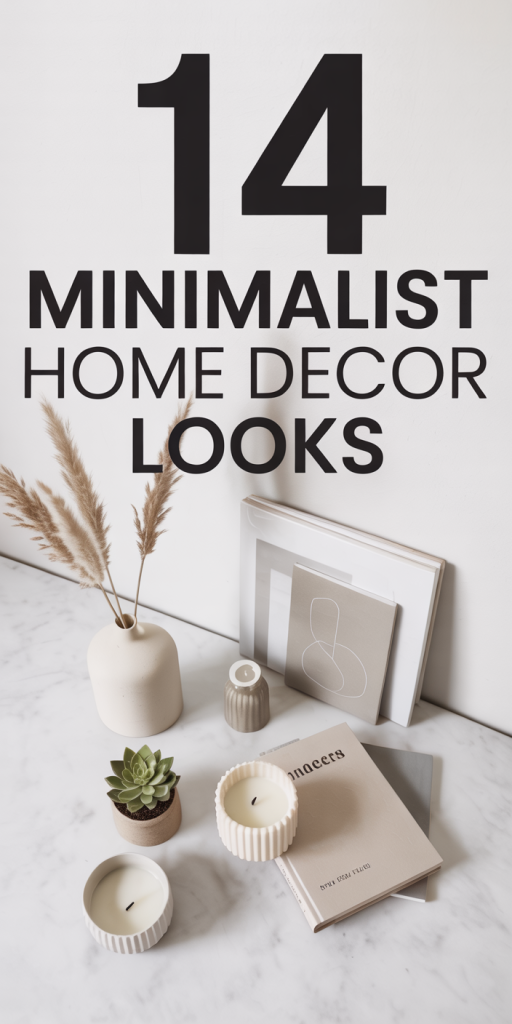
9. Indoor Plants
Adding greenery not only purifies the air but also brings life into our spaces. Simple plant arrangements can maintain the minimalist aesthetic while enhancing comfort.
10. Minimalist Lighting Solutions
Opting for sleek, modern lighting fixtures offers both function and form. Think of a single pendant light or understated sconces that complement the decor.
11. Monochrome Themes
A monochromatic color scheme can create a sophisticated look while maintaining simplicity. Different shades or textures of a single color can add depth and visual interest.
12. Decluttered Spaces
Keeping surfaces clear and organized allows us to enjoy our curated items without distraction. This can mean forgoing knick-knacks in favor of a few meaningful pieces.
13. Multi-Functional Furniture
Investing in furniture that can serve multiple purposes, like a sofa bed or an ottoman with storage, optimizes space without sacrificing style.
14. Personalized Touches
Incorporating a few personal elements, like family photos in simple frames or cherished travel souvenirs, adds warmth and character, reminding us of what matters most.
Tips for Achieving Minimalist Decor
Creating a minimalist home isn’t just about aesthetics. Here are some practical tips:
- Start Small: Begin with one room or area. Gradually declutter and redecorate to avoid overwhelm.
- Assess Your Belongings: Keep only items that are functional or meaningful. Don’t hesitate to let go of what you don’t love or use.
- Embrace Quality: Invest in high-quality pieces that will stand the test of time, both in terms of durability and taste.
- Create Zones: Clearly define different areas for different activities to maintain functionality without clutter.
- Be Conscious of Color: Stick to muted tones and occasional pops of color in accents to preserve the minimalist vibe.
- Limit Accessories: Less is more: try to keep accessories to a minimum, choosing those that hold significance.
Conclusion
Embracing minimalist home decor can significantly enhance our living spaces, making them not only aesthetically pleasing but also more functional and peaceful. By understanding the principles of minimalism and incorporating these 14 inspiring looks, we can create our unique sanctuary. Remember, minimalism is about intentionality and personal expression. So, let’s begin this journey towards a beautifully simplified home together.