DoorDash Memes That Nail Delivery Life — What They Mean and How to Share Them
Whether you’re picking up orders or waiting at the front door, delivery memes capture the tiny dramas of ordering in. This piece breaks down why they land, the recurring themes, and simple etiquette for sharing them with customers.
1. Why delivery memes have become a shared language
Delivery apps are woven into everyday routines, and memes give drivers and customers a quick way to laugh about the friction points they both experience. These images and short captions compress moments—waiting for a late order, a surprise substitution, or a perfectly timed tip—into small, relatable stories. For example, a driver who got stuck waiting at the restaurant might share a lighthearted “still here” image that mirrors customers’ impatience, while a customer might post a screenshot of a goofy driver message that brightened their night. Treating these memes as a shared language helps normalize the occasional hiccup and can turn frustration into a moment of connection without long explanations.
2. The meme themes you’ll recognize (and practical ways they show up)
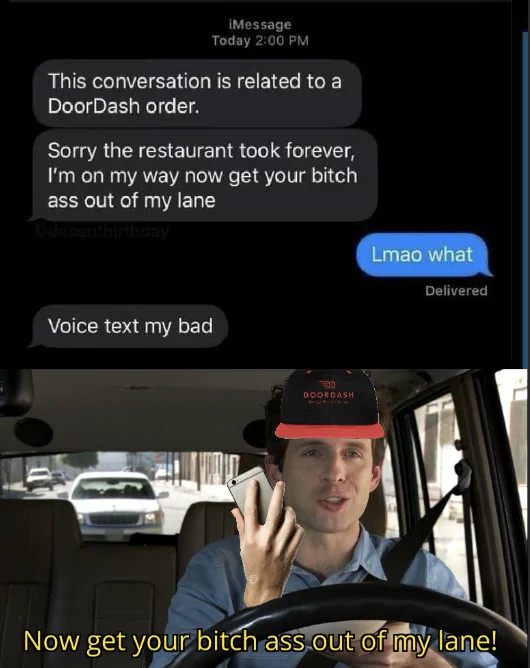
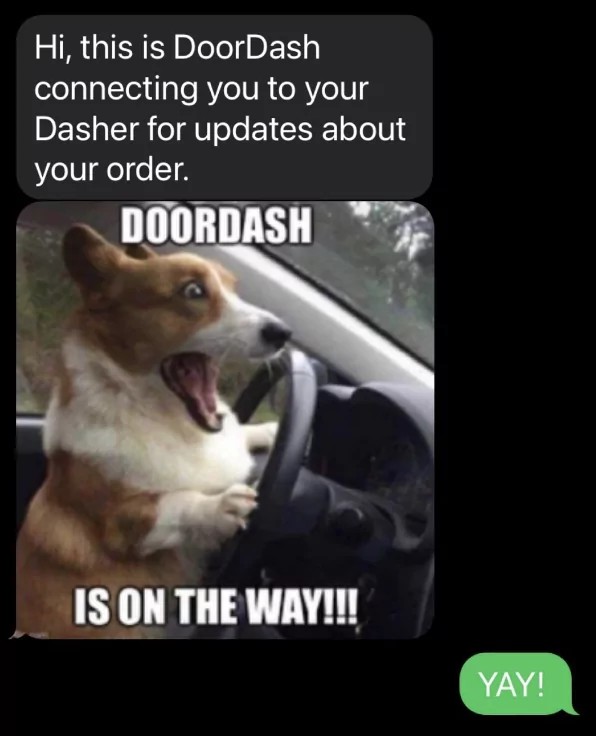
Certain joke categories keep reappearing because they map directly onto the delivery experience: ‘on my way’ memes to reassure a hungry customer, gags about cold or missing items, jokes about long-distance orders, and caricatures of tip baiting or low payouts. Practically, you might see a dasher send a playful animal GIF when they’re en route, or a customer share a captioned screenshot after an order arrives missing fries. Drivers use quick, reusable images to save time—think a single “I’m picking this up” meme saved in messages—while customers often react with short replies or laughing emojis. Recognizing these patterns makes it easier to interpret an exchange and respond in kind.
3. How to share memes without crossing the line
If you’re a driver considering sending a meme, aim for brevity, clarity, and respect for the customer’s preferences. Use a single, light image that communicates status—’picked up’ or ‘on the way’—rather than a long thread. Avoid photos of orders, inside homes, or anything that reveals personal details. For customers, a short thank-you or an emoji response signals appreciation without requiring a conversation. Keep examples simple: a cheerful sticker when you’re en route, an “order ready” meme while waiting at the restaurant, or plain text if the customer’s notes request minimal contact. Monitor responses and adapt: if a customer doesn’t reply or seems curt, switch to concise updates only.
Memes are a low-effort way to humanize delivery interactions when used thoughtfully. Pick friendly, unobtrusive images, respect boundaries, and let real-world feedback guide whether they become part of your routine.