How To Make Slow Cooker Chicken Tikka Masala
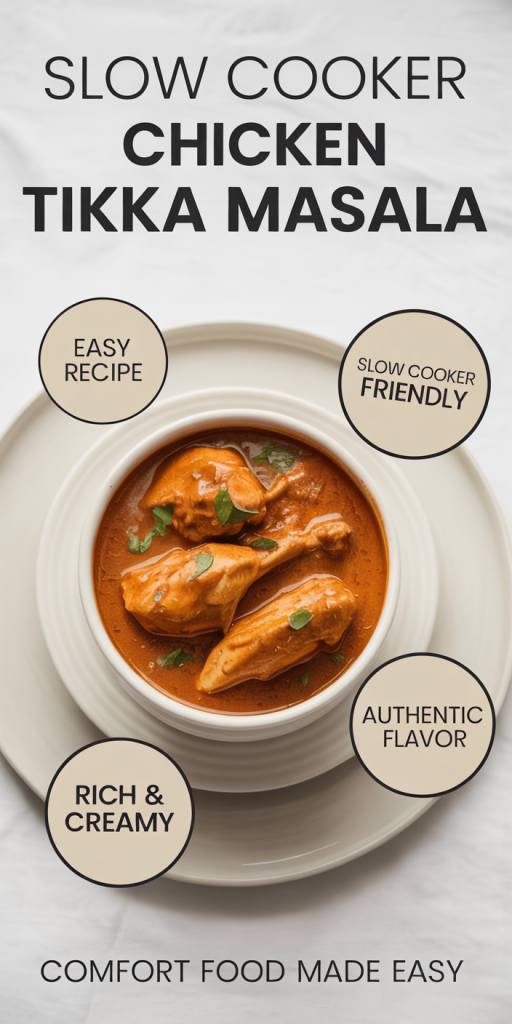
If you love the deep, layered flavors of chicken tikka masala but want a hands-off approach, this slow cooker version is our go-to. We’ve adapted traditional techniques so the slow cooker does the heavy lifting while we keep control over spice, texture, and finishing. The result is tender chicken in a rich, tomato-cream sauce that tastes like it simmered for hours, because it literally did, without constant stirring or babysitting. In this guide we’ll walk through why this method works, the ingredients to gather, equipment and prep tips, a detailed step-by-step recipe, helpful variations, serving ideas, storage advice, and troubleshooting tips to make sure your slow cooker chicken tikka masala comes out excellent every time.
Why This Slow Cooker Recipe Works
Slow cooking suits chicken tikka masala for several reasons. First, the low-and-slow environment allows tougher connective tissue and even low-fat chicken to break down gently, yielding deeply tender, juicy pieces without drying them out. Second, prolonged gentle heat encourages spices and aromatics to meld into the tomato base, producing a rounded, cohesive flavor rather than a sharp, raw-spice bite. Third, the slow cooker is essentially a closed, moist oven, that means we can layer flavors (marinated chicken, sautéed onions, whole spices) and let time weave them together.
We’re careful to control a few elements that sometimes trip up slow-cooker curries. We handle concentrated aromatics (like garlic, ginger, and garam masala) up front, some get seared or bloomed, and we finish with dairy or coconut milk toward the end to prevent curdling. We also prefer to marinate the chicken briefly: it helps flavor penetrate without needing long marination in the fridge. When you follow the steps below, the slow cooker does more than soften meat: it deepens flavors, gives forgiving timing, and frees us to focus on accompaniments and final seasoning.
Ingredients You’ll Need
Below we break the ingredient list into manageable groups so you can shop confidently and customize to taste. Quantities will vary with serving size: the recipe that follows is written for 4–6 servings.
Chicken And Marinade
- 2–2.5 pounds boneless, skinless chicken thighs (recommended) or chicken breasts
- 1/2 cup plain yogurt (or dairy-free yogurt for vegan/dairy-free)
- 1–2 tablespoons lemon juice
- 1 tablespoon ginger paste or 1½ teaspoons freshly grated ginger
- 1 tablespoon garlic paste or 3 cloves minced garlic
- 1–2 teaspoons Kashmiri chili powder or mild paprika (for color and mild heat)
- 1 teaspoon salt
Why thighs? They stay moist and tolerate long cooking better than breasts. The yogurt and acid in the marinade tenderize and help spices cling to the chicken.
Tikka Masala Sauce Components
- 1 large onion, finely chopped (about 1½ cups)
- 1 (28-ounce) can crushed tomatoes or whole tomatoes crushed by hand
- 1 cup chicken broth or water (use vegetable broth for vegetarian/vegan version)
- 1/2–3/4 cup heavy cream, coconut milk, or cashew cream (we’ll finish with this)
- 2–3 tablespoons tomato paste (for depth and body)
- 1–2 tablespoons neutral oil (canola, sunflower) or ghee
The tomato base provides acidity and sweetness: tomato paste and a long, slow simmer give body similar to restaurant-style tikka masala.
Spices, Herbs, And Pantry Staples
- 1–2 bay leaves
- 1 tablespoon garam masala (add more at the end to taste)
- 1 teaspoon ground cumin
- 1 teaspoon ground coriander
- 1/2–1 teaspoon turmeric
- 1/2–1 teaspoon smoked or regular paprika
- 1/4–1/2 teaspoon cayenne or red chili flakes (adjust for heat)
- Salt and freshly ground black pepper to taste
- Fresh cilantro for garnish
We’ll also suggest a few optional whole spices (cinnamon stick, cardamom pods) for a slightly more aromatic sauce if you like that profile.
Equipment And Prep Tips
A few tools and smart prep decisions make the difference between an OK slow-cooker curry and a restaurant-worthy one.
Choosing The Right Slow Cooker And Tools
- Size: Use a 6-quart slow cooker for 4–6 servings. A too-large pot won’t trap heat as effectively.
- Shape: Oval crocks are versatile for layering chicken and sauce: round ones are fine too.
- Searing pan: A heavy skillet or cast-iron pan for browning onions, whole spices, or searing chicken if you choose.
- Immersion blender (optional): Useful for smoothing sauce if you prefer a silken texture.
- Tongs and a slotted spoon: For handling chicken without breaking it up.
Prep Steps To Save Time (Chopping, Marinating, Searing)
- Chop the onion and measure spices before you start, mise en place speeds things up and prevents overcooking.
- Marinate chicken at least 15–30 minutes while you prep other ingredients. If you’ve got time, 2–4 hours in the fridge improves flavor, but it’s not required.
- Sear onions and tomato paste together for 4–6 minutes until the paste darkens slightly: this caramelization gives the sauce depth.
- Optional: Quickly sear marinated chicken in a hot skillet for 1–2 minutes per side to add Maillard flavor before adding to the slow cooker. It’s worth the extra few minutes if you want a richer profile.
We find that doing the small steps up front, blooming spices, searing aromatic paste, and brief chicken sear, noticeably improves the final dish. But if we’re short on time, the slow cooker still produces great results with fewer steps.
Step-By-Step Recipe Instructions
Here’s our tested slow cooker chicken tikka masala method. Follow the order: timing is forgiving but finishing steps are important for texture and flavor.
Marinating The Chicken
- Cut chicken thighs into 1½–2-inch pieces and place them in a bowl.
- Add 1/2 cup yogurt, lemon juice, garlic, ginger, 1–2 teaspoons Kashmiri chili powder, and 1 teaspoon salt. Mix to coat evenly.
- Cover and let sit at room temperature for 15–30 minutes, or refrigerate for up to 4 hours. If refrigerating, bring to room temperature 30 minutes before cooking.
Marination flavors the exterior and helps the chicken remain juicy. We don’t recommend marinating overnight with lots of acid: that can change the meat’s texture.
Optional Searing For Better Flavor
- Heat 1–2 tablespoons oil or ghee in a skillet over medium-high heat.
- Brown chicken pieces in batches 1–2 minutes per side until they develop color: they don’t need to be cooked through.
- Transfer seared chicken to the slow cooker.
Searing is optional but adds savory notes. If we skip searing, we always sauté the onions and tomato paste to build flavor elsewhere.
Slow Cooker Cooking Process
- In the same skillet (or the slow cooker if you’re skipping the skillet), sauté the chopped onion with a pinch of salt until translucent and beginning to brown (6–8 minutes). Add tomato paste and cook 2–3 minutes until it darkens slightly.
- Add ground cumin, coriander, turmeric, paprika, and cayenne: stir and heat briefly to bloom the spices, about 30–45 seconds.
- Transfer the onion–spice mixture to the slow cooker. Add crushed tomatoes, 1 cup chicken broth, bay leaves, and half the garam masala. Stir to combine.
- Nestle marinated (and optionally seared) chicken into the sauce, pressing pieces gently into the liquid.
- Cook on LOW for 4–6 hours or on HIGH for 2–3 hours. We prefer LOW for 5 hours for best texture.
Timing varies by slow cooker model and chicken cut. We aim for chicken that’s tender but still retains shape.
Finishing Touches: Cream, Acid, And Texture
- About 20–30 minutes before serving, stir in heavy cream, coconut milk, or cashew cream (start with 1/2 cup and add up to 3/4 cup as desired). If the sauce looks very thin, mix 1–2 tablespoons cornstarch with 2 tablespoons cold water and stir in to thicken, then continue cooking the final 20 minutes.
- Taste and adjust seasoning: add salt, a squeeze of lemon or a splash of vinegar to brighten flavors, and the remaining garam masala to boost aroma.
- If you prefer a smoother sauce, carefully use an immersion blender to partially blend directly in the slow cooker, keep some texture by pulsing briefly.
- Garnish with chopped cilantro and serve.
These finishing steps give the sauce its signature silkiness and balanced acidity, they’re the difference between good and great chicken tikka masala.
Variations And Dietary Substitutions
We like this recipe because it’s flexible. Here are reliable swaps and variations so you can adapt the dish to dietary needs and flavor preferences.
Dairy-Free And Vegan Alternatives
- Replace yogurt in the marinade with coconut yogurt or silken tofu blended with a little lemon juice.
- Swap heavy cream for full-fat coconut milk or cashew cream (soak 1 cup cashews, blend with 1/2 cup water until smooth). Coconut milk gives a subtle tropical note: cashew cream is richer and more neutral.
- Use vegetable broth and plant-based yogurt to make the sauce entirely vegan. For added umami, stir in a teaspoon of miso or soy sauce at the end.
We’ve made a vegan version using tofu and roasted cauliflower, the slow cooker gives cauliflower a melt-in-your-mouth quality.
Protein Swaps: Paneer, Tofu, Or Vegetables
- Paneer: Add cubes of fresh paneer in the last 30 minutes of cooking so they warm through without dissolving.
- Tofu: Use extra-firm tofu, pressed and cubed: sear before adding for texture. Add in the last 45–60 minutes to avoid over-softening.
- Vegetables: Roasted butternut squash, sweet potato, or cauliflower work well. Roast first to add caramelization, then add to the slow cooker for the final hour so they keep some bite.
When swapping proteins, adjust cook times. Plant proteins need less time than bone-in meats.
Adjusting Spice Level And Flavor Profiles
- To reduce heat, omit cayenne and use sweet paprika: increase smoked paprika for depth.
- For more warmth, add ground black pepper, extra cayenne, or a pinch of fenugreek (kasuri methi) at the end, crush it between your palms and stir it in.
- For a tangier profile, increase lemon juice at the finish or add 1–2 tablespoons of mango chutney while finishing for sweet-savory balance.
These tweaks let us tune the dish to family tastes: milder for kids, bolder for spice lovers, or richer for special occasions.
Serving Suggestions And Side Dishes
Chicken tikka masala asks for simple, complementary sides that soak up sauce and provide texture contrast. Here are our favorite pairings.
Rice, Breads, And Salad Pairings
- Basmati Rice: Long-grain basmati steamed with a little ghee and salt is classic. For extra aroma, cook it with a small cinnamon stick and a cardamom pod.
- Jeera Rice: Sauté 1 teaspoon cumin seeds in oil before adding rice for a fragrant cumin-infused side.
- Naan: Store-bought or homemade naan grilled or warmed in a hot skillet is ideal for scooping sauce.
- Roti or Paratha: Whole-wheat rotis or flaky parathas provide a heartier option.
- Simple Salad: A cucumber, cherry tomato, and red onion salad dressed with lemon and salt refreshes the palate.
We like to serve at least two starch options (rice and a bread) when hosting so guests can choose.
Garnishes, Chutneys, And Beverage Matches
- Garnish: Fresh cilantro, a drizzle of cream, or thinly sliced green chiles add color and brightness.
- Chutney: Mango chutney or a tangy tamarind chutney complements the tomato base wonderfully.
- Drinks: A chilled lager, a crisp Riesling, or a salty lassi (sweet or salted yogurt drink) all pair nicely. For non-alcoholic options, spiced iced tea or sparkling water with lime balances richness.
Presentation tip: serve the sauce in a shallow bowl with a mound of rice in the center and sprinkle cilantro and a lemon wedge on the side.
Make-Ahead, Storage, And Reheating
This dish is forgiving for make-ahead and leftovers, in fact, flavors deepen overnight.
Refrigeration And Freezing Guidelines
- Refrigeration: Store in an airtight container for up to 3–4 days. Keep rice and bread separate to prevent sogginess.
- Freezing: Cool completely, then freeze in a freezer-safe container for up to 3 months. Leave a little headspace because sauces expand when frozen.
- Thawing: Transfer frozen portions to the refrigerator overnight before reheating for best texture.
Label containers with date and contents to keep track. If you plan to freeze, consider slightly undercooking the chicken by 5–10 minutes so it doesn’t become overly soft after reheating.
Best Practices For Reheating Without Drying Out
- Stovetop: Gently reheat on low in a saucepan with a splash of water, broth, or cream to loosen the sauce. Stir frequently.
- Oven: Cover a baking dish and bake at 350°F (175°C) until heated through: add a tablespoon or two of liquid if the sauce looks thick.
- Microwave: Use medium power and heat in short bursts, stirring between intervals. Add a little extra liquid to maintain creaminess.
Avoid reheating at high heat for long periods, that’s what causes dryness and curdling. We try to reheat slowly and taste as we go.
Troubleshooting And Common Mistakes
Even experienced cooks run into issues. Here are quick fixes for the most common problems we see with slow cooker chicken tikka masala.
Fixes For Thin Or Watery Sauce
- Simmering: Remove the lid and cook on HIGH for 20–30 minutes to reduce liquid and concentrate flavor. The slow cooker will reduce sauce more slowly than a stovetop, but removing the lid helps.
- Thickening: Mix 1–2 tablespoons cornstarch with equal cold water (slurry) and stir into the sauce: cook 15–20 minutes until thickened. Alternatively, whisk in a spoonful of tomato paste or a handful of pureed cooked cashews for body.
- Mashed vegetables: Stir in a small amount of mashed roasted squash or carrot to thicken naturally and add subtle sweetness.
What To Do If Chicken Is Overcooked Or Underdone
- Overcooked: If chicken is shredding to mush but the sauce is great, embrace it, shred the chicken with two forks and serve as a saucy pulled-chicken curry over rice. For future attempts, reduce cooking time or use larger pieces.
- Underdone: If chicken is still firm or undercooked, cut a piece to check the center. Continue cooking on HIGH for another 30–60 minutes, or finish on the stovetop in a saucepan for 10–15 minutes until cooked through.
Prevention is easier than cure: use thighs for forgiving texture, monitor the first time you use a new slow cooker, and avoid very large frozen pieces of meat straight from the freezer.
If flavors are flat after cooking, a squeeze of lemon or a teaspoon of sugar can brighten it: adding a dash of cream and extra garam masala at the end will revive aroma and mouthfeel.
Conclusion
Slow cooker chicken tikka masala gives us the best of both worlds: deep, slow-simmered flavor with minimal hands-on time. By combining a short marinade, optional searing, sautéed aromatics, and a careful finish with cream and acid, we get a restaurant-quality sauce and tender chicken without fuss. The recipe is flexible, we can make it dairy-free, vegetarian, milder, or hotter, and it holds beautifully as leftovers. Try the method once with the times we’ve suggested, then tweak spice levels and finishing touches until it matches your family’s preferences. Once you’ve got that balance, the slow cooker becomes your secret for easy, impressive weeknight meals.