How To Make Slow Cooker Garlic Butter Potatoes
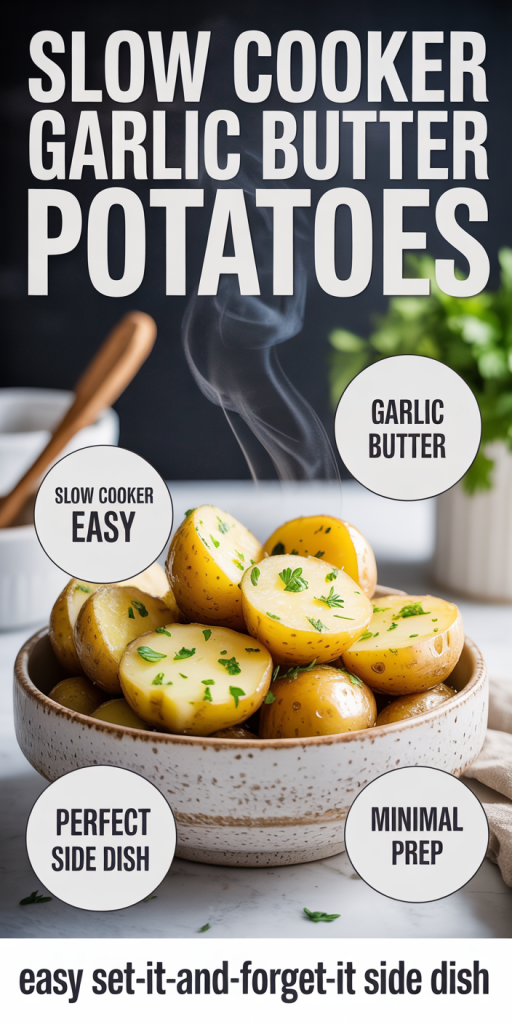
Potatoes finished in a slow cooker and coated in garlic butter are one of those comfort-restaurant side dishes we can’t get enough of. They’re hands-off, forgiving, and deliver deep, mellow flavors that only low-and-slow cooking can coax out. In this guide we’ll walk through everything you need to know to make perfect slow cooker garlic butter potatoes every time, from shopping and prep to finishing techniques that add crispness and shine. Whether you’re feeding a crowd, prepping for the week, or building a plate around roasted chicken, these potatoes are a reliable winner.
Ingredients And What To Buy
We’ll start with a short shopping list and a few notes on picking the best ingredients. These choices directly affect texture and flavor, so it’s worth being intentional.
- Potatoes (about 2–3 pounds): We prefer Yukon Gold for their buttery flavor and creamy texture after slow cooking. Red potatoes are a great alternative if you want firmer, waxier pieces. Russets will break down more and work if you like a softer, almost mashed result.
- Unsalted butter (6–8 tablespoons): Butter is the flavor base. Unsalted lets us control sodium.
- Fresh garlic (6–8 cloves): Freshly minced garlic gives the brightest garlic flavor. Garlic powder can be used in a pinch but lacks that fresh sharpness.
- Fresh herbs: Parsley and chives are our go-tos for freshness at the end. Rosemary or thyme also work well if you prefer woodier notes.
- Salt and freshly ground black pepper: Essential. Kosher salt is easier to control.
- Olive oil (1–2 tablespoons): Helps prevent sticking and is useful for finishing if we plan to broil for browning.
- Optional: Chicken or vegetable broth (1/4–1/2 cup), adds depth and prevents drying: lemon zest or juice for brightness: smoked paprika or onion powder for extra depth.
Buying tips and quantities
- For 4–6 servings, buy 2–3 pounds of potatoes. If you’re serving more people or want leftovers, aim for 4–5 pounds.
- If you expect to finish under the broiler for crisping, pick potatoes that hold shape (Yukon Gold or reds).
- Buy high-quality butter, real butter makes a noticeable difference here. If you’re making a dairy-free version, choose a vegan butter with a clean flavor.
Small investments that pay off
Fresh herbs and fresh garlic make a large sensory difference for minimal cost. Also, if you have a garlic press or microplane, they’re handy, the microplane produces a gentler garlic texture that blends into the butter without large bits.
Essential Equipment And Prep Work
We don’t need complicated gadgets for this recipe, but a few tools will make the process smoother and the results more consistent.
Must-have equipment
- Slow cooker: A 6-quart crock is versatile and fits 2–4 pounds of potatoes comfortably. If you have a smaller or larger slow cooker, we’ll cover adjustments later.
- Sharp chef’s knife and a cutting board: For uniform potato pieces.
- Mixing bowl: For tossing potatoes with the garlic butter and seasonings.
- Measuring cups and spoons: For accuracy.
- Tongs or a slotted spoon: For transferring potatoes to a baking sheet if you plan to brown them.
Optional but useful
- Skillet (cast-iron or stainless steel): If you prefer to brown potatoes in a skillet rather than under the broiler.
- Baking sheet and rack: For crisping in the oven: elevating the potatoes on a rack helps air circulate.
- Garlic press or microplane: Speeds up garlic prep and gives an even texture.
Prep work checklist
- Wash and dry potatoes thoroughly, especially if you plan to keep the skins on. The skin adds flavor and texture.
- Peel if you prefer (we often leave skins on for nutrients and rustic texture).
- Cut potatoes into uniform pieces, about 1- to 1 1/2-inch chunks. Even sizing ensures consistent doneness.
- Mince garlic, chop herbs, and measure butter and seasonings before you start mixing.
- If using broth or liquids, have them measured and ready so you can layer quickly.
We recommend doing all cutting and measuring within a 15–20 minute window to keep the process smooth. The slow cooker is forgiving, but consistent prep gives the best results.
Step-By-Step Cooking Instructions
We’ll break the cooking process into approachable steps: cutting, making the butter mixture, layering and seasoning, slow-cooking specifics, checking doneness, and finishing for color and texture.
Preparing And Cutting The Potatoes
Start by choosing a cutting style. We prefer 1–1.5 inch chunks because they balance surface area and interior softness. If you cut smaller, they’ll cook faster and are more likely to become soft throughout: larger chunks hold texture better.
Steps:
- Scrub the potatoes under cold water and pat dry. Leave skins on unless you prefer peeled.
- Trim any blemishes or eyes, then cut potatoes into even chunks.
- If you’re working ahead, place cut potatoes in a bowl of cold water with a splash of lemon or vinegar to prevent browning for up to 24 hours. Drain and dry thoroughly before proceeding.
Making The Garlic Butter Mixture
Our garlic butter is the heart of this dish. It’s simple: butter, garlic, herbs, and a bit of seasoning.
Ingredients for the mixture (for 2–3 pounds potatoes):
- 6 tablespoons unsalted butter, softened
- 6 cloves garlic, minced (or 1–1 1/2 tablespoons minced garlic)
- 1 teaspoon kosher salt
- 1/2 teaspoon black pepper
- 1 tablespoon chopped fresh parsley or chives
Method:
- Gently melt or soften the butter, we don’t want it hot, just soft enough to stir in the garlic.
- Mix in the minced garlic, salt, pepper, and herbs.
- Taste a tiny smear on a spoon and adjust salt or garlic if needed. Remember the slow cooker tones flavors slightly, so don’t undersalt.
Layering, Seasoning, And Adding Liquids
How you layer the potatoes in the slow cooker influences even cooking and flavor dispersion.
- Lightly oil the slow cooker insert to prevent sticking (1–2 teaspoons of olive oil or a quick butter rub works).
- Add a single layer of potato chunks and spoon some garlic butter over them. We like to distribute butter so each piece has some coverage, then add another layer and repeat until all potatoes are in.
- If using broth, pour 1/4 to 1/2 cup total over the potatoes. You don’t want the potatoes submerged: the steam is enough to cook them. The liquid prevents the butter from burning and adds savory depth.
- Seal and set the slow cooker.
Slow Cooker Settings, Cook Times, And Variations
Most slow cookers have two primary settings: Low and High. For our texture preferences:
- Low setting: 4–5 hours for 1–2 inch chunks (best for even, tender results with minimal sticking).
- High setting: 2–3 hours for the same size chunks (faster but slightly more risk of sticking or drying on the edges).
Variations:
- Whole baby potatoes: 4–5 pounds on Low for 6–7 hours.
- Halved medium potatoes: Low 5–6 hours for very tender centers.
We find Low yields the best balance: potatoes tender through the center while holding shape.
Checking Doneness And Avoiding Overcooking
Check potatoes at the lower end of your cook-time range. Use a fork or paring knife inserted into the largest piece, if it slides in easily with minimal resistance, they’re done. If you feel a firm core, cook another 20–30 minutes and recheck.
Signs of overcooking:
- Potatoes collapsing into mush
- Flavors overly blended with no discernible texture
If you overshoot slightly, consider mashing a portion and stirring them into the batch for a rustic, creamy texture.
Finishing Touches And Browning Options
Slow-cooked potatoes can be perfectly flavored but often lack crispness. We recommend one of these finishing techniques:
- Broiler method (fastest): Transfer potatoes to a rimmed baking sheet lined with foil and a wire rack if you have one. Brush lightly with olive oil or reserved melted butter and broil 3–5 minutes until edges brown. Watch closely, broilers vary.
- Skillet sear: Heat a cast-iron skillet with 1–2 tablespoons of oil or butter, then quickly pan-sear portions until golden on the cut sides.
- Roasting briefly: Spread on a hot 425°F oven tray for 8–12 minutes to develop color.
Finish with fresh herbs, a squeeze of lemon if desired, and a final pinch of flaky sea salt. The contrast between soft interiors and browned edges is worth the extra step.
Flavor Variations And Add-Ins
We rarely make the same garlic butter potatoes twice, small additions transform them for different meals. Here are variations that work especially well in the slow cooker.
Herb And Spice Variations
- Rosemary & Thyme: Add 1 teaspoon chopped fresh rosemary and 1 teaspoon thyme to the butter for a woodsy profile that pairs beautifully with lamb or roast beef.
- Smoked Paprika & Cumin: Use 1/2 teaspoon smoked paprika and 1/4 teaspoon ground cumin for a slightly smoky, savory twist that pairs well with grilled meats.
- Lemon & Dill: Add zest of one lemon and 2 tablespoons chopped dill to brighten the dish, excellent with fish or lighter poultry.
Cheese, Bacon, And Creamy Additions
- Parmesan: Stir 1/2 cup grated Parmesan into the potatoes during the last 30 minutes of cooking for a savory crust when finished under the broiler.
- Bacon: Cook and crumble 4–6 strips of bacon and fold in before serving. The bacon adds salt and texture.
- Cream or Sour Cream: For a richer result, fold in 1/4–1/2 cup heavy cream or sour cream after cooking for a velvety finish. Add near the end to prevent separation.
Vegan Or Lower-Fat Substitutions
We can make a dairy-free version that still tastes indulgent:
- Replace butter with equal parts olive oil or a high-quality vegan butter.
- Use nutritional yeast (2–3 tablespoons) for a cheesy umami lift.
- Reduce oil by mixing 2 tablespoons oil with a tablespoon of vegetable broth and extra herbs to keep the potatoes moist.
These swaps keep flavor while meeting dietary preferences.
Tips, Tricks, And Troubleshooting
After many batches, we’ve collected practical tips that prevent common problems and speed up the process.
Texture And Consistency Tips
- Uniform cuts = uniform doneness. It’s the single most important factor.
- Use a splash of broth rather than water for additional savory depth.
- If potatoes taste underseasoned after slow cooking, finish them with a compound butter (butter mixed with herbs and lemon) or a sprinkle of grated hard cheese.
Preventing Sogginess And Sticking
- Don’t add too much liquid, steam, not submersion, should do the work.
- Lightly oil the insert or use a liner when using high heat or unfamiliar cookware.
- Stir gently once halfway through cooking if you fear uneven browning or sticking, avoid excessive stirring or you’ll break down the pieces.
Adjusting For Different Slow Cooker Sizes And Models
- 4-quart cooker: Reduce potatoes to 1–1.5 pounds and scale butter and seasonings proportionally.
- 8-quart cooker: Increase potatoes but keep seasoning ratios: you may need a touch more liquid (up to 1 cup) to maintain moisture.
- Newer models with precise temperature control: Follow manufacturer guidelines but expect similar times, use Low for about 4–5 hours.
Timing Tips For Busy Schedules And Meal Prep
- Start on Low four to five hours before mealtime for the best balance of flavor and texture.
- For dinner guests, cook on Low and plan to transfer to a broiler pan 20 minutes before serving for last-minute browning.
- For meal prep, make a double batch and refrigerate portions. Reheat gently in a skillet or oven to refresh texture.
If you hit a problem, tell us what happened and we’ll troubleshoot specific issues, potatoes vary by type and age, and small changes can make a big difference.
Serving Suggestions And Pairings
These garlic butter potatoes are versatile, we’ll share complementary mains, garnish ideas, and clever ways to repurpose leftovers.
Main Dishes That Complement The Potatoes
- Roast chicken or rotisserie chicken: The buttery potatoes soak up pan juices and make a classic pairing.
- Grilled steak or pork chops: The richness of the potatoes balances charred flavors.
- Baked fish: Lemon-dill variations pair beautifully with salmon or cod.
- Vegetarian mains: Serve alongside mushroom ragout or a hearty lentil loaf to make a filling plant-forward meal.
Simple Garnishes And Presentation Ideas
- Fresh herbs: A sprinkling of parsley, chives, or dill brightens the dish.
- Citrus: A light squeeze of lemon just before serving elevates the butter and cuts richness.
- Finishing salt: Flaky sea salt or Maldon adds a satisfying crunch and flavor contrast.
- Textural contrast: Crumbled bacon, toasted pine nuts, or a dusting of smoked paprika creates interest.
Transforming Leftovers Into New Meals
- Breakfast hash: Sauté leftover potatoes with onions, peppers, and a fried egg on top.
- Potato salad upgrade: Chop chilled leftovers and mix with Greek yogurt, mustard, celery, and herbs for a quick potato salad.
- Soup thickener: Purée leftover potatoes with broth for an instant creamy base for soups or chowders.
- Topping for bowls: Use as a base for grain bowls with roasted vegetables and a protein, adds instant comfort.
We like keeping a container of these potatoes in the fridge, they’re surprisingly flexible and reduce dinner pressure on busy nights.
Storage, Make-Ahead, And Reheating Guidance
Good storage and reheating preserve texture and food safety. Here’s how we handle leftover garlic butter potatoes.
How To Refrigerate And Reheat Safely
- Refrigeration: Cool potatoes to room temperature (within two hours of cooking) and store in an airtight container. They keep well for 3–4 days.
- Reheating: For best texture, reheat in a 350°F oven for 10–15 minutes or in a skillet over medium heat until warmed and slightly crisp. Microwaving works for speed (1–2 minutes), but can make them mushy. If microwaving, finish in a skillet for a minute to regain some texture.
Freezing Tips And Best Practices
- Freezing is possible but changes texture slightly. Cool completely, spread on a baking sheet to flash-freeze individual pieces for an hour, then transfer to a freezer bag. They keep 2–3 months.
- Thaw overnight in the fridge before reheating. Re-crisp in a hot oven or skillet.
Make-Ahead Strategies For Parties And Weeknights
- Make the potatoes through the slow-cooker stage earlier in the day, refrigerate, then reheat and broil right before guests arrive.
- For large gatherings, double the recipe and use two slow cookers, one on Low to keep warm and the other for finishing under the broiler to serve fresh, browned batches.
Following these tips keeps the potatoes safe and delicious while giving us flexibility for busy schedules and entertaining.
Nutrition, Dietary Information, And Swaps
We’ll cover approximate nutrition, sensible swaps for different diets, and common allergen concerns so the dish works for more people.
Approximate Nutrition Per Serving
(Estimate for 1 cup serving of the basic recipe with butter and skins on):
- Calories: ~220–280
- Fat: 10–14 g (depending on butter amount)
- Carbohydrates: 30–35 g
- Protein: 3–4 g
- Fiber: 2–3 g
Nutrition varies with potato type, butter amount, and any added ingredients like cream or cheese. Use an ingredient tracker for precise numbers tailored to your portions.
Lower-Calorie, Lower-Sodium, And Keto Options
- Lower-calorie: Reduce butter by half and use 1–2 tablespoons olive oil, increase herbs, and add a splash of broth to maintain moisture.
- Lower-sodium: Use unsalted butter and low-sodium broth: boost herbs and lemon to compensate for flavor.
- Keto: Potatoes are high in carbs: swap cauliflower florets prepared with the same garlic butter method for a lower-carb alternative. Cut cauliflower into florets and cook on Low for 3–4 hours until tender (timing may vary).
Allergen Considerations And Substitutes
- Dairy allergy or vegan: Use a plant-based butter or olive oil. Add nutritional yeast for a cheesy note.
- Garlic sensitivity: Reduce garlic or use roasted garlic for a milder profile.
- Gluten-free: The basic recipe is naturally gluten-free, just check labels on any broth or added ingredients.
We recommend noting allergens prominently when serving guests and offering a dairy-free or lower-fat version alongside the classic.
Conclusion
Slow cooker garlic butter potatoes give us a reliably delicious side with very little active time. By choosing the right potato, prepping uniformly, and finishing with a quick broil or sear, we get tender, flavorful interiors and an appealing browned exterior. The recipe is endlessly adaptable, herbs, cheeses, or bacon can tailor it to the meal at hand, and simple storage strategies keep it useful throughout the week. Try our method next time you need a crowd-pleasing side: set it in the morning, finish just before serving, and enjoy how a few humble ingredients transform with slow cooking.