How to Update Cabinet Hardware for an Instant Refresh
Swapping out cabinet hardware is one of the fastest, most cost-effective ways to refresh a kitchen, bathroom, or built-in without a full remodel. In a few hours and with minimal tools, we can change the look, improve function, and bring a room into alignment with current trends or our personal style. In this guide we’ll walk through why hardware matters, how to assess what you have, how to choose the right pieces, and the exact steps to remove and install hardware like pros. We’ll also cover finishing touches, common problems, and when replacement is the smarter choice. Let’s get our cabinets looking, and working, their best.
Why Cabinet Hardware Matters More Than You Think
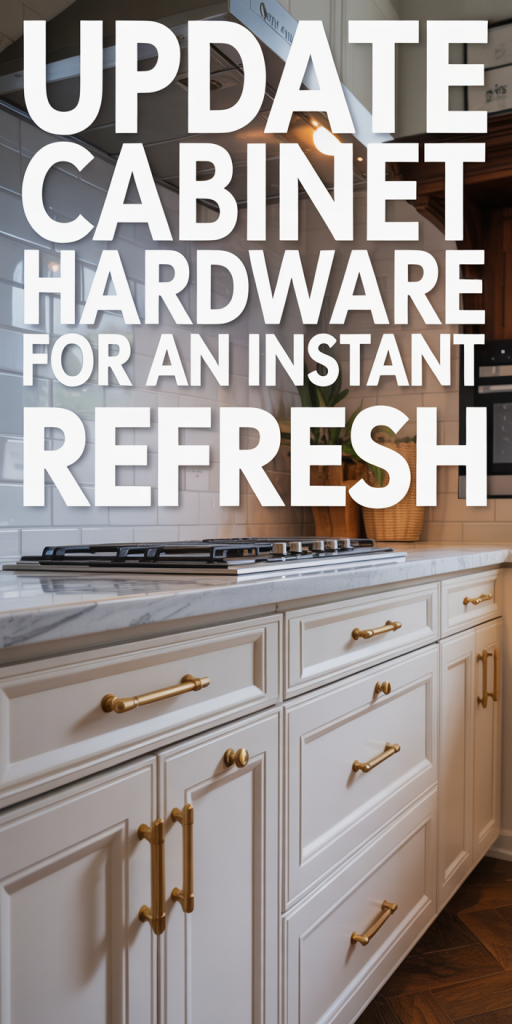
Cabinet hardware is more than just a functional afterthought. It’s a design punctuation mark that ties cabinetry to faucets, lighting, and the room’s overall aesthetic. When we change pulls and knobs, we adjust perceived scale, light reflection, and the emotional tone of a space. A matte black handle can make a kitchen feel modern and grounded: a polished brass knob can add warmth and a touch of luxury. Beyond looks, good hardware improves usability: ergonomically shaped pulls reduce hand strain, and the right fasteners keep doors aligned for years.
There’s also tangible ROI: designers and real estate agents often point out that updated hardware is an inexpensive staging tool that can increase perceived value. And because hardware is visible and tactile, it creates an immediate impression every time we open a drawer or a cabinet. In short, this small change delivers big visual and functional returns, often for less than the cost of a single pendant light.
Assessing Your Current Cabinets and Goals
Before we buy a single screw, we need to assess both condition and intent. This step keeps decisions practical and prevents wasted purchases.
First, Evaluate Function And Wear
- Inspect hinges, drawer slides, and existing pulls for looseness, corrosion, or damage. If doors don’t close flush or drawers stick, new hardware alone may not solve the issue. Make note of sticky drawers, warped doors, or cracked veneer.
- Check for stripped screw holes or painted-over hardware that will complicate removal.
Next, Identify Your Design Goal
- Are we aiming for a subtle refresh or a wholesale style change? A subtle update might swap finishes while keeping the same pull profile: a bold change could introduce long bar pulls or vintage cup handles.
- Decide if the hardware should match other finishes in the room (faucet, light fixtures) or intentionally contrast for a layered look.
Practical considerations:
- Budget: Are we updating the whole kitchen or only visible areas? Replacing hardware for all doors/drawers in a large kitchen adds up: prioritize high-visibility pieces if needed.
- Timeline: Do we need a quick refresh before an event, or can we wait for custom orders?
This assessment anchors the rest of the project: it determines what we replace, what we repair first, and what style direction we commit to.
Choosing The Right Hardware Style
Selecting a style is equal parts aesthetics and ergonomics. We want pieces that look right and feel right in daily use.
Match Hardware To Cabinet Style And Finish
- Traditional cabinets (raised panels, decorative trim) pair well with classic knobs, backplates, and finished pulls like aged brass or oil-rubbed bronze.
- Transitional styles handle a broader range: simple cup pulls, tapered bar pulls, or matte finishes can bridge old and new elements.
- Modern or shaker-style cabinets benefit from minimalist bar pulls, edge pulls, or simple round knobs in muted metal finishes.
Consider Scale, Proportion, And Ergonomics
- Proportion matters. Large, flat-faced shaker drawers usually take longer pulls (8–12″) or multiple smaller pulls spaced evenly: small cabinet doors look best with single knobs or 3–4″ pulls.
- Think about hand size and frequency of use. Heavy drawers require robust pulls with good grip: a thin decorative knob is fine for a linen closet but clumsy on a heavy pot drawer.
Single Hole Vs. Multipiece Pulls
- Knobs and single-hole pulls are easiest to install and replace, and they work well when existing holes are in good condition.
- Two- or three-hole pulls create a more substantial visual effect and are common on wider drawers: but, they require careful measuring and sometimes patching of old holes if the spacing doesn’t match.
Finish Options And Durability Considerations
- Finishes range from polished brass, brushed nickel, and chrome to matte black, oil-rubbed bronze, and aged brass. Consider both aesthetics and durability: chrome and brushed finishes resist fingerprints and are easy to clean, while raw brass will patina over time (which we may like or may not).
- Look for hardware with solid construction (zinc alloy or stainless steel for longevity) and a reliable finish warranty if longevity is a priority.
Measuring, Sourcing, And Budgeting
Accurate measurement and a realistic budget save time and headaches.
Set A Realistic Budget And Timeline
- For a standard kitchen (20–30 pieces), plan anywhere from $3 to $30+ per piece depending on finish and build quality. Mid-range commercial-grade hardware typically runs $6–12 per pull: premium designer pieces are priced higher.
- Factor in tools, fillers, touch-up paint, and any hinge or slide replacements.
How To Measure For Existing Holes And New Layouts
- Measure center-to-center hole spacing for existing pulls (usually 3″, 3.5″, 4″, 5″, or 6″), and record whether each drawer uses 1 or 2 screws.
- For knobs or single-hole pulls, note hole diameter and screw length currently used.
- If changing layout (e.g., switching from center-mounted knobs to side-mounted pulls), determine new center lines and sketch a drilling template. Consistency is crucial: align pulls across rows and maintain consistent distance from edge.
Where To Buy Hardware And What To Look For
- Local hardware stores and kitchen showrooms let us test finishes and grips. Online retailers have broader selections and better prices but double-check specs and return policies.
- Look for clear measurements, multiple photos (including close-ups), customer reviews about durability, and a warranty. If aesthetics matter, order one or two samples first, especially for pricier finishes.
Tools And Supplies You’ll Need
- Tape measure, pencil, painter’s tape, drill with appropriate bits, countersink bit, combination square or ruler, template jig (optional), screwdriver or impact driver on low torque, masking paper, wood filler or plugs, touch-up paint or stain, and a torque-limiting bit if available.
Removing Old Hardware Safely
Removing old hardware is often straightforward but can reveal problems that need addressing.
Step-By-Step Removal Process
- Clear workspace: empty drawers to avoid spills and put down a cloth for screws.
- Use the correct screwdriver or bit: apply steady pressure to avoid cam-out.
- Remove screws while supporting the pull to prevent sudden drops that chip finishes.
- Keep screws and hardware organized in labeled bags so we can reuse them temporarily if needed.
How To Deal With Stripped Screws And Painted-Over Hardware
- Stripped screws: apply penetrating oil, let it sit, then use a rubber band between screwdriver and screw head to increase grip. For seriously stripped screws, a screw extractor or drilling out the screw may be needed.
- Painted-over hardware: score around the screw head with a utility knife to cut through paint, then proceed slowly. If hardware is glued with paint, heat from a hairdryer can soften the bond.
Inspect After Removal
- Check the condition of the existing holes (are they smooth, stripped, or oversized?). Look for water damage or swelling around hinges and edges that may need repair before installing new hardware.
Installing New Hardware Like A Pro
Installation is where precision pays off. Proper alignment and fastener selection make hardware look custom and work reliably.
Marking And Drilling New Holes Safely
- Use painter’s tape over the drilling area to reduce splintering and mark centers with a pencil. A combination square and a jig guarantee consistent placement across many pieces.
- Drill a pilot hole first with a smaller bit, then finish with the correct bit size for the screw. For face-mounted pulls, a countersink gives a clean look.
Aligning Pulls And Knobs Accurately
- For drawers, measure from the top or bottom standard distance (e.g., 1–2″ from edge) or center the pull vertically. For doors, a common placement is 2–3″ from the edge for full-size cabinets: for wall cabinets, position pulls near the bottom edge: for base cabinets, near the top edge.
- Use a simple cardboard or acrylic template to mark all locations quickly. Clamps can hold a template in place for repetitive drilling.
Recommended Torque, Screw Lengths, And Fastener Tips
- Use screws long enough to bite into the cabinet material but not so long they protrude through the inside, typically 3/4″ to 1″ for drawer fronts, longer for thicker solid wood.
- Don’t over-tighten. Fasteners should be snug but not crushed into the material: use a torque-limiting setting on electric drivers or finish by hand.
- When possible, use metal-to-metal fasteners on solid wood or reinforced backing: for veneered or hollow doors, use cabinet bolts or backing plates for extra strength.
Finishing Touches And Styling Tips
After installation, the little details elevate the result from competent to curated.
Concealing Old Holes And Matching Paint Or Wood Fillers
- For small old holes, use a wood filler or color-matched wax sticks. Sand lightly once dry and touch up with matching paint or stain.
- For painted cabinets, use a high-quality latex or oil-based filler followed by a carefully matched touch-up coat. If too many holes are visible, consider a repaint in the near future.
Coordinating Hardware With Faucets, Lighting, And Fixtures
- We recommend a consistent metal story: group finishes (warm metals like brass and bronze: cool metals like chrome and nickel) rather than mixing too many. Intentional contrast (matte black hardware with warm brass fixtures elsewhere) can work, but keep it deliberate.
- Consider the finish’s reflectivity: high-gloss picks up fingerprints and reflections: brushed or satin finishes hide wear.
Styling By Room: Kitchen, Bathroom, And Built-Ins
- Kitchen: prioritize ergonomics on heavy drawers and frequent-use cabinets. Long bar pulls on drawer fronts and smaller knobs on uppers create balance.
- Bathroom: smaller spaces can handle subtle, moisture-resistant finishes like brushed nickel. Match towel bars and faucet finishes when possible.
- Built-ins: these are opportunities for visual treatment, use unique knobs, vintage pulls, or decorative backplates to make custom cabinetry feel bespoke.
Maintenance Tips To Keep Hardware Looking New
- Wipe with a soft, damp cloth weekly. Avoid harsh abrasives or bleach unless the finish is specified as safe with those cleaners.
- For brass that we want to keep bright, polish occasionally. If we prefer patina, skip polishing and use mild soap when needed. Tighten screws after the first few weeks of use since settling may cause loosening.
Common Problems And How To Fix Them
Even a careful install can encounter issues. Here are the frequent problems and our practical fixes.
Troubleshooting Loose, Misaligned, Or Worn Hardware
- Loose hardware: usually corrected by replacing the screw with a slightly longer one or using a wood filler/plug to rebuild the hole and re-drilling.
- Misaligned pulls: remove and re-drill using a new template: cover old holes with wood plugs or filler and touch up.
- Worn hardware: if finish wears quickly, consider a higher-quality metal like stainless steel or a plated finish with a warranty.
When To Refinish, Repaint, Or Replace Cabinets Instead
- Cosmetic fixes help limited issues, but we should refinish or replace when:
- Doors are warped or significantly damaged.
- Narrow veneers are cracked or bubbling from moisture.
- Multiple functional failures exist (broken slides, loose frames), as continual repairs exceed replacement value.
- If the cabinet shell is sound but finishes are tired, a repaint combined with new hardware offers dramatic, cost-effective results.
Conclusion
Updating cabinet hardware is one of those high-impact, low-effort projects that rewards careful planning. We’ve covered assessing our cabinets, choosing styles and finishes, measuring and sourcing parts, step-by-step removal and installation, and the finishing touches that make the result look intentional and lasting. Below are concise, practical reminders to carry us across the finish line.