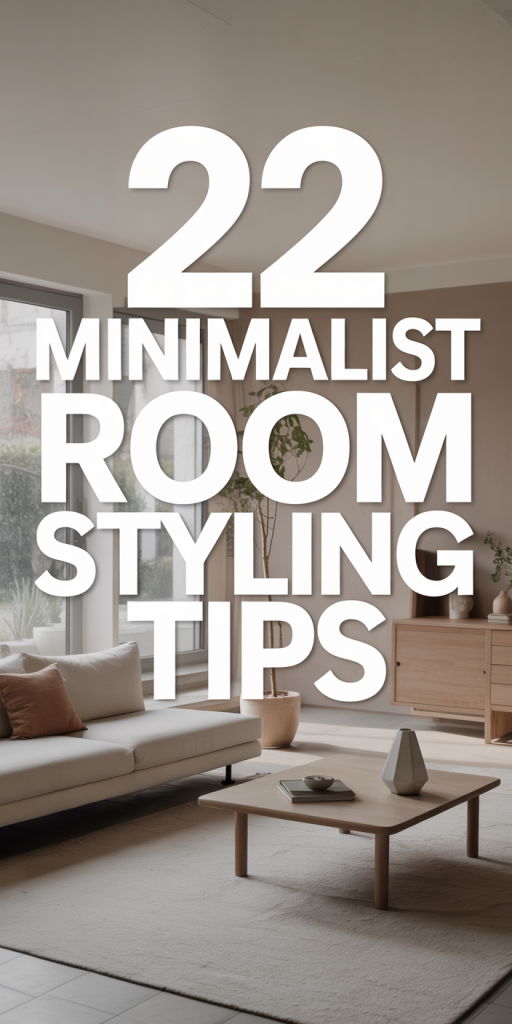
22 Minimalist Room Styling Tips
In a world that often feels cluttered and chaotic, minimalism offers a refreshing respite. By embracing simplicity and functionality, we can create serene environments that promote peace and clarity. This article will guide us through 22 essential tips for styling our rooms in a minimalist fashion, allowing us to enjoy the benefits of a streamlined, purposeful space.
Understanding Minimalism in Interior Design
Minimalism in interior design is much more than just having fewer items in a room: it’s a philosophy that prioritizes simplicity and functionality. It encourages us to focus on the essentials, eliminating the unnecessary, and creating spaces that are not only aesthetically pleasing but also deeply functional. This approach allows us to embrace clean lines, open spaces, and a sense of tranquility. By stripping away excess, we can highlight what truly matters: comfort, utility, and beauty.
Benefits of Minimalist Styling
Adopting a minimalist style comes with numerous advantages. First and foremost, it reduces stress: a clutter-free space can lead to a clutter-free mind. Minimalism also promotes organization, making it easier for us to find and access our belongings. Also, it often leads to a more sustainable lifestyle, as we become more mindful about what we purchase and keep in our homes. Finally, minimalist design tends to be timeless, allowing us to create spaces that will remain relevant and appealing for years to come.
Key Principles of Minimalist Room Styling
When we embrace minimalist room styling, certain principles guide our choices:
- Simplicity: Less is more. Every piece in the space should have purpose.
- Functionality: Our furniture and décor should serve a purpose beyond aesthetics.
- Quality: We should invest in a few high-quality items instead of many lower-quality pieces.
- Balance: Maintaining a sense of balance in design is crucial, whether through symmetry or proportions.
- Natural Elements: Incorporating natural light and materials enhances our environment and promotes tranquility.
22 Essential Tips for Creating a Minimalist Room
1. Embrace Neutral Color Palettes
Opting for neutral colors such as whites, grays, and beiges gives our space a calm foundation. These shades allow us to work with light and shadow, creating a serene atmosphere.
2. Prioritize Functionality Over Aesthetics
While aesthetics matter, we should always prioritize how functional our pieces are. Every item in our room should serve a specific purpose in our lives.
3. Use Quality Over Quantity
Investing in fewer but higher-quality items ensures that our space has lasting value. Quality pieces often have more character and can withstand the test of time.
4. Keep Furniture Selection Simple
Choose furniture with clean lines and minimal ornamentation. This simplicity helps create a serene environment, allowing our eyes to rest as we move through the room.
5. Opt for Multi-Functional Pieces
Multi-functional furniture, such as a sofa bed or an ottoman that doubles as storage, optimizes our space and reduces clutter.
6. Limit Decorative Accessories
While accessories can enhance our space, we should limit them to avoid clutter. A few carefully curated items can make a statement without overwhelming the design.
7. Focus on Natural Light
Utilizing natural light not only enhances the beauty of our minimalistic design but also improves mood and mental well-being. We should use sheer curtains or no window treatments at all to let light flow freely.
8. Incorporate Open Spaces
Leaving floor space open contributes to a sense of airiness in a room. This promotes movement and gives our eyes a place to rest while creating a visually appealing layout.
9. Use Texture to Add Interest
Texture can elevate our minimalist rooms without adding clutter. Think natural woods, soft fabrics, or woven baskets that provide a tactile contrast to sleek surfaces.
10. Choose Minimalist Artwork
Selecting a piece of artwork with a simple design or a monochromatic palette makes an immediate impact without overwhelming the space.
11. Carry out Smart Storage Solutions
Incorporating intelligent storage options, such as built-in shelving or storage benches, helps us keep our essentials organized while maintaining a clean visual aesthetic.
12. Consider a Statement Piece
By choosing one standout item, whether it’s a piece of furniture or an artwork, we can create a focal point within our space, providing interest without excessive decoration.
13. Find Balance in Symmetry
Symmetry, whether in furniture arrangement or décor placement, makes spaces feel harmonious. This balance contributes to a sense of order that’s essential in minimalist design.
14. Layer Rugs for Depth
Layering rugs can add warmth and depth to a minimalist room. Choosing rugs that complement each other both in color and texture enhances our space’s coziness without adding clutter.
15. Add Greenery Thoughtfully
Incorporating plants not only purifies the air but also adds a touch of nature to our minimalist palette. Choosing low-maintenance plants ensures we enjoy their benefits without overwhelming our space.
16. Use Simple Window Treatments
Opting for sheer or simple window treatments helps maintain clean lines while allowing light to filter through, enhancing the minimalist aesthetic.
17. Keep Surfaces Clear
We should aim to keep surfaces like countertops and tables clear of clutter. This not only promotes a clean look but also makes it easier to maintain a tidy environment.
18. Create a Focal Point
Every room should have a focal point, whether it’s an accent wall, a piece of furniture, or a piece of art. This draws the eye and creates interest in a thoughtfully designed space.
19. Carry out Minimalist Lighting Fixtures
Choosing lighting that is simple but stylish can enhance our room’s minimalistic vibe. Pendant lights or sleek table lamps can provide the functional lighting we need without adding unnecessary visual clutter.
20. Incorporate Minimalist Textiles
When choosing textiles, such as cushions or throws, we should opt for simple designs or textures. This maintains the clean aesthetic while adding layers of comfort.
21. Use Mirrors to Create Space
Mirrors can give the illusion of a larger space while also reflecting light, making our rooms feel more open and airy. Choosing a large, simple mirror can serve as a beautiful focal point as well.
22. Regularly Re-evaluate Your Space
Minimalism is an ongoing practice. Regularly assessing our space and letting go of items that no longer serve us is key to maintaining a minimalist lifestyle.
Conclusion
Embracing minimalist room styling is about more than just aesthetics: it’s about creating a lifestyle that values clarity, tranquility, and intentionality. As we carry out these 22 tips, we can transform our spaces into minimalist havens that reflect who we are and what we value. By focusing on quality, functionality, and simplicity, we create a home that stands the test of time and promotes our overall well-being.