How to Start Delivering with DoorDash: A Practical, Beginner-Friendly Guide
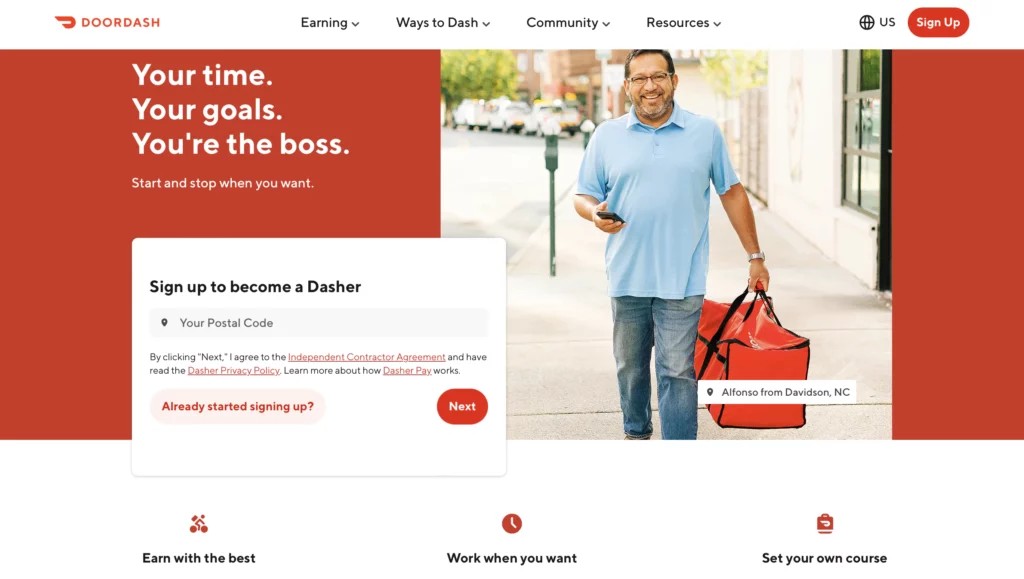
Thinking about picking up food deliveries as a side gig? This guide walks you through what to expect, how to prepare, and simple strategies to make your early shifts smoother. Read on for step-by-step ideas, realistic tips, and examples you can use the very first time you accept an order.
1. Why Dashing Might Fit Your Life Right Now
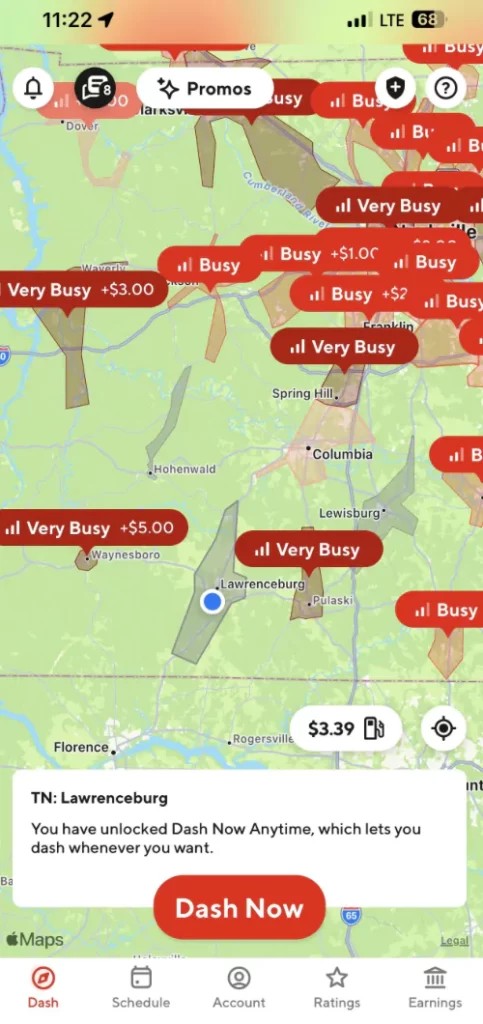
Delivery work is popular because it offers flexible hours and immediate ways to earn from your own schedule. Many people use dashing to fill pockets of free time—think two hours between errands, weekend evenings, or a weekday lunch block. Example: carve out weekday noon hours if your neighborhood has a cluster of restaurants; or do short evening shifts on nights you already commute through a busy corridor. The work is largely independent: you choose when to log on, which areas to cover, and which orders to accept. Treat early dashes as practice runs to learn traffic patterns, pickup spots, and the app’s flow before trying to maximize earnings.
2. Prepare Your Account, ID and Essentials Before Your First Shift
Getting paperwork and basic kit sorted ahead of time saves headaches once you start. Typical items include a clear profile photo, a valid driver’s license or ID, proof of eligibility to work, and insurance if you’ll use a motor vehicle. Most platforms also require a background check; expect to provide identifying details and to wait for verification. Practical step: take a sharp, well-lit headshot, keep digital copies of your ID and proof of insurance on your phone, and set up your bank details for payouts. If you get an activation kit from the company, unpack it and test any included payment card or insulated bag so you aren’t fumbling at the restaurant.
3. Simple Habits That Make Your Shifts Faster and Friendlier
Small routines have big payoffs. Start every shift with a charged phone, a fully zipped insulated bag, and a portable charger. Use navigation tools you trust—try both map apps and the platform’s built-in directions to compare routes. Plan to work peak windows you can commit to, such as lunch or dinner, and avoid taking your first double-order batch until you know restaurant turnaround times. Customer service matters: a quick text to confirm special delivery instructions and a polite knock or brief handoff can lead to better ratings and tips. Example: when a customer asks for contactless drop-off, take a photo and send a short message so they know where you left the order.
4. Step‑by‑Step: From Accepting an Order to Completing Delivery
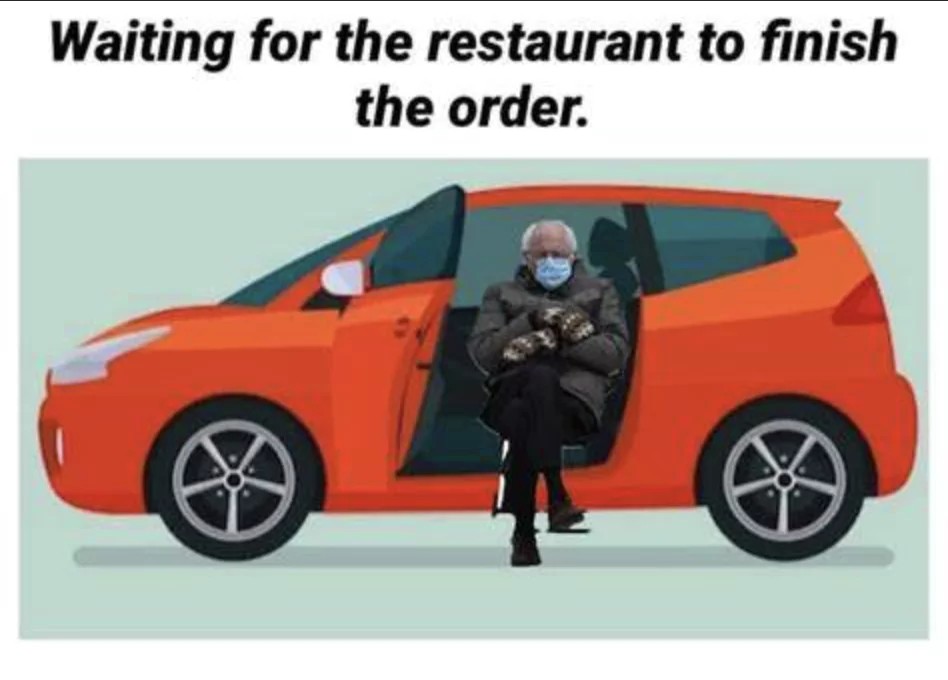
The app workflow is consistent: you’ll be offered orders that show restaurant, distance, and an estimated payout—take a moment to read special instructions before accepting. After acceptance, drive to the pickup spot, park considerately, and bring your insulated bag and any company payment card if needed. At pickup, verify the items match the app and confirm any substitutions. During delivery, follow the customer’s requested method—knock, hand to door, or leave contactless—and update the app when the drop is complete. Practical tip: if an item is missing or the restaurant needs extra time, call or message the platform’s support from the app rather than improvising; that keeps the record clear and protects you.
5. Mistakes New Dashers Make and How to Avoid Them
Common early pitfalls include underestimating pickup times, trusting navigation blindly, and neglecting vehicle upkeep. Avoid late arrivals by checking restaurant prep windows and allowing extra time for parking. Confirm order contents before you leave the restaurant to prevent returns or refunds. Keep your vehicle in reliable shape: a quick pre-shift check of tire pressure, fuel level, and interior cleanliness saves time and keeps customers happy. Also be mindful of safety—don’t rush red lights or use your phone while driving. Example fix: if you find a repeating delay at one restaurant, adjust by skipping its orders until their service improves or by leaving a polite note through the app.
6. Where to Find Answers and Connect with Other Drivers
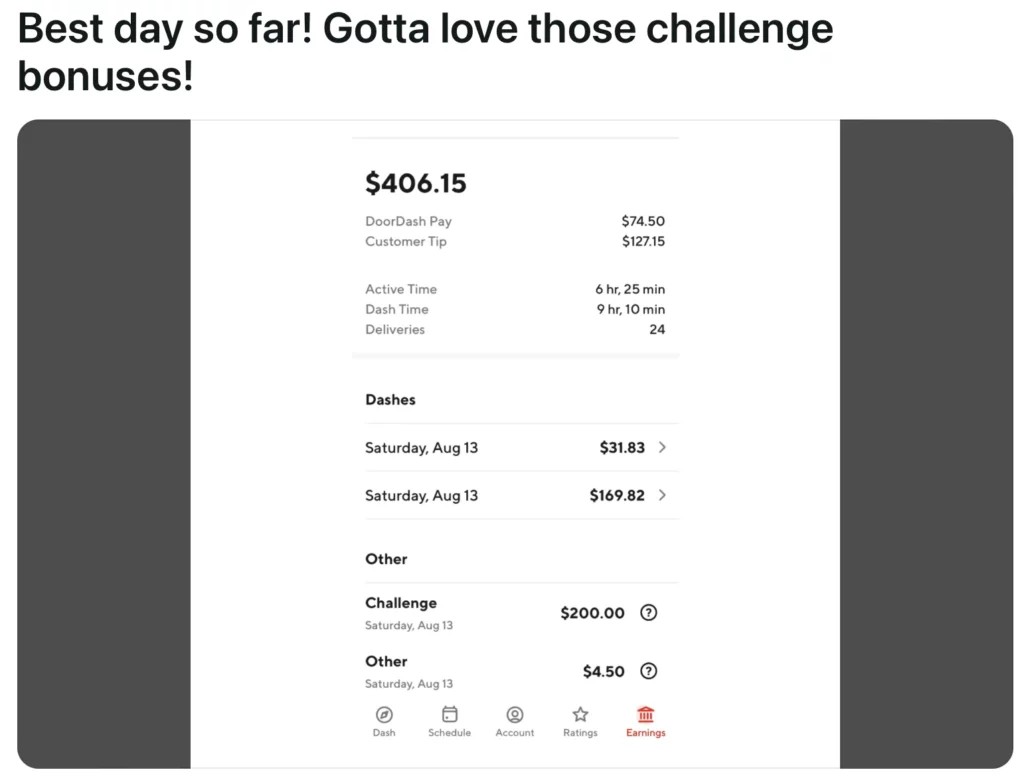
You don’t have to troubleshoot every issue alone. Driver-focused forums, local social groups, and in-app help centers are great places to compare notes about hot zones, restaurant quirks, or unexpected policy changes. Many experienced drivers share scheduling tips, common pickup challenges, and neighborhood-specific shortcuts. If you encounter an unusual problem—like a payment discrepancy or a missing item—use the platform’s official help channel first so there’s a documented record. Practical example: search a local driver group for “downtown lunch rush” to learn which streets to avoid and where to park during peak times.
7. Answers to the Questions Beginners Ask Most
New drivers frequently ask about basic operations: how to pause or end a shift, how scheduling works, and what happens if an order is wrong. Most apps let you pause or stop getting orders with a tap; to reserve a time slot, use the scheduling feature if one is offered. If an item is missing or incorrect, report it through the order details in the app so support can process refunds or replacements. If you want to move between platforms, sign up with multiple services but plan hours so you don’t double‑book. Example: to avoid interruptions, mute nonessential app notifications while navigating and check messages at safe stops.
8. Making Dashing Sustainable: Balance, Records and Next Steps
Treat early shifts as a learning period—track earnings and expenses, note which neighborhoods or times work best, and set modest weekly goals. Keep a simple log of miles, parking fees, and phone/data costs to understand profitability. Build routines that protect work‑life balance: limit consecutive hours, schedule rest breaks, and pick shifts that fit around other commitments. If you enjoy the work, consider branching into multiple delivery platforms, or stretch into peak blocks where demand tends to concentrate. Example: at month’s end, review your logs and adjust your schedule for the coming weeks so you spend more time where earnings meet your needs.
Getting started with food delivery is straightforward when you prepare documents, kit, and a few reliable habits. Start small, learn local patterns, and use community resources to speed your learning curve. With sensible practices and a bit of planning, dashing can slot neatly into your routine.