Is DoorDash Worth Your Time? A Practical Guide to Weekly Earnings and Smarter Dashing
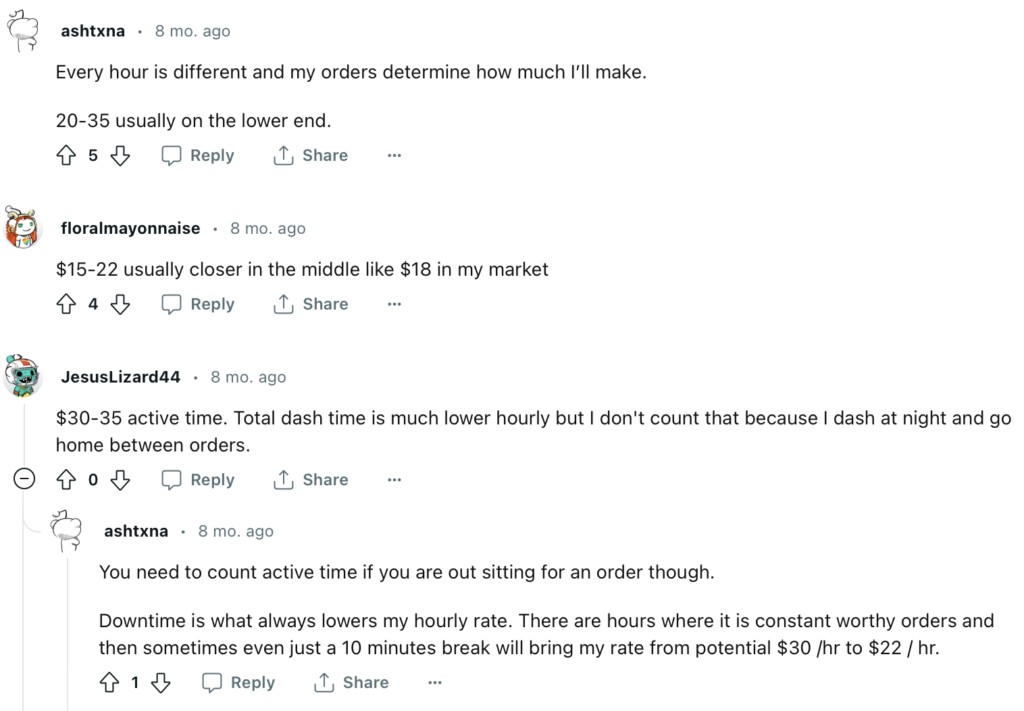
Want to turn spare hours into dependable pocket money — or more? Food delivery platforms can be flexible and rewarding, but pay varies widely by strategy and circumstance. This article walks through how Dash pay works, what changes your results, practical ways to improve earnings, other gig options to weigh, and common new-driver questions so you can decide if this side hustle fits your goals.
1. How DoorDash Pay Is Put Together
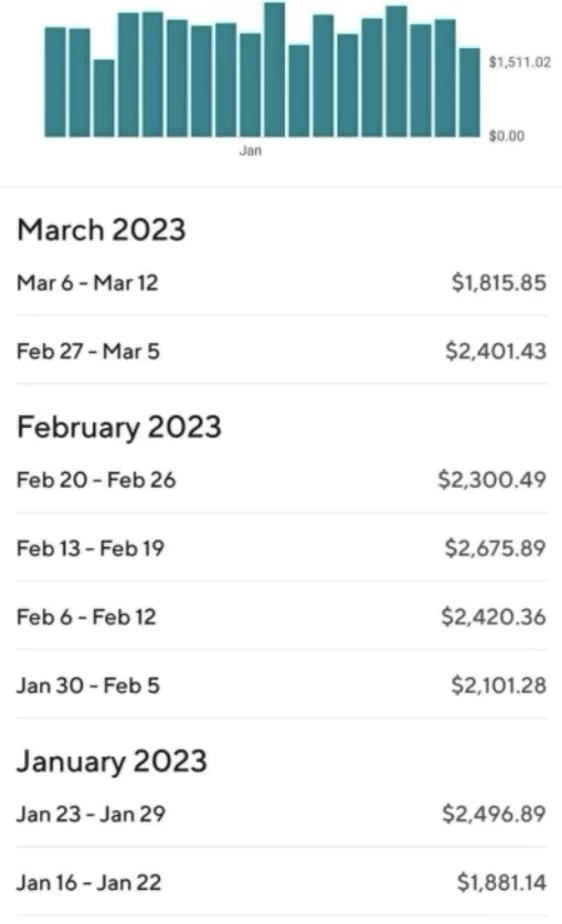
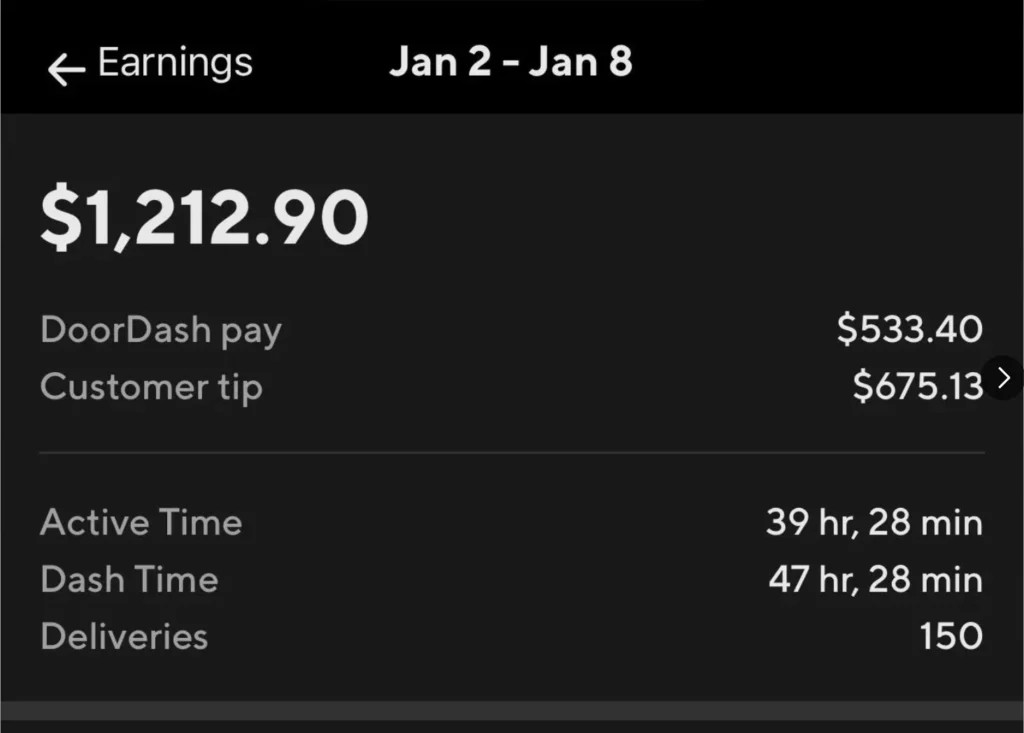
Driver pay on DoorDash is made up of several moving parts: a base amount tied to each order, occasional app promotions, and customer tips. In some places you can opt for pay that rewards your time rather than individual orders; in others, bonuses appear for busy windows or completing a set of deliveries. Payout cadence is regular, and there are options to access earnings faster for a small fee or through a special pay card once you meet initial activity requirements. Practical example: when accepting an order, mentally add base pay, any visible promotions and the displayed tip to decide whether the time and travel required are worth it.
2. Local and Personal Factors That Shape Take-Home Pay
Earnings are rarely uniform because local demand, time of day, and your personal setup all matter. Urban cores with dense restaurant clusters generate shorter trips and frequent orders, while sprawling suburbs may mean longer drives between deliveries. Your vehicle or mode of travel affects speed, parking and maintenance costs; a bike can avoid parking hassles but limits range. Experience and pattern recognition — knowing which restaurants are fast or which neighborhoods tip well — also changes outcomes. Practical example: position yourself near a cluster of high-volume eateries before mealtime and stay flexible to move quickly when orders pop up.
3. Everyday Habits That Improve Your Earnings
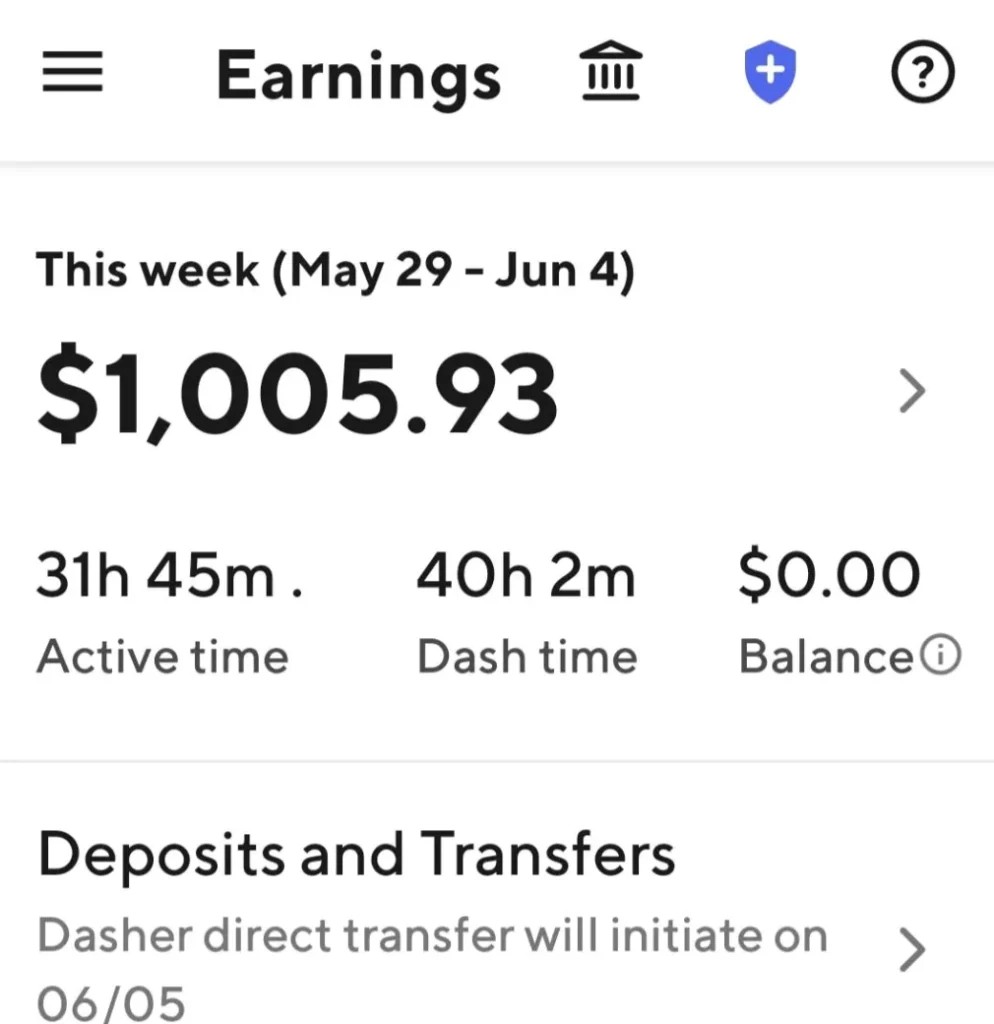
Small changes add up: schedule shifts during peak meal windows, choose orders that minimize dead mileage, and prioritize stacked orders only when they fit your route efficiently. Use routing apps to avoid traffic and keep insulated bags to protect food and boost customer satisfaction. Multi-apping — using more than one delivery platform — can fill slow patches, and declining low-value assignments preserves time for better ones. Practical example: if an order requires a long drive for little pay, decline it and wait a few minutes near a busy strip for a higher-value cluster of deliveries.
4. What a Typical Week of Dashing Might Look Like
A week on DoorDash can take many shapes: some people do a few concentrated shifts over weekends to top up income, while others fill weekdays with meal-period runs. The balance of hours, the market you operate in, and your order selection strategy determine whether dashing is a modest supplement or something closer to full-time work. Expect variability: some weeks will be busier with promotions or holidays, others slower. Practical example: start with a trial week that focuses on lunch and dinner windows in your neighborhood, track time and expenses, and compare that to how much you need or want to earn before committing more hours.
5. Other Gig Choices to Consider (and Mix In)
DoorDash is one option among many for gig work. Competing food-delivery platforms, grocery shoppers and rideshare services offer similar flexibility but different order types, customer expectations and distance profiles. Outside delivery, consider pet care, freelance work, tutoring or other app-based tasks that match your skills and schedule. Practical example: try short stints on two or three platforms during a slow afternoon to see which produces the best blend of order frequency and earnings after expenses, then concentrate on the ones that fit your goals.
6. Common Questions New Dashers Ask (Straight Answers)
New drivers often want simple guidance: how to get started, what equipment is required, and what costs to expect. Generally you need to meet age and vehicle rules, pass a background check, and have a smartphone with a reliable data plan. Upfront costs include fuel, vehicle upkeep and basic delivery gear; taxes are the driver’s responsibility. Fast access to earnings is usually available for a small fee or through a pay card after initial activity. Practical example: before signing up, run a quick budget estimating fuel and phone expenses to see how many hours you’d need to cover those costs.
7. Deciding If Dashing Fits Your Life
Choosing to deliver for DoorDash comes down to personal priorities: flexibility, how you value your time, and whether you’re willing to manage variable income and expenses. The job can be a low-barrier way to earn on your schedule, but it requires discipline to pick good orders and watch vehicle costs. Practical next steps are simple: test the platform for a short period, track net earnings after expenses, and compare that against other opportunities. Practical example: run a two-week trial, note busy windows for your market, and use that data to decide whether to scale up, diversify platforms or move on to a different side gig.
DoorDash can be a flexible income source if you approach it like a small, mobile business: understand pay structure, control costs, use proven timing and order-selection habits, and compare alternatives. Try a short, tracked experiment in your market and make a decision based on your actual net results.