Time Your Shifts: A Practical Guide to When to DoorDash for Better Pay and Less Stress
If you drive for DoorDash—or you’re thinking of trying it—when you log on matters. This guide turns the patterns and tips that experienced drivers share into a clear, sensible plan you can test in your neighborhood. Read on for practical examples and simple tactics to help you work smarter, not longer.
1. How weekday and weekend rhythms shape demand
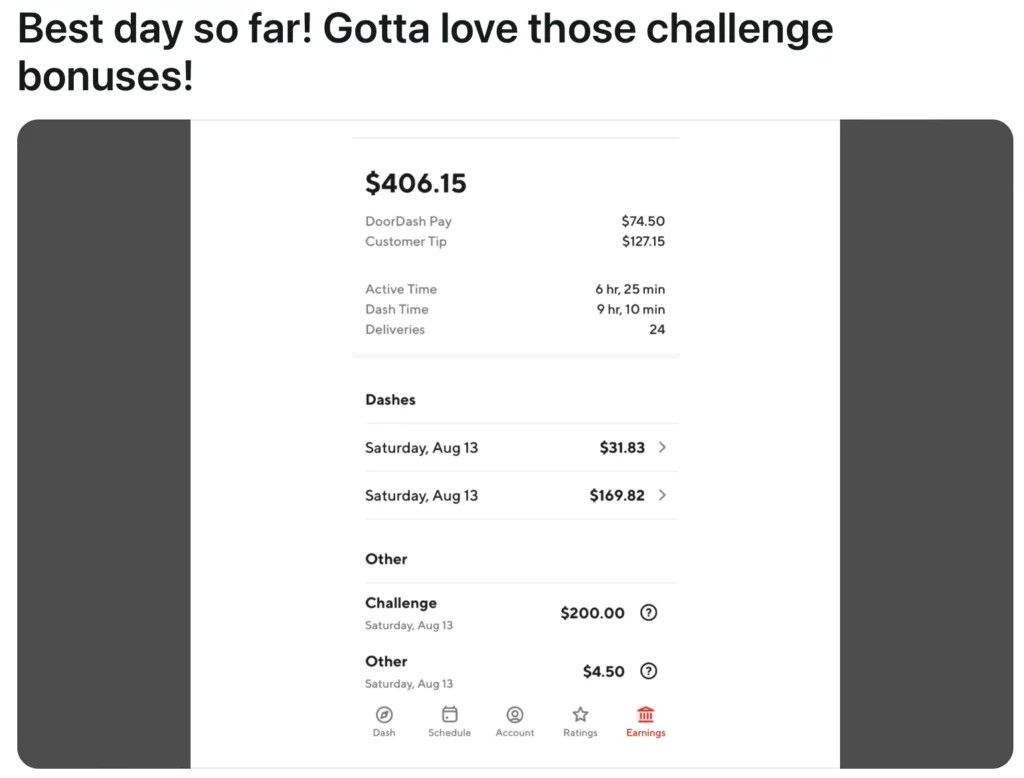
Delivery demand follows predictable rhythms: people order when they’re pressed for time or celebrating. On weekdays, activity tends to cluster around traditional meal moments—commutes, office lunches and evening dinners—so positioning yourself near business districts, college campuses or dense residential blocks usually pays off. Weekends shift toward later starts and leisurely meals: brunch spots, family-friendly restaurants and entertainment districts see more orders. Practical example: if you live near a university, park near a cluster of cafes for midday pick-ups on school days; if you’re in a suburban area, aim for late-morning and early-afternoon shifts on weekends when brunches and family orders lift volume.
2. What mornings look like and how to approach them
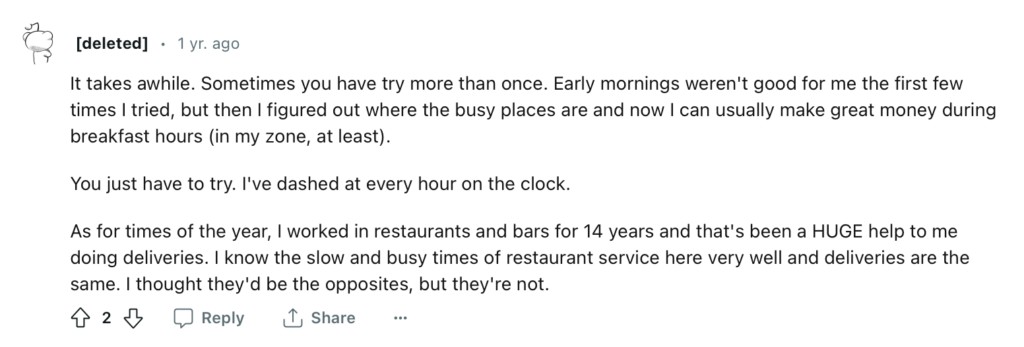
Morning demand varies widely by neighborhood. In commercial centers and near campuses, coffee, breakfast sandwiches and quick prepared meals generate steady early orders; in quieter residential zones, mornings can be slow. Test shorter morning shifts to see if they pay—many drivers find early starts work well when restaurants are open and few competitors are on the road. Practical example: try a couple of two-hour morning shifts near office clusters or transit hubs, carrying a hot bag and pre-mapping the fastest parking spots at popular breakfast spots to reduce wait times and improve throughput.
3. Which days tend to be boom times and which to avoid
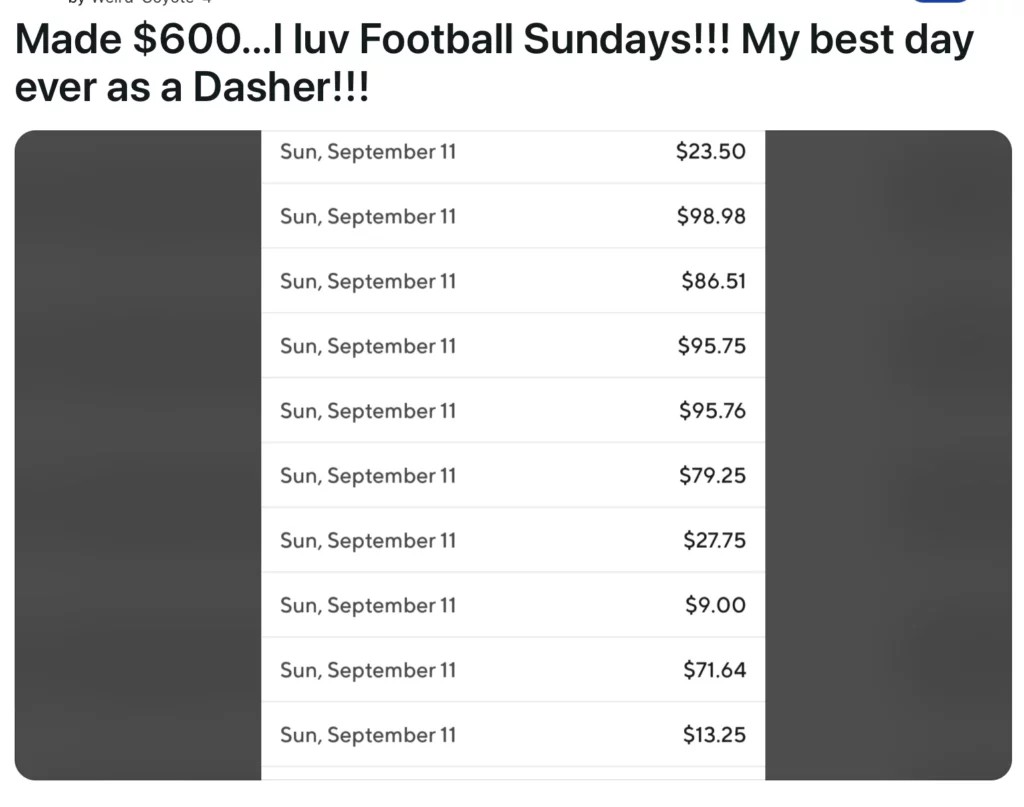
Patterns across many markets favor weekends for higher order volume, while some early-week days are quieter. Special occasions and local happenings can flip that script, making a typically slow weekday into a busy shift. Use a mix of observation and short experiments—work one Friday through Sunday and compare earnings, then sample a Monday and Tuesday midday—to identify your sweet spots. Practical example: plan for longer shifts on event weekends or holidays where people order in, and use quieter weekdays for short, efficient blocks near consistent lunch hotspots or to take a break from driving.
4. External forces that change demand fast
Several outside factors can make a normally quiet hour suddenly busy. Weather often nudges people to order in when conditions are uncomfortable; local promotions, restaurant discounts or a major TV event can spike requests; and seasonal shifts alter habits, with colder months sometimes seeing more at-home orders. Location specifics matter: stadiums, concert venues and college campuses create predictable surges. Practical example: watch the app and local event calendars—if rain, a big game, or a popular restaurant special is announced, move toward the nearest cluster of eateries rather than cruising wide territory to catch the short, concentrated surge.
5. Why picking the right hours pays off
Choosing when to work affects how efficiently you earn: busy periods mean more orders per hour, shorter waits at restaurants, and better chances of higher tips and surge bonuses. That efficiency reduces wasted time and fuel per delivery. Instead of trying to be constantly available, aim for windows where orders stack up; you can complete multiple deliveries quickly and increase your effective hourly rate. Practical example: if dinner shifts in your area reliably have several nearby restaurants accepting orders, a three-hour evening block can produce more completed deliveries than a five-hour stretch during an afternoon lull.
6. What drivers learn from each other—and what to test yourself
Forums and driver chats are full of useful patterns: some drivers swear by weekend evenings, others carve out profitable early-morning niches. The key takeaway is that experiences are local and evolving—advice can point you where to try, but the best confirmation comes from your own small experiments. Practical example: if peers in online groups report a surge near a new sports venue, give it a one- or two-shift test rather than assuming it’s a permanent change. Keep notes on order frequency, wait times and net pay so you can compare and adapt.
7. Concrete habits that raise your take-home pay
A few disciplined practices make a big difference: stage yourself in compact restaurant clusters to reduce dead miles; prioritize orders where the pay justifies distance and time; use insulated bags to protect food (and ratings); and present yourself professionally at drop-off. Multi-appbing can help fill downtime, but it’s most effective once you know which hours are liveliest. Practical example: set a personal rule to decline offers that would take you on a long drive for low pay, and instead wait for nearby orders during peak windows—over several shifts this can noticeably improve earnings per hour.
8. A simple experiment plan to find your best schedule
Rather than guessing, run a brief, structured test: pick a week, try short shifts at different meal periods and track completed orders, wait times and net pay. Compare weekend patterns against weekdays, and re-run the test after a weather event or big local gathering. Keep the changes incremental—shift one variable at a time—so you can reliably see what moved the needle. Practical example: log three metrics—hours worked, deliveries completed and net pay—for each shift in a simple spreadsheet. After a few weeks you’ll see which windows reliably outperform and can plan your regular schedule.
9. Short answers to the most common questions drivers ask
Drivers often wonder about mornings, alternate apps and how much they can earn. Mornings can be strong in dense commercial or campus areas but quiet elsewhere—test short AM blocks to find out. Other delivery platforms exist and combining apps can smooth slow spells, but juggling multiple apps takes practice. Earnings depend on orders, tips, distance and timing, so tracking metrics is essential. Practical example: start with a few shifts on one platform while recording results; once you know your busy windows, add a second app selectively to pick higher-paying orders without spreading yourself too thin.
Timing is a testable tool: experiment with short, focused shifts during likely peak windows, watch how weather and events shift demand, and refine your routine based on simple tracking. With a few practical habits and data from your own market, you can spend less time guessing and more time earning.