How to Play Spades Online for Real Money: Safe Platforms, Smart Strategy, and Practical Tips

Spades is a classic trick-taking card game that translates well to phones and browsers, offering social play and the chance to win modest cash prizes. This guide walks you through what online spades looks like, why some apps pay players, where to find reputable venues, and how to sharpen your play so you enjoy the game and protect your bankroll. Each section is practical and example-driven so you can start playing thoughtfully and responsibly.
1. What Online Spades Really Is — A Quick Primer
At its core, spades is a trick-taking card game played with a standard 52-card deck; players usually receive a hand of cards and compete to win tricks. Online versions preserve those mechanics but add formats such as partnered play, solo leaderboards, time-limited rounds, and practice modes. For example, a beginner might try a four-player partner match to learn cooperative bidding, then switch to solo practice where the app deals identical hands to every player so you can compare decisions. Whether you prefer casual rounds with friends or competitive one-on-one matches, digital spades adapts to different styles and experience levels without changing the basic goal: take the tricks you bid.
2. How Money Flows Through Spades Platforms
Apps and sites that offer paid spades games usually monetize in a few familiar ways: entry fees for cash contests, optional in-app purchases or subscriptions, and advertising or sponsorships. Prize pools are typically funded by player entry fees minus a platform commission, and some services mix free-to-play reward paths alongside paid tournaments. As a practical example, many players start in free competitions to build confidence, then enter low-stakes paid matchups once they understand the platform’s rules and fee structure. Always read a platform’s terms so you know how fees, payouts and dispute resolution work before depositing funds.
3. Picking the Right Place to Play: Site Types and Red Flags
Not all sites and apps are the same: some focus on casual rewards and sweepstakes, others on skill-based head-to-head contests, and a few combine social features with paid tournaments. When choosing where to play, look for clear payout policies, transparent fees, easy-to-find customer support, and trustworthy payment methods. As a practical step, compare two options: a rewards site that trades points for gift cards versus a competitive platform that requires a deposit but offers ranked matches. Test both in free or practice modes, check community reviews, and avoid any service that hides withdrawal limits or has confusing rules for disputes.
4. Competitive Platforms: What to Expect from Skill-Based Hubs

Skill-focused platforms match players by experience and offer both practice and paid competitions. Expect features such as ranked leaderboards, tutorial modes, solo challenges that mirror tournament conditions, and head-to-head or bracket-style contests. For example, a player might use a platform’s tutorial and free practice lobby to learn timing and bidding, then enter a small ranked match against similarly rated opponents. These sites often try to make contests fair by pairing players with comparable records, and they may offer different game modes like partner versus solo play. Treat the paid environment like any other competitive space: warm up, understand match entry rules, and only risk amounts you’re comfortable losing.
5. Rewards and Sweepstake Sites: Earn Small Wins Without Heavy Risk
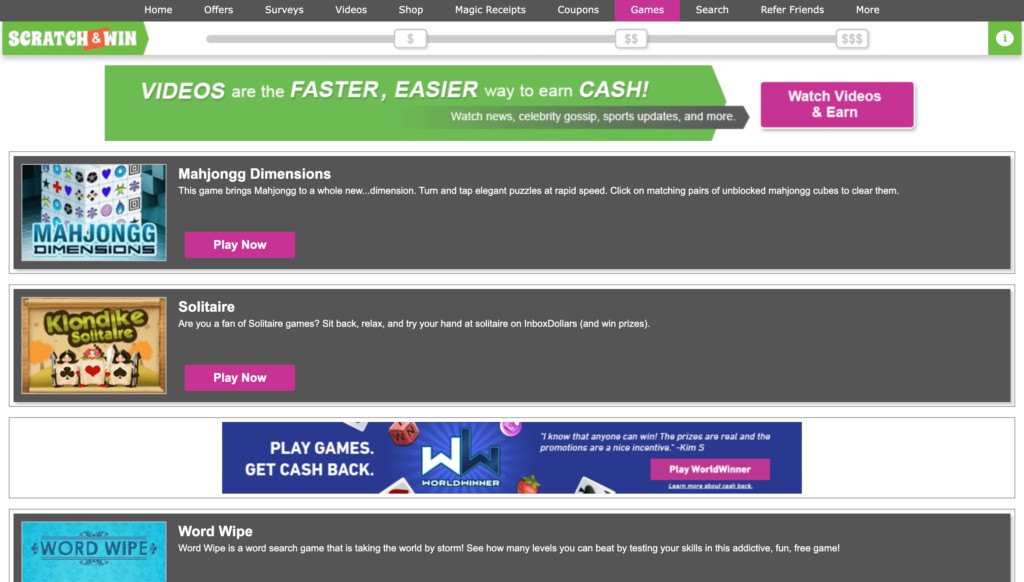
Some websites reward gameplay with points, gift cards, or small cash payouts instead of direct head-to-head prize pools. These services typically let you earn by playing many short sessions, completing offers, or combining play with surveys and tasks. A practical approach is to sign up, use any available welcome bonuses, and focus on games that give the best return for the time you spend. For example, play quick rounds during breaks to accumulate points, convert them to a preferred payout method, and track which activities deliver the most reliable value. These sites can be a lower-risk way to enjoy spades while earning modest rewards.
6. Why People Play Spades Online Beyond the Money
Earning a little extra cash is appealing, but many players stick with online spades for social connection, mental challenge, and routine. The game fosters quick decision-making, partnership coordination in partnered modes, and friendly competition through leaderboards or weekly events. For instance, groups of friends might schedule a weekly virtual game night to keep relationships active while tracking wins and learning new bidding approaches together. Others use timed solo sessions to sharpen focus between errands. Treat monetary prizes as a bonus: the real value for many players is community, entertainment, and steady improvement in strategic thinking.
7. Practical Strategy Tips That Translate Online

Good online spades play blends fundamentals with platform-specific tactics. Start by practicing basic bidding judgment: evaluate suit strength and count likely tricks before committing. Watch opponents for patterns—do they lead a specific suit when void, or do they overbid often? Use free matches to practice counting cards and to time your plays under a clock. If partnering, agree on simple, legal signals and complementary bidding approaches before a match. Also manage your budget in paid play: set a session limit, reserve winnings for future entries, and avoid chasing losses. For example, spend 20–30 minutes warming up in practice rounds before entering a paid contest.
8. Common Questions Answered Quickly
Players often ask whether you can genuinely win money, if spades is skill or luck, and how to protect yourself. Yes—many platforms enable cash prizes, but outcomes combine chance with skill; improving technique and decision-making increases your long-run success. Before depositing, verify a site’s withdrawal rules, dispute processes, and age or regional restrictions. A sensible routine is to test payout methods with a small cashout request and read community feedback about support responsiveness. Treat winnings as supplemental—not a guaranteed income—and play on sites that publish clear terms so you can enjoy the game without unexpected surprises.
Online spades blends familiar cardroom dynamics with modern convenience: choose a reputable venue, use free modes to build skill, apply practical bidding and observation techniques, and treat paid play as entertainment with a potential for modest rewards. Play responsibly, learn from each session, and enjoy the social side of the game.