Play Smarter: How to Enjoy Word Games That Also Pay
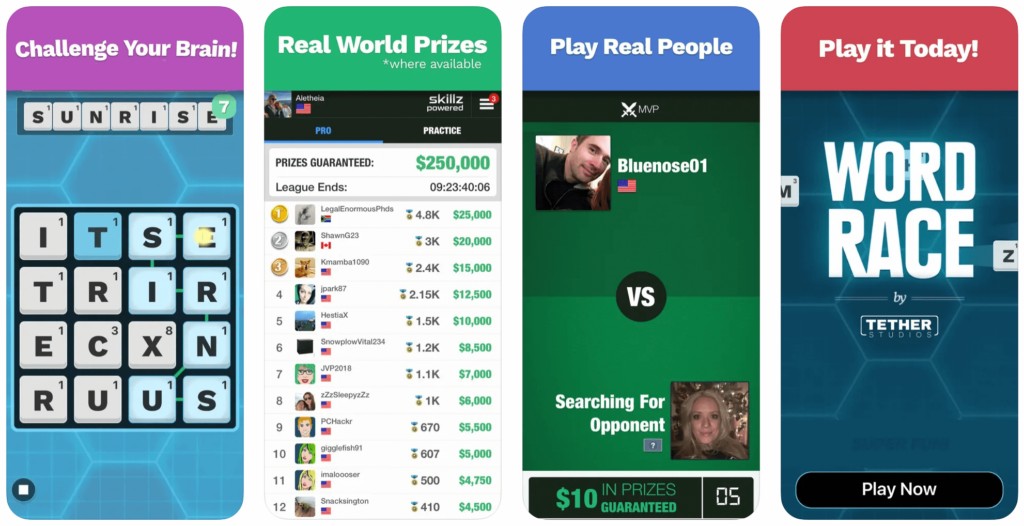
If you love wordplay, there are legitimate ways to turn a hobby into a bit of extra cash while sharpening your skills. This article breaks down the different game styles, where to find paid play, how platforms compensate players, and practical tactics you can use to boost both enjoyment and earnings. Read on for clear, realistic steps to fit play into short pockets of free time and make the most of competitive or reward-based word games.
1. How Paid Word Play Actually Works
Companies keep players engaged by offering rewards, and they monetize through ads, optional in-app purchases, and entry fees for competitive matches. In cash-based matchups players often contribute to a pooled prize: the winner takes the pooled amount minus the platform’s fee. Many sites also offer free play with virtual currency or tickets that can be redeemed for small prizes or used to enter more games. Practical approach: start with free or low-stakes matches to learn payout mechanics, track wins and losses in a simple spreadsheet, and only enter higher-stakes contests after you’ve developed a consistent win rate.
2. Which Word-Game Styles Pay (and Which Fit Your Routine)
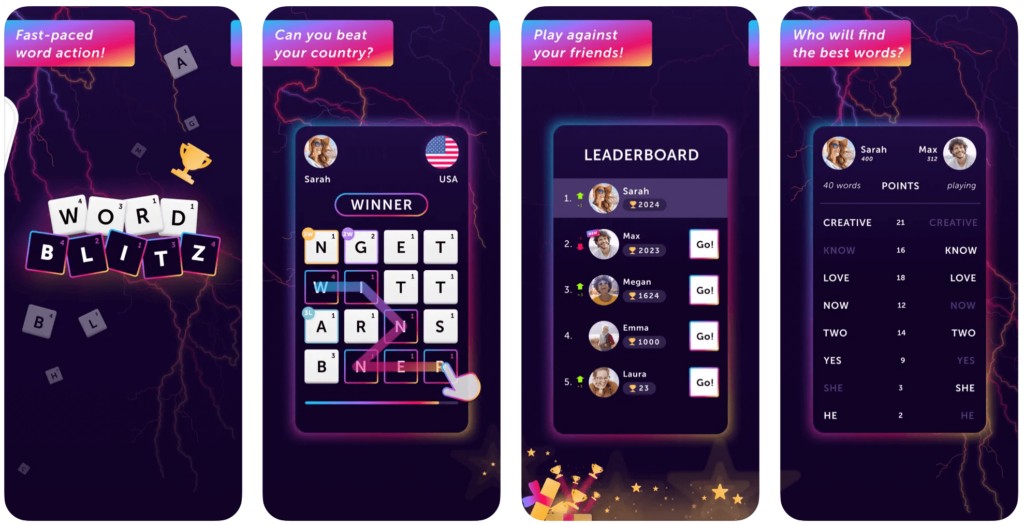
Paid word play comes in many forms: turn-based board-style games that mirror Scrabble, timed anagram or word-wheel puzzles, daily crosswords with leaderboards, picture-clue quick rounds, and story-driven puzzle games that reward progress. Each format suits different pockets of time—quick anagram rounds for a five-minute commute, a daily crossword at breakfast, and longer head-to-head matches for an evening session. Try several formats to discover what fits your attention span and strengths: if you excel at pattern recognition, anagram wheels may reward speed; if strategy is your strength, tile-placement games will be a better match.
3. Competing on Matchmaking Networks: How they Help (and What to Watch For)
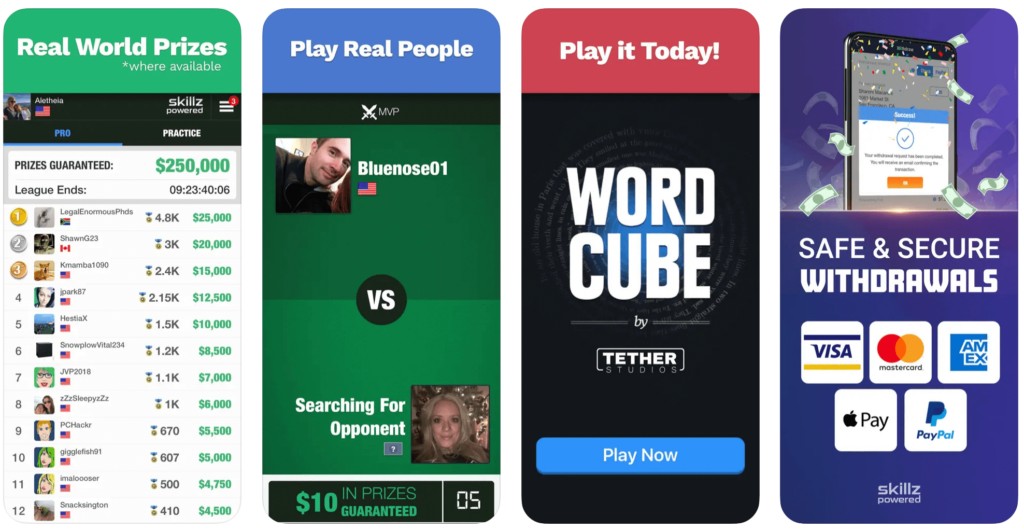
Some gaming networks match players by skill level and offer both free and cash modes. Free play typically grants virtual coins or tickets; cash play requires a deposit and often offers one-on-one matches or pooled tournaments. These platforms help keep games fair by pairing similarly skilled opponents, but they also collect a fee on cash entries. Practical tips: use the free tiers to learn interface quirks, scout tournaments to understand entry structures, practice forming long or high-value words under time pressure, and avoid chasing losses by setting deposit limits and playtime boundaries.
4. Where to Find Reliable Word Games That Offer Rewards
You’ll find reward-bearing word games across dedicated gaming networks, rewards platforms, and mainstream app stores. Look for apps that clearly state how rewards are earned and paid out, read recent user reviews about cashouts, and confirm accepted payout methods such as PayPal or gift cards. Practical steps: search app stores for “word puzzle” plus terms like “tournaments” or “rewards,” compare a few platforms by checking withdrawal minimums and verification requirements, and try small test wins to confirm a platform’s reliability before committing time or money.
5. Rewards Sites with Word Games: How to Make Them Work for You
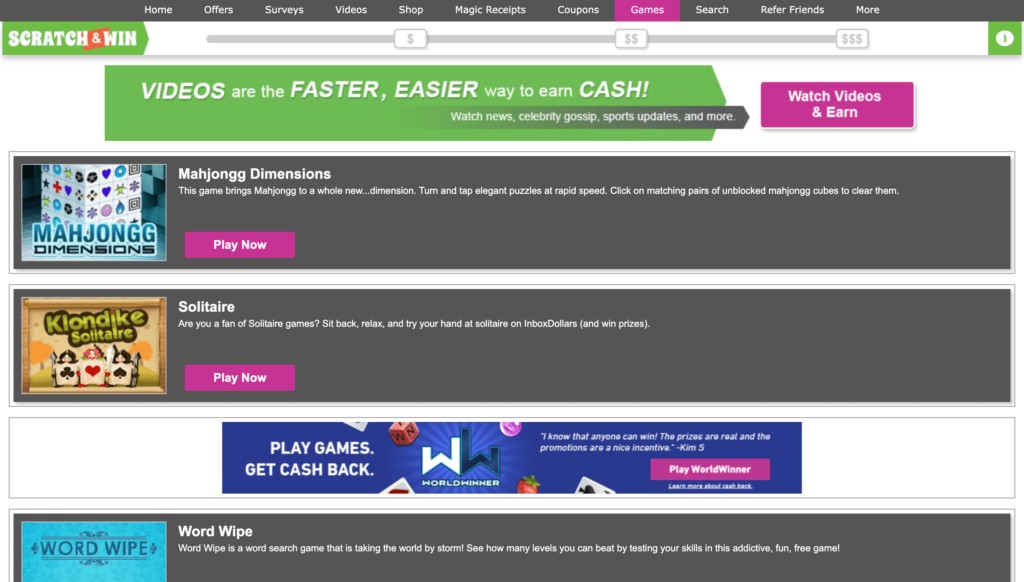
Some reward sites offer word games alongside surveys and video tasks, bundling gameplay into a broader rewards ecosystem. These platforms may use progress bars, scratch-card mechanics, or cashback-style incentives to convert gameplay into redeemable rewards. To benefit: complete any onboarding tasks to unlock full access, use daily bonuses or progress meters to amplify returns, and schedule short, consistent play sessions to build momentum. Practical example: play a daily word puzzle to fill a progress meter toward a scratch card or small payout, and combine that with other low-effort rewards on the same site to increase overall value.
6. Offer Hubs and Point Exchanges: Turning Play into Spendable Value
Some platforms award points for games that can be exchanged for cash or gift cards. Offer sections may include picture-clue rounds, timed five-letter challenges, and daily puzzles that reward consistent play. To make points work: monitor the points-to-cash conversion so you know how much time yields meaningful rewards, focus on offers that are achievable within your schedule, and use point bonuses strategically—for example, when a limited-time promotion decreases the time needed to reach a cashout threshold. Playing with friends or setting shared milestones can keep motivation high while you accrue redeemable rewards.
7. Realistic Expectations and Practical Ways to Improve
Paid word games are best viewed as a pastime that can earn pocket money and build language skills rather than a path to steady income. To get the most out of play: practice under time limits to improve speed, build vocabulary by learning common prefixes and two-letter words, and study each game’s scoring rules to exploit high-value moves. Practical routine: spend ten minutes a day on a timed puzzle, review recurring word patterns weekly, set small payout goals, and cash out regularly so rewards don’t get stalled on a platform.
If you enjoy wordplay, a little strategy and platform savvy can turn short play sessions into enjoyable rewards. Start small, prioritize platforms with clear payout policies, and treat practice as both entertainment and skill building. With steady, mindful play you’ll sharpen your word skills and may earn a bit of extra pocket money along the way.