How to Play Card Games That Pay: A Practical Guide to Earning Rewards While You Play
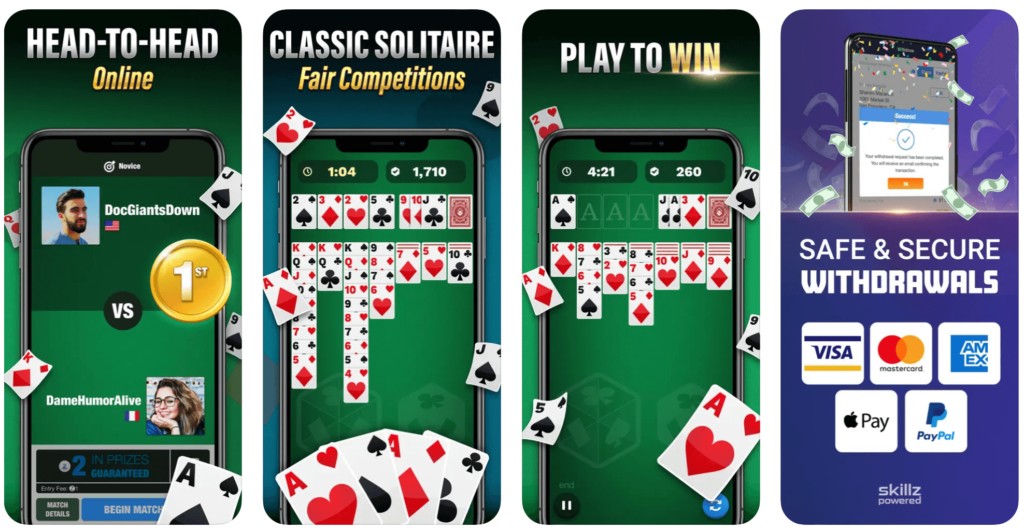
If you enjoy shuffling a deck or tapping through a solitaire hand on your phone, some apps let you turn that pastime into small, consistent rewards. This guide walks you through which platforms to try, how payouts typically work, and how to play smarter so your leisure time can return a little value. Read on for clear steps, useful examples, and safety-minded habits to make the most of card-game apps without losing the fun.
1. Choose Your Playground: Types of apps where card games pay
Not all apps that let you play card games are built the same way. Some are tournament-based platforms where players pay an entry fee to compete for a prize pool; others reward activity with points that convert to gift cards or cash; a third group shares ad revenue or hands out scratch-card style bonuses as you play. Example: if you prefer short competitive bursts, seek apps that host timed matches and leaderboards; if you want low-pressure rewards, look for platforms that give points for daily play and milestones. Before you commit, scan payout methods and minimum redemption rules so the app fits your goals and schedule.
2. How card-game apps actually pay players (and where the money comes from)
Understanding revenue flow helps you set expectations. Developers monetize through in-app purchases, ads, sponsor deals, and entry fees for paid contests. Some platforms split prize pools between winners and the company; others convert play time into points funded by advertisers. Practical example: a free-to-play app might offer bonus spins or daily rewards funded by ads — those boosts add up if you play consistently. If you join entry-fee contests, treat them like low-stakes competitions: factor in the fee, your win rate, and practice time. Knowing these mechanics makes it easier to choose games that align with whether you want entertainment, social competition, or small cash back.
3. Getting started with reward platforms that aggregate games (Mistplay-style apps)
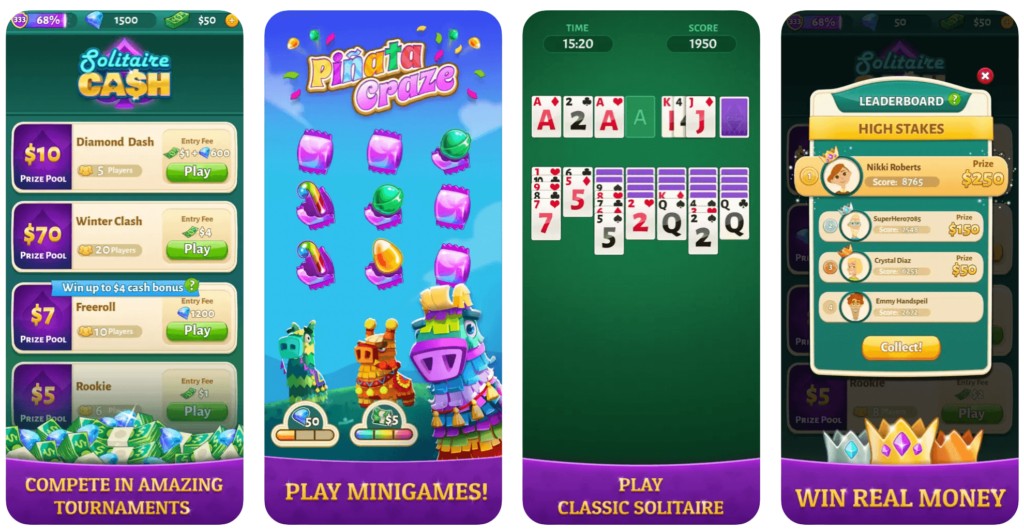
Some apps act as hubs, offering a variety of casual card games and rewarding play with points you exchange for gift cards or other perks. A good starting strategy: try multiple titles within the hub to see which ones award points more quickly and offer enjoyable gameplay. For instance, play a classic solitaire title in short daily sessions to meet check-in bonuses, then switch to a timed puzzle deck during evenings to stack points. Look for apps with clear tracking of minutes played and bonus objectives — meeting daily challenges often accelerates earnings more than random play.
4. Use promotional mechanics to your advantage (Swagbucks-style opportunities)

Promotional platforms pair themed card games with site-wide rewards that you can redeem for cash or gift cards. They often run limited-time events that reward completing specific in-game milestones. Practical tactics include focusing on the event’s stated goals rather than casual play — for example, work to clear a particular level or complete a series of hands that trigger the bonus. Combine game earnings with other tasks on the same platform, such as surveys or searches, to meet redemption thresholds faster. Keep an eye on expiration dates for promotional bonuses so you don’t leave value unused.
5. Stack rewards with offer-based platforms (Inbox-style card game offers)
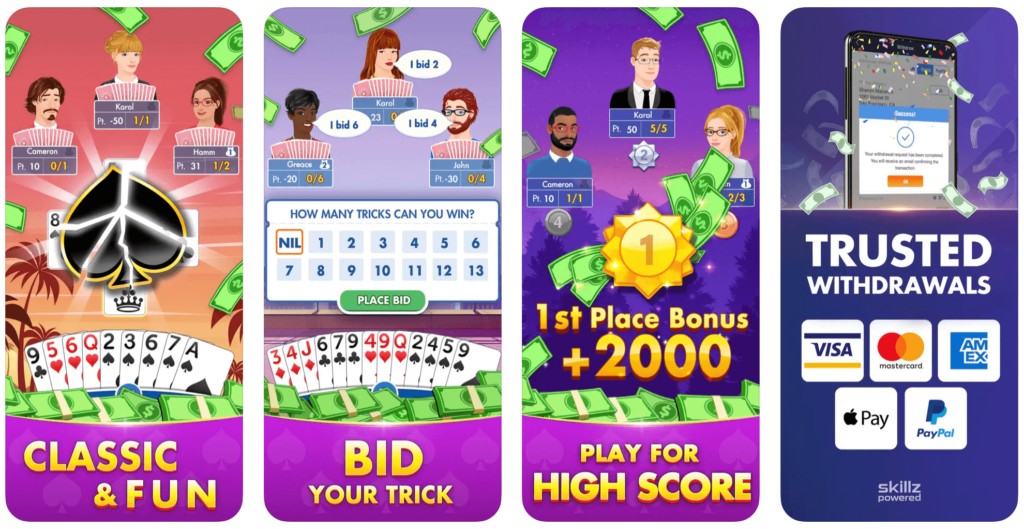
Offer-driven sites present card games as part of a broader catalog of ways to earn — think levels, scratch-card progress, and milestone payouts. A sensible approach is to map which solitaire or rummy titles award the most progress toward a tangible reward and then prioritize those runs during peak free time. For example, play short rounds that advance a scratch-card meter or reach incremental level goals that unlock small cashbacks. If an app provides multiple redemption options like gift cards or electronic transfer, choose the one that stretches your earnings best. Keep careful records of progress toward each reward so you can optimize where you spend your playing time.
6. Play smart and stay safe: realistic expectations and healthy habits
Treat paid card games as entertainment that can occasionally return value, not as a primary income source. Set a time and money budget—decide how many paid matches you’ll enter each week and cap entry fees to what feels like a small leisure expense. Use reputable apps with clear payout rules and readable reviews; avoid platforms that pressure immediate deposits or obscure withdrawal procedures. Practical habits: practice in free mode before joining paid contests, record wins and fees to see if you’re net-positive, and prioritize apps that let you cash out in reliable methods like gift cards or electronic transfer.
Card games on mobile and web platforms can add a little extra value to downtime if you pick the right apps, understand how payouts work, and play within sensible limits. Start with free modes and small commitments, focus on apps that match your play style, and treat earnings as a pleasant bonus rather than a goal. With steady, mindful play you can enjoy the competition and collect modest rewards without sacrificing the fun.