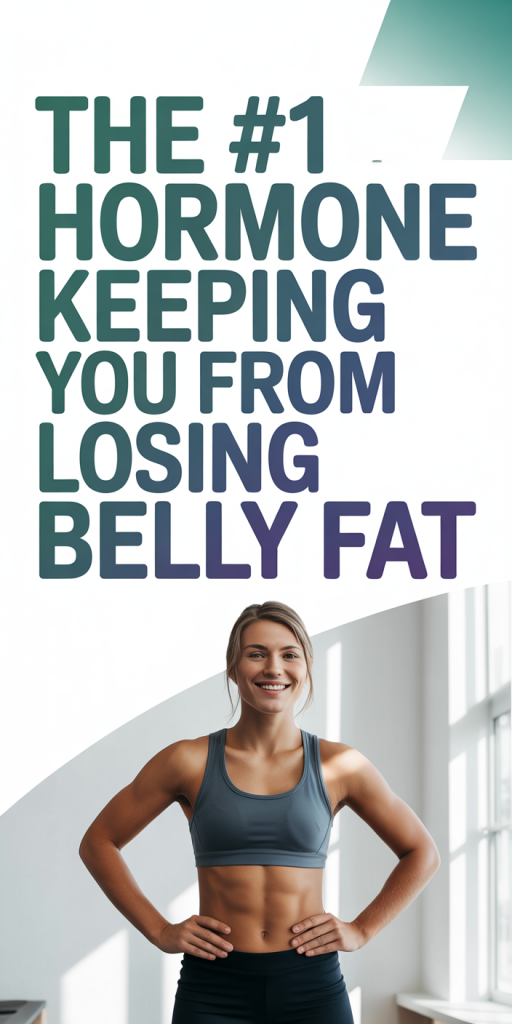
The #1 Hormone Keeping You From Losing Belly Fat
Let me guess—you’re eating clean, working out, maybe even cutting calories… and yet that stubborn belly fat just won’t budge.
It’s frustrating. And for a lot of people, it starts to feel personal.
But here’s the truth most diet plans never tell you:
fat loss—especially belly fat—isn’t just about calories. It’s about hormones.
And there’s one hormone that quietly sabotages more progress than anything else.
It’s called cortisol.
Once you understand how it works, everything starts to make sense—and more importantly, you can finally stop fighting your body and start working with it.
What Cortisol Really Is
Cortisol is often labeled the “stress hormone,” but that’s only part of the story.
It’s produced by your adrenal glands and plays a key role in survival. When your body senses danger—real or perceived—cortisol rises to help you respond.
In the short term, that’s a good thing.
Cortisol:
- Gives you quick energy
- Raises blood sugar
- Sharpens focus
This is your built-in “fight or flight” system doing its job.
The problem?
Your body doesn’t know the difference between a real threat… and a stressful email at 10 p.m.
Modern life keeps that stress response turned on all day long.
Poor sleep.
Work pressure.
Overtraining.
Undereating.
Skipping meals.
All of it signals your body: something’s wrong.
And when cortisol stays elevated for too long, it starts working against you—especially when it comes to belly fat.
How Cortisol Blocks Fat Loss
When cortisol stays high day after day, it creates the perfect environment for fat storage—particularly around your midsection.
Here’s what’s happening behind the scenes:
1. It Signals Fat Storage
Your body shifts into survival mode.
It assumes food might become scarce, so it stores energy—mainly as belly fat. Think of it as your body building a backup fuel tank.
2. It Breaks Down Muscle
High cortisol breaks down muscle tissue to create quick energy.
Less muscle means a slower metabolism, which means you burn fewer calories even at rest.
3. It Raises Blood Sugar and Insulin
Cortisol increases blood sugar levels.
That triggers insulin—and when insulin is high, your body can’t burn fat efficiently. Fat gets “locked” inside your cells.
4. It Disrupts Other Hormones
Cortisol doesn’t act alone.
It throws off:
- Thyroid hormones, slowing your metabolism
- Estrogen balance, increasing fat storage in the belly and hips
So if you’ve been doing everything “right” and still can’t lose belly fat, cortisol might be the missing piece.
How to Lower Cortisol Naturally
Here’s the good news: you don’t need extreme diets or expensive supplements to fix this.
You need better daily habits.
1. Prioritize Real Sleep
If you’re sleeping less than 7 hours, your cortisol is likely elevated around the clock.
Focus on:
- Going to bed and waking up at the same time
- Keeping your room cool and dark
- Avoiding screens 60 minutes before bed
Sleep isn’t just rest—it’s when your hormones reset.
2. Balance Your Blood Sugar
Blood sugar spikes and crashes are stressful for your body—and they drive cortisol higher.
Simple fixes:
- Eat protein and healthy fats with every meal
- Avoid skipping meals or fasting too aggressively
- Cut back on refined carbs and sugar
Stable blood sugar = lower stress on your system.
3. Manage Daily Stress (Even the Small Stuff)
You can’t eliminate stress—but you can change how your body responds to it.
Start small:
- Take a 5–10 minute walk after meals
- Practice deep breathing
- Get morning sunlight
Even something as simple as saying “no” more often can make a difference. Chronic overwhelm equals chronic cortisol.
4. Rethink Your Workouts
More isn’t always better.
If you’re doing intense cardio every day, you might be keeping cortisol elevated.
Instead:
- Mix in resistance training
- Walk more
- Take 1–2 rest days per week
Consistency beats intensity when it comes to fat loss.
5. Support Your Adrenal System
A few small habits can go a long way:
- Start your day with protein (not just coffee)
- Stay hydrated—dehydration is a stress signal
- Consider magnesium or adaptogens like ashwagandha (with your doctor’s guidance)
These aren’t magic pills—but they help your body stay balanced.
It’s Not Just Cortisol
Cortisol is the main driver behind stubborn belly fat—but it doesn’t work alone.
When cortisol is high:
- Thyroid function slows down → metabolism drops
- Estrogen balance shifts → fat storage increases
That’s why when you lower cortisol, things start to click.
Energy improves.
Cravings go down.
Fat loss finally starts moving again.
Final Thoughts: This Isn’t About Willpower
If there’s one thing to take away, it’s this:
Your belly fat is not a failure of discipline.
It’s a signal from your body.
Your body isn’t broken—it’s trying to protect you.
When you lower stress, balance your hormones, and support your system the right way… fat loss becomes a lot easier.
You don’t need to starve yourself.
You don’t need to double your workouts.
You just need to stop fighting your body—and start working with it.
If this helped you connect the dots, you’re already ahead of most people.
And if you want a simple, step-by-step plan to rebalance your hormones and finally lose stubborn belly fat, start building these habits today.
Because once cortisol is under control, everything else gets easier.