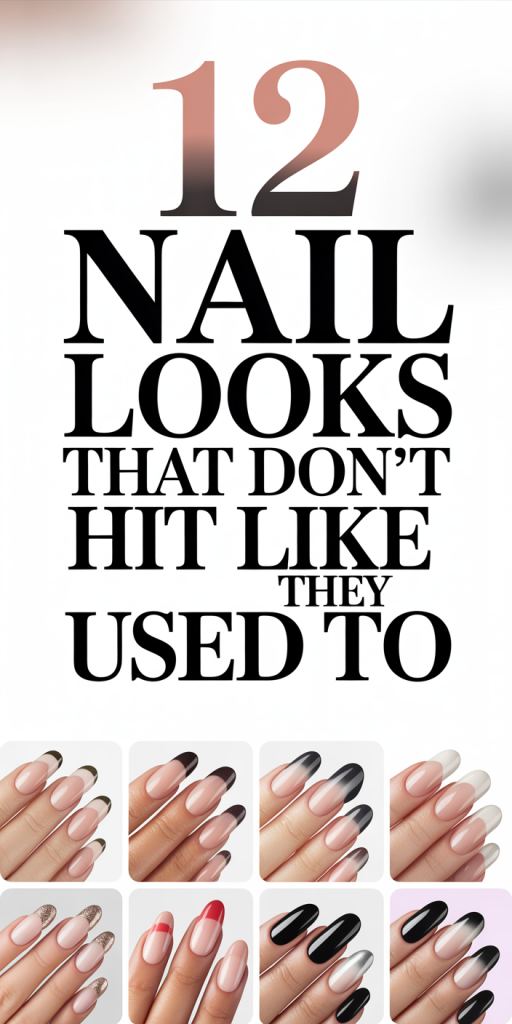
12 Nail Looks That Don’t Hit Like They Used To — What To Stop Wearing In 2026 (And Smarter Alternatives)
Trends come and go faster than a seasonal polish drop. As we move through 2026, some nail looks that once felt fashion-forward now read dated, impractical, or simply overdone. We’re not here to shame anyone’s past manicure choices, been there with chrome tips and bedazzled accents, but to help you make smarter, more modern decisions about what we put on our nails. In this guide we’ll identify 12 nail styles that have lost their luster, explain why they feel tired, and offer practical alternatives that keep your hands elevated without sacrificing personality. Whether you’re a salon regular, a DIY weekend artist, or a nail professional looking to stay current, this is the checklist we wish we’d had before booking our last acrylic refill.
Why Nail Trends Lose Their Luster (And How To Tell When One’s Over)
Trends age for a few predictable reasons: oversaturation, impracticality, cultural shifts, and the arrival of new aesthetics. When every influencer, salon, and fast-fashion brand is pushing the same look, it stops feeling special and starts feeling like background noise. We can usually tell a trend’s over when three things happen: it becomes ubiquitous across every price point, it outlives its functional logic, and reactions shift from excitement to eye rolls or memes.
Take chrome finishes a few years back: initially exciting because of their futuristic sheen, they became tired once every nail tech offered them in every color. Practicality matters too. Ultra-long stilettos created Instagram drama but proved impractical for day-to-day living. Cultural context plays a role, aesthetics that aligned with Y2K nostalgia will naturally wane as attention moves toward cleaner, sustainability-oriented looks.
To know when to stop wearing a look, ask ourselves: does it still feel intentional or is it a reflex? Is maintenance reasonable for our lifestyle? And does it represent our current taste, not just a repeat of someone else’s viral moment? If the answer skews negative, it’s time to refresh the manicure book.
Overly Long Stiletto And Razor Tips
Overly long stilettos and razor tips dominated several seasons because they signal confidence and edge. They photograph well and they make a statement, until they don’t. In 2026, we’re pushing back against lengths that impede daily life. Many of us work with our hands, care for kids, cook, type, or exercise: excessively long or dangerously tapered nails create real friction with practical tasks and can cause breakage, injury, or chronic annoyance.
Beyond function, the aesthetic has shifted. The fast-fashion cycle turned extreme tips into a cliché: they’re predictable on red carpets and stair-step posts. Salon returns on maintenance have also dropped: frequent fills, structural upkeep, and tip replacements burn time and money. For those who want drama without the drawbacks, we recommend medium almond or tapered square shapes. Shorter stiletto-adjacent silhouettes preserve the elongating effect while remaining durable and wearable.
If you crave pointiness, ask for a “soft stiletto” or “almond with a subtle point.” Pair it with a neutral, slightly glossy finish to modernize the look: it reads polished rather than performative. We’ve found that small compromises in height keep the attitude but gain everyday functionality.
Chunky Acrylics, Platform Nails, And Coffin Extremes
Chunky acrylics, platform nails, and coffin extremes were once a rebellious answer to delicate, minimalist manicures. But their bulky silhouettes and exaggerated lengths now feel heavy-handed. The visual language that once represented avant-garde glamour now often translates to dated excess. People are craving elegance that reads effortless, not theatrical.
Technically, thick acrylics can damage natural nails by adding weight and trapping moisture, which increases the risk of lifting and fungal issues. Platform nails, think layered, blocky overlays, make the nail bed look disproportionate and are tough to maintain. Coffin extremes, when over-extended, can blunt the hand’s natural proportions and limit functionality.
A smarter alternative: thin, sculpted acrylics or gel overlays that follow the natural curve of the nail. We suggest moving toward softer silhouettes like tapered almond or modified coffin with shorter length and thinner walls. If you want structure without the bulk, ask your tech to sculpt with builder gel for a lighter, more flexible result. The outcome is cleaner, healthier, and more in tune with the contemporary lean toward polished restraint.
Overdone Ombré, Chrome, And Jelly Finishes
Ombré, chrome, and jelly finishes each had their moment, and they still work when done with restraint. The problem arises when a finish is applied like a default effect across every appointment. Overdone ombré loses depth and becomes lazy gradient: chrome becomes greasy and shows every fingerprint: jelly finishes can look juvenile if applied without thoughtful color choices.
A finish should enhance the manicure’s concept, not mask it. Ombré is best reserved for intentional color stories, soft nude-to-rosé blends or tonal blues that complement an outfit or season. Chrome is now a highlight technique: subtle chrome tips or negative-space accents feel contemporary versus full-plate mirrored nails. Jelly finishes can be updated by choosing muted or dusty jelly shades, or by layering them over a neutral base so the translucence reads sophisticated rather than toy-like.
Technically, we also recommend moderation because these effects can conceal issues (like poor apex work) or demand frequent touchups. A hybrid approach, a soft ombré with a chrome micro-foil accent, or a translucent jelly over a neutral base, gives the best of both worlds: visual interest with modern restraint.
Over-Embellished 3D Nails
Three-dimensional nail art once pushed boundaries and showcased technical skill. But the pendulum swung hard: 3D embellishments became crammed, mismatched, and oftentimes impractical. What started as elevated art can feel clumsy when every nail is topped with extraneous objects that catch, snag, or fall off after a day.
We still appreciate nail techs who can sculpt micro-flowers or create dimensional accents, the craft is impressive. The issue is scale and frequency: piling multiple 3D elements on every nail turns the hand into a tactile obstacle course. Practical considerations matter: gloves, clothing, phone screens, and even hair can be affected. Plus, heavy embellishments increase stress on the nail plate, leading to premature lifting.
A better approach is selective placement. Reserve 3D pieces for one or two accent nails per hand, and keep them low-profile and securely encapsulated. We also favor sculpted, minimal forms over dangling charms. This way, 3D becomes an intentional focal point rather than a default decoration strategy.
Butterflies, Floral Charms, And Mini Sculptures
Butterfly motifs, floral charms, and miniature sculptures dominated social feeds because they photograph well and tap nostalgia. Lately, but, these tiny sculptures often look like costume jewelry glued onto the nail rather than integrated design components. The visual shorthand is collectible and cute, but it can age the manicure quickly, they’re seasonal and tied to a specific era of nail content creation.
We suggest opting for micro-sculptures that read stylistically consistent with the rest of the manicure: scale them down, keep them flush with the nail surface, and choose a cohesive color story. Sculpted details in muted tones or the same base shade are less distracting and will outlive the novelty cycle. Another smart move is to transition sculptural details into negative-space or line work versions of the motif. For instance, instead of butterfly charms on every nail, get a delicate butterfly outline tucked near the cuticle.
That keeps the craftsmanship visible without turning the nail into a tiny shelf for collectibles. In short: less is more, and integration beats ornamentation.
Giant Rhinestones, Metallic Charms, And Excessive Bling
Full disclosure: we love sparkle. But giant rhinestones and excessive metallic charms often cross the line from glamorous to gimmicky. Heavier bling creates practical headaches, they catch on fabrics, pop off during everyday tasks, and can damage the nail when removed. Visually, overuse of oversized gems flattens nuance: everything reads as shouty rather than chic.
The current smarter aesthetic favors fine jewelry parallels: subtle, high-quality accents placed intentionally. Think single stones near the cuticle, micro-bling along a French line, or a matte base punctuated by one well-set gem. Another alternative is to mimic the look of rhinestones with metallic foil or chrome micro-accents that won’t snag or weigh down the nail.
If you’re craving maximal sparkle for a special event, book a dedicated look for the occasion and request secure encapsulation. For everyday wear, scale down the size and frequency of gems. We find this approach preserves the luxe feeling without the constant fear of losing your favorite bling.
Cartoon Wraps, Novelty Stickers, And Tiny Logo Mania
Cartoon wraps, novelty stickers, and tiny logo mania were a playful detour in nail fashion. They captured a moment where personalization and brand identification ruled. But what was quirky has become visually noisy, especially when logos or character faces dominate every finger. These looks often read youthful or promotional rather than chic and can date quickly as pop culture cycles shift.
Beyond aesthetics, wraps and stickers can trap moisture or lift if not applied perfectly, leading to short-lived results. They also limit versatility, a manicure with a branded logo might not suit professional settings or formal events. Instead, we recommend using novelty elements sparingly: one accent nail with a sticker sealed under a glossy topcoat, or custom hand-painted motifs that echo the sticker’s vibe but look more artisanal.
We’ve found that shifting from disposable wraps to hand-painted miniatures or subtle decals that blend with the color story extends the life of the design and keeps nails feeling curated rather than like promotional merch. It’s a small change that dramatically upgrades intent.
Matte-Only Finishes, Dull Monochrome, And Flat Textures
Matte finishes and flat textures had a strong moment when rebellion against high-shine polish was stylish. Now, a matte-only approach or dull monochrome across every finger often reads one-note. Texture still matters, but we prefer mixes that create dimension and interplay rather than visual flatness.
Flat matte can be unforgiving: it shows chips and scuffs quickly, and it can make colors look less vibrant. Pairing matte with glossy accents revitalizes the finish: try matte bases with glossy French tips, or a glossy stripe over a matte field. Monochrome looks can feel modern if there’s tonal variation, gradients, micro-glitter sheens, or subtle metallic veins add visual interest without compromising the restrained aesthetic.
From a practical standpoint, topcoat engineering has improved: hybrid topcoats that switch between glossy and satin finishes give us the best of both worlds. We recommend asking your tech to experiment with texture contrast on two or three nails to keep the manicure dynamic and resilient.
Conclusion
Trends aren’t inherently bad, they’re signals that tell us what’s resonating culturally. But as we move through 2026, our approach should be smarter: prioritize wearability, longevity, and personal expression over trend reflex. When a look feels ubiquitous, impractical, or visually noisy, it’s worth swapping for a refined alternative that still satisfies our style goals.
We encourage experimentation with restraint: choose one bold element per manicure, favor shapes and finishes that work with your life, and communicate with your nail artist about intention and maintenance. The best nails in 2026 will be those that look effortless up close and intentional from a distance. Let’s keep our hands feeling modern, functional, and unmistakably ours.