Warm Modern Home Ideas for Spaces That Work Hard and Feel Easy

A memorable home does not need a grand footprint or a room full of expensive objects. It needs a few confident decisions: a material that gives the rooms continuity, lighting that changes with the day, and storage that lets everyday life disappear when it needs to. The most useful inspiration often comes from interiors that balance visual character with ordinary comfort.
This guide translates that spirit into approachable ideas for apartments, townhomes, and compact houses. Think of it as a gentle design plan for making circulation smoother, gathering spaces more inviting, and private corners more restful. Each section pairs a practical home takeaway with a small Kitchen Pause recipe, so the work of improving your surroundings can stay connected to the pleasure of living in them.
1. Choose One Material to Carry the Story

A home feels composed when one tactile material appears in several roles rather than being confined to a single feature wall. Wood is especially versatile: it can warm a ceiling, frame a doorway, soften a built-in, or become a quiet backdrop for art. The goal is not to make every surface match. Instead, repeat a related grain, tone, or finish at a few visual checkpoints so the eye can travel naturally from entry to living area.
For a rental, try a timber-toned console, woven baskets, a slatted room divider, and a small tray in a similar shade. In a renovation, consider cabinetry panels or a recessed niche rather than covering an entire room. Keep the surrounding palette restrained—chalky white, charcoal, stone, or muted green will allow the material to feel intentional. Balance hard surfaces with linen, wool, and matte ceramics. This approach also supports calmer housekeeping: a cohesive background makes clutter easier to spot and easier to put away.
Before committing, collect small samples and view them in morning and evening light. Repetition should feel like a thread, not a rule, so leave breathing room between related pieces.
Kitchen Pause — Apple, Walnut, and Oat Snack Cups
- 1 apple, finely diced
- 1/2 cup rolled oats
- 1/3 cup plain yogurt
- 2 tablespoons chopped walnuts
- 1 teaspoon maple syrup
- Pinch of cinnamon
- Stir the diced apple with cinnamon and maple syrup.
- Layer oats, yogurt, apple, and walnuts in two small cups.
- Chill for 15 minutes or serve immediately.
2. Let the Stair Route Become Useful Space
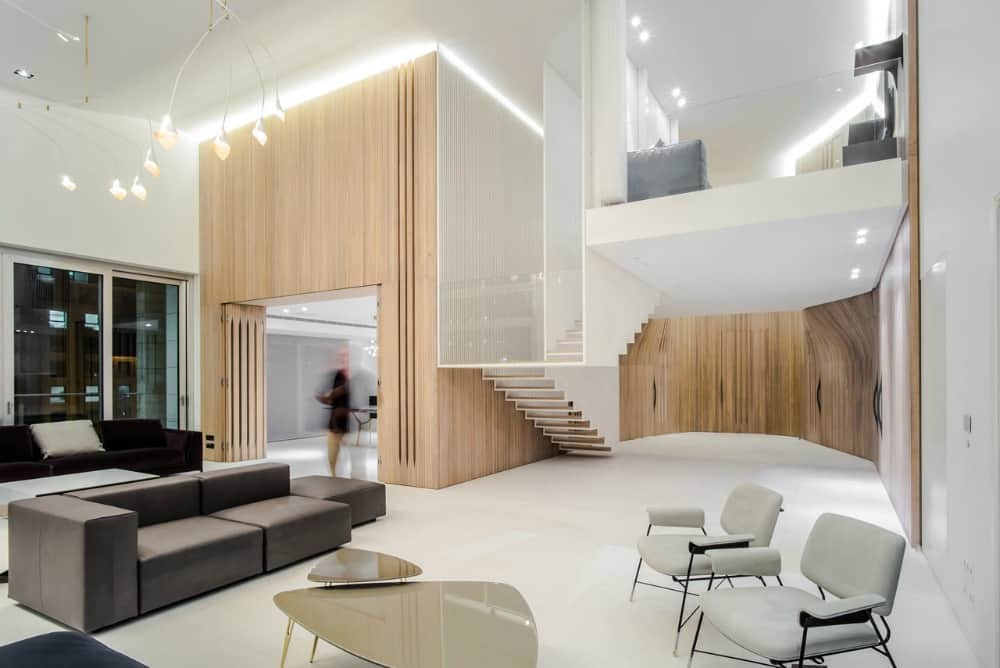
Stairs are often treated as a narrow passage between floors, but they can do more for a household. A visually light stair route can preserve openness, while the space beside or beneath it can become a reading perch, toy zone, desk, or concealed cabinet. Start by observing how your family actually moves: where bags land, where shoes collect, and where someone naturally pauses with a book or cup of tea. Design around those habits instead of forcing a picture-perfect arrangement.
A slim bench with lift-up storage can make an entry landing functional. Under-stair drawers suit shoes and seasonal accessories; open cubbies are better for items used daily. If the stair is near a living room, a small lamp and upholstered cushion can turn an awkward leftover triangle into a welcoming nook. Use consistent hardware and one finish so the storage reads as architecture rather than an afterthought. Safety comes first: keep treads clear, maintain generous lighting, and avoid furniture that narrows the route. The best compact homes convert circulation into support without making movement feel crowded.
Even a narrow landing can benefit from a wall hook, a washable runner, and a dedicated basket for stray objects. Small supports prevent the attractive parts of the route from becoming overloaded.
Kitchen Pause — Lemon Hummus Toasts
- 1 cup prepared hummus
- 1 tablespoon lemon juice
- 1 teaspoon olive oil
- 4 slices whole-grain bread
- 1/2 cucumber, thinly sliced
- Smoked paprika, to finish
- Mix hummus with lemon juice and olive oil.
- Toast the bread until crisp at the edges.
- Spread with hummus, top with cucumber, and dust with paprika.
3. Use Curves to Make Open Rooms Feel Kinder
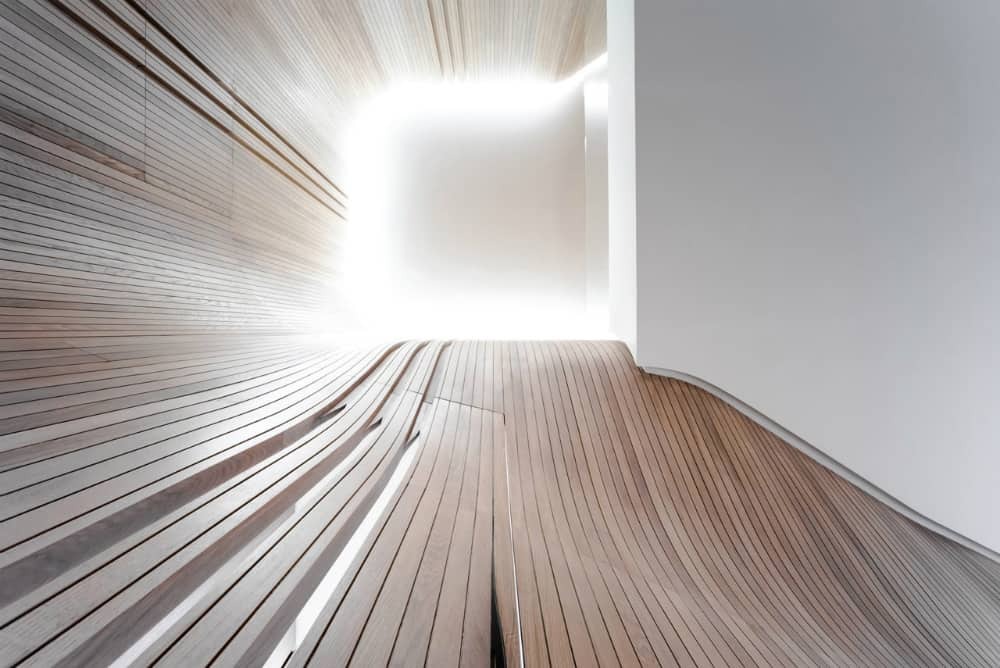
Open-plan rooms can be efficient, yet a landscape of sharp corners sometimes feels more like a showroom than a home. A few rounded forms introduce softness and help people move around furniture with less visual friction. You do not need construction work to try the idea. A circular rug, curved-back chair, oval dining table, arched mirror, or pendant with a domed shade can create a subtle rhythm against straight walls and cabinetry.
Use curves strategically at transition points: the end of a sofa, the edge of a kitchen island, or the approach to a dining area. In small spaces, rounded furniture can also reduce the number of abrupt corners competing for attention. Keep the palette simple and let silhouette provide the interest. If you are adding an architectural arch or curved partition, test the proportion with painter’s tape first; a graceful shape depends on scale and clearance. Pair sculptural pieces with practical fabrics that can handle daily use. The result should feel relaxed, not theatrical—a room that invites conversation, wandering, and lingering.
A curved accessory also gives you an easy seasonal update: swap a round cushion or tray while keeping larger pieces stable. This makes experimentation affordable and keeps the room adaptable.
Kitchen Pause — Cucumber, Feta, and Herb Salad
- 1 large cucumber, sliced into half-moons
- 1/2 cup crumbled feta
- 1/4 cup chopped parsley
- 2 tablespoons mint leaves
- 1 tablespoon olive oil
- 2 teaspoons red-wine vinegar
- Black pepper, to taste
- Combine cucumber, feta, parsley, and mint in a bowl.
- Whisk oil and vinegar together.
- Toss the dressing with the salad and season with pepper.
4. Give Every Zone Its Own Glow
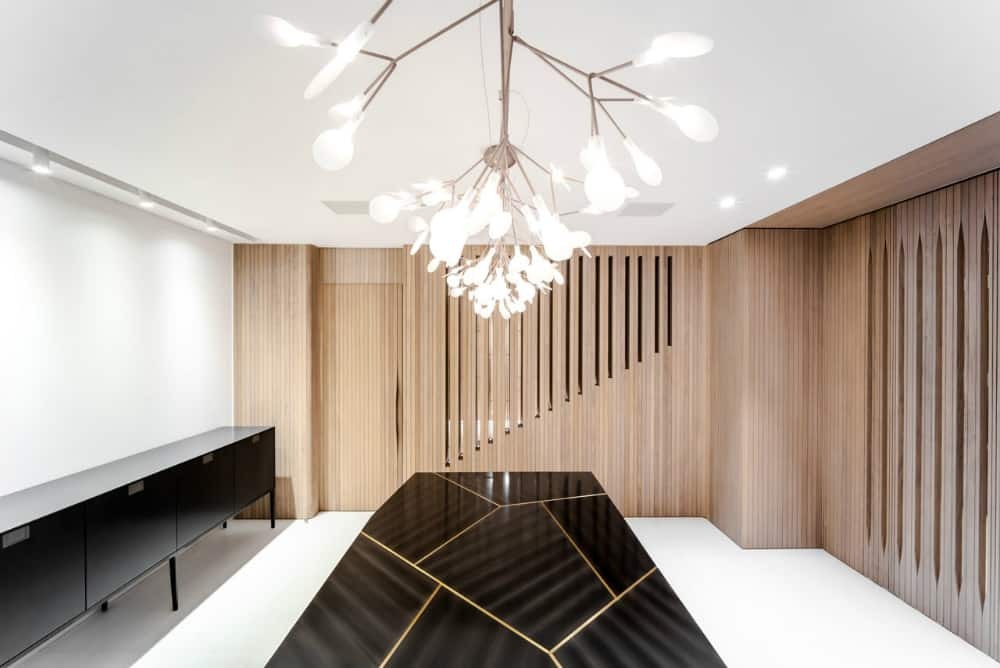
One bright ceiling fixture rarely supports all the ways a home is used. Layered lighting makes a room adaptable: ambient light establishes a comfortable baseline, task light helps with cooking or reading, and accent light gives shelves, art, or textured walls a reason to be noticed after sunset. Think in scenes rather than fixtures. The kitchen may need a clear work light in the morning, while the living room benefits from a lower, warmer glow at night.
Begin with the activities in each zone and place light where eyes and hands need it. Add a plug-in sconce beside a bed, a floor lamp near a chair, or a small directional light aimed at a favorite object. Dimmers are valuable because they let one room serve breakfast, homework, hosting, and winding down. Choose bulbs with a consistent warm color temperature throughout adjoining spaces to prevent the home from feeling visually fragmented. Conceal cords where possible, but do not sacrifice safety for appearance. A thoughtfully lit home often feels more spacious because its attention is distributed instead of concentrated in a single harsh point.
Use separate switches whenever possible, and place controls where they can be reached without crossing the room. That small convenience encourages people to use the lighting plan rather than ignore it.
Kitchen Pause — Warm White Bean and Greens Bowl
- 1 can white beans, rinsed
- 2 cups chopped kale
- 1 tablespoon olive oil
- 1 garlic clove, minced
- 1/2 cup vegetable broth
- 1 tablespoon grated Parmesan
- Lemon wedge, for serving
- Warm oil in a skillet and gently cook the garlic.
- Add beans, kale, and broth; simmer until the greens soften.
- Spoon into bowls, top with Parmesan, and finish with lemon.
5. Build Contrast Without Making the Room Busy
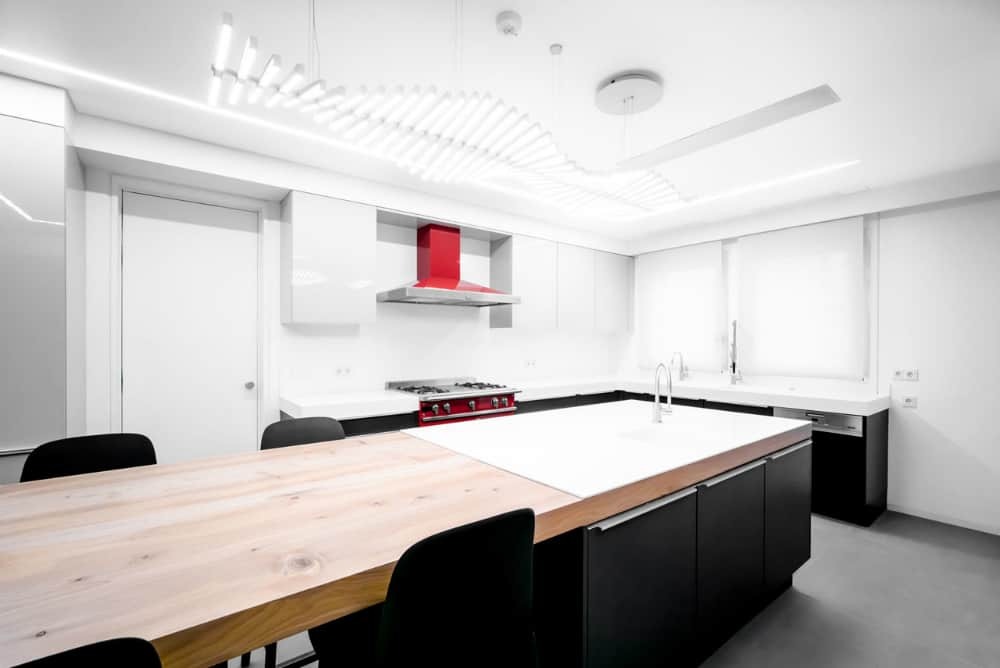
A limited palette becomes livelier when it includes a deliberate contrast. Pale walls beside a dark island, a black chair against light cabinetry, or a deep textile on a quiet bed can provide definition without filling the room with decoration. Contrast is most successful when it is repeated at least twice. A dark faucet might echo a picture frame; a walnut bench might relate to a small lamp base. These connections make bold accents look planned.
Keep the number of high-contrast elements modest, especially in compact rooms. Choose one anchor—perhaps a dining table, range hood, or upholstered headboard—then support it with smaller notes. Matte finishes generally feel calmer than multiple glossy surfaces, while natural textures prevent black and white from becoming stark. In the kitchen, practical contrast can also improve visibility: pale counters show crumbs, while dark hardware makes handles easy to locate. Before buying anything, photograph the room in daylight and at night. The same accent can appear balanced in one light and overpowering in another.
Repeat the accent in a small, inexpensive object before investing in a permanent finish. If the contrast still feels comfortable after a week, it is more likely to earn a lasting place.
Kitchen Pause — Charred Broccoli with Tahini Drizzle
- 3 cups broccoli florets
- 1 tablespoon olive oil
- 2 tablespoons tahini
- 1 tablespoon lemon juice
- 1 tablespoon water
- 1 teaspoon sesame seeds
- Salt, to taste
- Toss broccoli with oil and salt.
- Roast at 425°F until browned and tender, about 18 minutes.
- Thin tahini with lemon juice and water, drizzle over broccoli, and add sesame seeds.
6. Hide the Busy Parts and Protect the Restful Ones
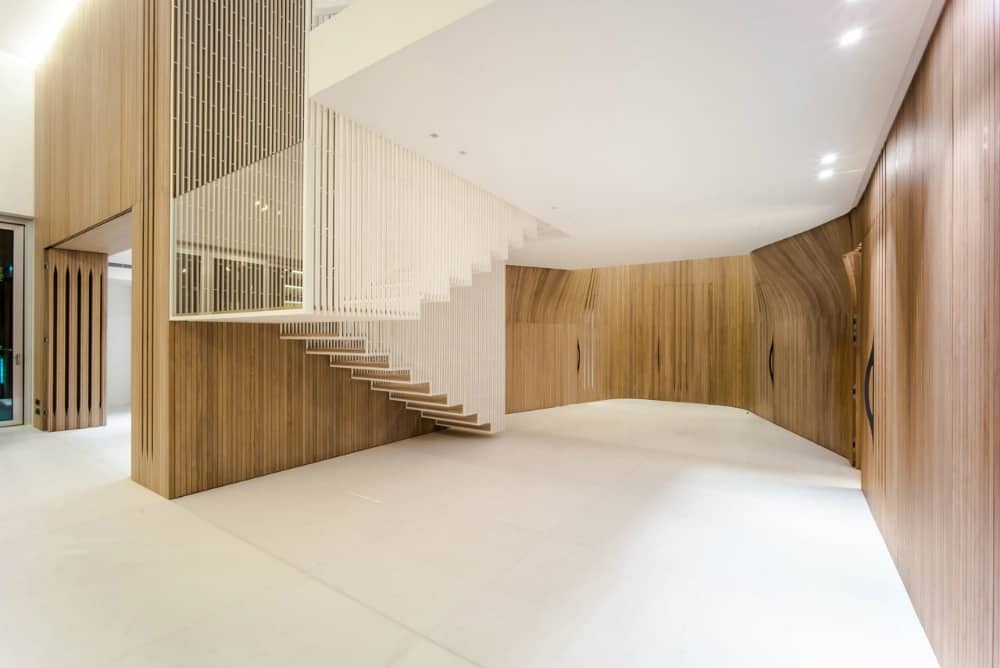
Good storage is less about owning fewer things than about giving recurring things a dependable home. When coats, chargers, toys, and serving pieces have places behind doors or inside drawers, the rooms can support both activity and recovery. Built-ins are one option, but freestanding wardrobes, lidded baskets, storage ottomans, and a shallow cabinet can create the same sense of order without a major project.
Organize by action: keep breakfast supplies near the kitchen’s prep area, blankets beside the sofa, and bedtime essentials within arm’s reach. Label only what helps; a simple visual system is often enough for a busy household. Leave a little empty capacity so the system can absorb real life rather than collapsing after one shopping trip. In bedrooms, prioritize opaque storage and soft materials to reduce visual noise. In media areas, ventilate electronics properly and allow easy access to cables. The final layer is a reset ritual: five minutes before dinner or bedtime can return loose objects to their stations. A home feels more generous when its surfaces are available for living instead of permanently displaying unfinished tasks.
A weekly five-minute edit is enough to remove duplicates and return misplaced items. Storage succeeds when maintenance is light enough that everyone in the household can participate.
Kitchen Pause — Cocoa Date Energy Bites
- 1 cup pitted dates
- 1/2 cup rolled oats
- 2 tablespoons unsweetened cocoa
- 2 tablespoons almond butter
- 1 tablespoon shredded coconut
- Pinch of salt
- Pulse dates, oats, cocoa, almond butter, coconut, and salt in a food processor.
- Add a teaspoon of water if the mixture feels dry.
- Roll into small balls and chill for 20 minutes.
Final Thoughts
The most livable interiors are not defined by a single dramatic gesture. They are shaped by a sequence of considerate choices: a material that links rooms, a stair or corner that earns its footprint, softer silhouettes, flexible light, measured contrast, and storage that supports the household’s real routines. Start with one change that solves a daily annoyance, then let the next decision respond to it.
As the rooms become easier to use, keep the kitchen pause as part of the rhythm. A snack assembled in a calm, well-lit corner can be as meaningful as a major redesign. Design works best when it makes ordinary moments feel more comfortable, more intentional, and more like your own.
