Small-Home Serenity: Six Design Moves for a Lighter, More Nourishing Life
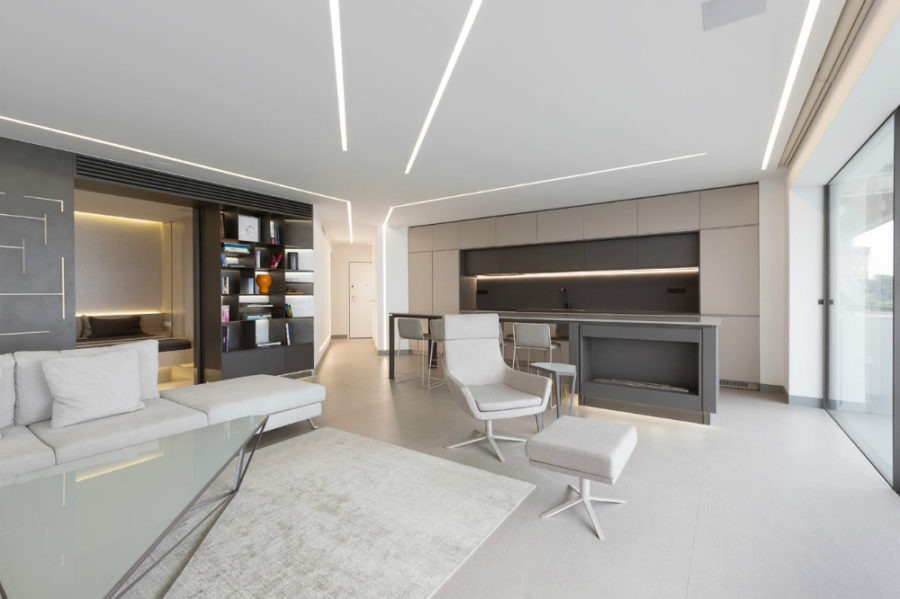
A small home does not have to feel visually busy or emotionally cramped. With a thoughtful plan, angled sightlines, flexible furniture, and a few quiet rituals can make an apartment feel open, restorative, and ready for everyday living. The most successful compact interiors are not empty; they are edited, layered, and generous with the things that matter.
This guide turns that mindset into practical home and lifestyle ideas. You will find ways to separate rest from activity, make storage work harder, use lighting to support your evening routine, and bring a sense of openness to rooms that may face a busy street rather than a sweeping view. Each section closes with a simple Kitchen Pause recipe designed for an unhurried reset.
1. Let the Floor Plan Lead the Mood
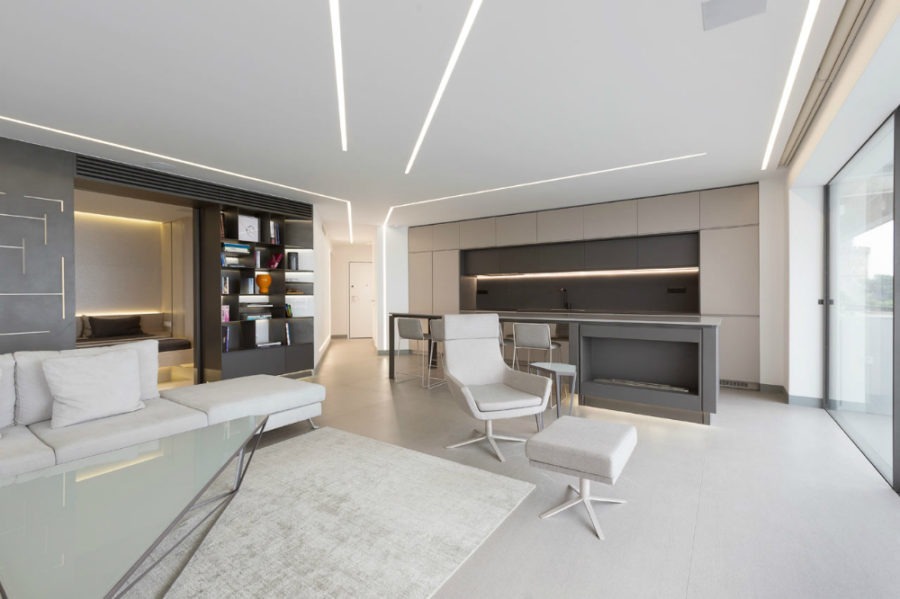
In a compact apartment, the route through the room matters as much as the furniture placed inside it. Instead of pushing every piece against a wall, sketch the paths you use most: entry to kitchen, sofa to balcony, bed to bathroom. Keep those routes clear, then let seating, rugs, or a slim console define the zones. A slightly unexpected orientation can create energy without adding clutter, especially when the main seating faces a window or the brightest wall rather than the television. The aim is not symmetry for its own sake. It is a home that feels intentional as you move through it.
Use painter’s tape to test two or three arrangements before lifting anything heavy. Leave enough clearance to open doors and drawers comfortably, and choose one visual anchor per zone. A round table can soften a narrow passage, while a low bench can provide seating without interrupting sightlines. Once the layout works, resist filling every leftover corner. Negative space gives the eye somewhere to rest and makes daily tasks feel less hurried.
Kitchen Pause: Lemon-Herb White Bean Toast
- 1 cup rinsed cannellini beans
- 2 slices whole-grain bread
- 1 tablespoon olive oil
- 1 teaspoon lemon zest
- 1 tablespoon lemon juice
- 1 tablespoon chopped parsley
- Pinch of salt and pepper
- Mash beans with olive oil, lemon zest, juice, salt, and pepper.
- Toast the bread until crisp at the edges.
- Spoon the beans over toast and finish with parsley.
2. Build Privacy Without Building Walls
Open living can be liberating, but most people still need a visual cue that says, “this is where I sleep,” or “this is where I focus.” A partial divider, open shelving unit, curtain track, or tall plant can create that cue while preserving daylight. Choose a divider with some permeability: slats, linen, reeded glass, or shelves that hold only a few useful objects. When a boundary filters rather than blocks, the apartment keeps its sense of continuity.
Think in layers of privacy. A rug can distinguish a work corner; a pendant can mark a dining spot; a headboard can give a bed a sheltered feeling. If the room serves several functions, establish a closing ritual for each one. Put work supplies in a lidded basket at the end of the day, fold a throw over the sofa when it becomes a reading place, or draw a curtain before sleep. These small actions help the mind switch modes even when the square footage stays the same.
Keep dividers shallow and anchor them securely, particularly near sleeping areas or circulation paths. Favor finishes that repeat elsewhere in the room so the partition feels like part of the architecture rather than an afterthought.
Kitchen Pause: Cucumber-Mint Yogurt Cups
- 1 cup plain Greek yogurt
- 1 small cucumber, finely diced
- 1 tablespoon chopped mint
- 1 teaspoon lemon juice
- 1 tablespoon toasted sunflower seeds
- Salt and pepper to taste
- Stir cucumber, mint, lemon juice, salt, and pepper into yogurt.
- Spoon into two small cups.
- Scatter sunflower seeds over the top and chill briefly.
3. Turn Storage Into a Quiet Backdrop
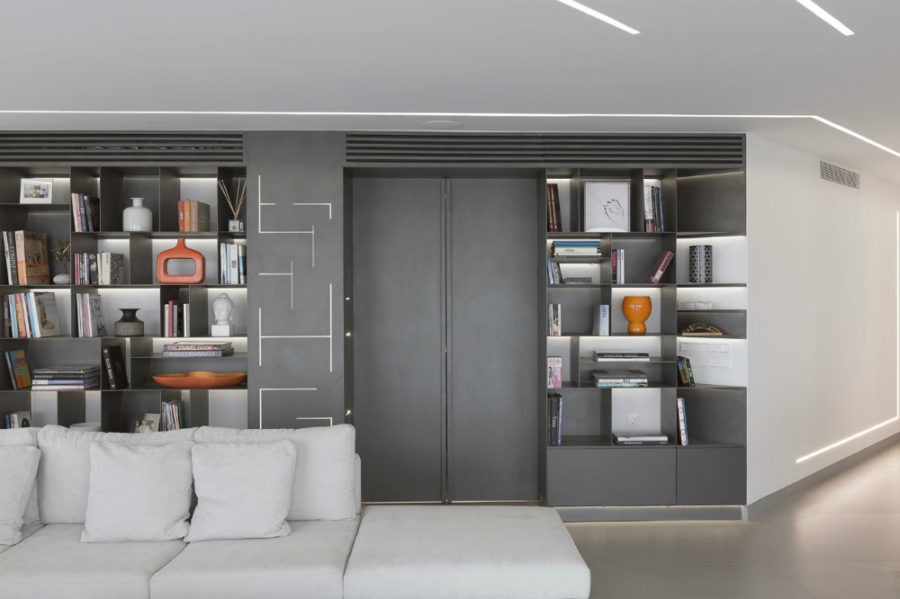
Storage works best in a small home when it disappears into the room’s rhythm. A full-height cabinet run, a wall of consistent boxes, or drawers beneath a bench can absorb the visual noise of modern life while leaving the center of the room calm. Group similar functions together: linens near the bed, serving pieces near the dining area, and cleaning supplies close to the entry. This reduces searching, which is one of the hidden stressors of a crowded home.
Use a three-part edit before buying another organizer. First, remove anything broken, duplicated, or untouched for a year. Next, place frequent-use items between waist and eye level. Finally, reserve the highest and lowest zones for seasonal or occasional belongings. Matching fronts are helpful, but they are not essential; what matters is a repeatable system and enough breathing room that shelves do not become overstuffed.
A storage piece can also perform as architecture. Let it frame a doorway, conceal a workstation, or create a soft boundary around a sleeping nook. Add one or two open compartments for books or a favorite vessel, then keep the rest closed. The contrast makes the display feel deliberate and keeps maintenance realistic.
Kitchen Pause: Warm Apple-Cinnamon Oats
- 1/2 cup rolled oats
- 1 cup milk or unsweetened oat milk
- 1 small apple, diced
- 1 tablespoon chopped walnuts
- 1/2 teaspoon cinnamon
- 1 teaspoon maple syrup
- Simmer oats and milk for five minutes.
- Stir in half the apple and cinnamon; cook until tender.
- Top with remaining apple, walnuts, and maple syrup.
4. Use Light to Make Evenings Feel Spacious
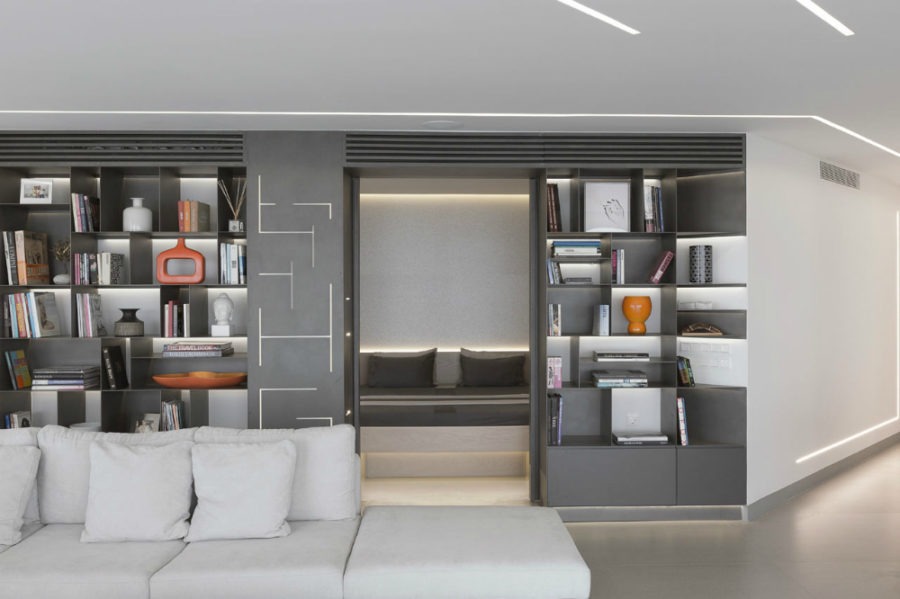
Good lighting is less about brightness than about sequence. In a small apartment, a single overhead fixture can flatten every activity into the same visual register. Build a gentler evening landscape with three layers: a focused lamp for reading or food preparation, a low ambient source near the floor or a shelf, and a warm accent that draws attention to a texture or artwork. Switch them on gradually as daylight fades rather than waiting until the room feels dark.
Choose bulbs with a warm color temperature for living and sleeping areas, and use shades that hide glare from seated eye level. Dimmers are especially valuable because they let one room support dinner, conversation, and winding down. Keep task lighting close to the activity so you do not need to flood the entire apartment. A small rechargeable lamp can make a balcony, bedside table, or breakfast corner feel purposeful without adding wiring.
Pair the lighting plan with an end-of-day cue. Lower the brightest lamp, prepare a caffeine-free drink, and put one surface back in order. The repeated pattern tells your body that the active portion of the day is closing. In a compact home, atmosphere is a functional tool.
Kitchen Pause: Golden Ginger Milk
- 1 cup milk or unsweetened plant milk
- 1/2 teaspoon ground turmeric
- 1/4 teaspoon ground ginger
- Pinch of cinnamon
- Pinch of black pepper
- 1 teaspoon honey
- Warm milk and spices in a small saucepan.
- Whisk gently until steaming but not boiling.
- Remove from heat, stir in honey, and sip warm.
5. Frame the View, Even When It Is Urban
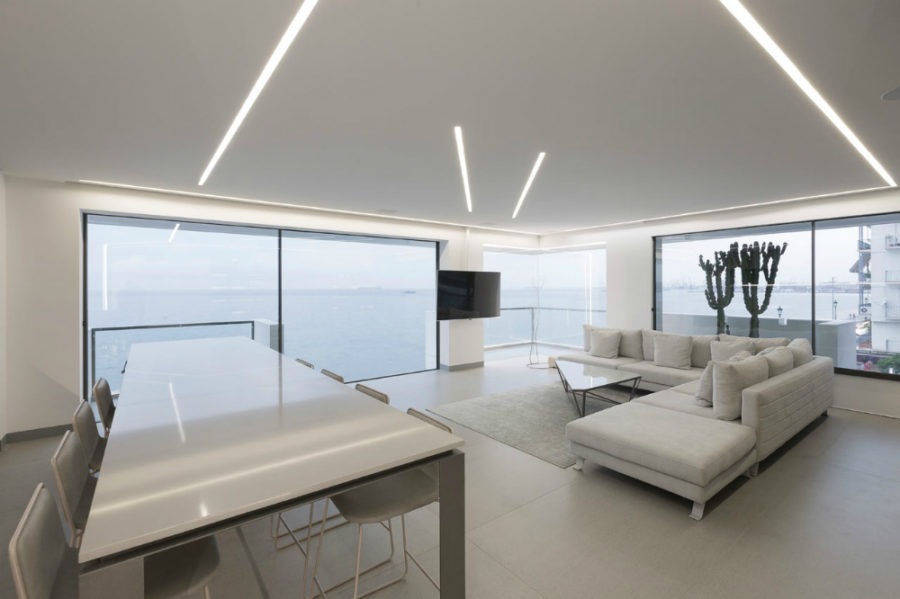
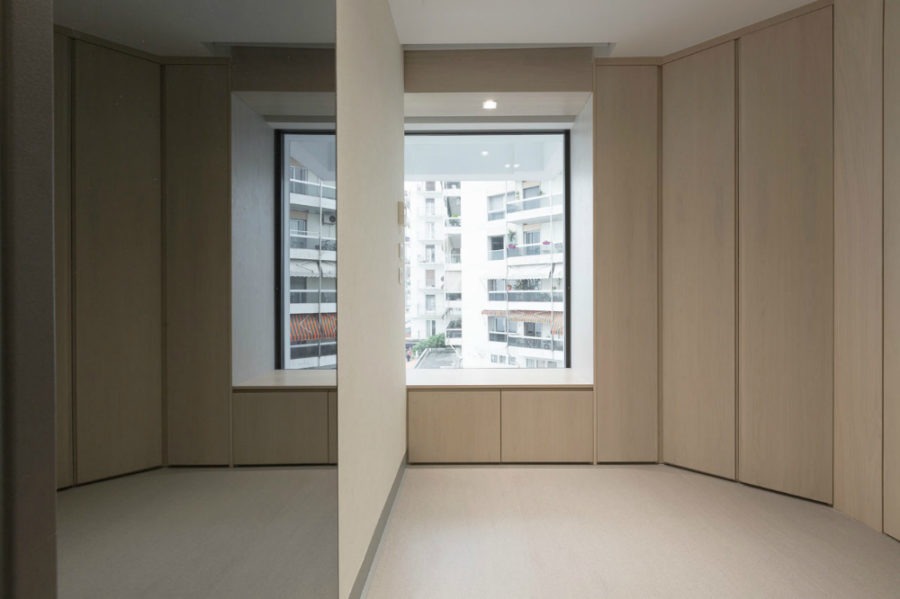
A compelling view is not reserved for homes beside the sea. What matters is giving the eye a place to travel and a comfortable position from which to take it in. Move a chair a little back from the glass, keep the sill edited, and use curtains that can fully open during the day. If the outlook is mostly buildings or traffic, frame a smaller portion with a plant, a piece of art, or a narrow shelf so the scene feels chosen rather than unavoidable.
Reflective surfaces can extend the sense of depth, but use them selectively. A softly reflective tabletop or pale wall can bounce daylight without turning the room into a glare box. Keep the palette around the window quiet, then add one tactile object nearby: a woven cushion, a timber stool, or a ceramic cup. This combination makes looking outside feel like a daily pause instead of passive background.
Create a tiny viewing ritual that fits your schedule. Drink water by the window in the morning, take three slow breaths after lunch, or read for ten minutes before dinner. The ritual is deliberately simple; its value comes from repeating it and allowing the home to support attention rather than compete for it.
Kitchen Pause: Citrus Fennel Salad
- 1 orange, peeled and sliced
- 1 cup thinly sliced fennel
- 1 handful arugula
- 1 tablespoon pumpkin seeds
- 1 tablespoon olive oil
- 1 teaspoon lemon juice
- Salt and pepper
- Arrange orange, fennel, and arugula on a plate.
- Whisk oil, lemon juice, salt, and pepper.
- Drizzle dressing over the salad and add pumpkin seeds.
6. Make the Smallest Room Work Hard
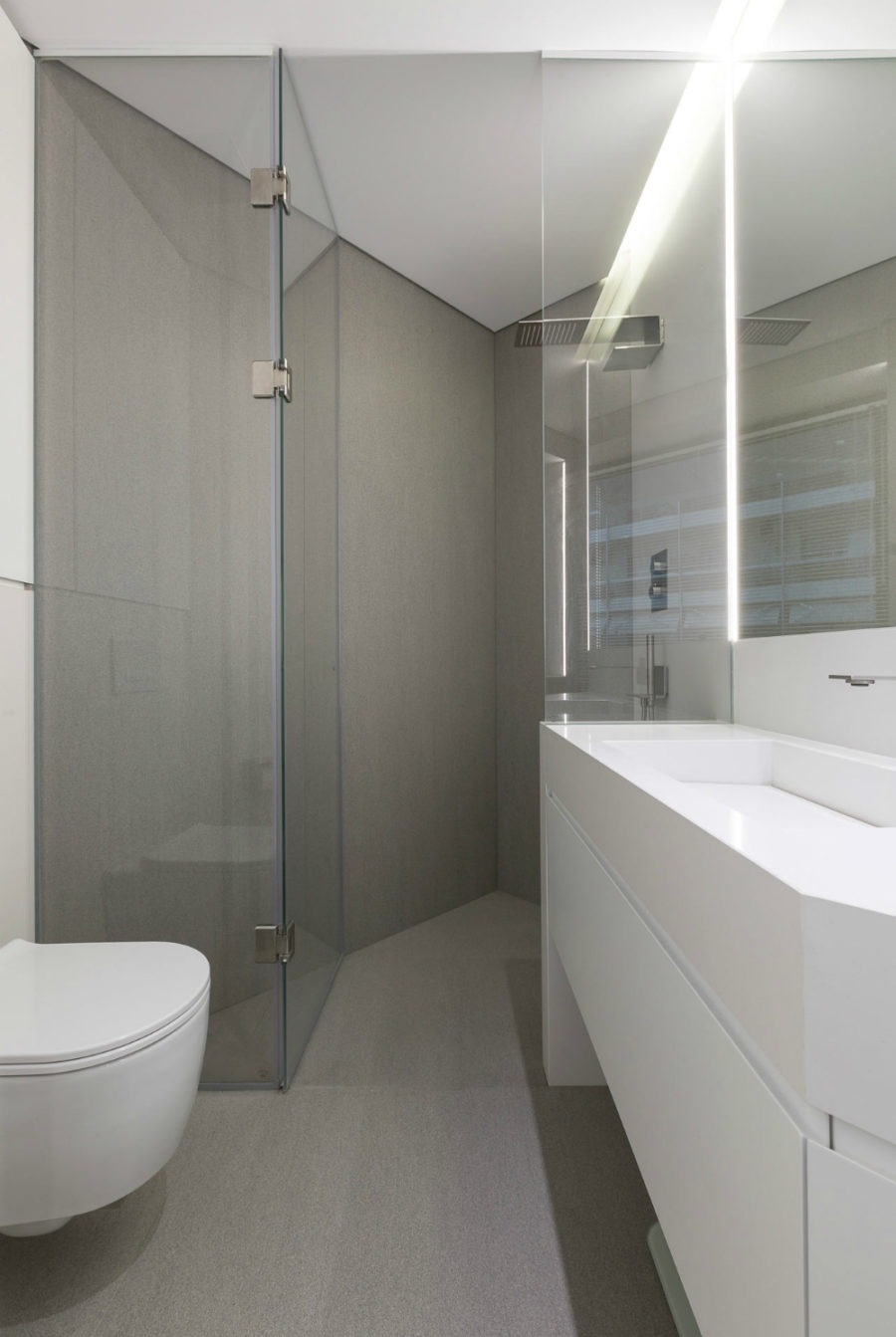
Bathrooms and other compact utility spaces reward precision. Begin by measuring the full swing of the door, the width of the shower, and the clearance needed at the sink. A corner shower, wall-mounted storage, and a narrow ledge can preserve useful floor area without making the room feel improvised. Choose one finish family for the largest surfaces, then add warmth through a washable mat, wood-toned accessory, or soft towel rather than accumulating decorative objects.
Privacy can be adjustable instead of permanent. Simple blinds, a textured film, or a half-height treatment can soften a generous window while letting daylight remain useful. Keep frequently used toiletries in a tray or drawer so the counter can be cleared in seconds. That small reset changes the room from a storage zone into a place to begin and end the day.
The same principle applies to kitchens, entries, and laundry corners: every item should have a home, and every surface should have a job. When a room is tight, select fittings that do two things at once, such as a mirrored cabinet or a towel rail with a shelf. Function becomes beautiful when it is easy to understand and easy to maintain.
Kitchen Pause: Sesame Soba with Crunchy Greens
- 3 ounces soba noodles
- 1 cup shredded cabbage
- 1/2 carrot, julienned
- 1 tablespoon tahini
- 1 teaspoon soy sauce
- 1 teaspoon rice vinegar
- 1 teaspoon sesame seeds
- Cook soba according to the package, then rinse cool.
- Whisk tahini, soy sauce, vinegar, and a splash of water.
- Toss noodles with vegetables and dressing; finish with sesame seeds.
Final Thoughts
A lighter-feeling apartment is created through a series of modest decisions: a clearer route, a softer boundary, storage that quiets the room, and lighting that respects the pace of evening. None requires a complete renovation. Start with the zone that causes the most friction, test one change for a week, and keep what genuinely improves daily life.
When the home supports movement, rest, and simple nourishment, small spaces can feel remarkably expansive. The reward is not a staged interior but a more comfortable pattern of living—one in which every corner earns its place and every pause feels easier to take.