Quiet Luxury at Home: Six Ways to Make Everyday Spaces Feel Intentional
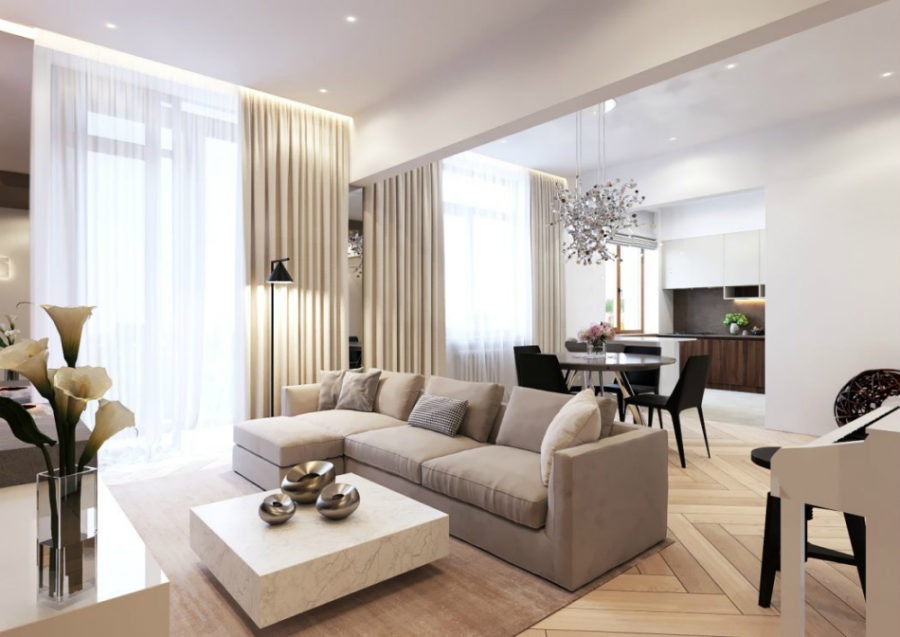
A polished home does not need to feel precious or overdecorated. The most inviting rooms often rely on a restrained palette, tactile finishes, and a few carefully chosen moments of contrast. That combination can make a compact apartment feel composed while still leaving room for real life: morning coffee, work calls, shared meals, and the occasional pile of laundry.
This guide turns those ideas into approachable habits for home and lifestyle. You will find ways to zone an open plan without building walls, make storage part of the architecture, create a bedroom that feels restful, and use natural touches to keep neutral rooms from becoming flat. Each section ends with a simple Kitchen Pause recipe designed for an unhurried break at home.
1. Begin With a Palette That Lets You Breathe
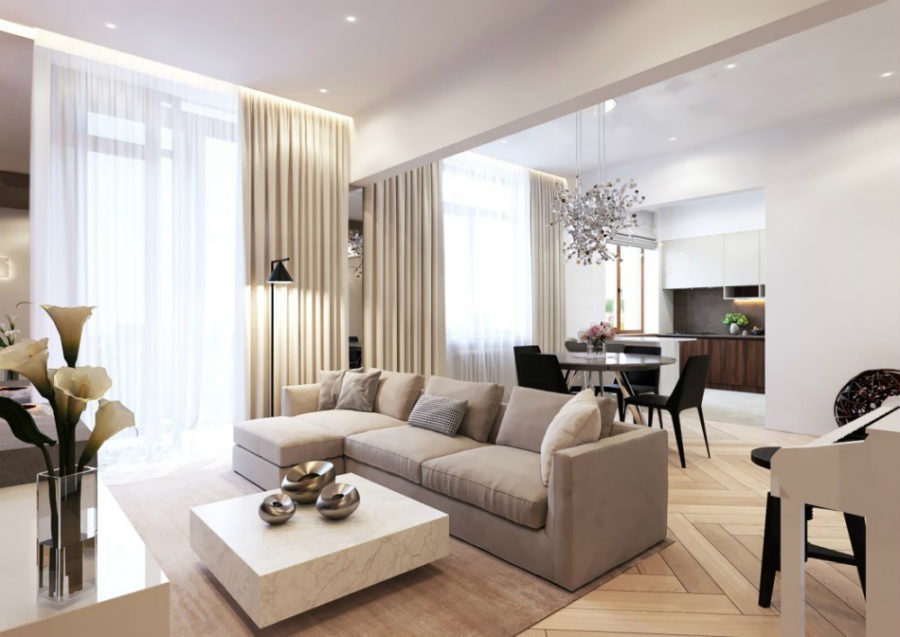
A calm room starts with editing. Choose two or three foundation tones—warm white, mushroom, sand, soft gray—and let them repeat across walls, upholstery, rugs, and larger case goods. Repetition gives a small home visual continuity, so the eye can move around without stopping at every competing color. The goal is not beige everywhere; it is a dependable backdrop that makes texture and daily rituals more noticeable. Add depth with linen, bouclé, brushed metal, matte ceramic, or lightly grained wood rather than relying on more decoration. Before buying anything new, gather fabric swatches and photograph them in morning and evening light. Materials that look similar in a showroom can feel dramatically different at home. Keep one darker anchor, such as a charcoal lamp or walnut side table, to ground the scheme. Then reserve brighter color for items that can change easily: flowers, art, a throw, or a bowl of fruit. This approach makes seasonal refreshes inexpensive and keeps the room flexible as your routines change. A restrained palette is especially useful in open layouts because it helps separate functions without making them look unrelated.
Kitchen Pause: Pear, Oat, and Tahini Cup
- 1 ripe pear, diced
- 1/2 cup plain Greek yogurt
- 1/4 cup rolled oats
- 1 tablespoon tahini
- 1 teaspoon honey
- Pinch of cinnamon
- Spoon yogurt into a small bowl and top with oats.
- Add pear, tahini, honey, and cinnamon.
- Rest for five minutes so the oats soften, then enjoy.
2. Use Furniture to Draw Gentle Boundaries
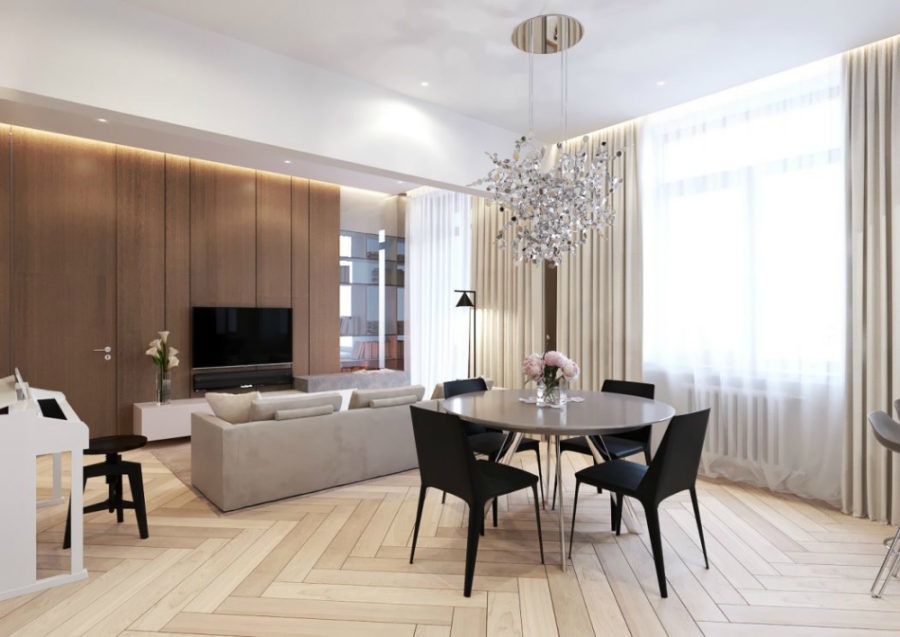
Open living areas work best when each activity has a clear home. Instead of pushing every piece against a wall, float a sofa to define the conversation zone and let its back create a gentle boundary between lounging and dining. A low console, open bookcase, or rug can reinforce that distinction while preserving sightlines and daylight. Leave enough circulation for two people to pass comfortably; a beautiful layout becomes frustrating when it turns every trip to the kitchen into an obstacle course. Think in layers. First place the largest seating and dining pieces, then add lighting where each task happens, and only afterward introduce small tables or accent chairs. A round table can soften traffic patterns, while a narrow bench can provide flexible seating without visually crowding the room. Keep the television, speakers, and chargers organized as part of the plan rather than hiding them at the last minute. The most successful zoning feels intuitive: you know where to sit, eat, read, or talk without needing a sign. This same principle can make a studio feel larger because the room gains multiple useful addresses while remaining one connected environment.
Kitchen Pause: Rosemary White Bean Toast
- 1 cup canned cannellini beans, rinsed
- 1 tablespoon olive oil
- 1 teaspoon lemon juice
- 1/2 teaspoon chopped rosemary
- 2 slices whole-grain bread
- Pinch of salt and pepper
- Mash beans with oil, lemon, rosemary, salt, and pepper.
- Toast the bread until crisp at the edges.
- Spread the bean mixture over the toast and serve warm.
3. Make Storage a Visible Part of the Architecture
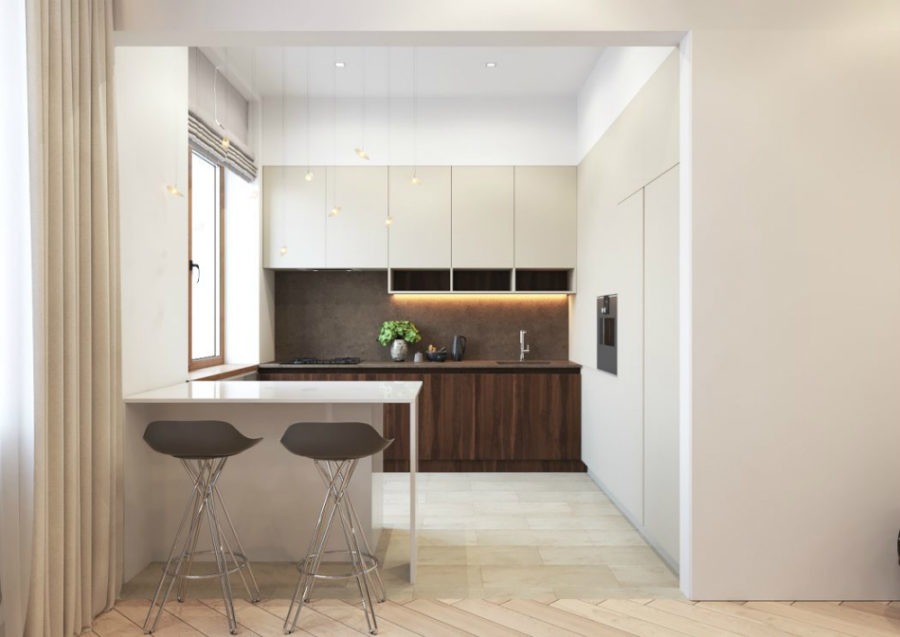
Storage feels less like clutter control when it is planned as part of the room’s composition. Combine closed cabinets for everyday mess with a small amount of open display for books, ceramics, or objects that genuinely add pleasure. Glass-front shelving can create a visual connection between neighboring zones, but it works only when the contents are edited. Group items by color or material, leave breathing room between them, and keep practical supplies in matching boxes or baskets. In a kitchen, use the vertical plane: full-height cabinetry, a slim rail for frequently used tools, and drawers arranged around the way you actually cook. A compact peninsula can provide prep surface, casual seating, and a boundary at once, which is valuable in a small footprint. Measure appliances and door swings before ordering anything, and keep a dedicated landing spot for keys, mail, and reusable shopping bags near the entrance. That tiny decision prevents functional clutter from spreading across the home. Storage should also support healthier routines. Put fruit where you can see it, keep water glasses accessible, and place nourishing staples at eye level. When the home makes good choices convenient, organization becomes a lifestyle aid rather than a weekly rescue project.
Kitchen Pause: Cucumber Chickpea Crunch Bowl
- 1 cup chickpeas, rinsed
- 1/2 cucumber, chopped
- 1/2 cup cherry tomatoes, halved
- 2 tablespoons feta
- 1 tablespoon olive oil
- 1 tablespoon lemon juice
- 1 tablespoon chopped parsley
- Combine chickpeas, cucumber, tomatoes, feta, and parsley.
- Whisk oil and lemon juice together.
- Toss with the salad and chill briefly before eating.
4. Give the Bedroom One Soft, Decisive Gesture

A bedroom can feel finished without a tall headboard or a collection of decorative objects. Choose one enveloping feature behind the bed: painted color, upholstered panels, textured wallpaper, or a broad fabric treatment. Its job is to establish a quiet focal point and make the bed feel anchored. Keep the surrounding pieces simple so the effect remains restful rather than theatrical. Use bedside lighting with warm bulbs and shades that direct light downward, making it easier to read without flooding the whole room. Layer bedding in breathable fabrics, starting with a washable base and adding one tactile cover for cooler evenings. If the room is narrow, wall-mounted sconces and floating nightstands preserve floor area and make cleaning easier. Hide charging cables through a small cable channel or a box with a rear opening; visual calm is part of sleep hygiene. Taupe, clay, oat, and muted olive can all feel soothing, but test large samples because artificial light changes undertones. The broader lesson is to let one thoughtful surface carry the room. This reduces shopping, simplifies maintenance, and creates a stronger sense of intention than many small accents competing for attention.
Kitchen Pause: Warm Apple Cardamom Oats
- 1/2 cup rolled oats
- 1 cup milk or oat milk
- 1/2 apple, finely diced
- 1/4 teaspoon ground cardamom
- 1 tablespoon chopped walnuts
- 1 teaspoon maple syrup
- Simmer oats, milk, apple, and cardamom for five minutes.
- Stir until creamy and transfer to a bowl.
- Finish with walnuts and maple syrup.
5. Balance Sleek Finishes With Living Greenery
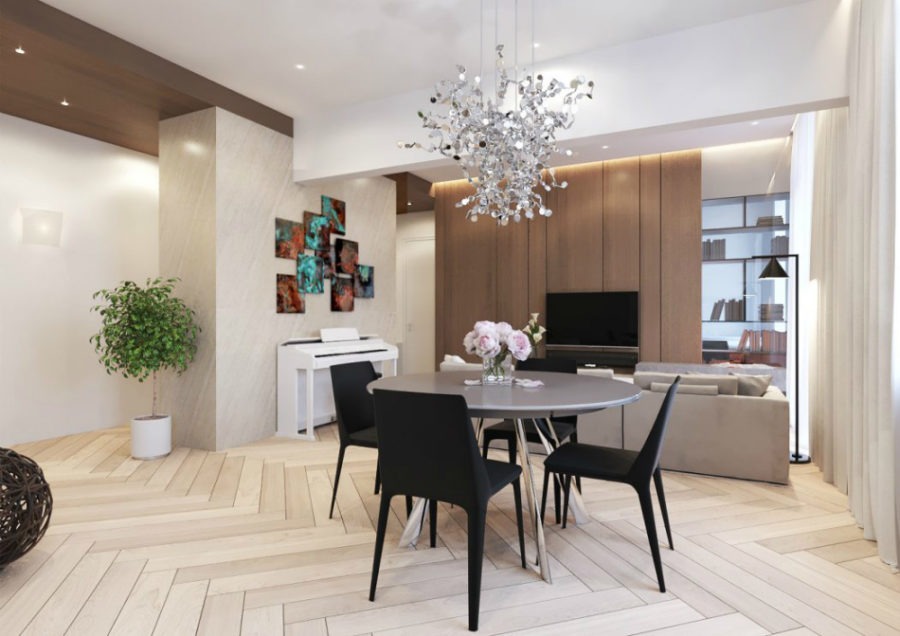
Neutral interiors benefit from something visibly alive. A potted tree, trailing plant, or bowl of clipped branches introduces movement and a welcome change from straight lines and hard surfaces. Select greenery according to the actual conditions rather than the wish list: note the direction of the windows, the distance from glass, and how often you can water. One healthy plant in a substantial pot usually has more impact than several struggling specimens scattered around the room. Repeat the container finish with another material already present, such as a dark metal, pale stone, or warm wood, so the plant feels integrated instead of accidental. Keep leaves away from heating vents and allow air to circulate around the pot. A shallow tray underneath protects floors and makes watering less stressful. Greenery can also support daily pauses. Place herbs near the kitchen prep area, a fragrant plant by a reading chair, or a taller specimen where it softens an empty corner. If natural light is limited, use a discreet grow lamp on a timer and choose tolerant varieties. The practical aim is not to create an indoor jungle; it is to add a small reminder of season, care, and renewal to an otherwise controlled composition.
Kitchen Pause: Minty Citrus Sparkler
- 1/2 orange, juiced
- 1 tablespoon lemon juice
- 4 mint leaves
- 1 teaspoon honey
- 1 cup chilled sparkling water
- Ice, as needed
- Muddle mint, honey, and citrus juices in a glass.
- Fill with ice and pour in sparkling water.
- Stir gently and garnish with a mint leaf.
6. Carry Warmth Into the Bath With Honest Materials
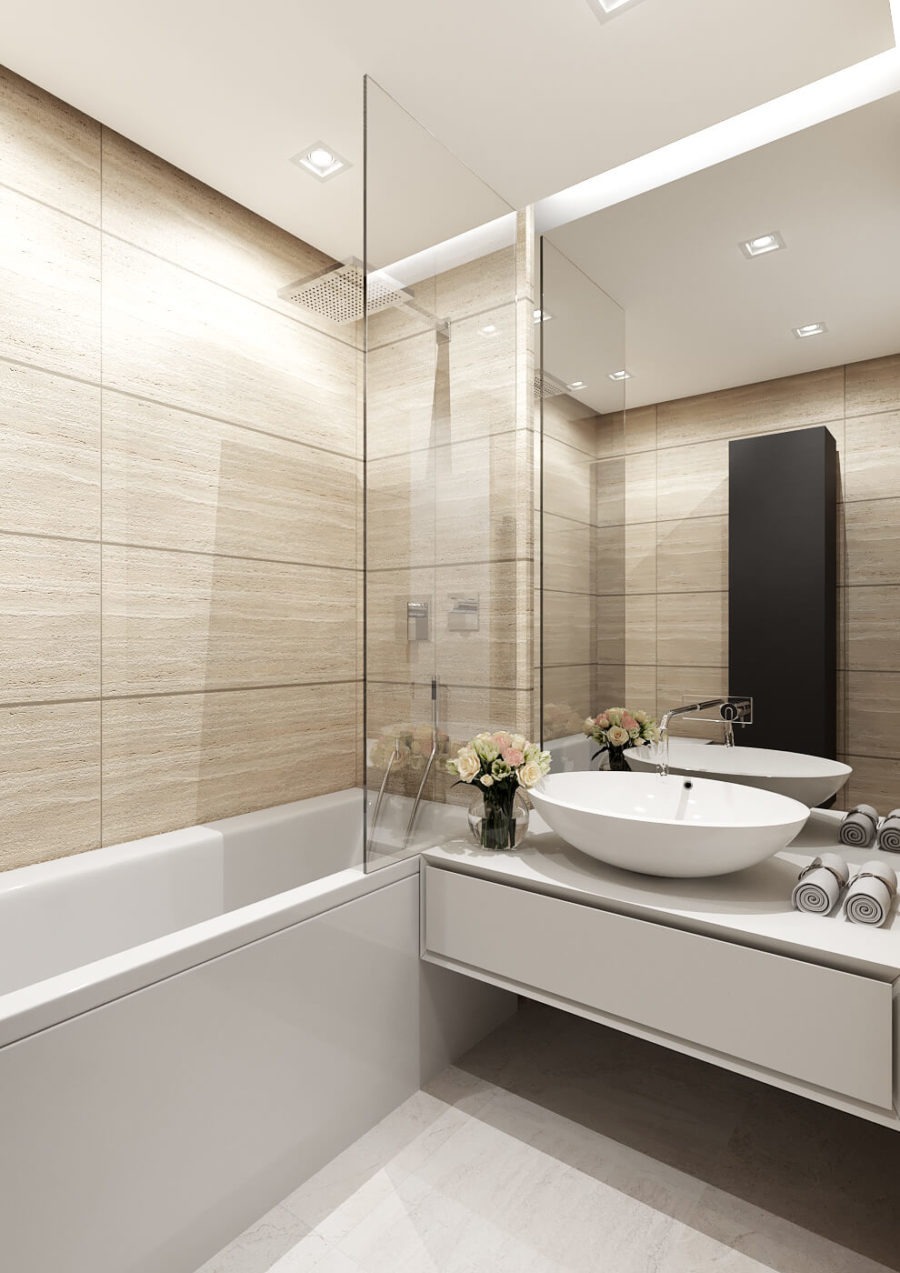
Bathrooms can be crisp without becoming cold. Pair a durable stone-look or wood-look surface with one genuinely warm element: a timber stool, woven basket, oak drawer front, or linen curtain. The contrast helps the room feel connected to the rest of the home and makes basic routines more pleasant. Keep the palette limited, then let grout lines and hardware provide quiet structure. Before choosing finishes, bring home samples and view them beside the mirror, because reflected light can make pale surfaces appear brighter and darker metals more dramatic. Prioritize storage near the sink for the products used every day; a clear counter is easier to wipe and more relaxing to enter. Add a lidded hamper, hooks at a useful height, and a small tray for objects that otherwise migrate across the room. Soft, layered lighting matters as much as tile. Use a diffuse ceiling source, flattering light near the mirror, and a low-level option for nighttime visits if possible. Choose washable textiles and a bath mat that dries quickly. These decisions create a bathroom that feels considered and practical for busy mornings. The best luxury is often reduced friction: everything has a place, surfaces are easy to maintain, and the room invites a slower start or finish to the day.
Kitchen Pause: Ginger-Lime Coconut Chia
- 3 tablespoons chia seeds
- 3/4 cup light coconut milk
- 1 teaspoon maple syrup
- 1/2 teaspoon grated ginger
- 1 teaspoon lime zest
- 1/2 cup mango, diced
- Stir chia, coconut milk, maple syrup, ginger, and lime zest.
- Refrigerate for at least two hours, stirring once after 20 minutes.
- Top with mango and serve chilled.
Final Thoughts
A composed home is less about expensive statements than about a sequence of useful decisions: repeat a calming palette, zone activities with furniture, store essentials where they are needed, and give each room one memorable gesture. Texture, greenery, and warm lighting keep restraint from becoming sterile.
Use these ideas gradually. Move one piece, improve one storage zone, or prepare one Kitchen Pause before adding anything new. When design supports the way you eat, rest, work, and gather, everyday living becomes the feature that makes the home feel special.