Where to Sell, Donate, or Trade Your Used Books — A Practical Guide to Clearing Space and Earning a Little Extra

If your shelves are overflowing or you’ve finished a semester’s worth of textbooks, you don’t have to let those books gather dust. Here’s a clear, friendly roadmap for turning unwanted volumes into cash, credit, or new readers — with straightforward steps and examples you can act on today.
1. Decide the right path: cash now, bigger return, or a good home
Start by choosing what matters most: speed, price, convenience, or the satisfaction of giving a book a second life. If you want cash fast, instant-buy services or a local shop that pays on the spot make sense. If you want more money and don’t mind shipping and messaging buyers, online marketplaces and auction sites often net higher returns. If your priority is passing books to readers, donations to libraries or schools keep books circulating. Practical example: sort titles into three stacks — “quick sale,” “list online for more,” and “donate” — and tackle one stack a weekend until your shelves are manageable.
2. Selling online: marketplaces, buyback platforms, and comparison tools
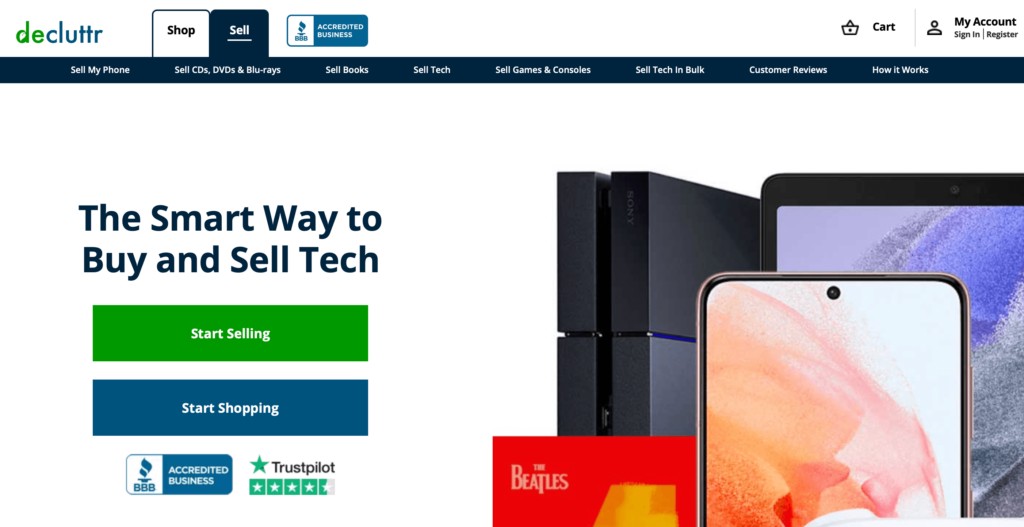
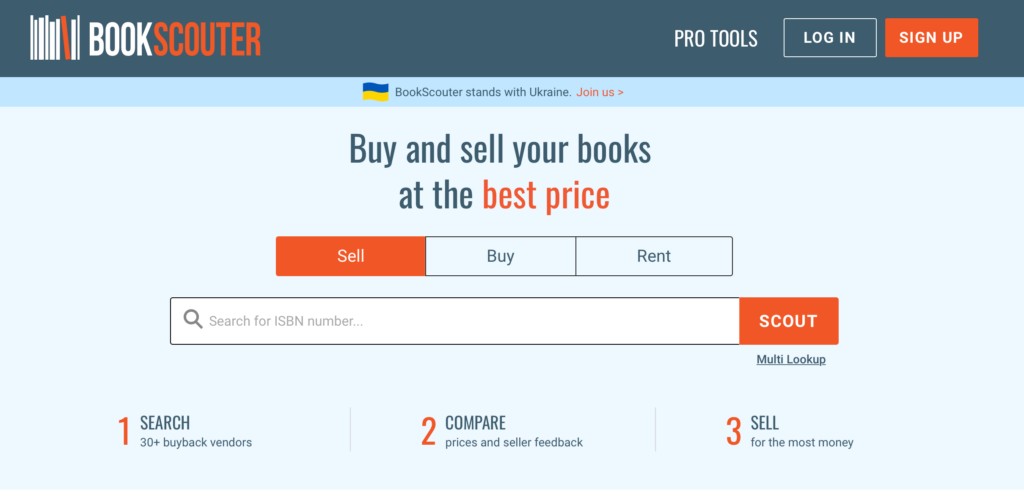
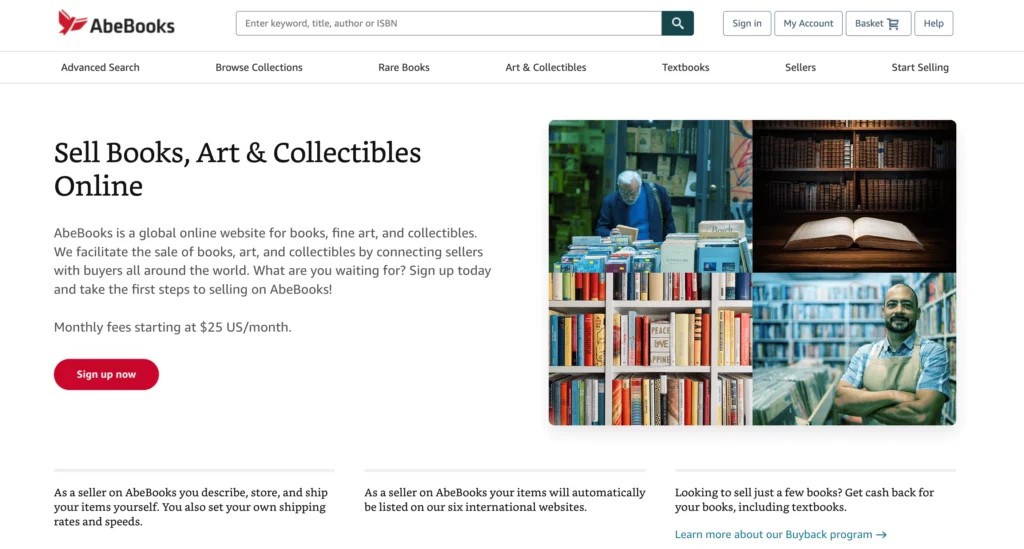
Online options let you reach more buyers but take a little more work. Use a consumer marketplace for collectible or popular titles where photos and descriptions matter, or try a buyback platform that gives instant quotes and prepaid labels for a faster, low-effort sale. Comparison services can save time by showing multiple offers for the same ISBN so you choose the best payout. Practical example: photograph the cover and spine from multiple angles, scan the ISBN for price checks, and compare an auction listing versus a buyback quote to see which makes more sense after shipping and fees.
3. Simple staging and listing tips that raise your payout
Small improvements often mean noticeably better offers. Clean dust from covers, press curled pages flat, remove sticky notes and price labels, and include any original supplements like CDs or access codes — those extras can increase value. Be honest in your condition notes and include close-up photos of wear spots so buyers trust your listing. Practical example: photograph a textbook’s title page and any supplement codes, note missing inserts in the description, and offer a bundle discount if you list multiple volumes from the same course to attract students.
4. What determines a used book’s value — and how to spot a keeper
Several factors shape what a buyer will pay: physical condition, edition, current demand, and whether a book has collectible features like author signatures or a first printing. Textbooks often follow term cycles — newer editions and required-course texts typically fetch more, while niche titles’ value depends on collector interest. Practical example: compare the edition number on the copyright page, check recent online sales for that exact edition, and set aside likely keepsakes (older signed copies, unique bindings) to research further before listing or donating.
5. In-person selling: neighborhood buyers, used shops, and garage sales
Selling locally reduces shipping hassle and often gets you immediate payment. Try local used bookstores that buy in person, community yard sales for high-volume clearance, or neighborhood marketplaces where buyers can pick up items. Public sales like library book fairs can also be a venue if you’re willing to manage a table. Practical example: call nearby used bookstores to ask their intake policies, advertise a themed yard sale (“books only”) on local groups with set prices, and arrange meetups in well-lit public spaces for safety when selling to individuals.
6. Give books a second life: donation options and creative alternatives
Donating can be the fastest route to clear space while ensuring books reach readers who’ll appreciate them. Libraries, schools, shelters, community centers, and literacy programs are common recipients; some groups accept only specific genres or condition levels. Book swaps, local free-shelf programs, and campus drop-offs are other low-effort ways to recycle titles. Practical example: contact your library’s outreach or used-book sale coordinator to learn their intake rules, or organize a small neighborhood exchange where neighbors trade titles for free and everyone walks away with new reading.
7. Make shelf-clearing a habit: routines and small projects that help
Turning decluttering into a repeatable process prevents future pileups and can fund your next reading habit. Schedule occasional purges — after finishing a series or at semester’s end — and decide rules like “if I didn’t reread in three years, it’s out.” Combine efforts: host a mini book fair, donate half and sell the rest, or set up a weekend selling station to move high-volume, low-value books quickly. Practical example: once a quarter, set a two-hour timer to sort five shelves into keep, sell, or donate piles, then immediately list the sell pile online or take it to a local buyer to close the loop.
Clearing books doesn’t have to be overwhelming. With a simple plan — decide your priorities, prep titles honestly, and choose the best local or online route — you can reclaim space, make a little money, and find new readers for your books.