How to Sell Old Coins: A Practical Guide to Research, Prep, and Where to Find Buyers

Whether you’ve inherited a box of coins or cleared out a drawerful, turning metal into money is easier when you know the steps that protect value. This guide walks you through how to evaluate and prepare coins, what types tend to be most desirable, strategies to get the best price, and the real-world places — online and local — where collectors and dealers buy.
1. Start with a concise coin audit
Before you list or take anything to a shop, spend an hour cataloging what you have. Note denomination, year, mint mark, metal content and any visible damage or wear. Compare a few examples to published price guides and recent sale listings so you understand the realistic market for similar pieces. Practical example: place a suspected silver coin under a bright light, note the mint mark, then search recent completed online sales for that year and strike to see demand. If a coin appears uncommon or unusually well preserved, mark it for further research or expert opinion rather than assuming a high value without verification.
2. Handle, clean and store with care
Small choices before sale can preserve or destroy a coin’s appeal. Always handle by the edges or wear cotton gloves to avoid oils and fingerprints. Do not scrub or use household chemicals — gentle dusting with a soft brush is fine, but deep cleaning can remove original finish and reduce value. Store coins in inert holders, coin flips or archival pages, and keep them in a cool, dry place away from direct sunlight. Practical example: wrap individual coins in acid-free sleeves for transport, use silica gel in storage containers to control humidity, and bring coins to appointments in their protective holders rather than loose in a bag.
3. Which coins tend to command the highest interest?
Value often combines rarity, condition and story. Low-mintage strikes, coins with documented provenance, early dates from a given series, unique mint errors and examples in exceptional condition usually attract the most interest from collectors. Historical context — such as coins tied to a notable event or period — can boost desirability. Practical example: a well-preserved early 20th‑century circulation coin with a recognized mint mark and a low survival rate will typically draw more competitive bidding than a common date worn to a smooth surface. If a piece appears unusual, prioritize professional verification before accepting quick offers.
4. Small actions that can meaningfully increase what you get
A few deliberate steps often make the biggest financial difference. Obtain multiple quotes — dealers, auction houses and online buyers will vary — and compare net proceeds after fees and shipping. For higher-value coins, a professional grading or appraisal can open larger markets, but balance that cost against expected returns. Quality photos, clear descriptions and transparency about condition build buyer trust; always disclose any cleaning or repairs. Practical example: before listing online, photograph each side of the coin under even lighting, include close-ups of identifying marks, and offer a short provenance note if available. Patience often pays: waiting for the right buyer or an auction with appropriate collectors can out-earn an immediate local sale.
5. Key online channels and how to use them
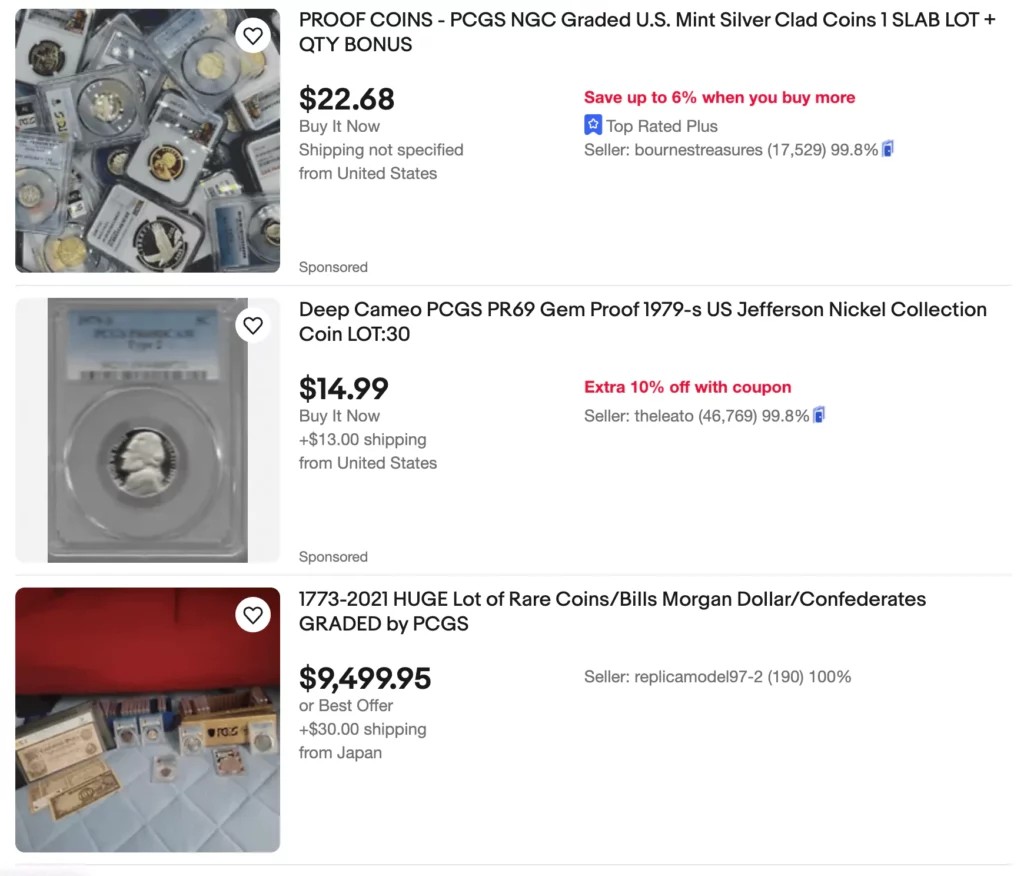
The internet connects you to a much wider pool of buyers, but each channel has a different audience and cost structure. General marketplaces reach casual buyers and collectors alike; specialized coin sites and bullion dealers attract focused collectors or investors. When listing online, include grade estimates, clear photos and shipping terms, and factor in listing fees, payment processing and insured postage when setting your price. Practical example: for a modestly rare coin, list it on a dedicated coin marketplace with detailed photos and a short history; for bullion or bulk lots, contact established online bullion buyers who provide immediate quotes and insured shipping instructions.
6. Local options when you want speed and convenience
If you prefer face‑to‑face transactions, local coin shops and regional coin shows are practical choices. Shops offer immediate payment, but expect lower offers because dealers resell at a margin. Coin shows gather collectors and dealers in one place; with a table you can reach many potential buyers in a single day. Practical example: bring coins neatly organized in labeled holders, photocopies of any grading certificates, and a realistic target price based on your prior research. Be prepared to negotiate and accept that convenience often trades off against top dollar — for high‑value items consider getting an appraisal first.
7. Compare dealers, consignment and auctions before choosing
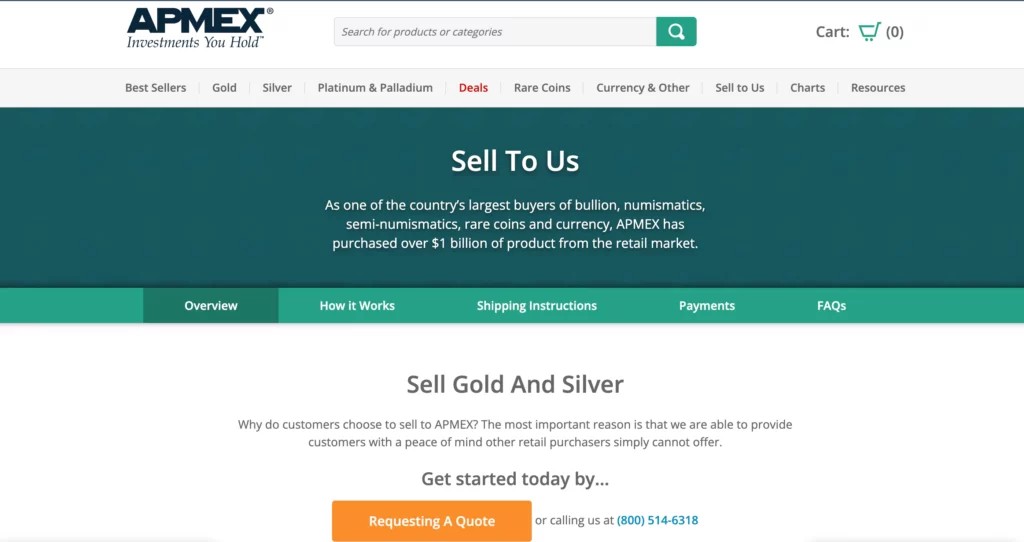
Selling options fall into three broad categories: sell outright to a dealer, consign to an auction house, or list on a marketplace yourself. Dealers offer speed and certainty; auctions and consignment can expose your coin to enthusiastic collectors and sometimes drive higher prices, but they involve fees and longer timelines. Practical example: for a single high‑value coin, consignment to a reputable auction house with a strong numismatic audience may attract competitive bidding; for bulk or common coins, a dealer or online bulk buyer may be the most efficient route. Always read consignment terms, ask about marketing reach and understand commission structures to compare net proceeds.
8. Timing the sale: when to hold and when to sell
Deciding when to sell is as much about your goals as market cycles. If you need cash quickly, prioritize local dealers or buy‑it‑now offers; if you aim to maximize return, wait for a favorable market window, a relevant auction or an uptick in collector interest. Keep an eye on recent sale prices for similar coins rather than speculative headlines. Practical example: if a particular series is being featured at upcoming auctions or collectors’ events, delaying a sale for a few months could attract more bidders. Conversely, if coins show signs of deterioration or storage risk, arranging a timely sale preserves their value.
Selling coins successfully combines preparation, patience and choosing the right sales channel. Do the homework, protect your pieces, get a few professional opinions for uncommon items, and pick the route that matches your timeline and goals—then you’ll be ready to turn those old coins into the outcome you want.