A Softer Way to Live With Moody Interior Design
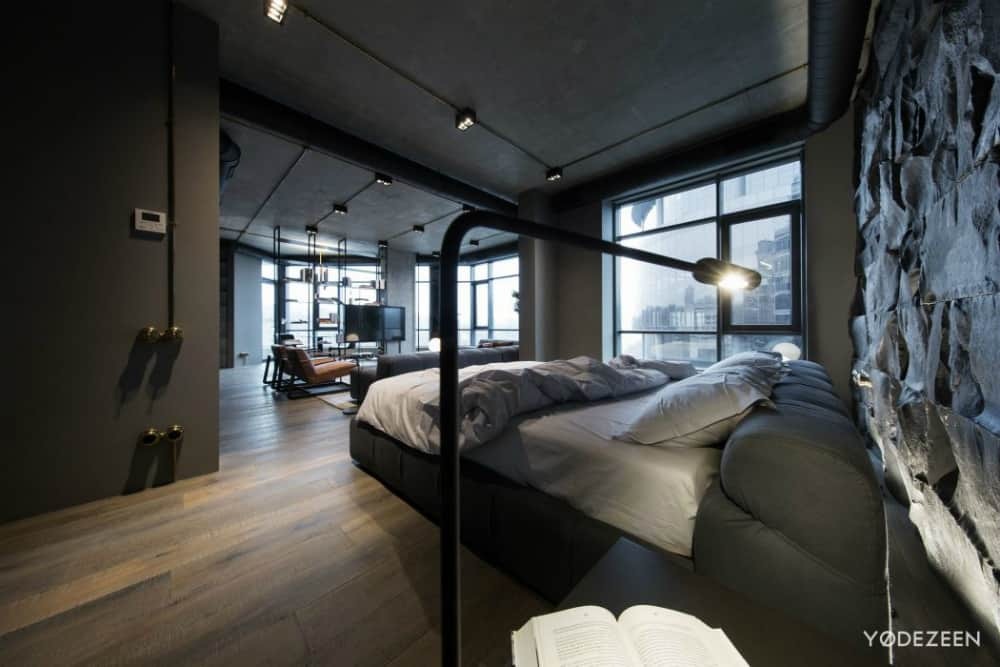
A home does not have to be bright white to feel welcoming. Deep charcoal, smoked glass, warm timber, and carefully placed pools of light can create an atmosphere that feels composed rather than cold. The key is not simply choosing darker finishes; it is building enough contrast, texture, and breathing room for everyday life to remain comfortable.
This guide turns those ideas into practical habits for apartments and compact homes. You will find ways to organize an open plan, make a small kitchen work harder, balance dramatic materials with softness, and use lighting as part of your daily rhythm. Each pause also includes a simple recipe designed for an unhurried meal at home.
1. Let the Room Breathe Before You Add More
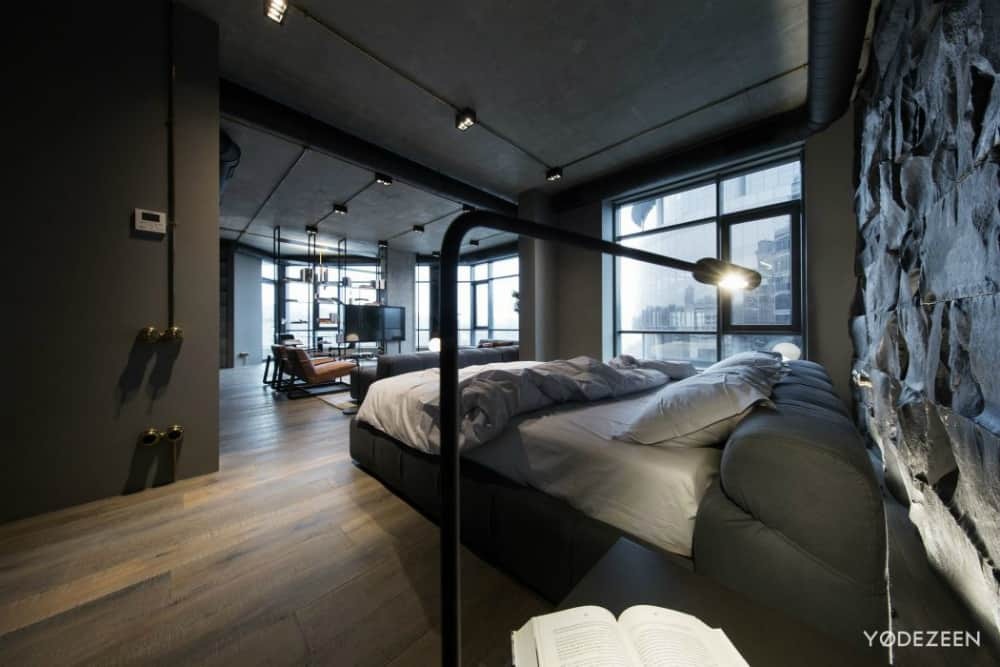
An open layout feels generous when the eye can travel easily from one useful zone to the next. That does not mean every activity has to share one undifferentiated space. Instead, define living, eating, and resting areas through subtle shifts: a rug beneath the sofa, a narrow table aligned with a window, or a low bookcase that gives a boundary without creating a wall. Keep the tallest pieces toward the perimeter and leave the center visually quiet. This makes cleaning simpler and helps natural light reach more corners.
Use a restrained palette as a backdrop, then introduce warmth through one or two tactile materials. A timber tray, woven basket, or linen cushion can prevent a charcoal room from feeling overly formal. For daily living, create a landing spot near the entrance for keys and bags so the open room does not become a storage depot. In the evening, clear the dining surface before relaxing; that small reset preserves the sense of spaciousness. The goal is a home that supports several routines without displaying every routine at once.
Kitchen Pause: Lemon-Herb White Bean Toast
- 1 can white beans, rinsed
- 2 slices seeded bread
- 1 tablespoon olive oil
- 1 teaspoon lemon zest
- 1 tablespoon lemon juice
- 1 tablespoon chopped parsley
- Salt and black pepper
- Mash the beans with olive oil, lemon zest, lemon juice, salt, and pepper.
- Toast the bread until crisp at the edges.
- Spoon the beans over toast and finish with parsley.
2. Make Dark Walls Feel Tactile, Not Heavy
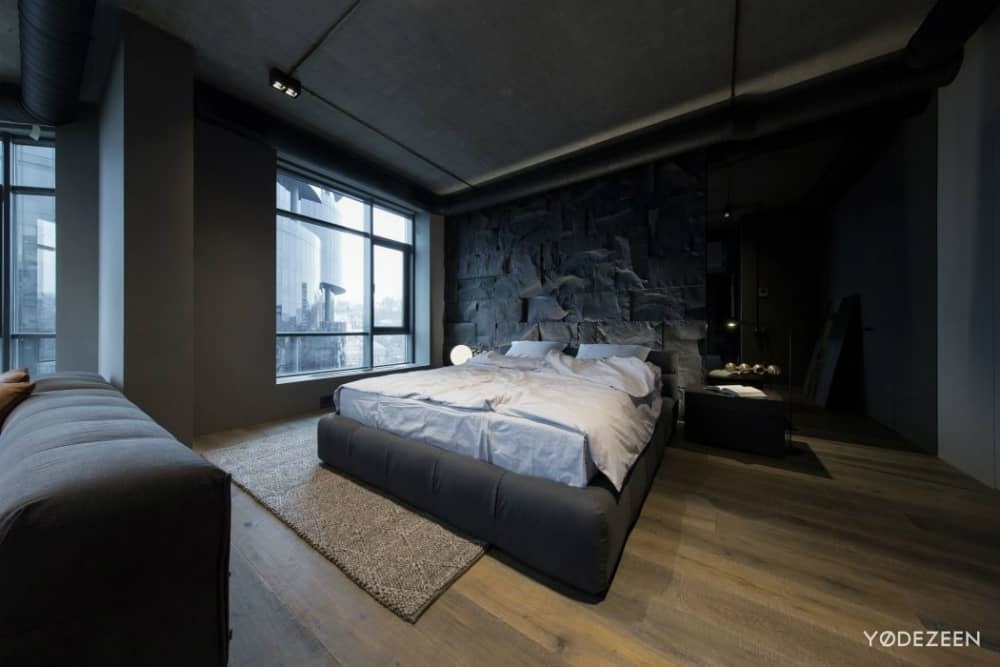
Deep walls can bring welcome quiet to a busy home, especially in a bedroom or reading corner. Their success depends on what sits beside them. Pair a matte, nearly-black surface with materials that invite touch: a softly upholstered headboard, washed cotton bedding, brushed metal, or a timber bedside stool. These contrasts keep the scheme layered instead of flat. If painting an entire room feels too permanent, try one feature wall, a painted alcove, or a large textile panel behind the bed.
Reflective accents are useful in moderation. A framed mirror, glazed lamp base, or satin-finish curtain rod can catch daylight and soften the density of the color. Avoid scattering glossy objects everywhere, because too much sparkle can make a restful room feel busy. For a practical evening routine, use two light levels: a low lamp for winding down and a focused reading light that does not flood the whole room. Keep charging cables contained in a small box or fabric sleeve so the calm visual field survives modern life. A dramatic backdrop works best when the rest of the room feels edited, comfortable, and easy to maintain.
Kitchen Pause: Cocoa-Date Oat Bites
- 1 cup rolled oats
- 6 soft dates, pitted
- 2 tablespoons unsweetened cocoa
- 2 tablespoons almond butter
- 1 tablespoon chia seeds
- 1 tablespoon water
- Pulse oats, dates, cocoa, almond butter, chia, and water in a food processor.
- Roll the mixture into small balls with damp hands.
- Chill for 20 minutes before serving.
3. Use Transparency as a Quiet Boundary
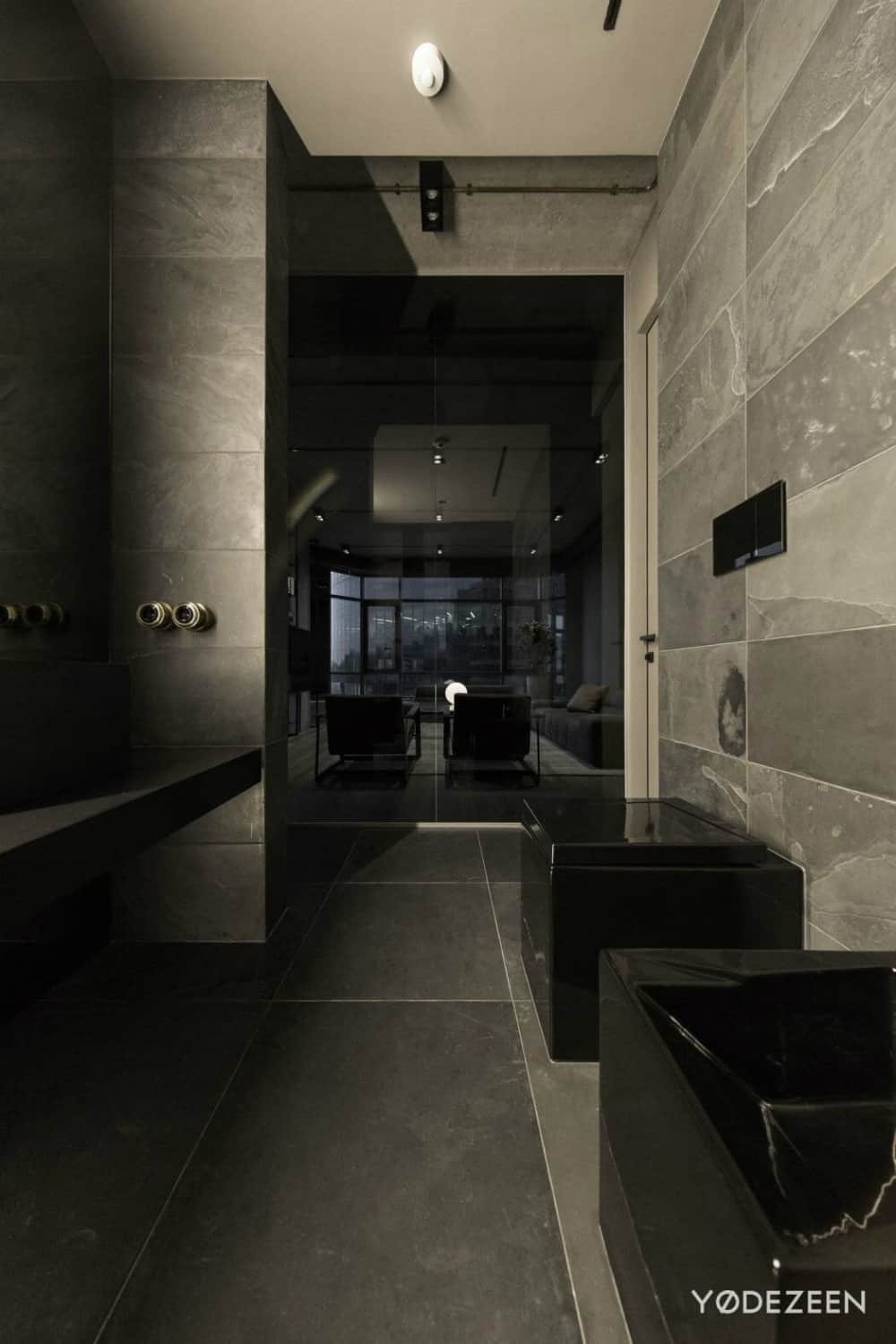
Glass and other translucent surfaces can separate functions while preserving a connected feeling. A fluted-glass door, clear shower panel, or slim metal-framed screen gives privacy and structure without the visual stop of a solid partition. In a small home, that distinction matters: sightlines remain open, daylight travels farther, and the floor plan feels less chopped up. Choose transparency where it solves a real problem rather than treating it as decoration.
Privacy can be adjusted with a curtain, film, or textured glass, so the choice does not have to be all or nothing. Keep the surrounding finishes calm and inspect the edges for fingerprints, water marks, and dust; transparent elements look best when their maintenance is built into the weekly routine. A squeegee near the shower and a small microfiber cloth in the cleaning caddy make upkeep nearly effortless. Outside the bathroom, consider translucent storage bins only for categories you access often. Hidden clutter is still clutter, but a carefully chosen see-through boundary can make a compact home feel more generous while keeping each activity legible.
Kitchen Pause: Cucumber-Mint Yogurt Cups
- 1 cup plain Greek yogurt
- 1 small cucumber, grated
- 1 tablespoon chopped mint
- 1 teaspoon lemon juice
- 1 small garlic clove, grated
- Salt and pepper
- Whole-grain crackers, to serve
- Squeeze excess liquid from the cucumber.
- Stir cucumber, yogurt, mint, lemon, garlic, salt, and pepper together.
- Spoon into small cups and serve with crackers.
4. Design a Small Kitchen Around Movement
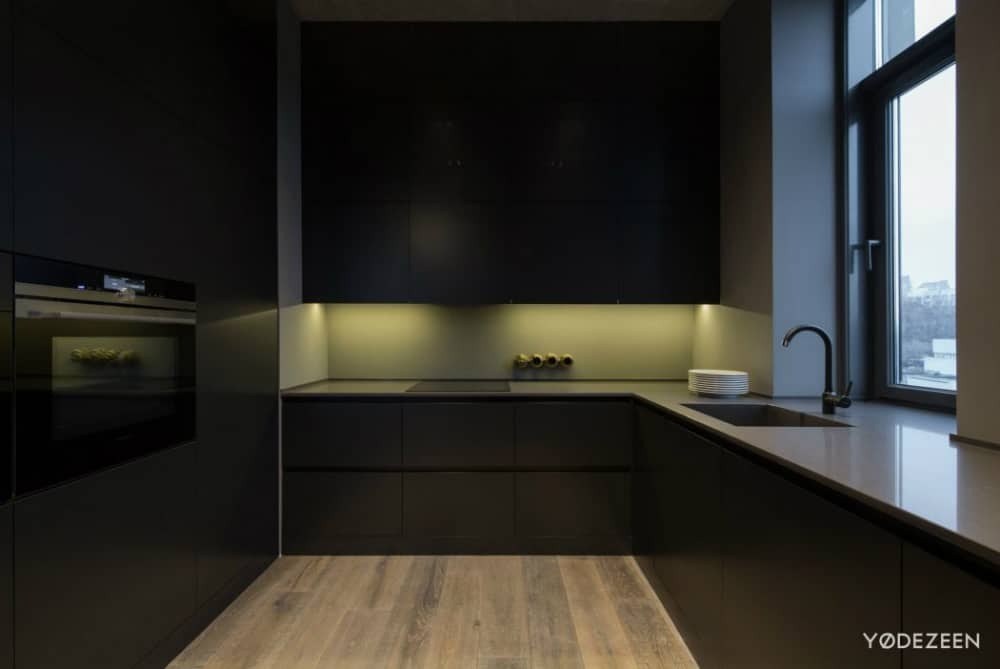
A compact kitchen can feel efficient when its most-used tools are arranged around movement rather than appearance. Keep knives, a board, and everyday seasonings close to the preparation surface; place pans near the cooktop; and reserve the hardest-to-reach cabinet for occasional equipment. A single open shelf may be helpful for attractive, frequently used items, but leave enough empty space that it does not become a second countertop. Matching containers can make staples easy to identify without forcing every ingredient into view.
Lighting deserves special attention in a small cooking zone. A warm under-cabinet strip or adjustable wall light can make chopping and washing easier while adding a gentle glow after dinner. If the kitchen shares a room with the lounge, choose one finish or color that repeats elsewhere, such as a muted olive accent or wooden handle. That visual link helps the kitchen belong to the home instead of announcing itself as a separate work station. End each cooking session by wiping the main surface and returning only the essentials. The reward is not just tidiness; it is a lower-friction invitation to prepare the next meal.
Kitchen Pause: One-Pan Tomato Chickpeas
- 1 tablespoon olive oil
- 1 small onion, diced
- 2 garlic cloves, minced
- 1 can chickpeas, rinsed
- 1 cup crushed tomatoes
- 1 teaspoon smoked paprika
- 2 handfuls baby spinach
- Salt and pepper
- Soften onion in oil, then add garlic and paprika for 30 seconds.
- Stir in chickpeas and tomatoes; simmer for 8 minutes.
- Fold in spinach until wilted, then season and serve.
5. Layer Light for the Hours After Sunset
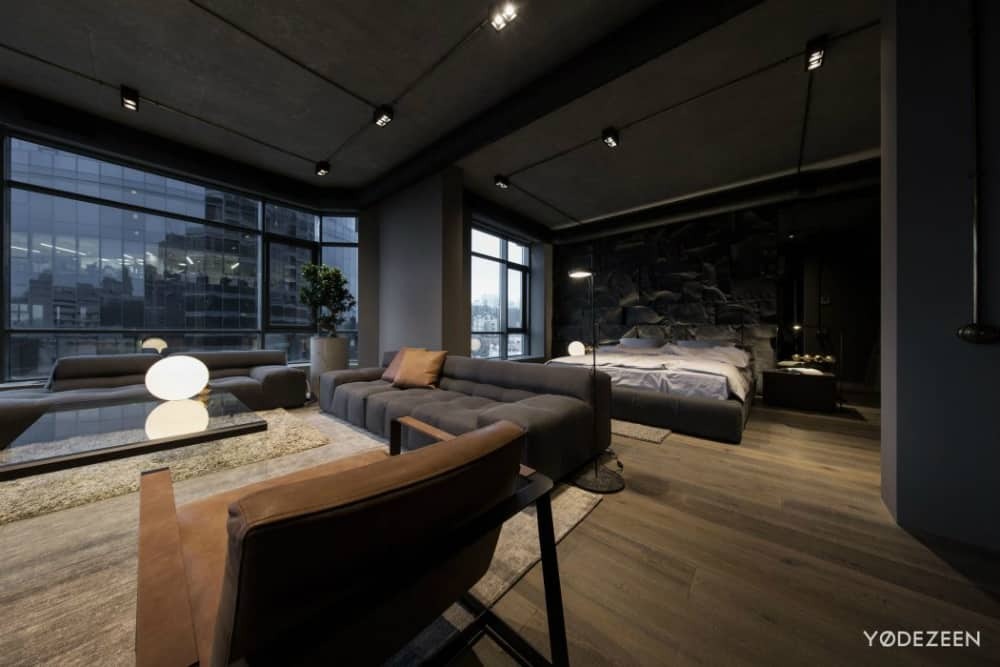
A single ceiling fixture rarely gives a home the atmosphere or usefulness it needs after dark. Build a layered plan with general light for cleaning, task light for reading or cooking, and low ambient light for conversation. Small lamps placed at different heights create a more relaxed rhythm than one bright source overhead. Warm bulbs are often comfortable in living areas, while a clearer light at a prep surface helps you see ingredients accurately. The exact fixture matters less than having more than one choice.
Treat lighting as a sequence of habits. Turn on a lamp near the sofa before the room becomes dark, switch on the kitchen task light while preparing dinner, and dim the general light once the meal is finished. Shades and diffusers can reduce glare, especially when dark finishes would otherwise reflect a sharp point of brightness. Keep switches accessible and group cords neatly behind furniture. If you rent, plug-in sconces and rechargeable lamps can provide much of the same effect without rewiring. A well-lit home is not necessarily the brightest one; it is the one that lets you change the mood and function of a room as the day changes.
Kitchen Pause: Warm Pear and Walnut Bowl
- 1 ripe pear, sliced
- 1 cup plain yogurt
- 2 tablespoons chopped walnuts
- 1 tablespoon pumpkin seeds
- 1 teaspoon honey
- Pinch of cinnamon
- Spoon yogurt into a bowl.
- Arrange pear slices over the yogurt.
- Add walnuts, pumpkin seeds, honey, and cinnamon.
6. Balance Stone and Concrete With Daily Comfort
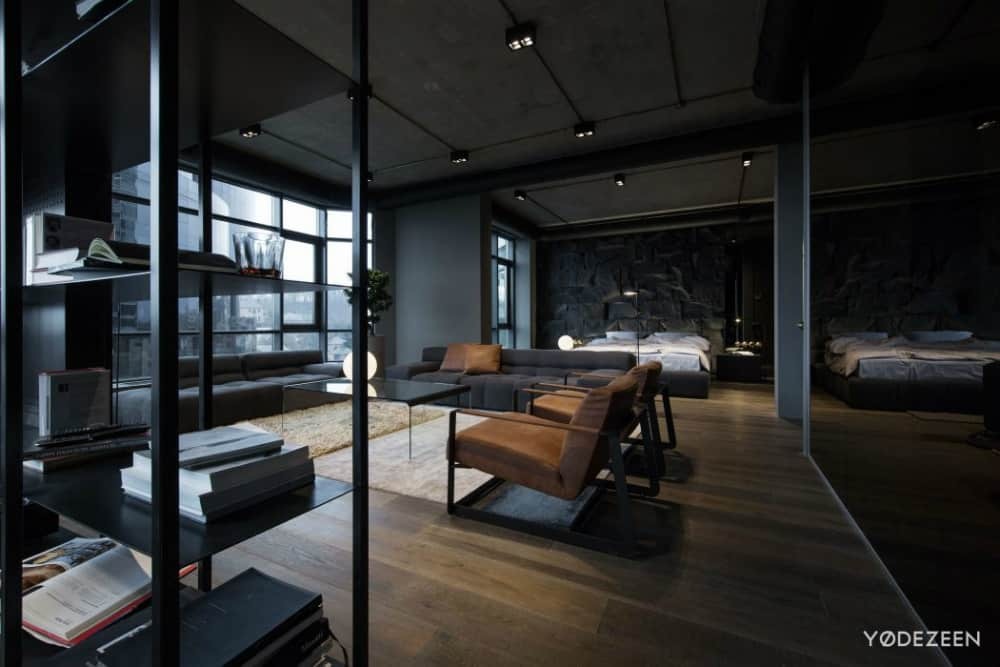
Hard finishes bring character, durability, and a sense of permanence, but a home needs counterweights to remain inviting. If concrete, stone, or dark metal dominates the architecture, add softness where the body meets the room: a thick rug, upholstered chair, washable runner, or layered bedding. Plants and timber introduce an organic note without undoing the clean lines. The most successful combinations are not perfectly matched; they allow rough and smooth, cool and warm, and matte and reflective surfaces to sit together.
Comfort also comes from practical choices that are easy to overlook. Use coasters on stone surfaces, felt pads under dining chairs, and washable covers where pets or frequent guests make wear inevitable. Keep a basket for throws beside the sofa so softness is available without visual sprawl. In a bedroom, place a small tray near the bed for water, glasses, and a book; this reduces nighttime wandering and keeps the top surface composed. Think of each material as part of a hospitality plan. A strong architectural shell can support relaxed living when the accessories are chosen for touch, maintenance, and use—not only for their appearance in a photograph.
Kitchen Pause: Rosemary Apple Skillet
- 2 apples, thinly sliced
- 1 teaspoon olive oil
- 1 teaspoon chopped rosemary
- 1 tablespoon maple syrup
- 2 tablespoons rolled oats
- 1 tablespoon chopped pecans
- Pinch of salt
- Warm oil in a skillet and cook apples with rosemary for 4 minutes.
- Add maple syrup and salt, tossing to coat.
- Top with oats and pecans; cook 2 minutes more and serve warm.
Final Thoughts
Moody interiors become livable when drama is supported by generosity: clear circulation, useful storage, soft textures, and lighting that follows the household’s real schedule. You do not need to redesign every room at once. Start with one surface, one lighting improvement, or one clutter-prone zone, then notice how the change affects the way you move through the home.
The best result is a space with personality that still makes ordinary evenings easy. When materials, meals, and routines are considered together, a darker palette can feel grounded, restful, and deeply personal rather than severe.