Small-Space Living That Feels Bright, Calm, and Delicious
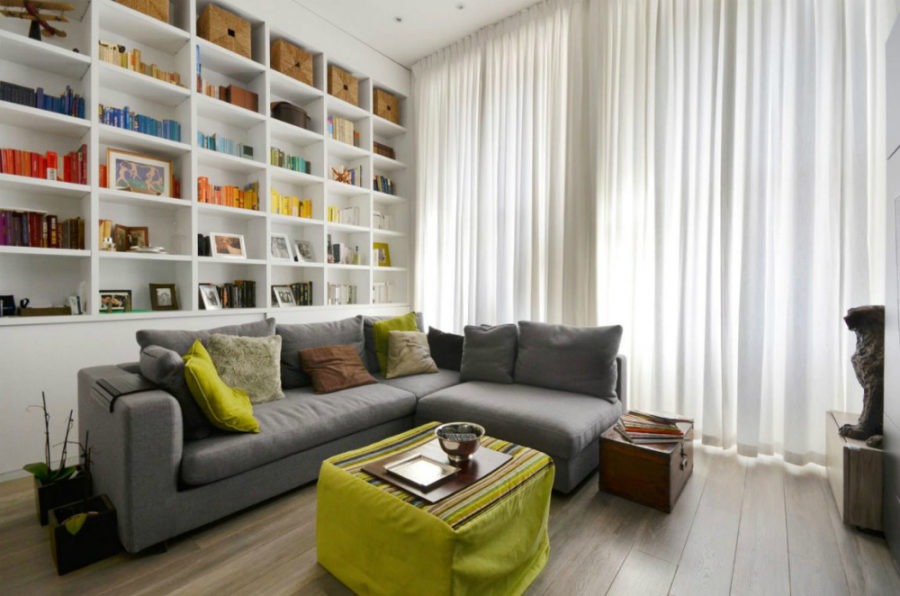
A compact home does not have to feel dim, crowded, or constantly unfinished. The most comfortable small spaces work because they make every decision do more than one job: a borrowed view carries daylight, a quiet wall conceals storage, and a narrow passage becomes part of the home’s rhythm rather than leftover square footage. Those same principles can shape daily routines, from where you keep breakfast supplies to how you create a softer transition into sleep.
This guide turns a light-filled urban apartment concept into practical lifestyle habits for any modest home. You will find ideas for using contrast without visual heaviness, organizing a kitchen around real movement, and making small moments of cooking feel restorative. Each section includes a brief Kitchen Pause recipe so the room can support not only better flow, but also simple, nourishing meals.
1. Let Daylight Travel Further
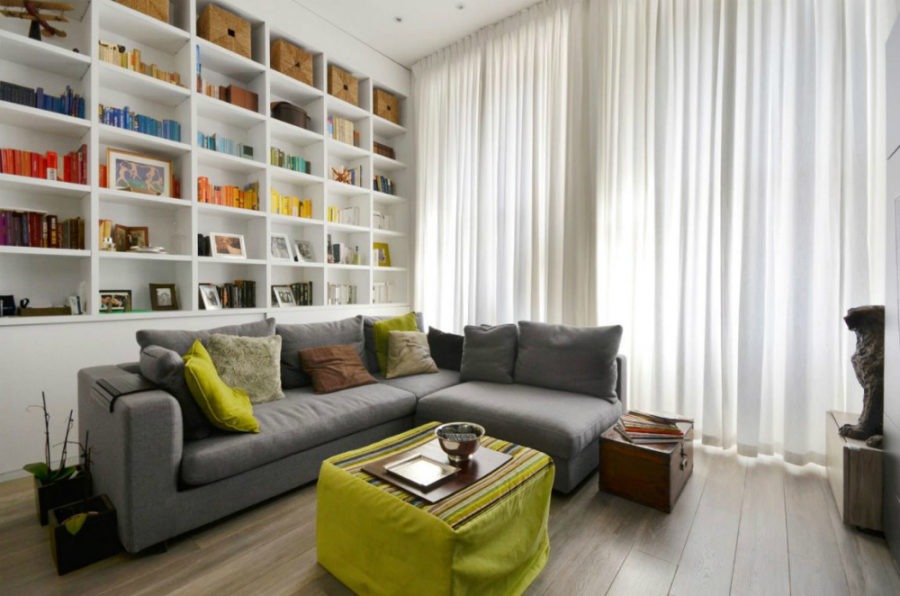
In a small home, natural light is a shared resource. Instead of treating each room as a sealed box, look for ways to let brightness pass between spaces: use interior glazing, open shelving, frosted panels, or a high transom where privacy allows. Even a doorway kept visually clear can make a dark corner feel connected to the sunniest room. Pale walls, matte finishes, and lightly colored textiles help distribute that glow without making the home feel stark.
A practical first step is to observe the room at three different times of day. Note which surfaces catch light and which areas remain dull, then move tall furniture away from those pathways. Keep reflective objects selective—a framed mirror, a glass vase, or a satin metal lamp is usually enough. For lifestyle balance, place a small breakfast station or reading chair near the brightest dependable patch, giving the morning a natural anchor. In the evening, replace overhead glare with two low lamps so the home changes mood gradually.
Kitchen Pause: Lemon-Herb White Bean Toast
- 1 cup rinsed cannellini beans
- 2 slices seeded whole-grain bread
- 1 tablespoon olive oil
- 1 teaspoon lemon zest
- 1 tablespoon lemon juice
- 1 tablespoon chopped parsley
- Pinch of salt and black pepper
- Mash beans with olive oil, lemon zest, lemon juice, parsley, salt, and pepper.
- Toast the bread until crisp at the edges.
- Spoon the bean mixture over toast and finish with extra herbs.
2. Use Contrast as a Boundary
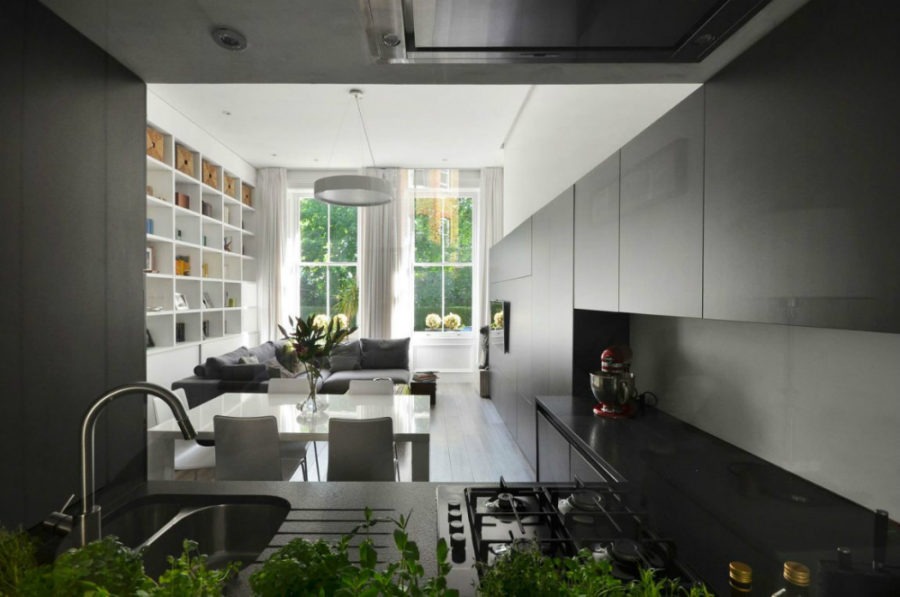
Color can organize a small floor plan more gracefully than extra walls. A deep, saturated finish around the kitchen or dining zone creates a visual destination, while a lighter neighboring area feels more open by comparison. The trick is to repeat one or two connecting details—wood tone, handle finish, or fabric color—so the contrast reads as intentional rather than abrupt.
This approach is especially useful when a home serves several purposes at once. A darker backsplash can make cooking feel grounded, while a pale sitting area signals rest. Keep the strongest color below eye level or on a single plane if the room is narrow; too many competing dark surfaces may absorb the very light you are trying to preserve. You can also test the idea inexpensively with a painted cabinet end, a runner, or a removable panel before committing.
For everyday living, assign each visual zone a simple behavior: prepare food in the bold zone, eat at the edge, and unwind where the palette becomes quieter. That small cue can reduce the feeling that work and relaxation are happening everywhere.
Kitchen Pause: Charred Pepper Hummus Cups
- 1 cup plain hummus
- 1 roasted red pepper, chopped
- 1 tablespoon lemon juice
- 1 teaspoon smoked paprika
- 1 small cucumber, diced
- 8 lettuce leaves
- Stir pepper, lemon juice, and paprika into the hummus.
- Spoon hummus into lettuce leaves.
- Top with diced cucumber and serve immediately.
3. Build Storage Around the Routine
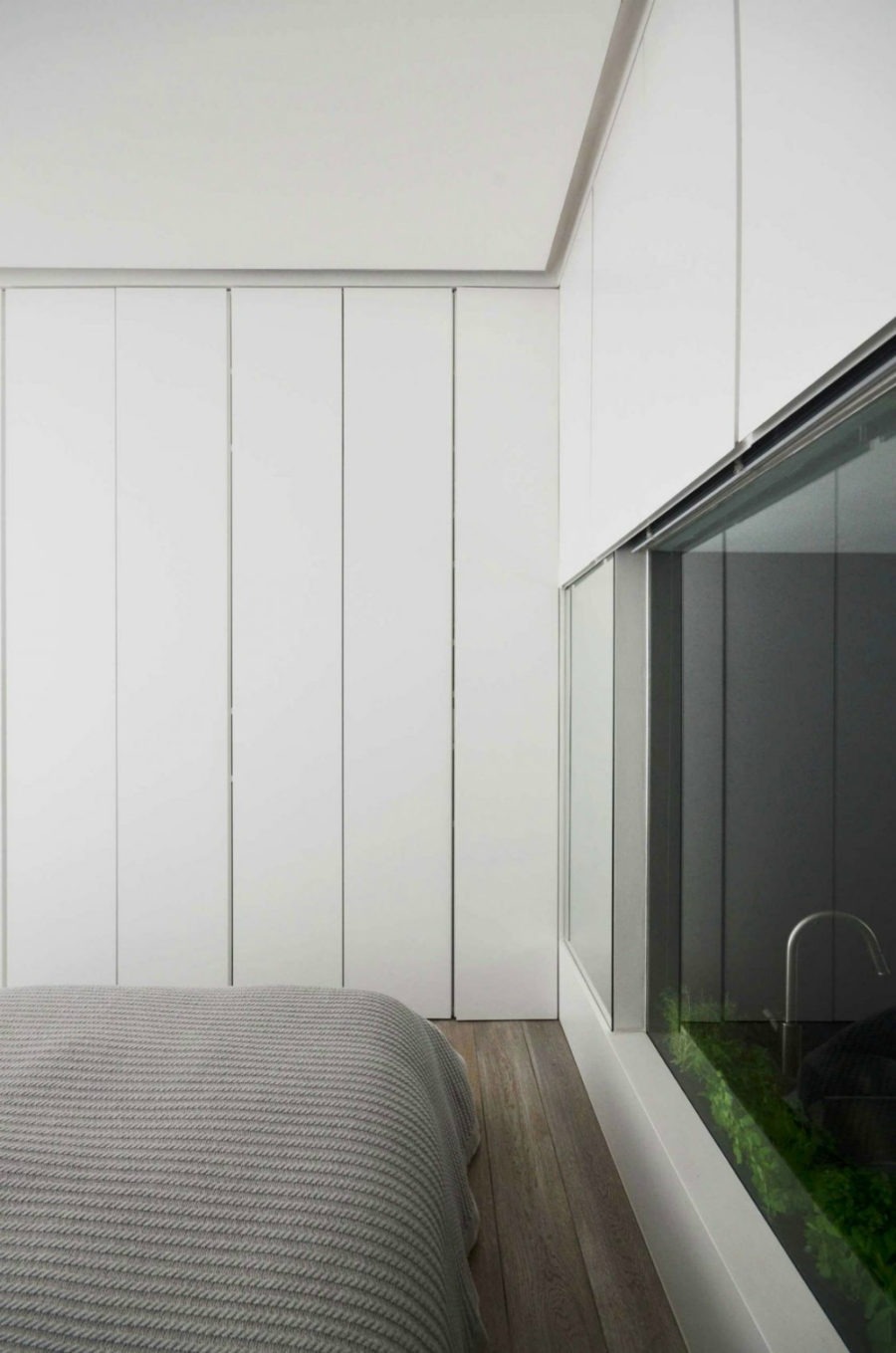
Storage works hardest when it follows the order of a real day. Put mugs, oats, and coffee within one easy reach; keep pans near the hob; place less-used serving pieces higher or farther back. In a compact kitchen, this kind of choreography matters more than owning a large number of cabinets. A shallow shelf for everyday jars can be more useful than a deep cupboard where ingredients disappear.
Choose containers that make the inventory visible, but avoid turning every surface into a display. A single tray can gather oils and spices, while a drawer divider keeps cooking tools from migrating. In the living area, combine closed storage with a small open library or display niche. The closed portion absorbs visual noise; the open portion gives the room personality and makes frequently used items easy to return.
Once a week, reset one category rather than the entire home. Check breakfast foods on Sunday, pantry staples midweek, and linens before laundry day. This keeps maintenance short and concrete. The goal is not an immaculate room at every moment; it is a home where the next useful action is obvious.
Kitchen Pause: Five-Minute Apple Cinnamon Oats
- 1/2 cup rolled oats
- 1 cup milk or unsweetened oat milk
- 1 small apple, finely diced
- 1/2 teaspoon cinnamon
- 1 tablespoon walnuts, chopped
- 1 teaspoon maple syrup
- Simmer oats, milk, apple, and cinnamon for 4–5 minutes.
- Spoon into a bowl and add walnuts.
- Drizzle with maple syrup and eat warm.
4. Make the Kitchen a Living-Room Neighbor
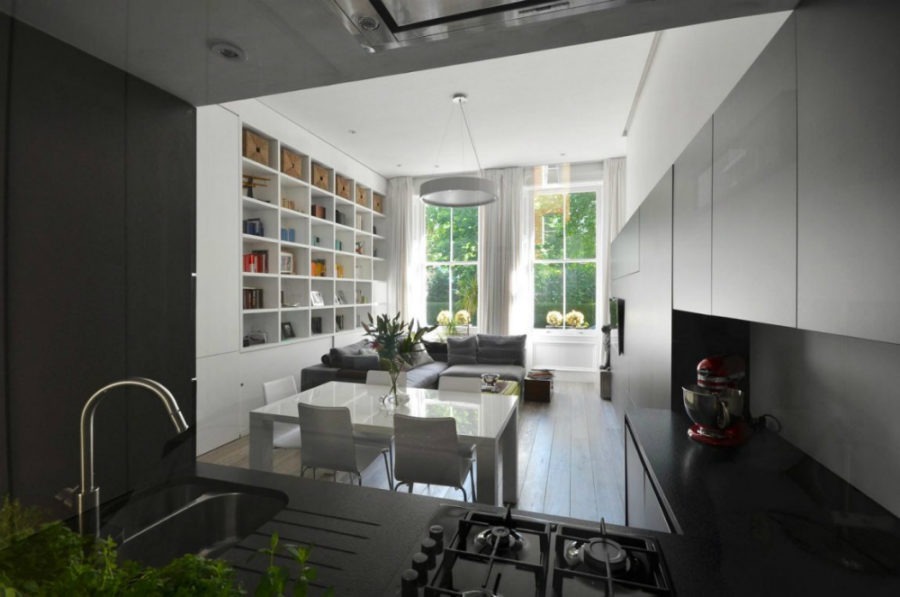
When the kitchen shares a long room with lounging space, its edges deserve as much attention as its appliances. A counter aligned with the room’s main sightline can act as a visual bridge, especially when its end also supports a bookcase, media console, or compact work surface. Keep the counter clear enough for preparation, then choose one portable object—a bowl of fruit, a herb pot, or a wooden board—to make the transition feel warm.
Think about movement before buying organizers. Mark the paths between refrigerator, sink, and cooking surface with removable tape, and notice where doors or stools interrupt them. Select slim stools, handleless fronts, or pull-out accessories only when they improve that path. If the kitchen is visible from the sofa, store cleaning supplies behind a door and give appliances a designated parking place.
The lifestyle benefit is meaningful: a well-connected kitchen encourages shared meals instead of isolated snacking, while a calm counter makes cooking easier to begin. Keep a small recipe notebook or tablet stand nearby, but remove it when the meal is finished so the room can return to social mode.
Kitchen Pause: Herby Chickpea Cucumber Bowls
- 1 can chickpeas, rinsed
- 1 cup diced cucumber
- 1/2 cup cherry tomatoes, halved
- 2 tablespoons plain yogurt
- 1 tablespoon lemon juice
- 1 tablespoon chopped dill
- Salt and pepper
- Combine chickpeas, cucumber, and tomatoes in a bowl.
- Mix yogurt, lemon juice, dill, salt, and pepper.
- Spoon dressing over the vegetables and toss gently.
5. Protect Rest Without Losing Connection
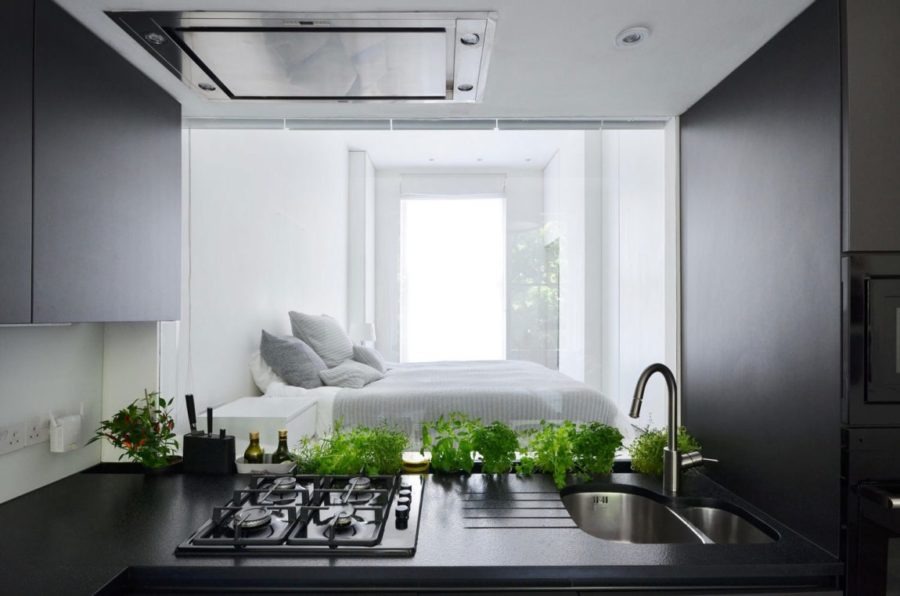
Open sightlines can brighten a home, but bedrooms still need a clear invitation to rest. Curtains, blinds, and fabric panels provide flexible privacy without permanently closing the room off. Choose a lining that softens morning light rather than blocking it completely, and install the hardware high and wide enough to make the window feel generous when the panels are open.
A bedroom that borrows light from elsewhere benefits from a restrained palette and fewer visual decisions. Use one substantial piece of art, a bedside lamp with a warm bulb, and storage that keeps clothing from spreading across the floor. If a desk must share the room, define its hours: keep work materials in one box or drawer and clear the surface before dinner. That physical reset helps the room shift from productivity to recovery.
For small-space wellness, pay attention to sound as well as sight. A rug, upholstered headboard, or lined curtain can make a hard room feel quieter. Create a repeatable wind-down sequence—dim lights, prepare water, close the curtains, and put the phone away—so the architecture supports the habit.
Kitchen Pause: Warm Pear and Ricotta Crisp
- 1 ripe pear, sliced
- 1/3 cup ricotta
- 1 teaspoon honey
- 1/4 teaspoon ground ginger
- 2 tablespoons rolled oats
- 1 teaspoon chopped pecans
- Warm pear slices in a skillet for 3 minutes.
- Stir ginger into ricotta and spread into a bowl.
- Add pears, oats, pecans, and honey.
6. Turn Small Details into Daily Rituals
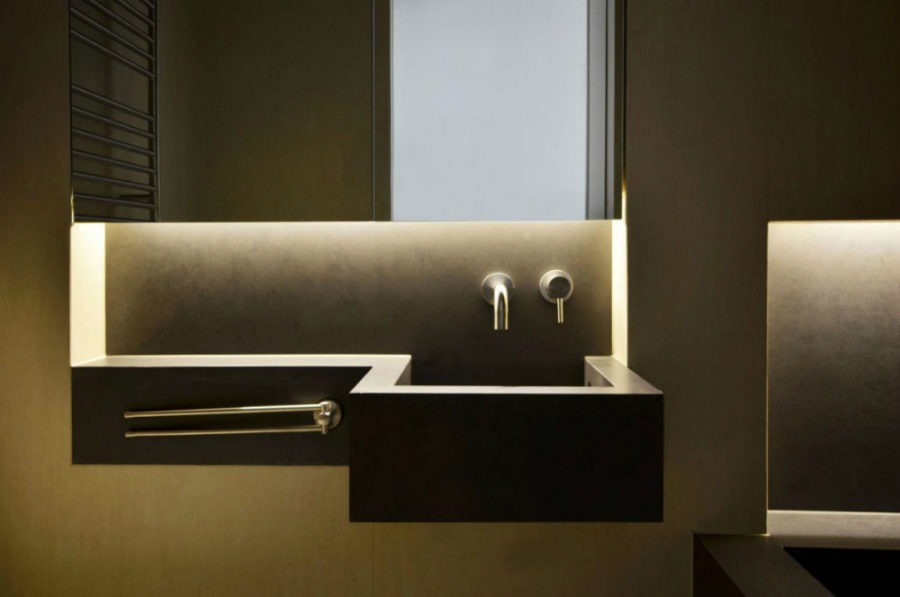
The best compact homes are not defined by clever tricks alone; they feel good because small details are repeated with care. A narrow corridor can become a useful pause between public and private life when it has a runner, a hook for the day’s bag, or a small ledge for keys. A modest bathroom can feel composed when toiletries are edited, towels are coordinated, and the lighting is layered rather than harsh.
Look for overlooked surfaces above doors, beside appliances, and beneath benches. Use them for infrequent items, not daily clutter. Add a plant or herb where it receives appropriate light, and choose varieties that fit your attention span. In a tiny home, maintenance should be gentle enough to sustain: wipe one surface while water heats, return three objects before bed, and keep a donation bag accessible.
These rituals turn design into a form of hospitality toward yourself. The apartment does not need to perform spaciousness; it needs to make transitions easy. When every threshold offers a cue—arrive, refresh, cook, pause, sleep—the entire home can feel larger because the day moves through it with less friction.
Kitchen Pause: Minty Citrus Spritzer
- 1/2 orange, juiced
- 1/2 lemon, juiced
- 1 cup sparkling water
- 4 mint leaves
- 1 teaspoon honey, optional
- Ice cubes
- Stir citrus juices and honey in a glass.
- Add ice and sparkling water.
- Clap the mint leaves between your hands, add them, and stir.
Final Thoughts
A small home becomes more generous when light, storage, color, and routine are planned together. You do not need a dramatic renovation to create that feeling; a clearer sightline, a better lamp, a dedicated landing place, or a five-minute meal can shift the way the whole space works.
Let the home support the pace you want to keep. Edit what interrupts movement, preserve what brings pleasure, and make room for simple food and genuine pauses. When design reduces friction, even a compact address can feel bright, grounded, and deeply livable.