Christmas 2026 at Home: Seven Fresh Ways to Make Your Holiday Style Feel Personal
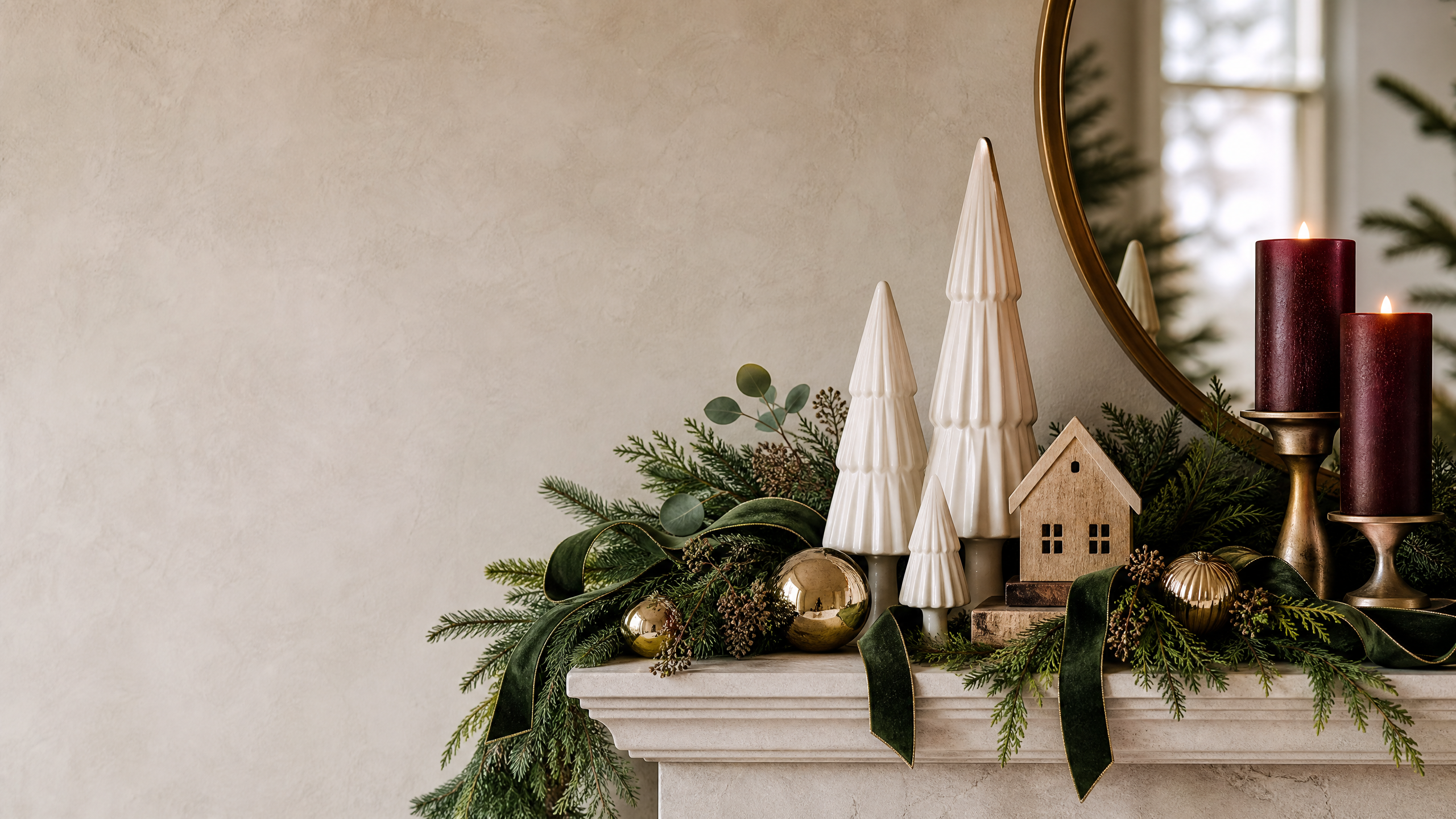
Holiday decorating does not have to be a race toward the biggest tree, the shiniest room, or the most expensive collection of ornaments. The most inviting spaces usually have something else in common: they feel intentional. A familiar color appears in an unexpected place, a handmade detail sits beside a treasured keepsake, and the decorations leave enough room for the people who make the season meaningful.
For Christmas 2026, the most useful decorating ideas are less about following one rigid look and more about choosing a mood. You might want a room that feels like a candlelit winter evening, a playful gathering space ready for a game night, or a warm traditional home that looks collected over time. The ideas below are designed to help you build that feeling with manageable changes rather than a complete seasonal overhaul.
Begin with a decorating point of view
Before opening the storage boxes, choose three words for the atmosphere you want to create. “Warm, natural, and quiet” will lead you toward different choices than “colorful, sparkling, and playful.” This small exercise keeps individual purchases and DIY projects from competing with one another.
Next, select one anchor area. It could be the mantel, dining table, entryway, or the corner where the tree stands. Finish that area first, then repeat one or two of its colors or textures elsewhere. Repetition creates a cohesive home without requiring every room to match.
A simple planning table can help:
| If you want your home to feel… | Emphasize… | Keep in the background… |
|---|---|---|
| Cozy and gathered | Soft fabrics, warm light, wood tones | High-shine surfaces |
| Playful and lively | Unexpected color, oversized details, movement | Too many tiny accents |
| Elegant and calm | A limited palette, reflective touches, open space | Mixed themes in one display |
| Nostalgic and familiar | Heirlooms, classic shapes, handmade pieces | Perfectly coordinated finishes |
Once the overall direction is clear, these seven approaches can be mixed and adapted to your home.
1. Use fabric as the fastest seasonal update
Ribbon, cloth, and other flexible materials can change the character of a room without asking you to replace its main decorations. Instead of treating ribbon as something reserved for packages, use it to create a visual thread through the home.
Try tying short lengths of fabric around stair spindles, the backs of dining chairs, or the handles of a cabinet. A long strip can be loosely gathered along a mantel or woven through a plain garland. For a softer look, choose linen, cotton, velvet, or checked fabric. For more light and movement, use a translucent or satin-like material in small doses.
The key is to vary the scale rather than use the same bow everywhere. A generous knot at the entryway can welcome guests, while narrow ties on chair backs keep the dining room understated. If you are working with leftover fabric, cut several strips at once and leave the edges raw for a relaxed, handmade finish.
A practical fabric test
Place a sample beside your tree lights or room lighting before committing. Colors can appear dramatically different in daylight and in the evening. If a material feels too formal, pair it with an ordinary element such as kraft paper, a wooden bead garland, or a simple evergreen clipping.
2. Build a winter-night corner with reflective accents
A few reflective surfaces can make a small gathering area feel festive long after the sun goes down. Think beyond an all-silver theme: a mixture of mirrors, polished ornaments, metallic paper, and glass can catch light from different angles while keeping the room comfortable.
Create a small “winter-night” corner on a sideboard or bar cart. Start with a tray to give the display a boundary. Add one reflective object, one glowing element, and one natural texture. For example, a small mirror can sit behind a candle lantern, while a bowl of pinecones or dried citrus provides contrast. The arrangement will feel more considered than a pile of shiny objects because each surface has a different job.
This idea also works for New Year’s Eve. Leave the foundation in place and replace a few distinctly Christmas-shaped pieces with stars, paper ornaments, or simple metallic accents. A decorating scheme that can transition between celebrations earns its storage space.
3. Let cool details appear in small “frost pockets”
Winter-inspired decoration does not need to cover an entire room. A few pale, glassy, or translucent details can suggest frost without making the space feel cold. Place them where light naturally passes through: near a window, along a dining table, or among the branches of a wreath.
For a centerpiece, arrange clear ornaments or faceted objects in a shallow bowl with battery-operated lights tucked beneath them. On a tree, distribute cool-toned pieces across the branches instead of clustering all of them at eye level. In an entryway, a small grouping on a shelf can provide the seasonal cue without obstructing coats, shoes, or daily traffic.
If you have children or pets, keep breakable items at a height and location that suits your household. Acrylic, wood, felt, and sturdy resin can provide a similar visual effect in spaces where glass would be inconvenient.
4. Pair deep green with a metal that suits your home
Deep green is an adaptable holiday color because it can read as traditional, woodland-inspired, or sophisticated depending on what surrounds it. Rather than automatically pairing it with one particular metallic, look at the finishes already present in your room.
Warm brass and antique gold work well with wood furniture and amber lighting. Pewter, silver, or brushed nickel can make the same green feel quieter and more modern. Copper adds a little warmth without the formal feeling of a highly polished finish.
Use the combination in layers. A green table runner might support brass candlesticks, while a green cushion or throw can echo the look in the living room. You do not need every object to carry both colors. Repeating one color in several places and reserving the metal for a few accents usually looks more natural.
Keep the palette from becoming heavy
Deep colors absorb visual attention, so balance them with cream, natural wood, soft white, or clear space. If the room already has dark furniture, use green on smaller textiles or ornaments rather than adding it to every large surface.
5. Give one oversized object a starring role
Large-scale decoration can be effective when it is treated as a focal point rather than scattered everywhere. A tall paper star, a large wreath, an oversized ornament cluster, or a generous vase of branches can fill an awkward area with one confident gesture.
Choose the location first. A large object needs breathing room and should not interfere with doors, walkways, television sightlines, or places where presents are opened. Once it is positioned, keep the surrounding area relatively simple. Three large objects competing for attention will feel busier than one substantial piece supported by a few smaller details.
You can also create scale with everyday materials. Stack wrapped boxes in graduated sizes, group several paper lanterns above a dining table, or arrange branches in a tall container. These options allow you to adjust the height and width until the display fits your room.
6. Revisit classic red through a less predictable lens
Traditional red can feel fresh when it is used with restraint and given a new partner. Instead of covering the room in bright red, try cranberry, brick, berry, or muted tomato. These shades can bring warmth while blending more easily with neutral interiors.
Use red where you want the eye to land: in a set of napkins, a cluster of ornaments, a painted sign, or the lining of a basket. Pair it with cream and aged wood for a relaxed country feeling, charcoal for contrast, or pale pink for a softer, more playful direction. Matte finishes can make familiar colors feel quieter, while a single glossy object adds a little energy.
A red accent is especially useful in rooms that already contain neutral furniture. It gives the space a seasonal identity without requiring permanent changes.
7. Make the holiday table part of the story
The dining table is often where people spend the longest uninterrupted stretch of time together, so it deserves more than a decorative afterthought. A successful table setting should look inviting before the meal begins and remain practical once plates, serving dishes, and conversation take over.
Start by choosing a centerpiece that does not block faces across the table. A low arrangement of greenery, a row of small vessels, or a cluster of candles in secure holders can create atmosphere while leaving sightlines open. Add one personal detail at each place setting, such as a handwritten name card, a sprig of rosemary, or a small paper ornament guests can take home.
Mix materials to keep the table from looking like a display window. Pair cloth napkins with simple dishes, wooden elements with glass, or a polished accent with woven placemats. The contrast makes the setting feel lived-in and encourages guests to relax.
A one-afternoon refresh plan
If you want a noticeable update without redecorating the whole house, set aside one afternoon for a focused refresh. First, remove anything broken, tangled, or no longer suited to your space. Second, gather decorations by color and material so you can see what you already own. Third, choose one anchor area and install the largest element first. Fourth, repeat two details—perhaps a fabric color and a metallic finish—in nearby rooms. Finally, walk through the home at night and edit anything that feels crowded or too bright.
Photograph each finished area before putting decorations away. Next year, the pictures can serve as a quick reference, and they may also reveal which pieces were genuinely useful rather than merely exciting in the moment.
Make room for the people, not just the decorations
The most enduring holiday style is not necessarily the most dramatic. It is the arrangement that makes space for a mug on the side table, a child’s craft on the mantel, an extra chair at dinner, or a familiar ornament that does not match the current palette. Trends can provide a starting point, but personal meaning is what gives a home its holiday character.
Choose one or two ideas that fit your routines, adapt them to what you already have, and let the rest remain optional. A few thoughtful details—soft fabric, a well-placed glow, a deep seasonal color, or a welcoming table—can make the entire home feel ready for celebration.