A More Nourishing Home Begins With Six Thoughtful Zones
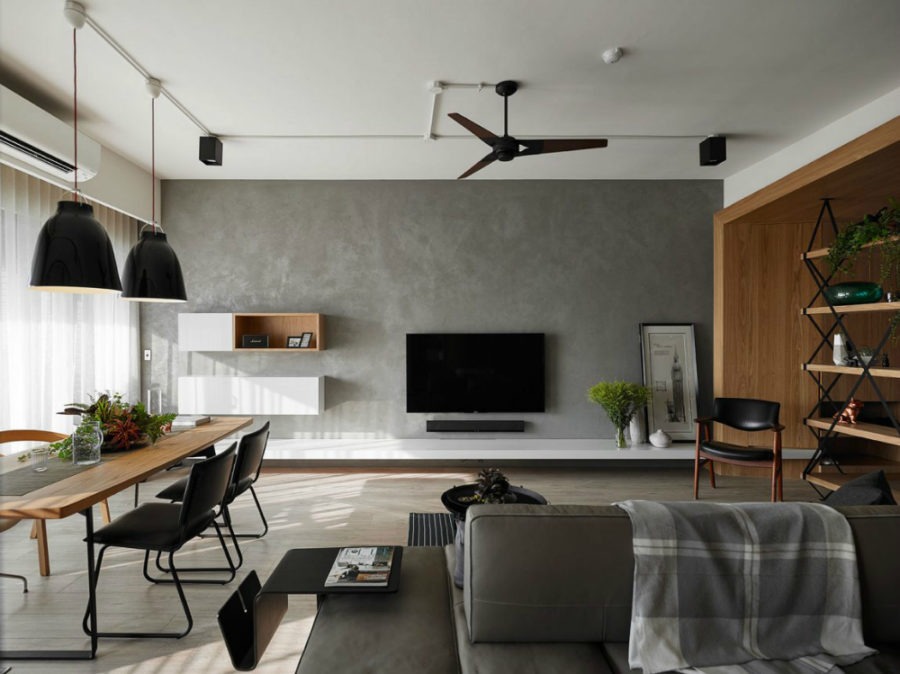
A home does not need more square footage to feel more generous. It needs a clearer conversation between the things we do every day: preparing food, gathering, resting, playing, reading, and stepping outside for a breath of air. When each activity has a welcoming place, even a compact apartment can feel composed rather than crowded.
This guide translates an adaptable open-plan mindset into practical lifestyle habits. Warm materials, visual boundaries, movable furniture, and purposeful storage can support healthier routines without making a home feel rigid. The ideas are especially useful for households that want shared spaces to work for both quiet concentration and lively family time.
1. Let the Entry Set the Tone for the Day
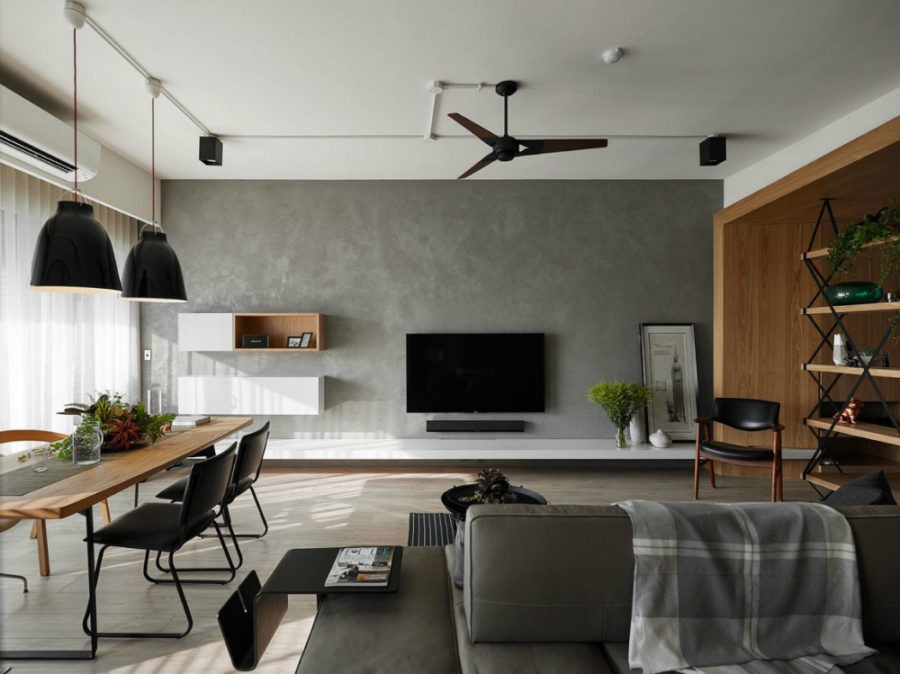
The first few feet inside a home can either absorb daily friction or spread it through every room. Create a landing strip with one shallow surface for keys, a basket for reusable shopping bags, and a closed container for shoes or outdoor gear. A timber-toned bench, woven tray, or cork mat can bring softness to a hard-working threshold while keeping the arrangement visually calm. The goal is not to decorate an entrance with objects; it is to give recurring objects a dependable address.
A small reset here can improve the rest of the evening. Before moving farther inside, place mail in one sorting folder, return bags to the basket, and leave tomorrow’s essentials together. For families, add a low hook rail and a washable bin so children can participate. That tiny act of shared responsibility turns tidying into a transition ritual rather than a correction. Keep the path wide, leave a little breathing room around the door, and choose finishes that tolerate scuffs. A home feels more welcoming when its practical systems are easy to use at the exact moment they are needed.
Kitchen Pause: Cinnamon Pear Oat Cups
- 1 cup rolled oats
- 1 ripe pear, diced
- 1 egg
- 1/2 cup milk
- 1 tablespoon maple syrup
- 1/2 teaspoon cinnamon
- Heat the oven to 350°F and grease six muffin cups.
- Stir all ingredients together and divide among the cups.
- Bake for 20–24 minutes, until set and lightly golden.
- Cool briefly before serving or packing for the morning.
2. Use Texture to Mark Shared Living Areas
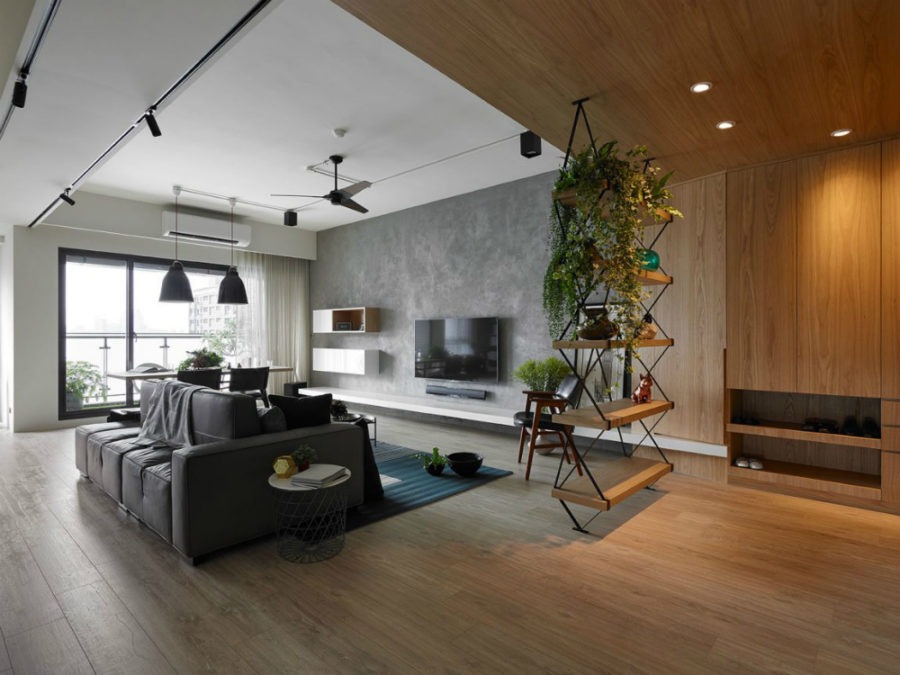
Open layouts work best when the eye can understand where one activity ends and another begins. Instead of building walls, use a change in texture: a rug beneath the seating group, a painted panel behind a reading chair, or a warm wood element beside a cooler plaster or stone surface. These shifts create gentle boundaries while preserving light and conversation across the room. They also make it easier to refresh the space seasonally without a major renovation.
Choose furniture that can serve more than one posture. A sofa with seating on two sides can face both a conversation area and a screen, while a nesting table can move toward snacks, books, or a laptop. Keep the center of the room open enough for people to pass without weaving around corners. If children share the area, designate one low shelf for rotating toys rather than displaying every possession at once. Adults gain a calmer backdrop, and children gain a clear invitation to play. The most successful shared rooms are not perfectly staged; they are legible, flexible, and ready for the next ordinary moment.
Kitchen Pause: Herbed White Bean Toasts
- 1 can white beans, rinsed
- 1 tablespoon olive oil
- 1 teaspoon lemon juice
- 1 small garlic clove, grated
- 2 tablespoons chopped parsley
- 4 slices whole-grain bread
- Black pepper to taste
- Mash beans with oil, lemon, garlic, parsley, and pepper.
- Toast the bread until crisp at the edges.
- Spoon the bean mixture over the toast.
- Finish with extra herbs and serve warm.
3. Make the Dining Spot a Daily Anchor
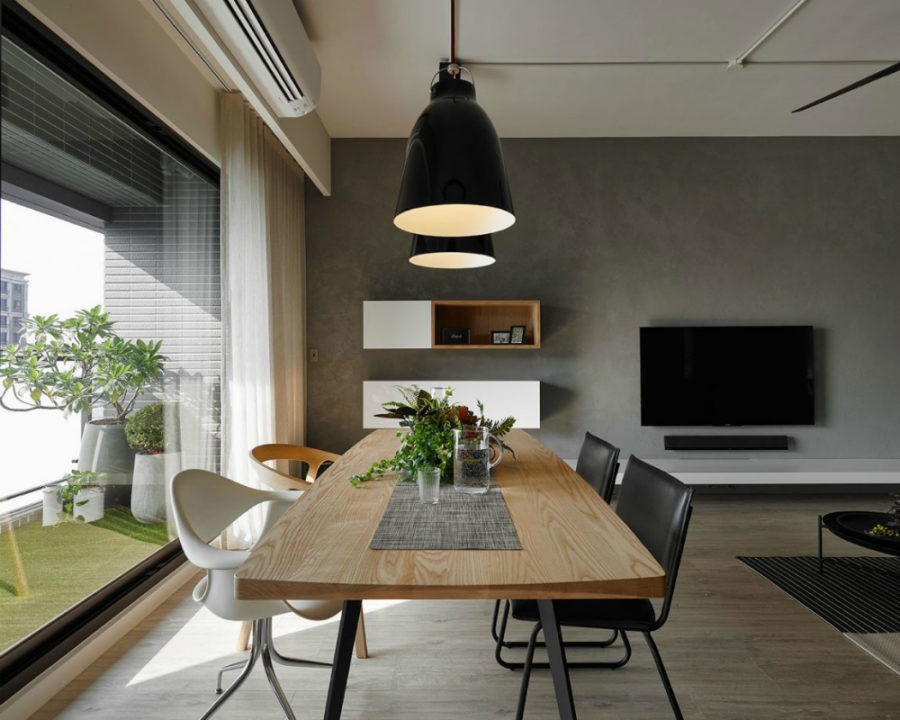
A dining area earns its keep when it supports more than formal meals. Positioning a table near daylight can make breakfast feel less rushed, give homework a natural home, and offer a place to sort groceries before they disappear into cupboards. Mix seating if it improves comfort: a pair of supportive chairs, a bench for flexible capacity, or one easy-clean seat for younger diners. The arrangement should invite people to linger without blocking the route between kitchen and living room.
Keep the tabletop nearly empty between uses. A small bowl for fruit, a carafe of water, and one washable runner are enough to create a sense of intention. Store placemats, napkins, and everyday serving pieces within arm’s reach so setting the table does not become a production. In a smaller home, select a table with rounded corners or an extension leaf that can adapt to guests. Eating together is easier when the room removes small obstacles: good light, comfortable chairs, and a surface that is ready before hunger arrives.
Kitchen Pause: Citrus Lentil Salad
- 1 1/2 cups cooked lentils
- 1 orange, segmented and chopped
- 1/2 cucumber, diced
- 2 tablespoons feta
- 1 tablespoon olive oil
- 1 teaspoon red-wine vinegar
- Mint and pepper
- Combine lentils, orange, cucumber, feta, and mint.
- Whisk oil, vinegar, and pepper in a small bowl.
- Toss dressing with the salad.
- Rest for 10 minutes, then serve at room temperature.
4. Hide the Busy Work Without Hiding Real Life
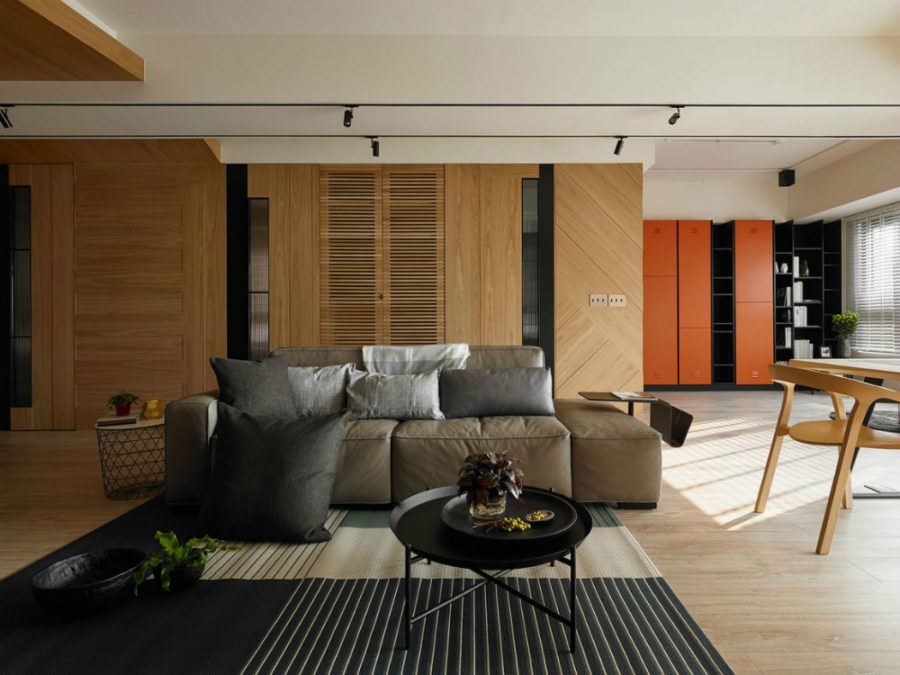
Cooking is more enjoyable when preparation has a visible place, but not every tool needs to remain on display. A slatted screen, curtain panel, pocket door, or tall open shelf can soften the view toward the kitchen while preserving access and airflow. Think of this as a visual pause, not a demand for perfection. When the meal is finished, close or straighten the boundary and let the main room return to its relaxed purpose.
Inside the work zone, organize by frequency. Keep knives, cutting boards, and the pan used most often close to the primary counter. Group dry staples in labeled containers, and reserve one shelf for quick breakfast ingredients. A small compost container with a lid, a towel hook, and a clear landing spot for washed produce make healthy cooking more convenient. Avoid filling every inch of counter space; a clean patch is an invitation to chop, mix, or assemble something nourishing. The best kitchen systems reduce decisions, contain mess, and allow the cook to remain part of household life without making the entire home feel like a workbench.
Kitchen Pause: Ginger Sesame Noodles
- 6 ounces whole-wheat noodles
- 1 cup shredded carrots
- 1 cup snap peas
- 1 tablespoon tahini
- 1 tablespoon low-sodium soy sauce
- 1 teaspoon grated ginger
- 1 teaspoon sesame seeds
- Cook noodles according to the package and drain.
- Quickly steam carrots and snap peas until bright and tender-crisp.
- Stir tahini, soy sauce, ginger, and two tablespoons warm water.
- Toss noodles and vegetables with sauce and sesame seeds.
5. Give Quiet Focus a Place Beside the Action
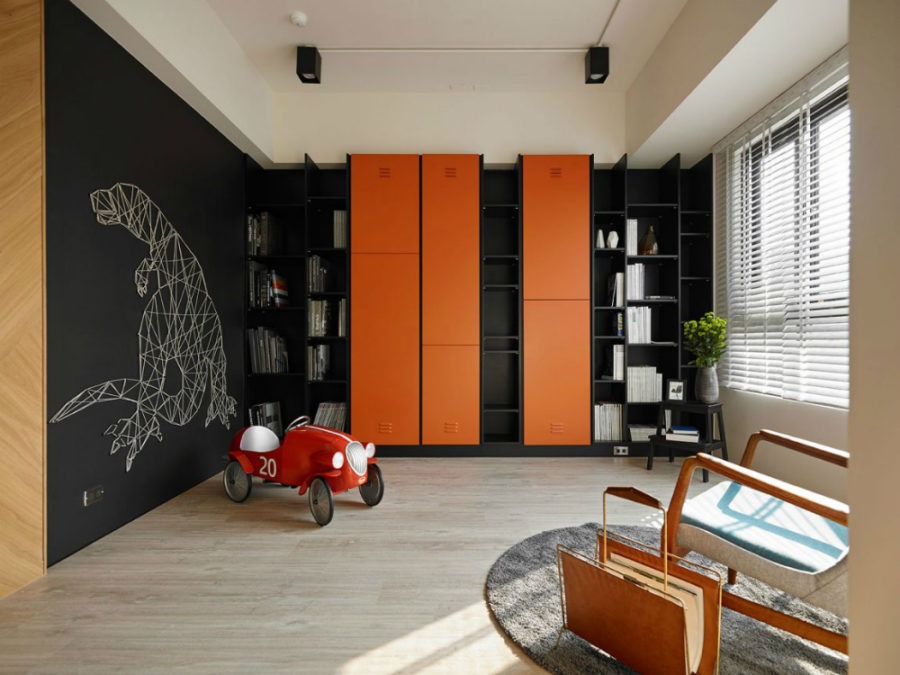
A reading corner does not need a separate room. It needs a clear promise that quiet attention is welcome. Place a comfortable chair near a shelf, add a directed lamp, and use a small side table for a notebook or cup of tea. A bookcase can define the corner while still allowing sightlines across the home. Keep the collection edited enough that choosing something to read feels pleasurable rather than like another storage problem.
This same nook can support journaling, puzzles, stretching, or a few minutes of uninterrupted planning. Establish a simple household cue: headphones on, lamp lit, or book open means the person is taking a short focus interval. Children can have a lower shelf with picture books and a floor cushion nearby, allowing parallel quiet time without requiring silence throughout the apartment. Add one plant or a piece of art for visual relief, but resist turning the corner into a display zone. A small, dependable retreat helps a busy home feel more balanced because restoration becomes part of the floor plan instead of something everyone postpones.
Kitchen Pause: Blueberry Yogurt Crunch
- 1 cup plain Greek yogurt
- 1/2 cup blueberries
- 1/4 cup rolled oats
- 1 tablespoon chopped walnuts
- 1 teaspoon honey
- Pinch of cinnamon
- Toast oats and walnuts in a dry skillet for 3–4 minutes.
- Spoon yogurt into a bowl or glass.
- Add blueberries and the toasted oat mixture.
- Drizzle with honey and dust with cinnamon.
6. Design Small Outdoor Breathing Room
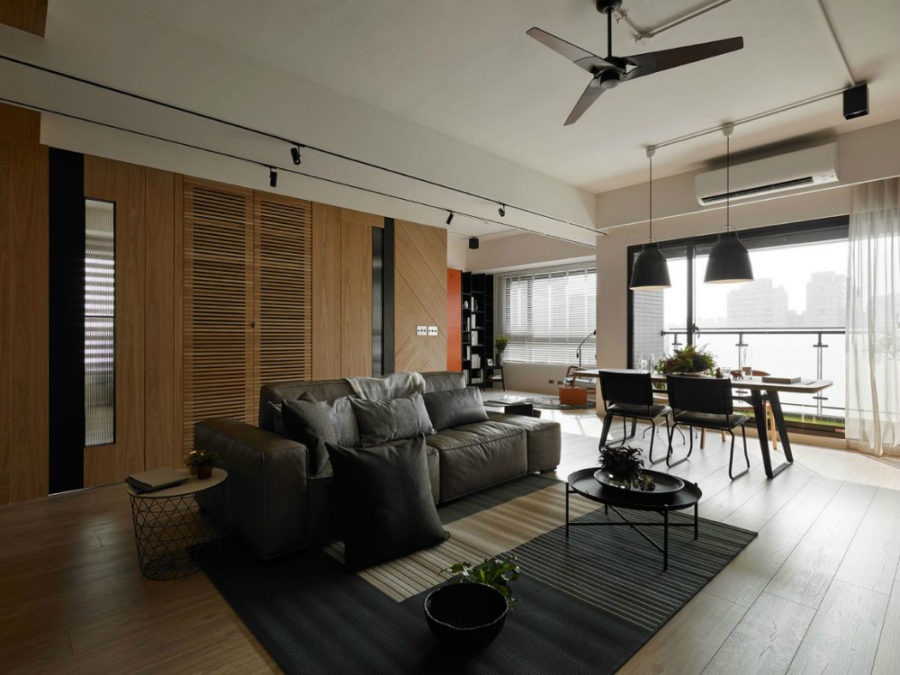
Even a narrow balcony can become a meaningful extension of home life when it is treated as a destination rather than leftover space. Start with a weather-resistant mat or compact deck tiles, then add one comfortable seat and a narrow ledge for a mug, herbs, or a small lantern. A few hardy plants can create a softer outlook, but leave enough open floor to step outside easily. The arrangement should be simple to water, sweep, and use on an ordinary weekday.
Connect the balcony to indoor routines by placing a small basket near the door for gardening gloves or cushions. Open the glass door during a morning stretch, take a five-minute afternoon pause, or eat a snack outdoors before returning to the day. If privacy is limited, use tall planters or a lightweight screen that does not make the space feel sealed off. The point is not to imitate a garden; it is to create a sensory reset through air, changing light, and a view beyond the walls. A modest outdoor threshold can make an apartment feel larger emotionally, giving household members a place to decompress without needing to leave home.
Kitchen Pause: Cucumber Mint Cooler
- 1/2 cucumber, sliced
- 6 mint leaves
- 1 tablespoon lime juice
- 1 teaspoon honey
- 2 cups sparkling water
- Ice
- Gently muddle cucumber, mint, lime, and honey in a pitcher.
- Add ice and sparkling water.
- Stir once, taste, and add lime if desired.
- Pour into two glasses and garnish with mint.
Final Thoughts
The most livable home is rarely the one with the most elaborate finishes. It is the one whose layout quietly supports the people inside it: a place to put things down, a surface for sharing food, a corner for concentration, and a small invitation to step outdoors.
Begin with one zone, notice where your routine catches, and make one thoughtful adjustment. Repeated small improvements can turn an open plan into a home that feels warmer, easier to maintain, and more aligned with everyday wellbeing.