Easy, Welcoming Halloween: A Simple Host’s Guide
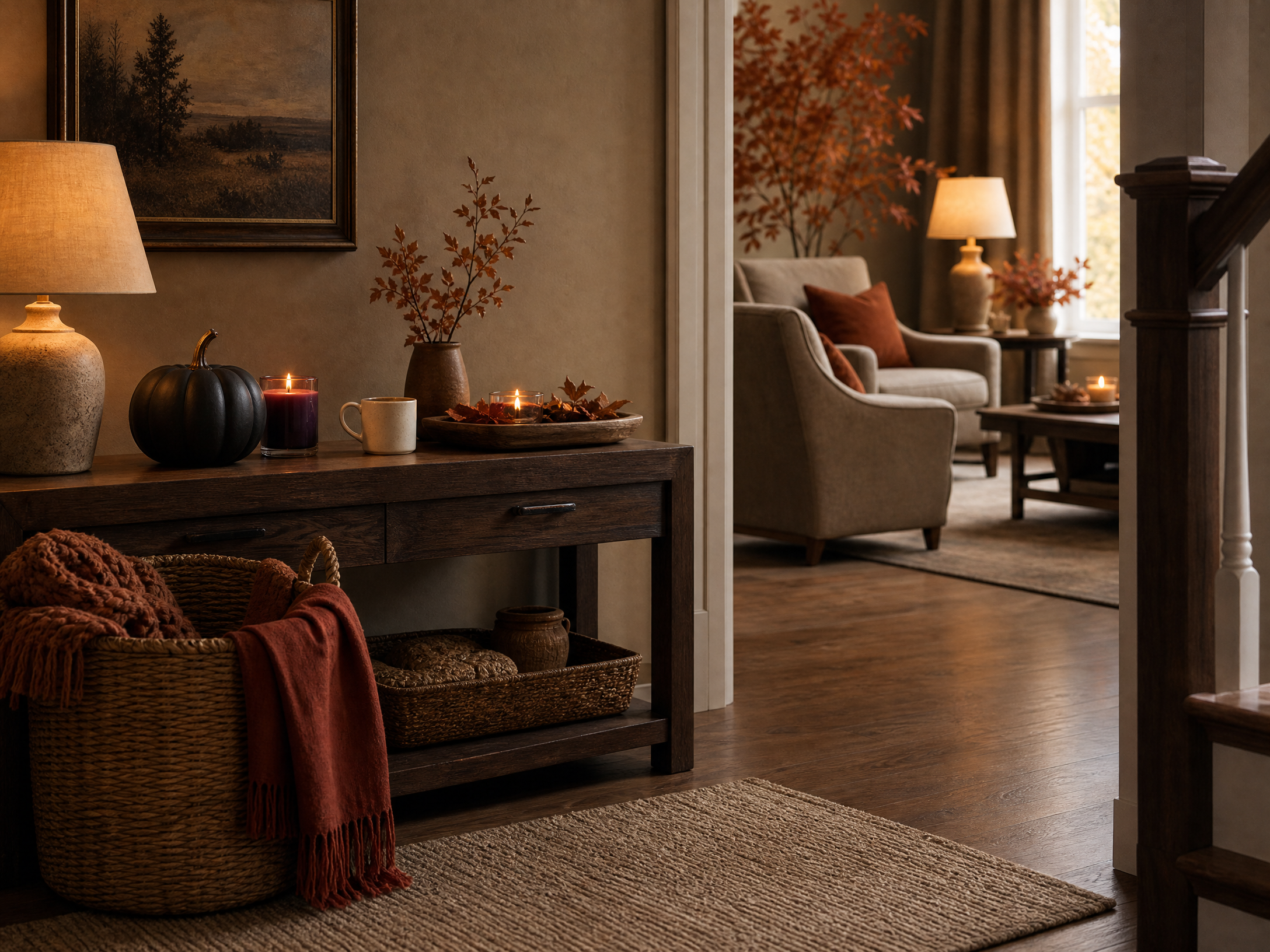
A Halloween party can feel both festive and effortless when you design it around comfort and connection rather than spectacle and excess. Pick a clear vibe—cozy autumn evening, playful family fun, or low-key spooky—and let that single idea guide every decision from lighting to snacks. That keeps the plan focused and reduces last-minute stress.
Think about your guests first: who’s coming, what they enjoy, and how long you want the gathering to last. With those basics in mind you can assemble invitations, food, pacing, and small details that make people feel seen and at ease. The result is a party that’s easy for you to run and warm for everyone who attends.
1. Define the guest experience
Start by picturing the ideal evening from a guest’s point of view. Will people arrive already in costume or is it optional? Are you aiming for mingling and grazing, a seated dinner, or an activity-heavy night? Narrowing the overall experience early makes every other choice—timing, seating, and snacks—much simpler.
Write down key needs for comfort: easy places to set a drink, a quiet corner for conversation, a clear spot for coats and bags. When you design the flow around those small comforts, guests will feel welcome and the party will run more smoothly.
2. Craft invitations that set the tone

Your invite is the first impression—use it to communicate vibe, expectations, and logistics clearly. Include arrival time and suggested duration (for example, “drop-in 6–9pm”), whether costumes are encouraged, and any food restrictions guests should know about. A brief sentence about the style—casual, kid-friendly, or spooky cocktail—helps people decide what to bring and how to dress.
Digital invites or a simple group message work perfectly; keep wording warm and specific. If you’re doing activities or a potluck, ask RSVPs and any dietary needs so you can plan portions and party flow without surprises.
3. Plan food and drink for ease and variety
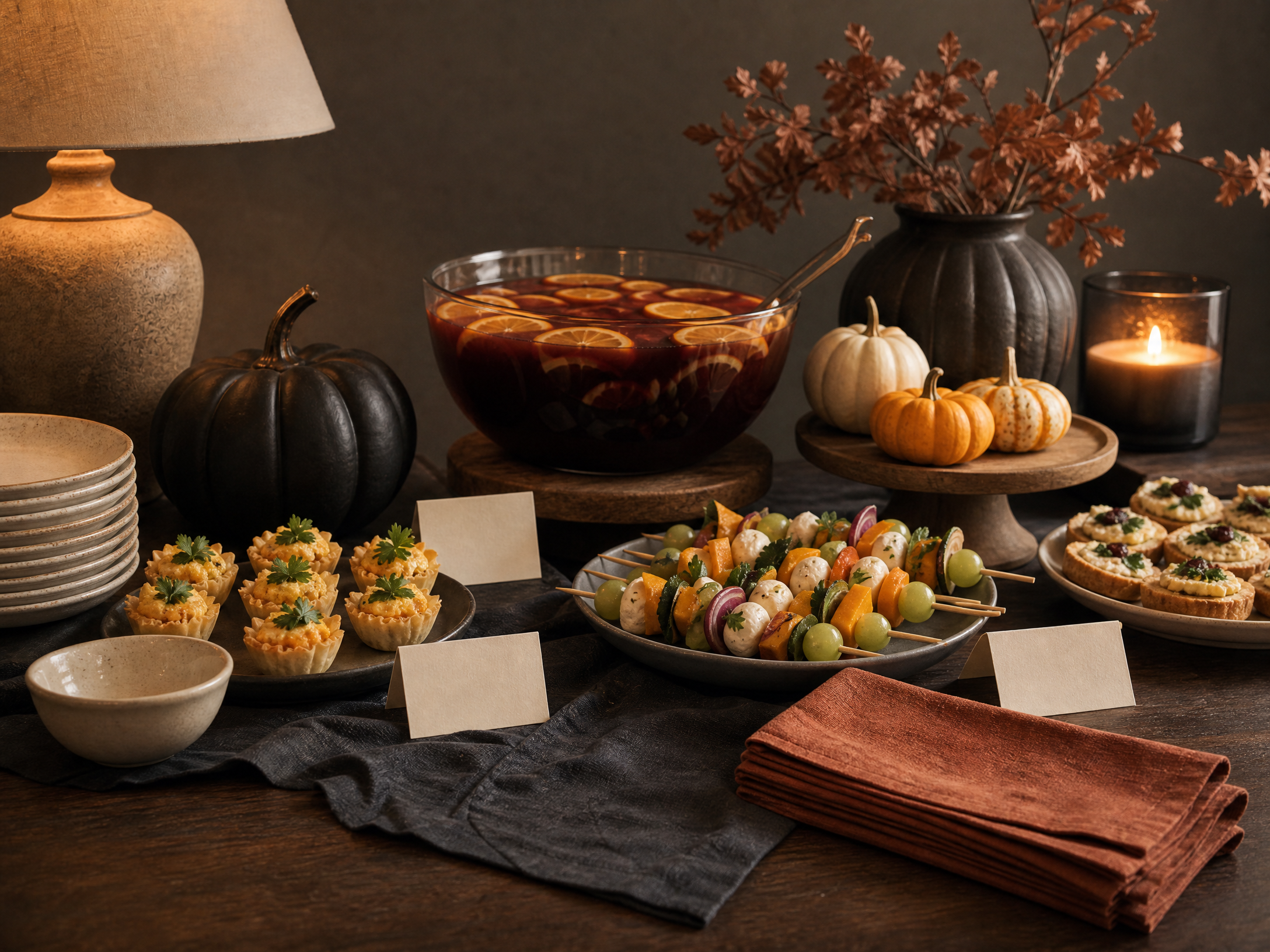
Choose a mix of easy-to-serve finger foods and one or two heartier options so everyone has something they like. Think dips, skewers, or roasted veg that can be prepped ahead and replenished quickly. Label items with common allergens and include a few clearly marked vegetarian, vegan, or nut-free choices so guests can eat confidently.
For drinks, offer a signature nonalcoholic punch alongside one or two alcoholic options rather than a full bar. This reduces prep and makes it simple for guests to pour their own. Consider a small self-serve station with cups, ice, and garnishes to keep the host free to circulate.
4. Pace activities so the night breathes
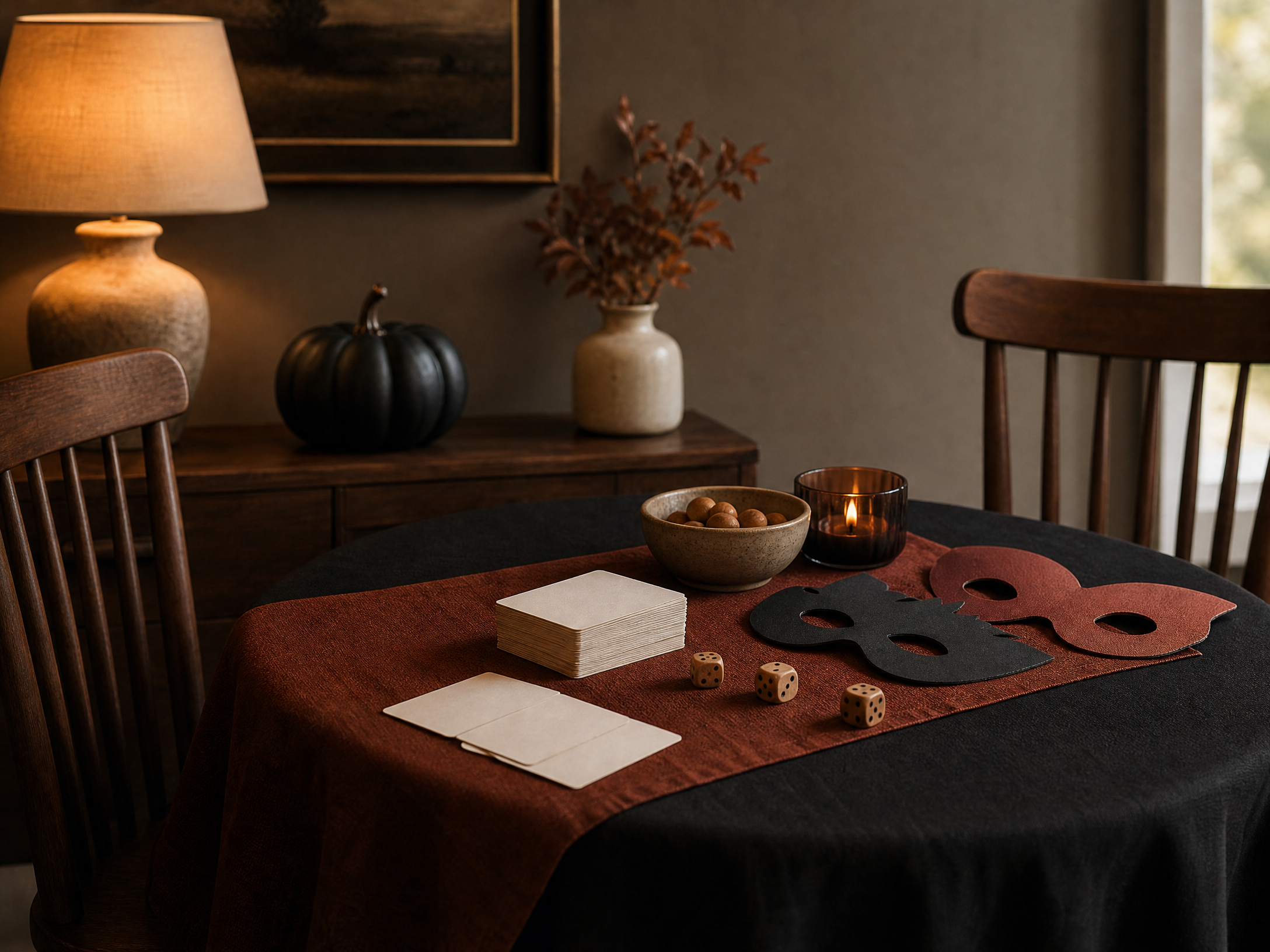
Structure the evening with a loose rhythm: arrival and mingling, a mid-point activity or shared moment, and a relaxed wind-down. Avoid packing too many games or formal segments—pick two highlights that fit your crowd (for example, a quick costume parade and a simple group game) and leave gaps for conversation.
A short, timed activity every 45–75 minutes keeps energy up without feeling forced. If kids are present, schedule one craft or game soon after arrival when energy is highest, then move to quieter options later so adults can chat.
5. Set up tables and rooms for comfort and flow
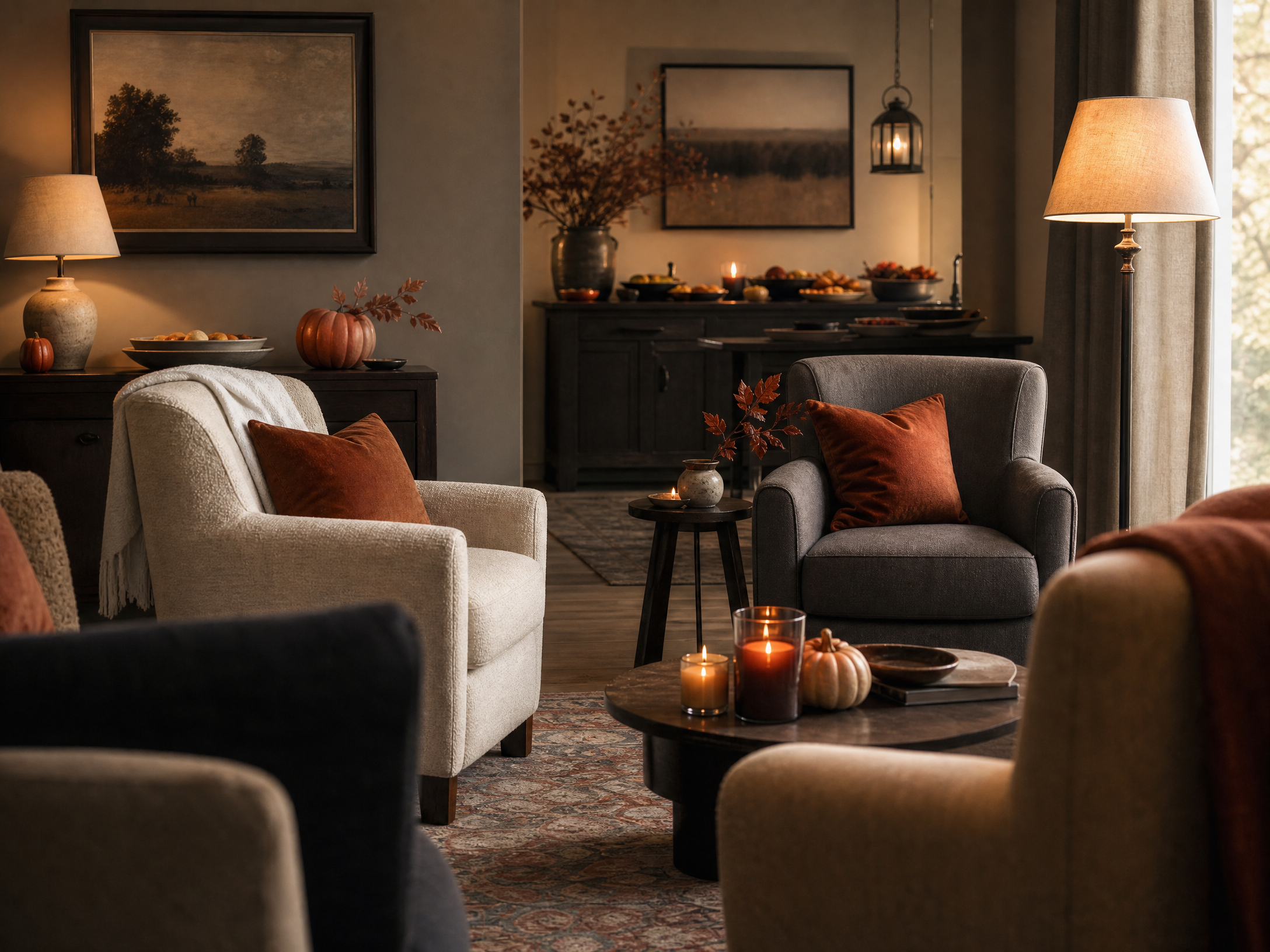
Think like a guest moving through your space: clear walkways, a defined food area away from high-traffic seating, and multiple small clusters of seats rather than one large sofa. Add extra side surfaces—tray tables, stools, or folding trays—so visitors always have a place to set a plate or drink.
Lighting matters more than decorations. Soft, layered lighting—table lamps, candles in safe holders, and a few string lights—creates mood without full darkness. Keep décor tasteful and minimal so it enhances rather than overwhelms conversation and movement.
6. Include thoughtful touches for everyone
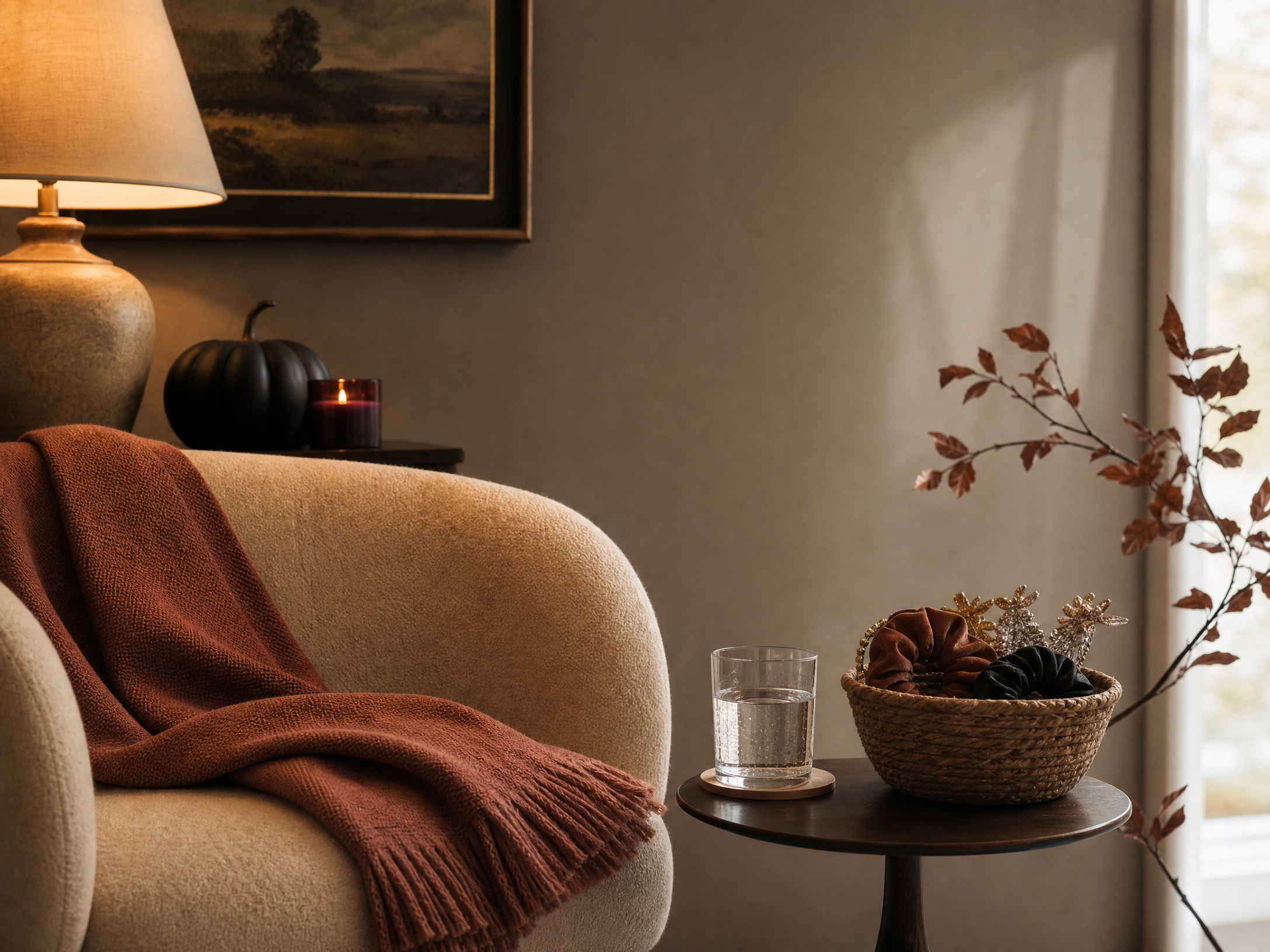
Make the party feel inclusive with a few intentional gestures: name tags for large groups, a quiet corner for anyone who needs a break, and allergy-friendly snacks clearly marked. Offer small costume options (like inexpensive masks or hair accessories) for guests arriving without one so nobody feels left out.
Music should be at a level that invites conversation—create a playlist in advance and keep it on shuffle, or use a streaming station with familiar seasonal tracks. Check lighting and temperature as the night progresses and be ready to adjust so everyone stays comfortable.
7. Create memorable take-home moments
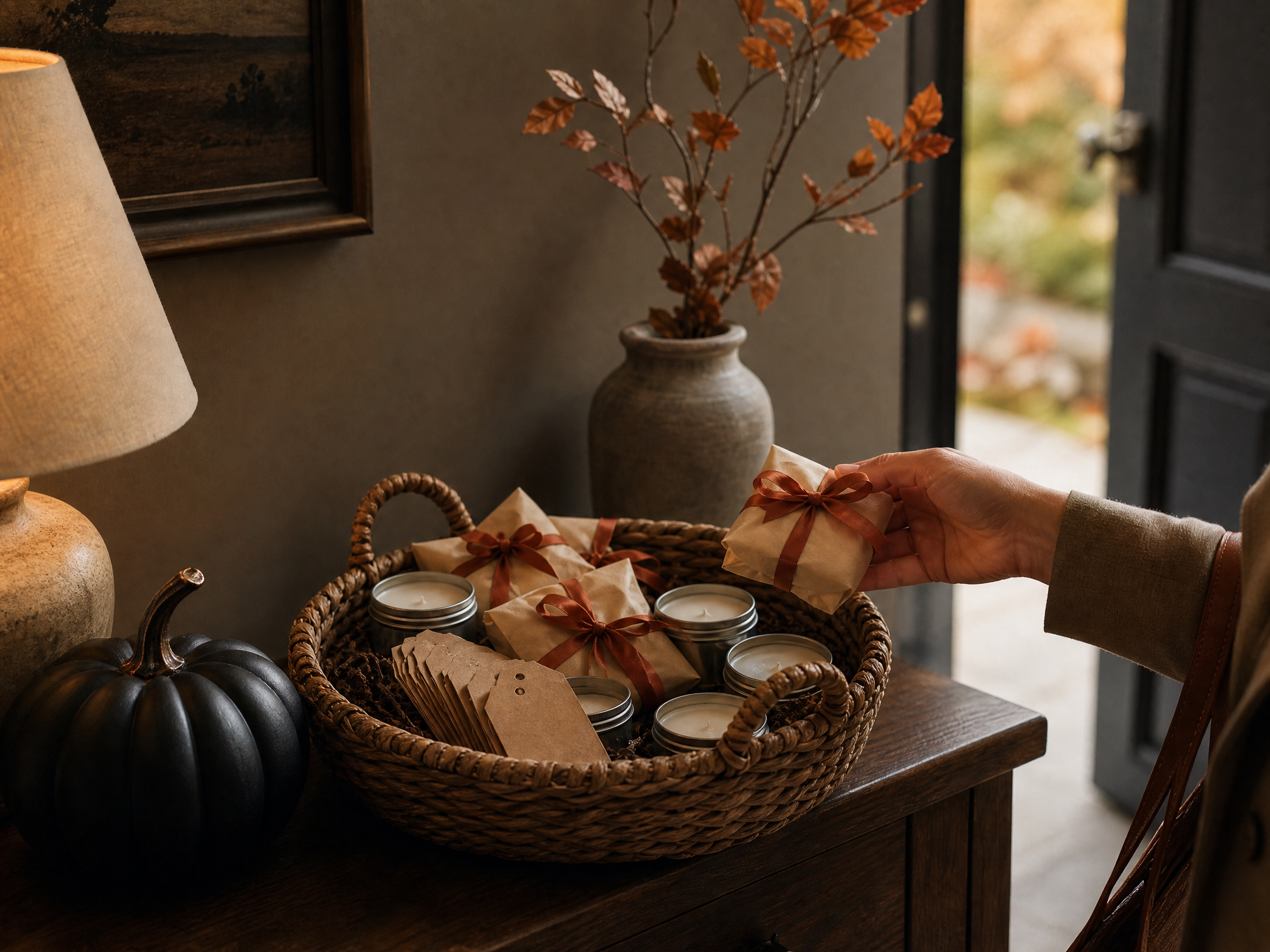
A small, useful favor extends the good feeling as guests leave. Keep take-home items simple and practical—a packaged treat, a tiny candle, or a small craft the kids made—so they’re appreciated and not wasteful. Present favors in a single basket with a short note so guests can help themselves when they go.
If you’ve run a game or contest, share photos or results in a follow-up message the next day to keep the warmth going. A quick thank-you text or group photo tag helps guests feel valued and connected long after the party ends.
8. Quick end-of-night reset for hosts
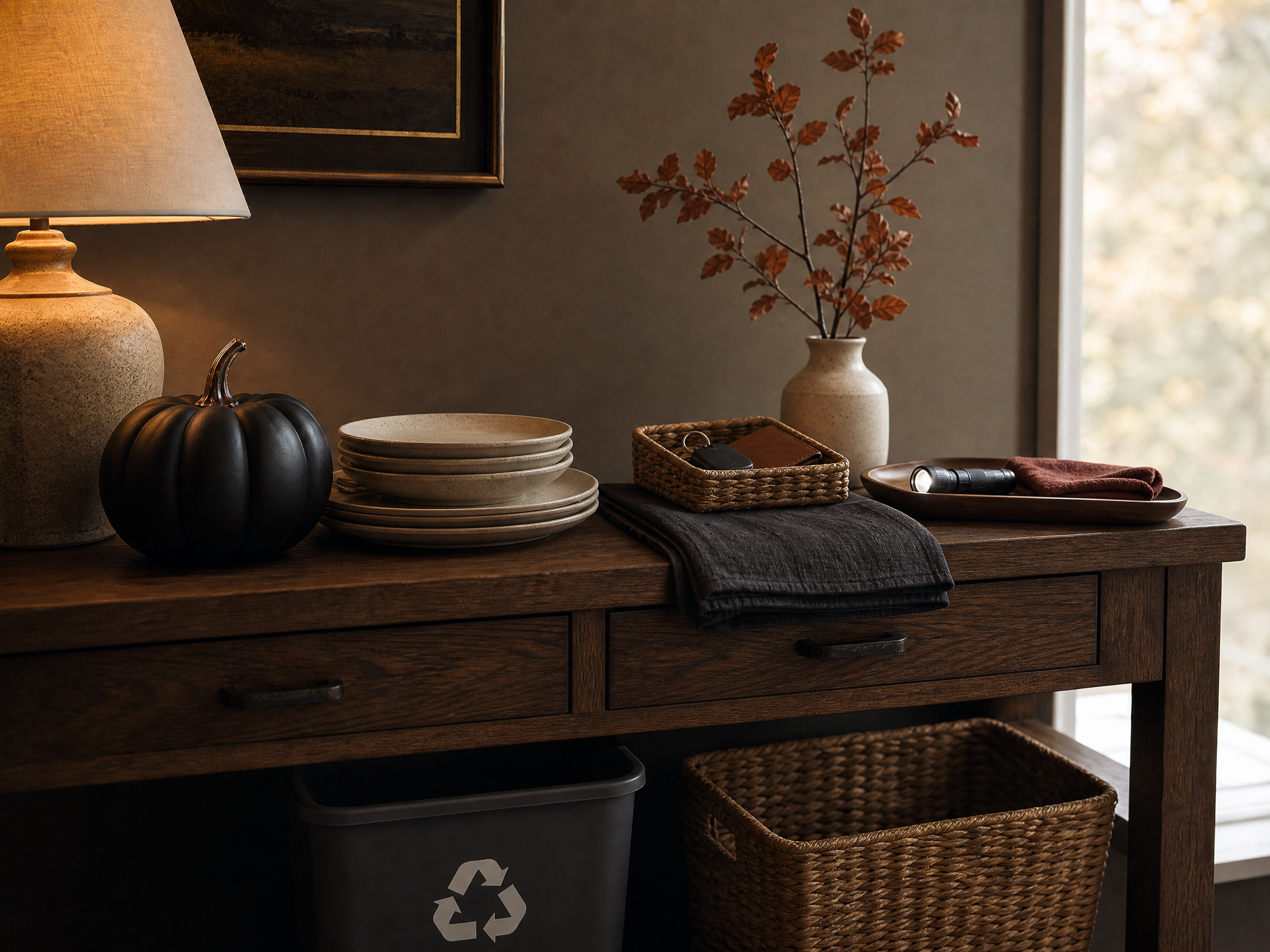
Plan an easy reset routine so clean-up after guests leave doesn’t feel overwhelming. Have trash and recycling accessible and labeled, stackable servingware ready to collect, and a single bag or box for lost items. Take fifteen minutes after most people depart to gather dishes and clear perishable food—doing a little immediately makes the final clean-up far faster.
Keep a small kit by the door: extra napkins, a flashlight, stain remover wipes, and a few plastic bags. That way you can handle last-minute spills or forgotten items without hunting through cupboards, and you’ll end the night feeling organized rather than frazzled.
Final Thoughts
A welcoming Halloween party doesn’t require extravagance—clarity, comfort, and a few thoughtful details create a night people will remember fondly. Define what you want the evening to feel like, plan simply around your guests’ needs, and build in a few easy systems for food, activities, and clean-up. With that approach you’ll enjoy the party as much as your guests.