How to Build a Breezy Coastal Bedroom: Practical Design Moves for a Calm, Beachy Retreat

A coastal bedroom doesn't require an ocean view—it's about balancing light, texture, and color to evoke a relaxed seaside mood. Focus on breathable fabrics, natural materials, and a restrained palette so the room feels airy and uncluttered rather than themed or kitschy.
Thoughtful layering and purposeful contrast keep a coastal room from feeling one-note. Pair soft linens and woven rugs with a mix of pale and richer woods, add a few curated natural accents, and leave plenty of negative space so daylight and movement become part of the design.
1. Start with Breathable Bedding and Thoughtful Layers
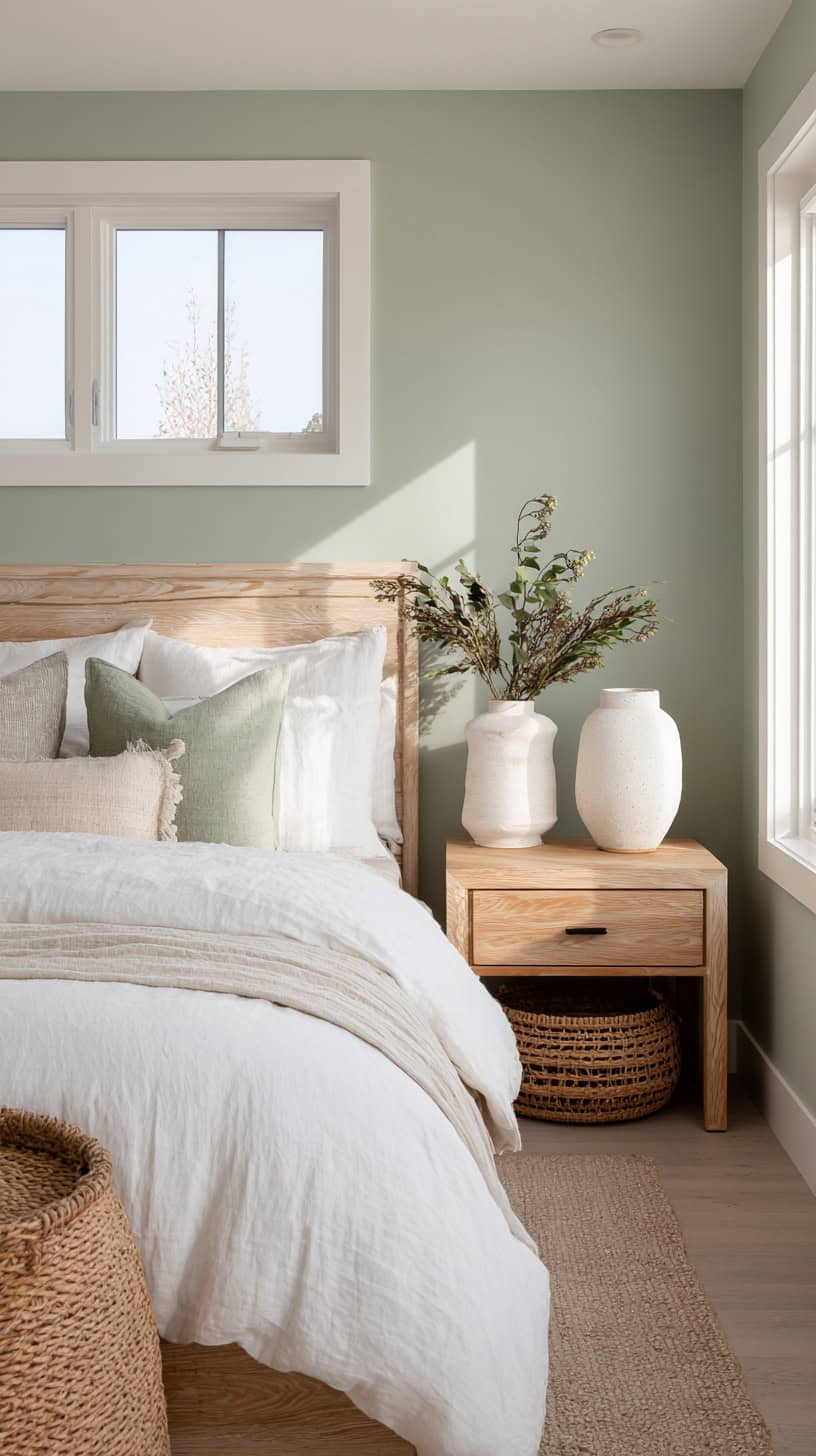
Prioritize fabrics that feel cool and lived-in: linen, cotton, and lightweight quilts are ideal. Use a neutral base such as white or cream for the primary sheets and duvet, then add two or three layers — a lightweight quilt or striped duvet, a textured throw in a sea-inspired hue, and a folded blanket at the foot for visual interest and seasonal warmth. Keep fills natural where possible, and vary weaves (smooth sheets, slubby linen shams, a chunky knit throw) to give the bed depth without clutter. Stripes can anchor the look when kept soft and narrow; avoid overtly nautical motifs and let subtle color shifts do the work. Arrange pillows in an odd-number group and allow for a few casual wrinkles to preserve a relaxed, vacation-ready feel.
2. Weave Natural Texture Through Key Furnishings
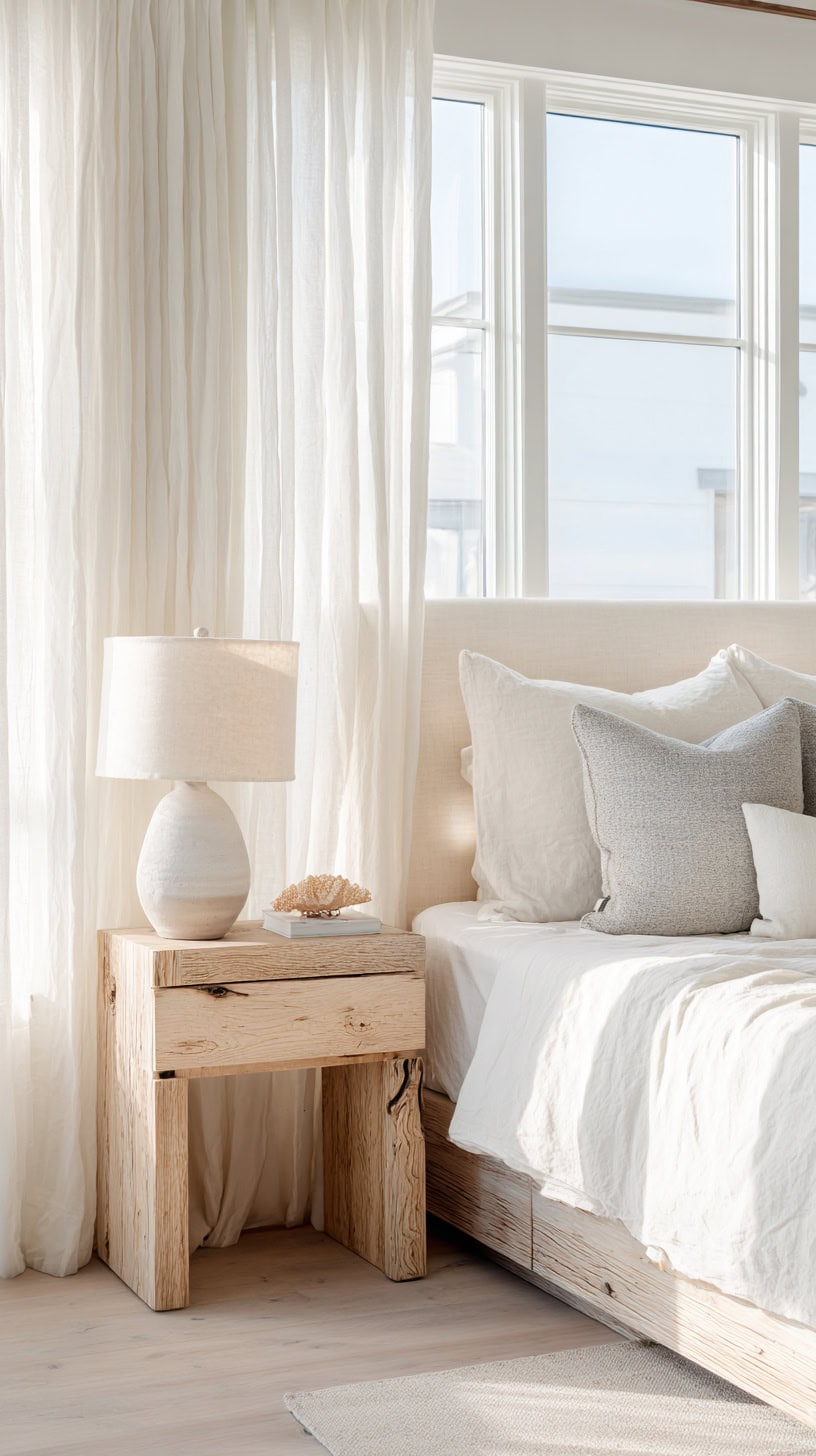
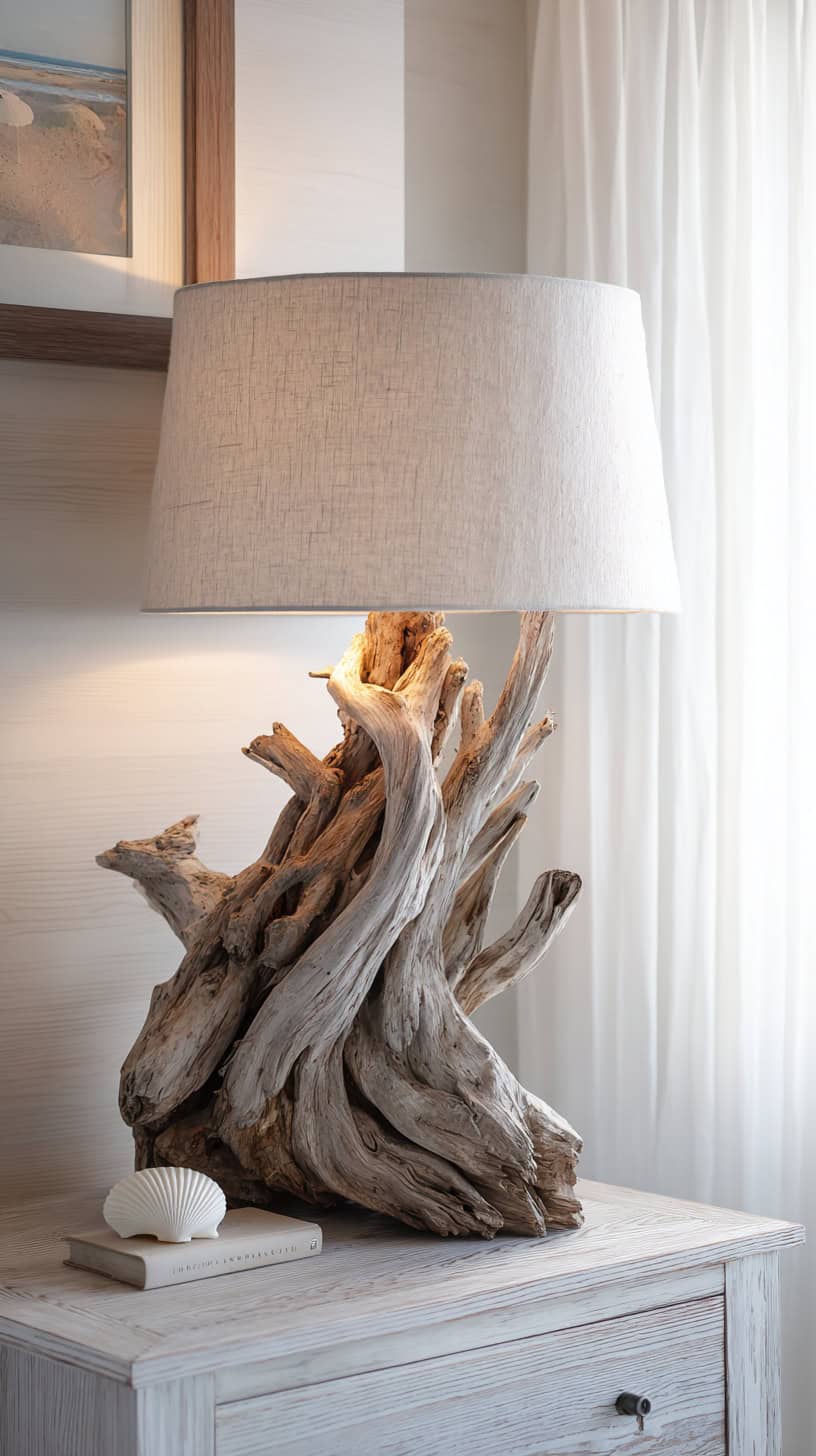
Introduce organic texture with three or four anchor pieces: a woven headboard, a jute or sisal rug, and a lamp or sculptural object made from weathered wood. These elements bring the tactile drama of the shore—neutral tones, tactile surfaces, and durable materials—without heavy decoration. Position the jute rug so it extends beyond the bed edges for a cohesive footprint, and choose a rattan or cane headboard to add warmth and visual focus. For lighting, pick a piece with an irregular silhouette—driftwood-style bases or ceramic with matte finishes—to soften the geometry of furniture and create interesting shadows in the evening. These textures work together to create a layered, collected look that feels natural and calm.
3. Balance Pale and Rich Woods to Add Warmth and Depth
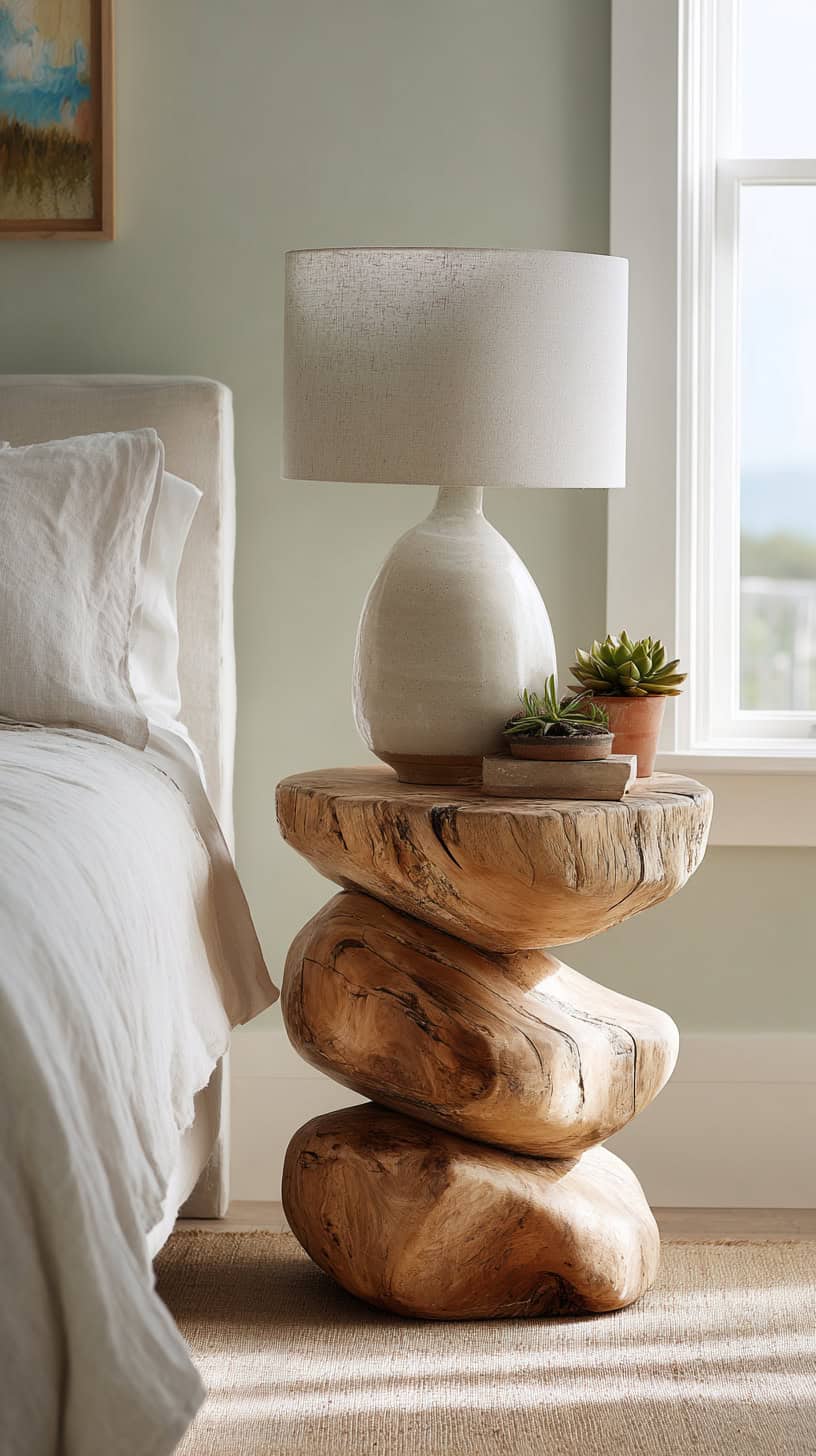
Mixing wood tones keeps a coastal bedroom from feeling washed out. Light woods—white oak, ash, or bleached finishes—brighten and reflect daylight and pair well with pale textiles. Introducing one or two richer wood pieces, like a walnut bedframe or dresser, anchors the scheme and adds sophistication. Keep silhouettes simple and avoid overly ornate carving; clean lines maintain the breezy aesthetic. For nightstands, choose storage-forward designs to reduce surface clutter. A single sculptural side table can double as an artistic focal point while serving practical needs; leave its top minimally styled to let the form speak for itself. The key is proportion: balance the visual weight of darker pieces with lighter walls and textiles.
4. Use Soft Greens and Blues as a Calming Backdrop

Select muted blues and greens—sage, seafoam, and weathered blue-grays—to capture coastal tones without appearing bright or themed. Paint an accent wall in a soft green for a cocooning effect, or use it on all walls in a room with ample natural light to create a tranquil backdrop. Window treatments in washed blue fabrics or lightweight linens filter light while introducing gentle color. Warm accents—terracotta or sand-colored ceramics and dried grasses—prevent the palette from feeling chilly. When choosing paint, test swatches at different times of day because coastal hues shift with daylight and room orientation.
5. Let Wall Art and Windows Tell the Story

Opt for art and window treatments that enhance texture and scale rather than rely on literal beach scenes. Woven wall hangings, framed shell studies, or muted botanical prints add personality while keeping the mood understated. Position larger woven pieces above the bed as a soft focal point, or create a small gallery of botanicals and shell illustrations in simple wood frames. For windows, choose floor-length linen or cotton curtains hung high and wide to make ceilings feel taller; light fabrics should move with a breeze to introduce subtle motion. Keep frames and hardware minimal so attention stays on the materials and natural light.
6. Create Cozy Corners with Floating Seating and Canopies

A hammock chair, suspended wicker seat, or a macramé canopy above the bed brings an informal, restful quality to a coastal bedroom. These elements use vertical space and add a sense of retreat within the room. Hang a hammock chair near a window for a sunny reading nook and add a small side table for a drink or book. A macramé canopy over the bed can define the sleeping zone and soften overhead space; choose neutral rope hues and avoid overly ornate patterns to keep the look light. Layer in a few textured throw pillows and a soft blanket to make these corners instantly inviting.
7. Curate Accessories in Small Groups for a Collected Look
Treat accessories as a small edit rather than a display case. Group terracotta vases, smooth stones, or ceramic objects in odd-number arrangements to make a dresser vignette feel intentional. Use trays on nightstands to contain essentials and avoid visual clutter. Fabrics, such as a folded quilt or seafoam throw, can serve as decor while remaining functional. When mixing patterns, stick to a restrained palette to maintain cohesion. Think about scale—larger sculptural pieces balance delicate items—and leave open surfaces to let the room breathe. Regularly edit seasonal items to keep the space fresh and uncluttered.
Final Thoughts
A successful coastal bedroom focuses on calm palettes, natural materials, and layered textures rather than literal seaside kitsch. Choose a few well-made pieces, mix light and warm woods, and prioritize breathable fabrics to create a serene, lived-in retreat that invites relaxation and reflects a thoughtfully curated, beach-inspired aesthetic.
