Coastal Wall Art Ideas to Calm, Texture, and Personalize Your Home
A few well-chosen pieces can transform blank walls into a calm, textured backdrop that reflects coastal ease without feeling themed. Natural materials, soft colors, and mindful placement create an inviting atmosphere that survives everyday life and still looks collected.
Use finishes and formats that stand up to fingerprints, steam, and busy feet, and select subject matter that reads fresh rather than literal. The result is a warm, lived-in look: beach-inspired tones and textures that integrate with everyday routines instead of competing with them.
1. Materials That Work in Real Homes
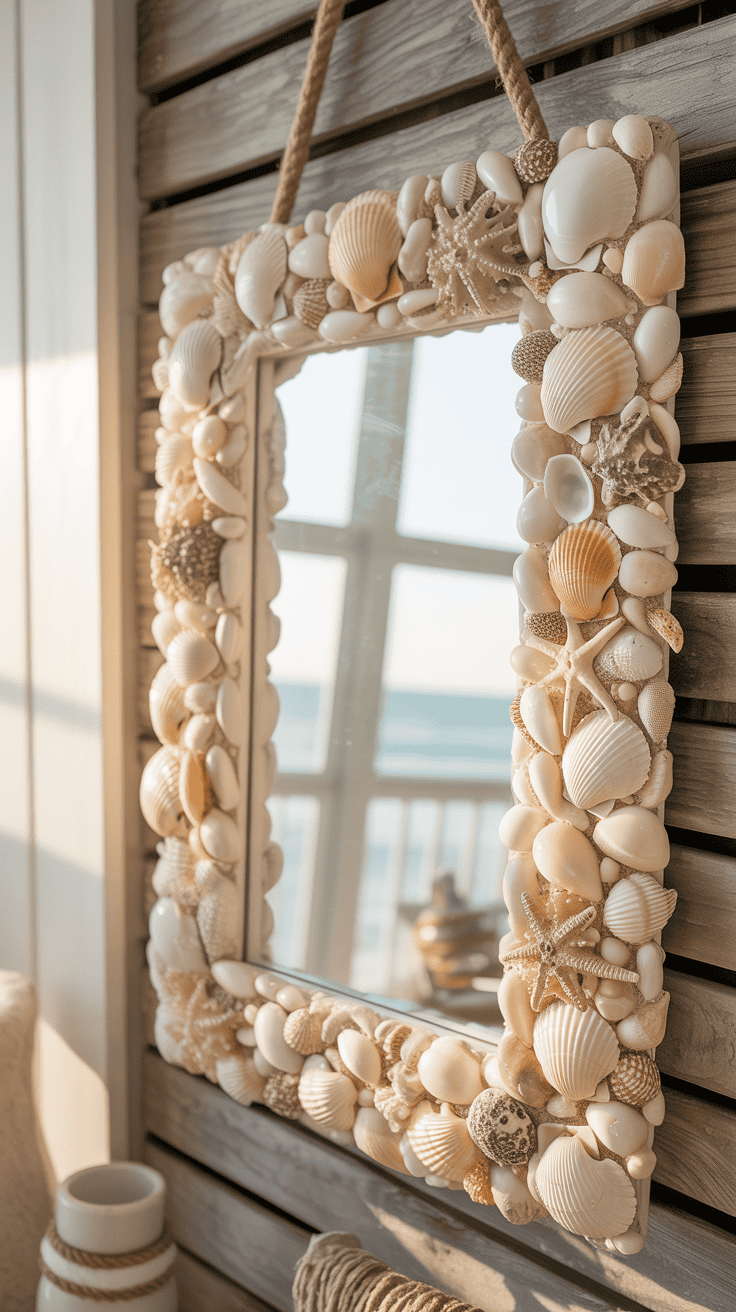
Prioritize tactile, durable surfaces that age gracefully and are forgiving of little hands. Natural elements such as weathered wood, woven rattan, linen, and textured paper add depth while hiding smudges better than slick, glossy finishes. When choosing pieces for humid spaces or high-traffic zones, opt for sealed woods, acrylic glazing instead of breakable glass, and varnished canvases that can be wiped gently. For three-dimensional objects like shells or sea glass, display in shadow boxes with secure mounts so they stay in place. Simple maintenance—dusting with a soft brush, spot-cleaning with a damp cloth, and occasional careful swaps out of direct sunlight—keeps surfaces looking fresh without elaborate care routines.
2. Building a Balanced Coastal Palette
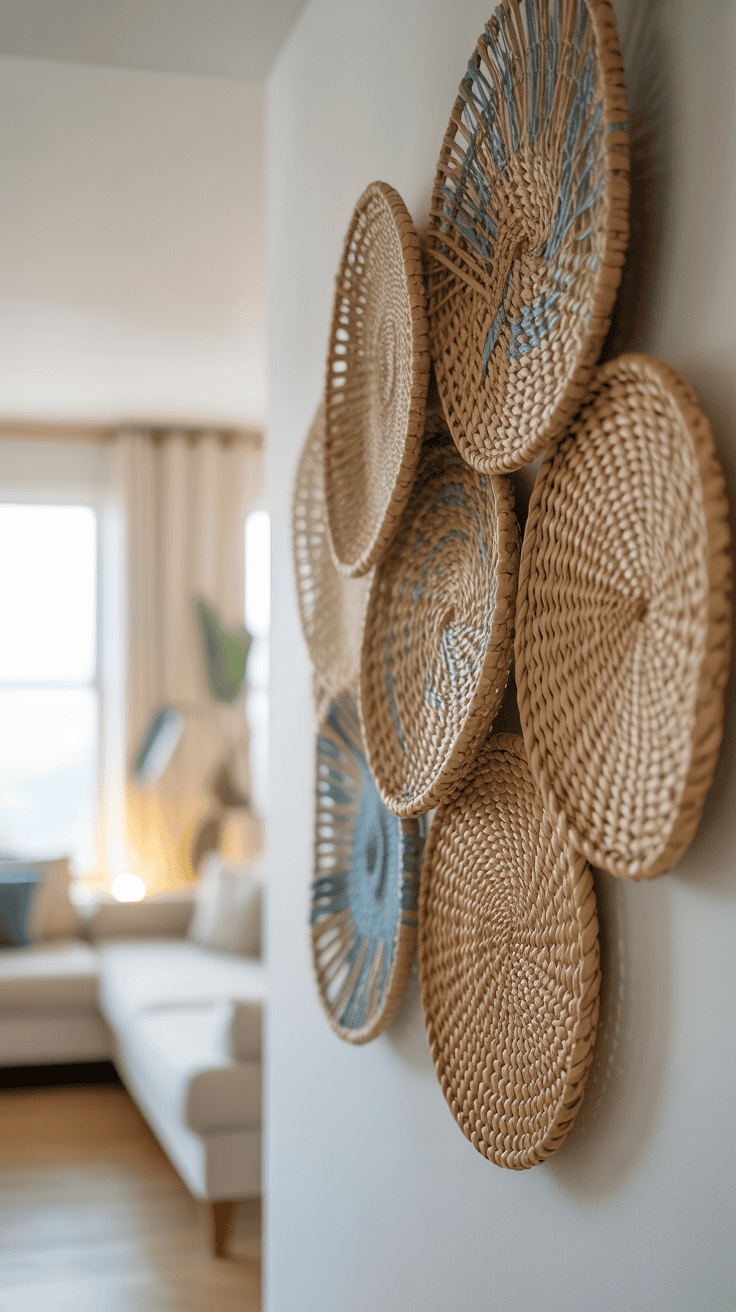
Create a coastal color story by balancing cool sea tones with warm, sandy notes. Pair muted blues or greens with soft creams, weathered wood hues, and subtle terracotta or coral accents to avoid a strictly nautical look. Use color repetition across the room—for instance, repeat a chosen accent in the art, a cushion, and a small decorative object—to create cohesion. Consider introducing one grounding element in a warmer tone to prevent the palette from feeling too cool: a wooden frame, a clay wall plate, or a woven piece can add that touch. Keep finishes mostly matte to reduce glare and help colors feel natural under different light conditions.
3. Achieving the Right Scale and Composition
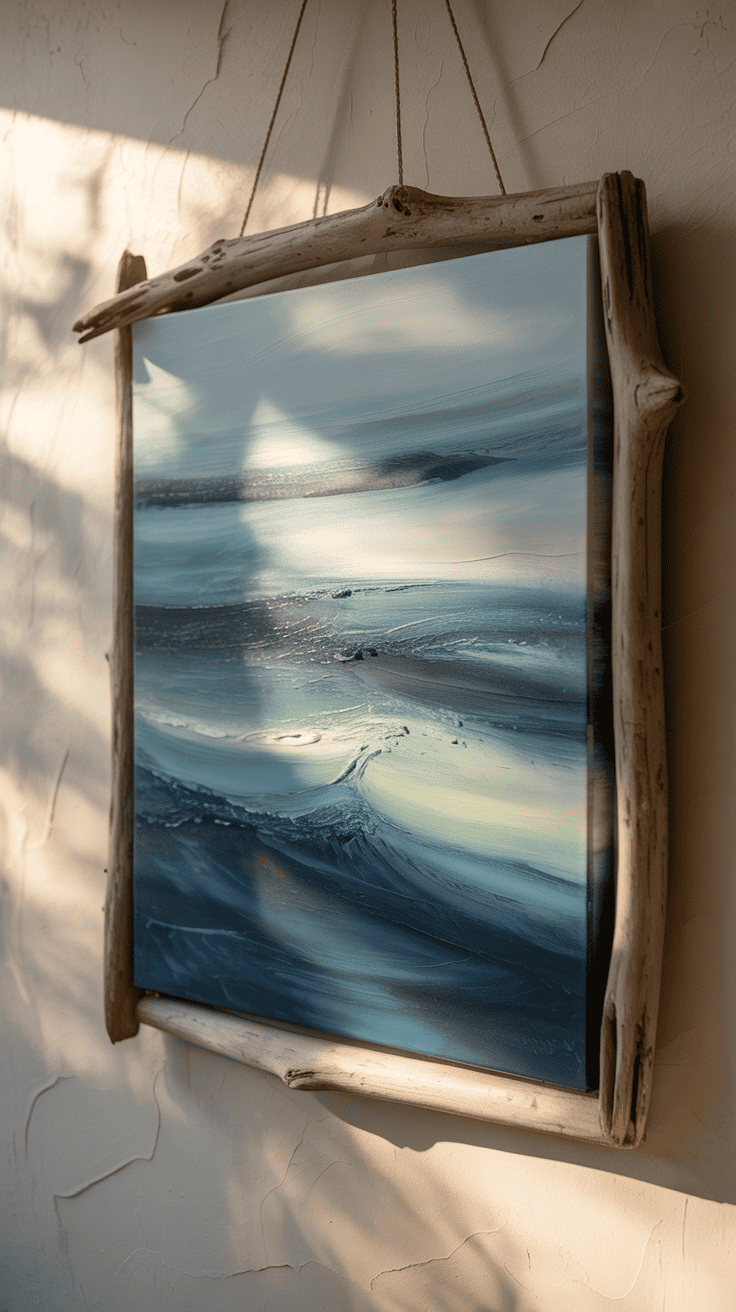
Let furniture and sightlines guide the scale of artwork rather than exact measurements. A single statement piece can anchor a seating area when it visually connects with the sofa, bed, or console; alternatively, a composed grouping can add rhythm along a hallway. For multi-piece arrangements, keep spacing consistent and give each piece breathing room so the collection reads intentional. Mix textures to add interest—pair a matte canvas with a woven panel or a framed print beside a shallow relief—but limit frame finishes so the overall composition remains calm. Aim to place artwork at a comfortable viewing height for most people so it feels integrated with the room.
4. Room-Specific Placement and Material Choices
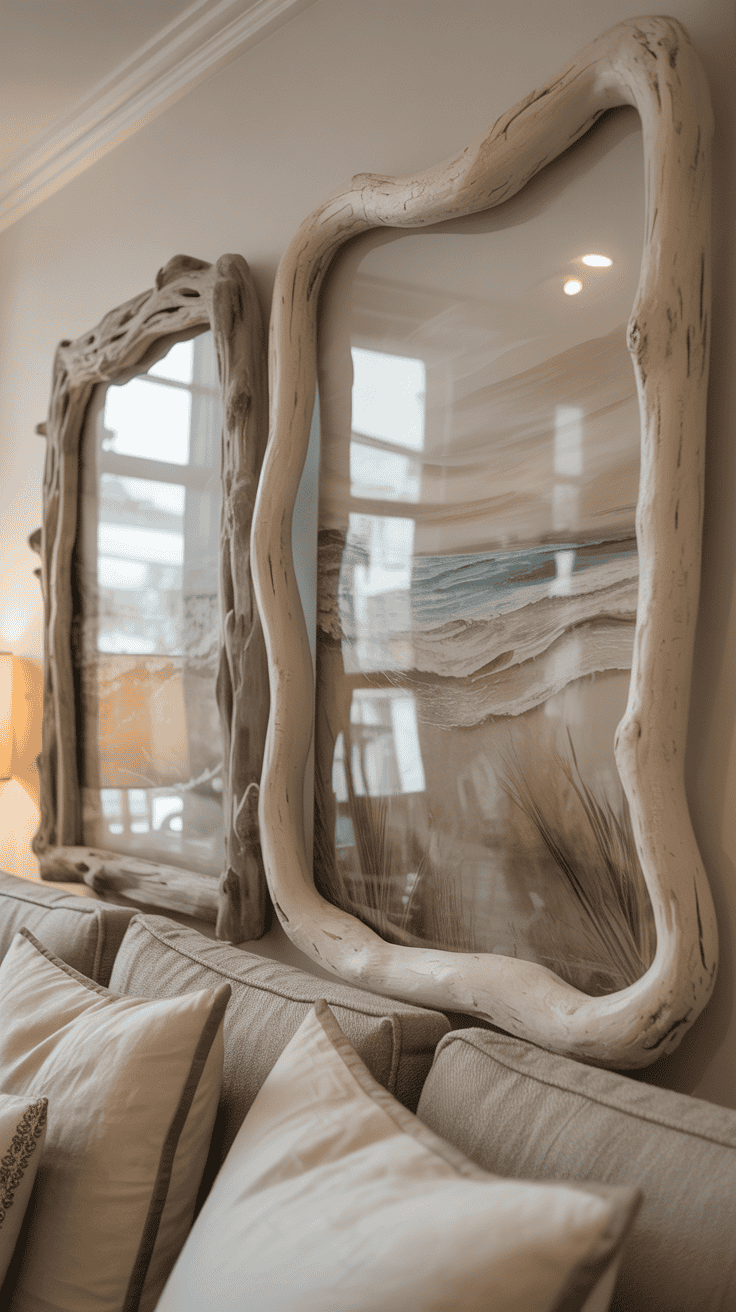
Match material and mounting choices to the room’s needs. In an entryway, pick resilient pieces that handle quick bumps and are easy to clean; mirrors with rope trim or framed tide maps add personality while serving a purpose. Living rooms welcome larger, more textured works to create a focal point; choose non-reflective surfaces to avoid glare and add soft lighting to enhance texture. Kitchens and bathrooms require moisture-tolerant materials and sealed frames or acrylic fronts to resist steam. For kids’ rooms, lightweight frames, plastic glazing, and secure wall fastening reduce risk and simplify swaps as tastes change. Wherever possible, keep frequently touched pieces at safe heights and use wipeable finishes nearby.
5. Weekend DIY Projects That Look Polished
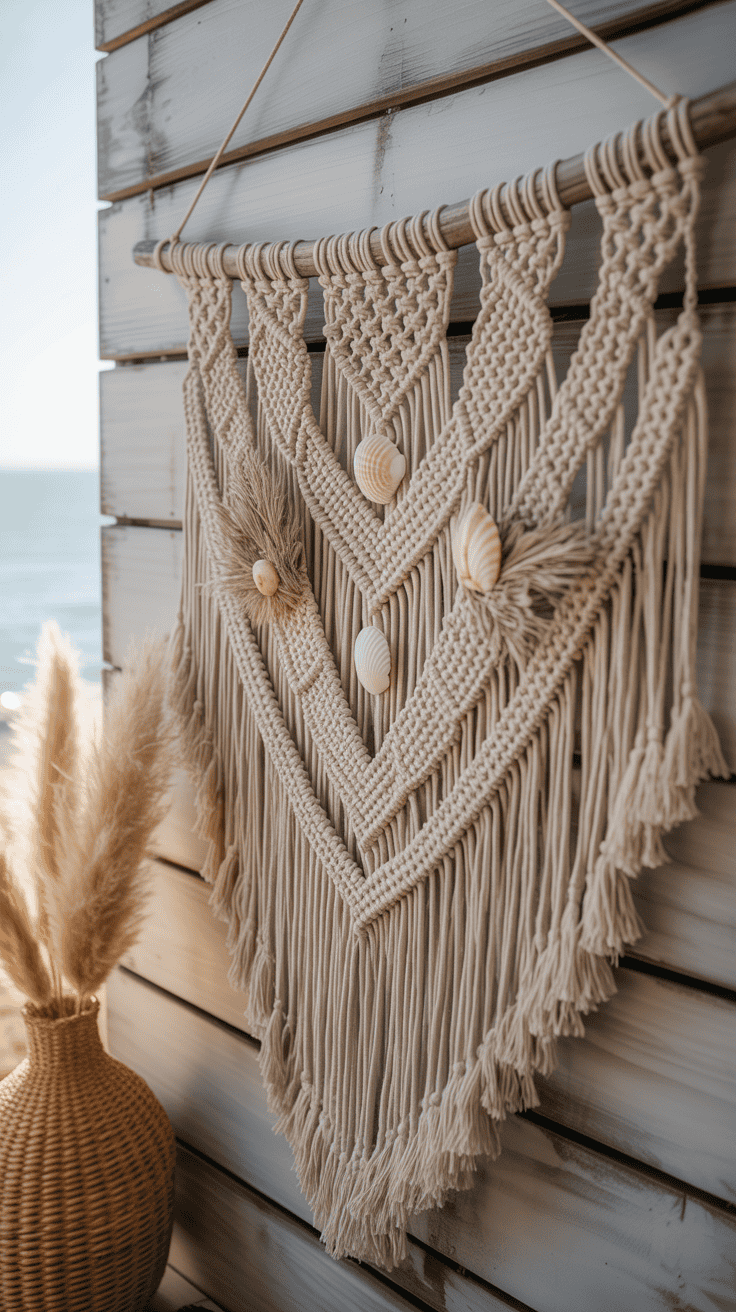
Simple handcrafted pieces can feel custom without a large time investment. Pressed coastal botanicals or dune grasses mounted on a linen mat in a shadow box create a refined memory display—dry specimens fully before framing and use archival or acid-free backing when possible. Create a mixed-material shadow box that combines small finds, a map snippet, and a ticket or postcard; secure three-dimensional items with museum putty and stitch paper elements lightly to the backing for stability. For painted art, keep shapes loose and suggestive—blend a few complementary hues for horizon and water and add subtle highlights for movement. Driftwood hangers or small sealed plank art offer textured, low-cost statements: sand smooth, seal the surface, and use sturdy hanging hardware.
6. Hanging, Protection, and Childproofing
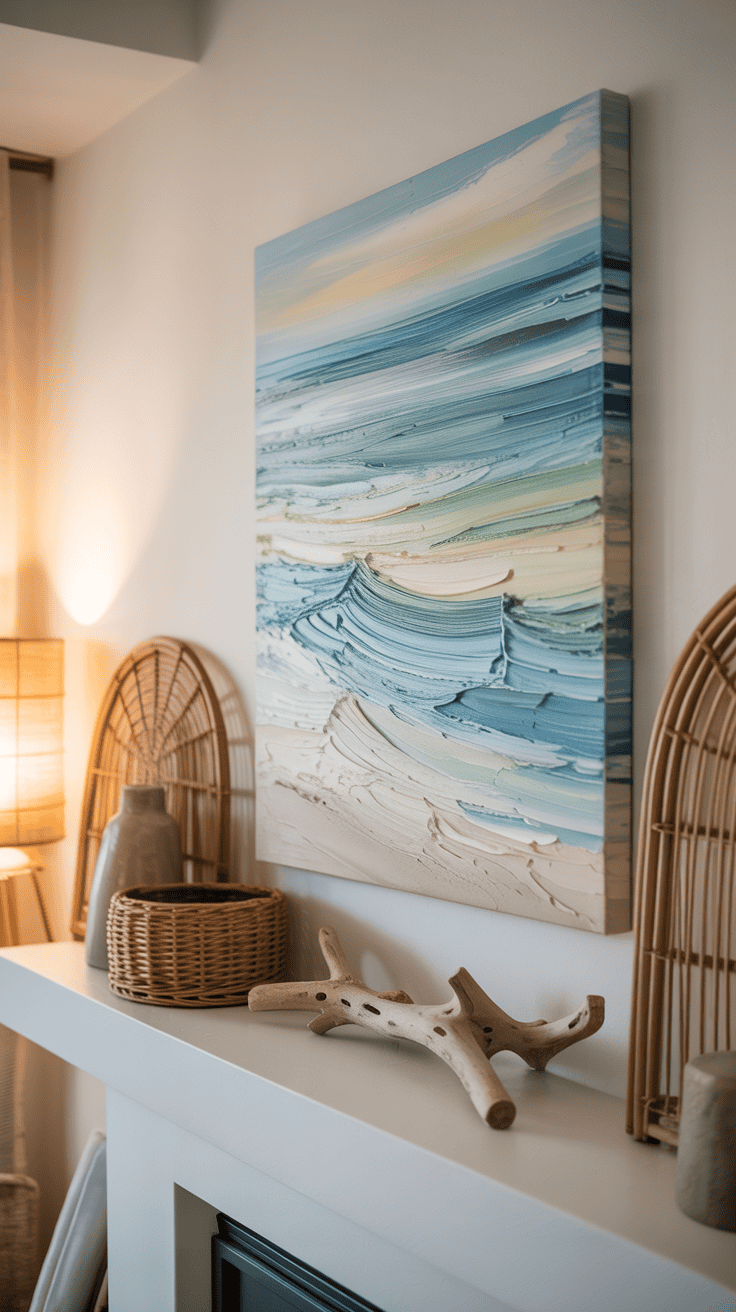
Secure installation and protective glazing keep coastal displays both attractive and safe. Choose acrylic glazing in reach areas to reduce breakage risks, and select frames with tight, sealed backs in humid rooms. For heavy pieces, attach to a stud or use anchors rated for the piece’s weight and follow the manufacturer’s instructions; removable hanging strips can work for lighter items if used according to guidance and compatibility with the wall finish. Add small felt bumpers to the back corners so frames sit flush, and consider museum putty or discreet anti-tip straps for lower-placed frames and large mirrors. Test adhesive hardware on an inconspicuous paint patch first and create a simple rotation plan for pieces that spend long periods in bright sun to protect pigments.
7. Sourcing Thoughtfully and Choosing Sustainable Options

Mix local makers, secondhand finds, and well-made budget options to create a collection that feels curated and sustainable. At markets or galleries, ask about materials, framing methods, and any protective finishes so pieces suit the intended location. Reframing thrifted work with a fresh, neutral mat can breathe new life into a vintage frame while keeping waste low. Look for recycled or FSC-certified framing materials, plant-based inks for prints, and artists who can customize size or finish. When buying online from independent creators, review packaging notes and return policies and request photos showing texture and scale. Small choices like these support a longer-lasting, more responsible art collection.
Final Thoughts
A few thoughtful swaps—changing a mat, choosing a textured piece, or repositioning art so it aligns with furniture—can shift a room from ordinary to restful. Focus on durable materials, a warm coastal palette, and secure hanging methods to keep walls beautiful and family-friendly. Start with one wall and build from there for lasting, relaxed style.
