How to Use Light Blue to Design a Calm, Airy Bedroom
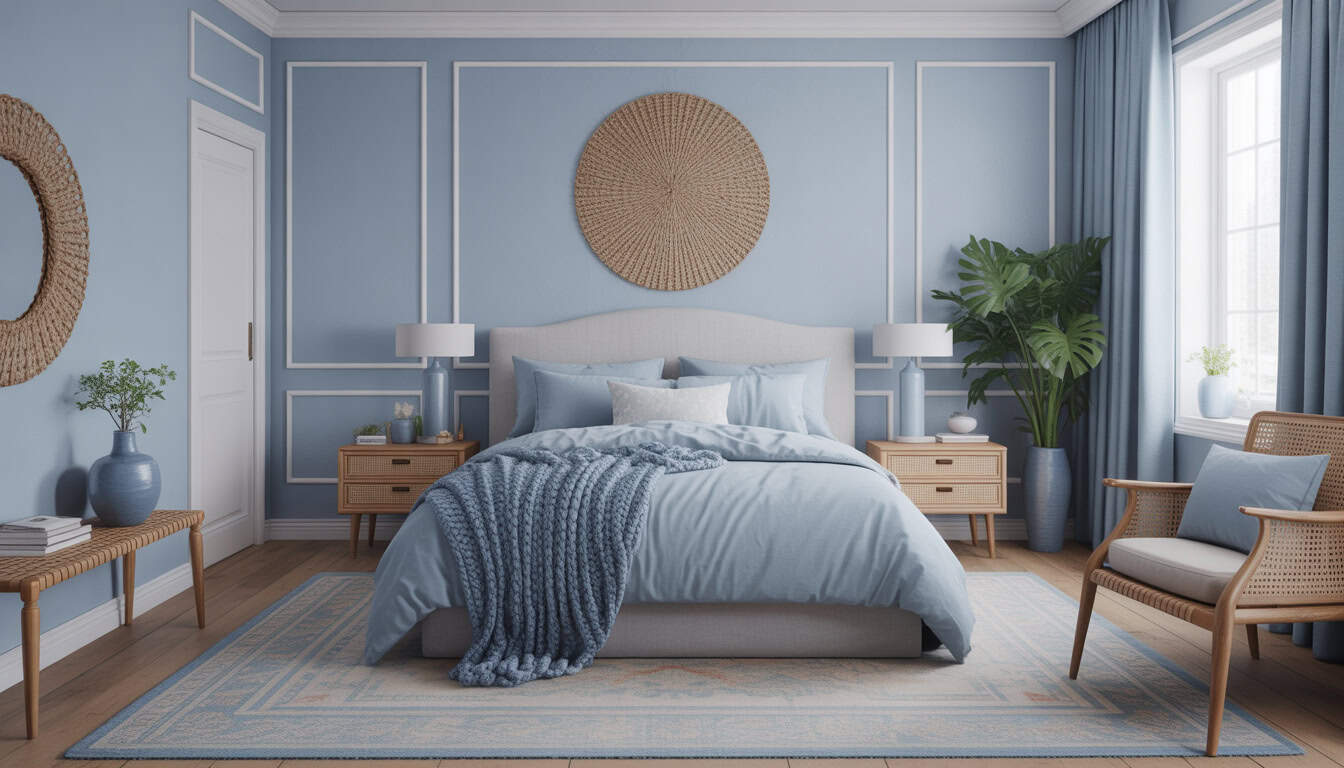
Light blue brings an immediate sense of ease to a sleeping space without demanding dramatic changes. Its cool, soft presence helps rooms feel brighter and more open, and it pairs effortlessly with neutral materials to create a restful atmosphere that invites relaxation.
This guide offers practical, adaptable ideas for using light blue across paint, textiles, furniture, lighting, and accessories. Each suggestion focuses on balance and texture so the room stays serene and intentional rather than themed or fussy.
1. Choosing the Right Light-Blue Paint or Accent Panel

Selecting the ideal light-blue paint depends on the direction of natural light, ceiling height, and the mood desired. South-facing rooms handle cooler blues well, while north-facing rooms often benefit from blues with a slightly warmer undertone to avoid a chilly feel. Consider painting all walls for an enveloping, spa-like vibe, or limit color to a single wall or vertical panel behind the bed to create a focal point without committing the whole room. For renters, removable wallpaper panels and peel-and-stick mural strips offer the visual impact of painted color without permanence. Always test samples on several walls and observe them at different times of day to judge shifts in hue and warmth.
2. Layering Textiles: Bedding, Sheets, and Soft Accents
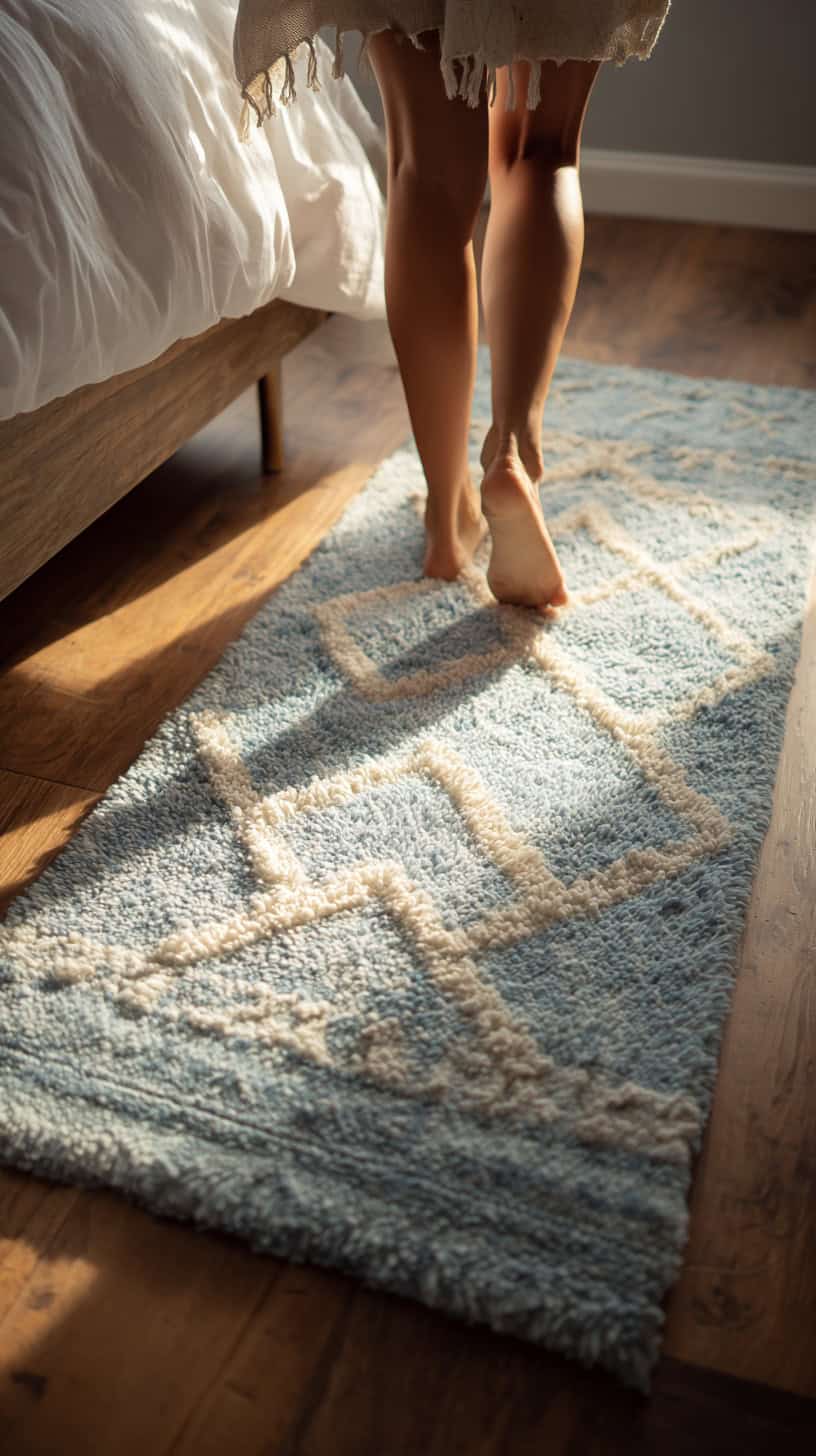
Textiles are the easiest way to introduce and harmonize light blue tones. Start with a neutral base—crisp white or soft cream—and layer a light-blue duvet, linen sheets, or a throw at the foot of the bed. Linen and cotton offer different looks: linen yields a relaxed, textured finish that softens with wear, while percale cotton reads cleaner and crisper. Add throw pillows in varying fabrics (velvet, knit, linen) to create depth and tactile interest; keep patterns subtle so the palette remains soothing. A canopy or lightweight drape over the bed in a pale blue fabric can add intimacy and diffuse light, especially when paired with neutral bedding beneath.
3. Anchoring the Room with Furniture: Headboards, Benches, and Seating
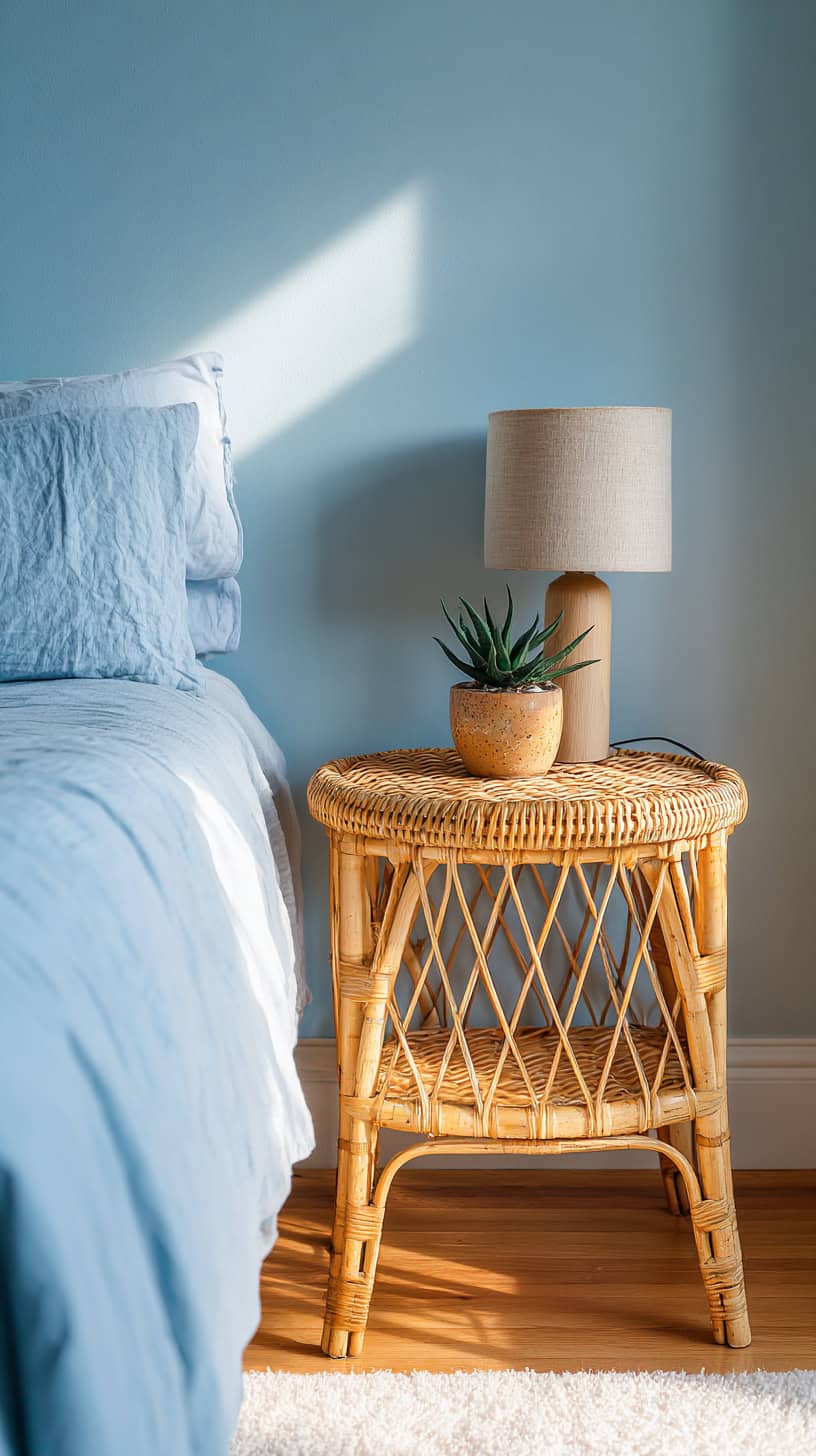
Choose one or two anchor pieces in blue to unify the scheme without overwhelming the room. A pastel or upholstered headboard is an effective anchor and helps frame the bed visually; if upholstery isn’t an option, consider painting a wooden headboard in a muted blue. A bench at the foot of the bed in a complementary shade provides seating and storage when upholstered, or opt for a wooden bench with a removable cushion in baby blue. An accent chair establishes a reading nook—select a silhouette that suits the space, then tie it into the room by repeating the blue hue in a pillow or throw. Keep scale in mind: larger furniture benefits from more muted tones, while small pieces can handle slightly livelier blue shades.
4. Flooring and Rugs: Defining the Bed Zone with Light Blue
A light-blue rug can define the sleeping area and add warmth underfoot, especially in rooms with hardwood or tile floors. Choose a rug size that extends at least 18 inches beyond both sides and the foot of the bed for balanced proportions; runner rugs can work alongside low-profile beds. Patterned or watercolor-effect rugs conceal everyday wear better than solid pastels while still contributing to the airy color story. Consider pile height based on bedroom use: low- to medium-pile rugs are easier to care for, while plush rugs offer a soft, luxurious feel. Coordinate rug tones with other textiles to maintain cohesion.
5. Window Treatments: Curtains and Light Control
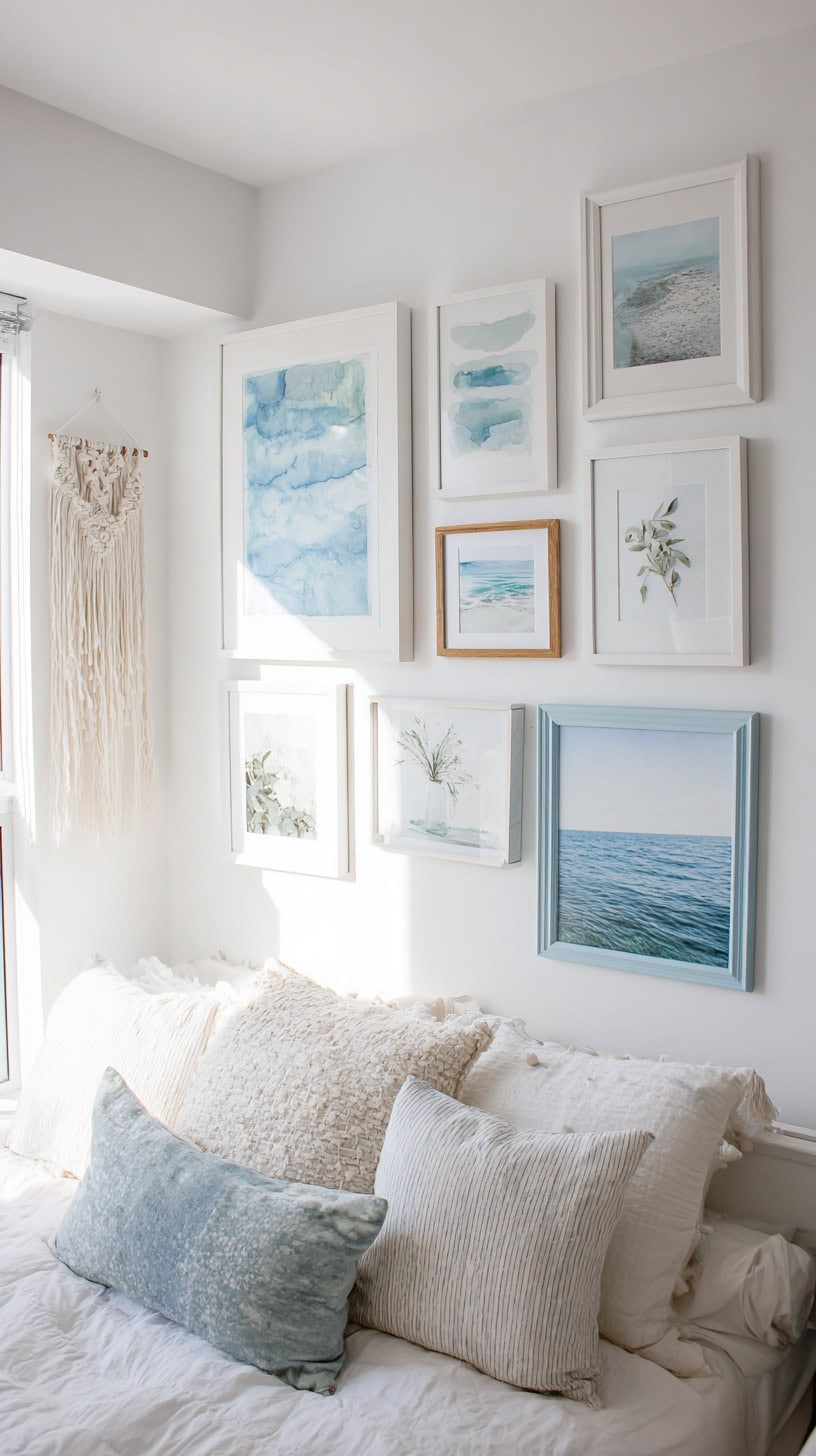
Curtains affect both light and perceived space. Sheer white or ivory panels complement light-blue walls by maximizing daylight and creating a gentle movement in the room. For bedrooms that require more darkness, layer heavier light-blue or neutral drapes over sheers to achieve both privacy and softness. Hang rods higher than the window frame and choose panels that touch the floor to give the illusion of taller ceilings. Consider fabric weight and lining: unlined linens flutter beautifully but may not block morning light, while lined blends offer better insulation and privacy without sacrificing the airy aesthetic.
6. Lighting and Reflective Elements: Lamps, Shades, and Mirrors
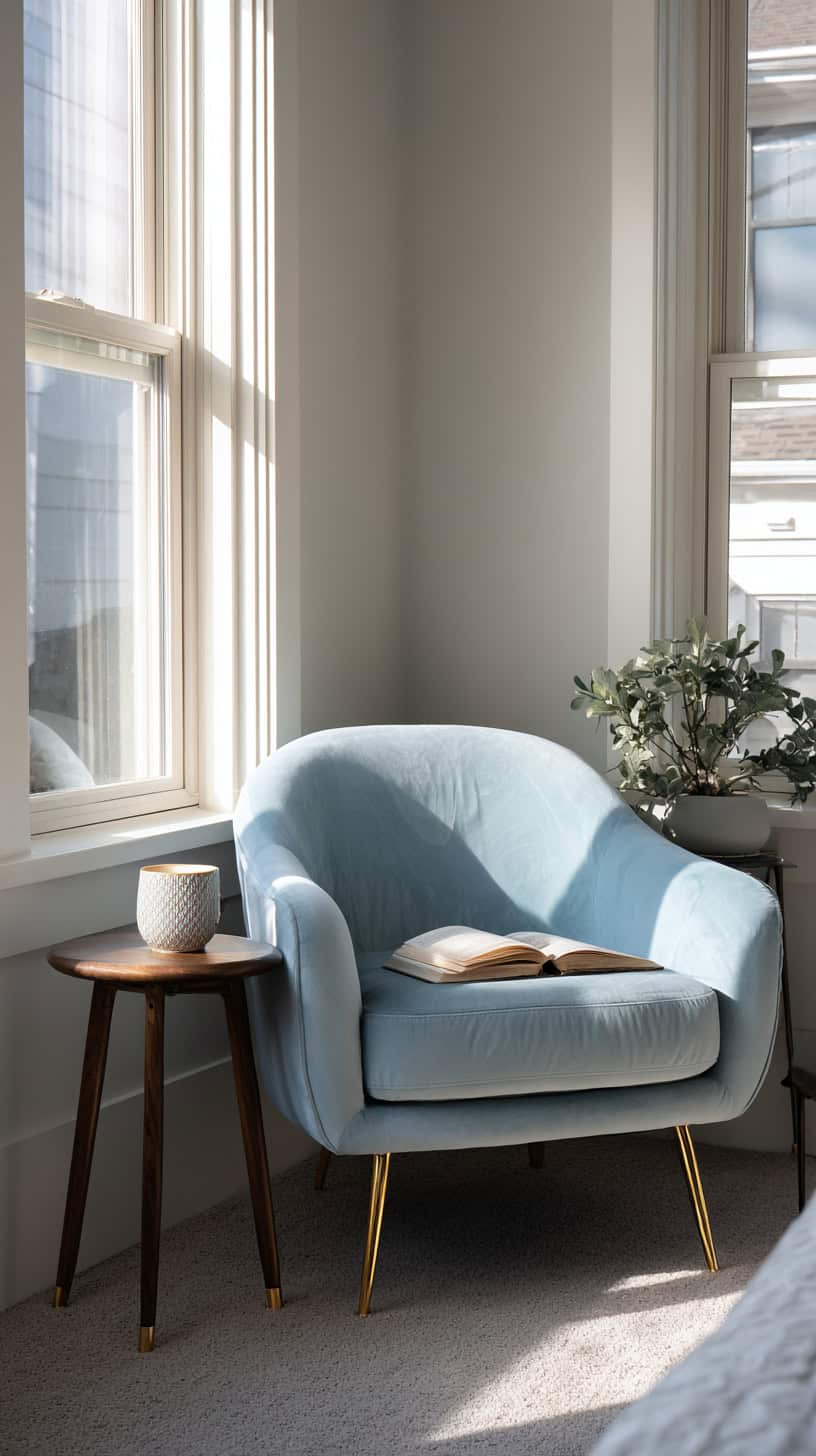
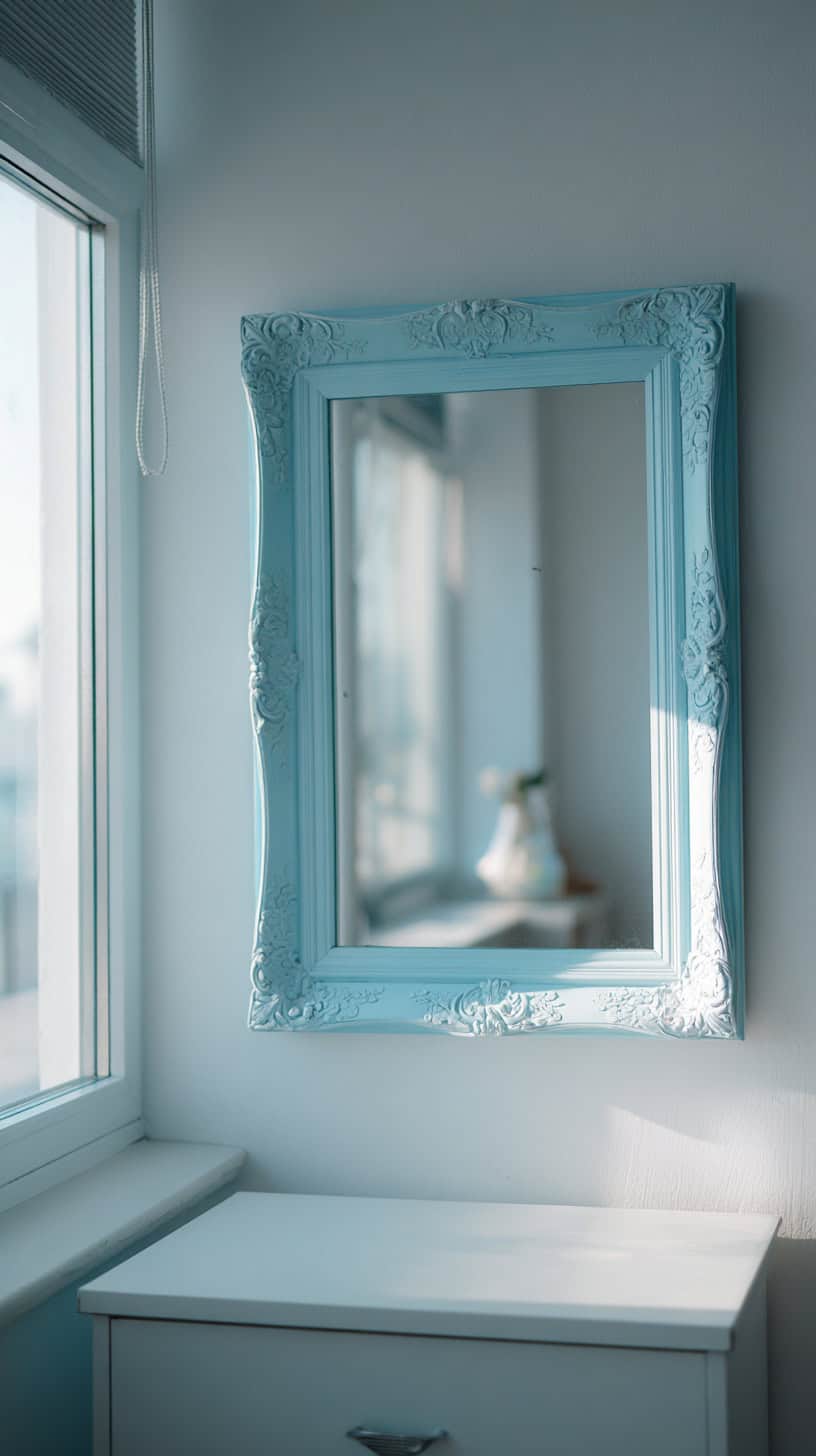
Lighting choices shape how colors read and set the evening mood. Powder-blue lamp shades soften bedside light and introduce color at eye level. Combine ambient overhead fixtures with task lighting—adjustable bedside lamps or a reading lamp by the accent chair—to create versatile lighting layers. Mirrors with pale-blue or neutral frames reflect daylight and visually expand the room; positioning a mirror opposite a window amplifies natural light. Metallic accents in warm finishes or wood bases can balance the coolness of blue, preventing the room from feeling too cool or monochromatic.
7. Decor and Storage: Shelves, Artwork, and Small-Scale Accents
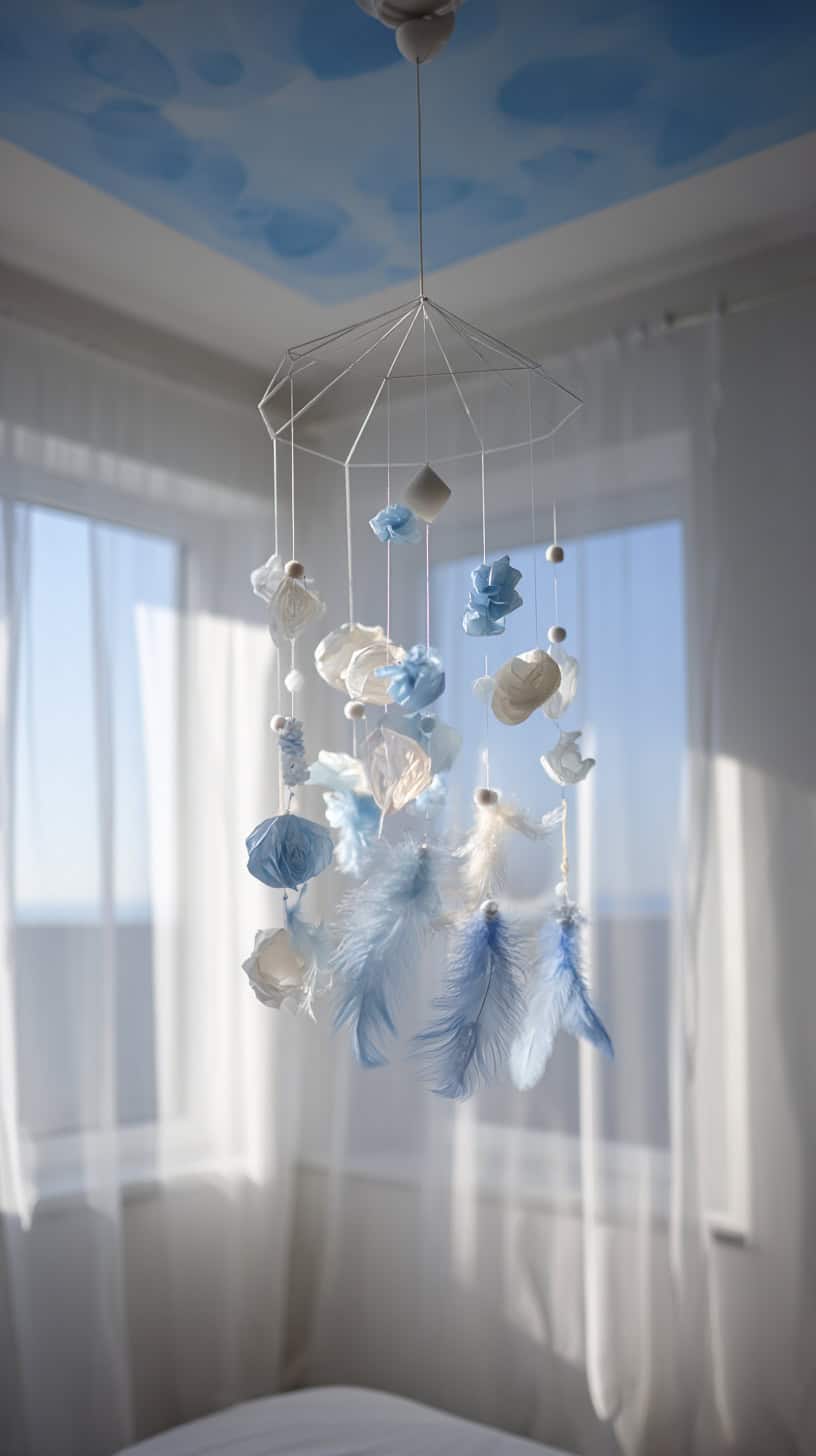
Integrate light-blue accents through decor objects to give the room personality while staying uncluttered. A small driftwood or painted shelf in a coastal blue tone makes an attractive display for potted plants, books, or sculptural items. Create a gallery wall using white and blue prints or mixed-media pieces to personalize the space; plan the layout on the floor before committing to wall placements. Functional items—like a bedside tray, woven baskets, or storage ottomans—can echo the palette while keeping essentials organized. Keep decorative arrangements simple and intentional to preserve the calm, airy feeling.
Final Thoughts
Incorporating light blue into a bedroom is most successful when color choices are balanced with texture, scale, and practical layers of light control. Aim for a restrained palette, repeat tones thoughtfully, and use textiles and furniture to create a composed, restful space that supports relaxation and visual clarity.