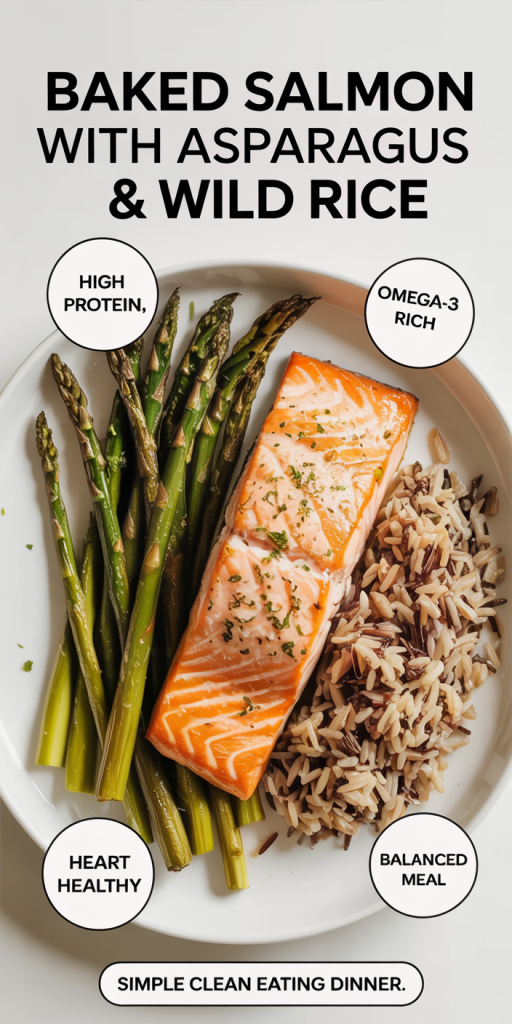
Baked Salmon With Asparagus And Wild Rice
When we think about healthy eating, baked salmon with asparagus and wild rice often tops our list. This delightful dish not only tantalizes our taste buds but also packs a nutritional punch. In this guide, we’ll explore why baked salmon is a top choice for our meals, how to pair it with nutrient-rich sides, and share all the essential tips and tricks to create a memorable dining experience. Let’s jump into cooking this wholesome, delicious meal together.
Why Choose Baked Salmon?
Baked salmon is not just a dish: it’s a way to nourish our bodies and keep our minds clear. Let’s look at the two main reasons why we embrace baked salmon in our diet.
Health Benefits of Salmon
Salmon is widely celebrated for its health benefits. It’s rich in omega-3 fatty acids, which are excellent for heart health and brain function. Consuming salmon regularly can reduce inflammation, lower blood pressure, and even improve our mood. Also, it’s packed with high-quality protein, making it a fantastic choice for maintaining muscle mass and overall body function.
Sustainability of Salmon
Sustainability is crucial in today’s food choices. We can feel good about eating salmon, especially if we opt for responsibly sourced varieties. Many fisheries follow sustainable practices, ensuring that our choices help preserve marine ecosystems. Look for labels like “wild-caught” or “sustainably farmed” to support not only our health but also the health of our planet.
Pairing Salmon With Asparagus and Wild Rice
The addition of asparagus and wild rice complements our baked salmon perfectly, creating a hearty and balanced meal.
Nutritional Benefits of Asparagus
Asparagus isn’t just a pretty vegetable, it’s a powerhouse of nutrients. It’s low in calories but high in vitamins A, C, E, and K. Besides, asparagus is rich in antioxidants and fiber, which aids digestion and supports heart health. It’s no wonder that we enjoy adding asparagus to our plates.
Wild Rice: A Wholesome Grain
When it comes to grains, wild rice stands out. It’s a great source of protein and fiber and has a unique nutty flavor that pairs beautifully with our salmon. Wild rice is also loaded with antioxidants and essential minerals, making it an ideal complement to our meal. Together with salmon and asparagus, wild rice provides a well-rounded nutritional profile.
Essential Ingredients and Tools
Before we get cooking, let’s gather our ingredients and tools.
Ingredients for Baked Salmon, Asparagus, and Wild Rice
- 4 salmon fillets (about 6 ounces each)
- 1 bunch of fresh asparagus (trimmed)
- 1 cup of wild rice
- 2 tablespoons olive oil
- Salt and black pepper to taste
- Lemon wedges (for serving)
- Fresh herbs (like dill or parsley) for garnish
Tools You Will Need
- Baking sheet
- Parchment paper or aluminum foil (for easy cleanup)
- Medium saucepan (for cooking the rice)
- Cooking knife and cutting board
- Meat thermometer (for checking salmon doneness)
- Serving platter to present our meal beautifully.
Step-by-Step Cooking Instructions
Now that we have everything ready, let’s move on to the cooking instructions. It’s easier than you might think.
Preparation of Ingredients
- Preheat the Oven: Start by preheating our oven to 400°F (200°C).
- Prepare the Asparagus: Clean the asparagus under running water and trim the tough ends. Place them on a baking sheet lined with parchment paper.
- Season the Vegetables: Drizzle with olive oil and sprinkle with salt and pepper to taste. Toss them gently to coat.
- Prepare the Salmon: Pat the salmon fillets dry. Place them skin-side down on another baking sheet. Drizzle with olive oil and season with salt and black pepper. Optionally, add a sprinkle of your favorite herbs for extra flavor.
Baking the Salmon and Asparagus
- Bake Together: Place both baking sheets in the oven. Bake the salmon for about 12-15 minutes, depending on thickness. The salmon is done when it flakes easily with a fork and reaches an internal temperature of 145°F (63°C). The asparagus should be tender yet still crisp.
Cooking Wild Rice
- Rinse and Cook the Rice: In a medium saucepan, combine 1 cup of wild rice with 3 cups of water. Bring to a boil, then reduce heat to low and cover. Let it simmer for about 45 minutes, or until the rice is tender and the grains have split open. Drain any excess water if needed.
Tips for Perfectly Baked Salmon and Asparagus
To ensure our dish is a hit, here are a few tips that help us along the cooking journey.
Common Mistakes to Avoid
- Overcooking the Salmon: Keep an eye on the cooking time. Overcooked salmon can become dry. Check it a couple of minutes before the suggested cooking time to catch it just right.
- Neglecting to Season: Don’t skimp on seasoning. A pinch of salt and pepper can elevate the flavors significantly.
Enhancing Flavor with Seasonings
Consider marinating the salmon for about 30 minutes before baking in a mixture of olive oil, lemon juice, garlic, and herbs. Alternatively, topping the fish with a dollop of pesto or a sprinkle of capers can also enhance taste.
Serving and Presentation Ideas
Once our meal is cooked, presentation becomes key for impressing our guests.
Side Dishes That Complement the Meal
Alongside our salmon, asparagus, and wild rice, we can serve a crisp green salad or a tangy coleslaw for added freshness. A dollop of yogurt or sour cream on the side can also bring a creamy texture to balance the dish.
Garnishing Techniques
Sprinkle our dish with fresh herbs like dill or parsley just before serving for a pop of color and flavor. We can also add lemon wedges to provide a fresh zest that complements the dish beautifully. A fresh, colorful plate makes everyone more excited to dig in.
Storing and Reheating Leftovers
After enjoying our meal, we might want to save some for later. Let’s learn how to store it properly.
Best Practices for Storage
- Cool Down: Let the salmon and asparagus cool to room temperature before storing.
- Use Airtight Containers: Store leftovers in airtight containers in the refrigerator for up to 3 days. Placing a piece of wax paper between the salmon and asparagus can help maintain texture.
Reheating Tips to Maintain Quality
When it’s time to eat our leftovers, we can reheat them gently in the oven at a low temperature (around 300°F/150°C) until warmed through, taking care not to overcook the salmon. Alternatively, microwaving for short intervals works, but we suggest covering it with a damp paper towel to retain moisture.
Conclusion
Baked salmon with asparagus and wild rice is a dish that brings both health benefits and sustainability to our table. By following our step-by-step guide and tips, we can create not just a meal, but a delightful culinary experience that nourishes our bodies and pleases our senses. We hope you enjoy cooking and sharing this recipe as much as we do.