Do Credit Cards Have Routing Numbers? What Cardholders Need to Know
No — a traditional credit card does not carry an ABA-style routing number the way a checking or savings account does. Credit cards use a card account number (often called a PAN or primary account number) and other security codes to process purchases through card networks, while routing numbers identify banks for ACH and wire transfers.
This explainer walks through the differences, common exceptions (for example, certain prepaid or bank‑product cards that are linked to deposit accounts), and the practical steps to set up payments safely. Because rules and features vary by issuer and product, always verify specifics with your card company or account disclosures.
1. Routing numbers vs. card numbers: the short answer
Routing numbers are nine-digit codes used to identify U.S. banks and direct ACH or wire transfers. They appear on checks and in online bank-account settings and are owned and standardized by the banking system. For an official explanation, see the ABA’s page on routing numbers.
Credit cards use a separate identification system: a card’s primary account number (PAN) and security codes route transactions through card networks (Visa, Mastercard, American Express, Discover and others). That means, in normal retail and online purchases, you provide a card number and security code — not a routing number. Note: PAN length can vary by network (commonly 13–19 digits), so don’t assume every card has exactly 16 digits.
Want a practical next step?
2. When and why you might need a routing number
Routing numbers are needed whenever money is moving between bank deposit accounts by ACH or wire — for example, payroll direct deposits, transfers between banks, or when you set up an automatic pull from your checking account to pay a bill. If you want a creditor or biller to withdraw payments from your bank account, you’ll typically supply both a routing number and account number.
Important distinctions for credit-card holders:
- To pay a credit card from your bank account: you provide your bank routing and account numbers to your bank or bill-pay service so it can send an ACH debit to your card issuer.
- To pay a bill with the credit card itself: you give the merchant or biller your card number, expiration date, and security code; no routing number is used in that flow.
- Some prepaid or bank-issued card products are actually deposit accounts behind the scenes; those products may provide routing and account numbers that let you receive direct deposit or ACH credits. Whether a card product supports ACH depends entirely on the product and issuer, so check the account disclosures.
3. What the digits on a card mean and where security codes live
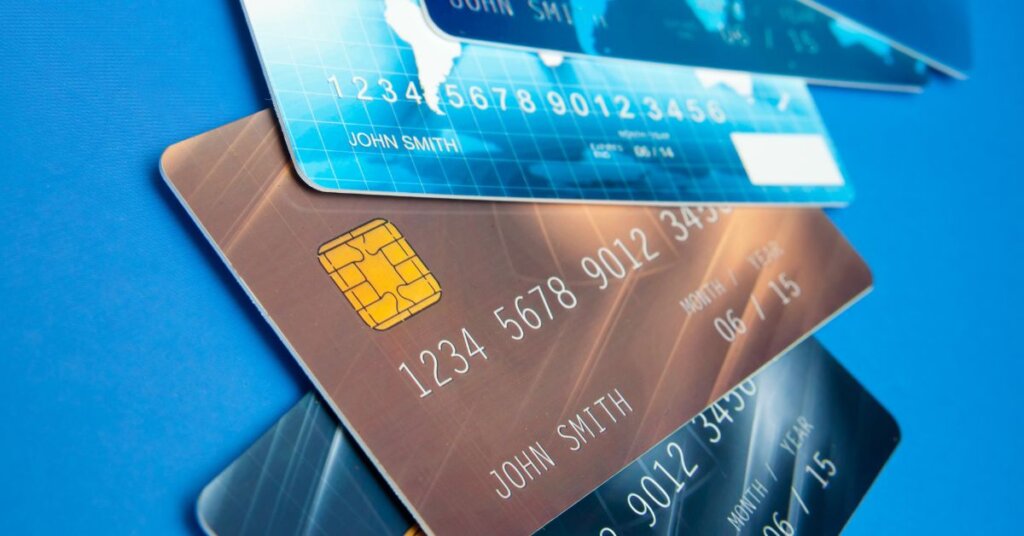
A credit card number and its associated codes serve several roles: identifying the card network and issuer, routing transactions through payment networks, and validating that the number is correctly entered.
Key parts you might see on a card:
- Major Industry Identifier and issuer range: the first digit(s) signal the card network and industry. The first several digits (commonly the first six, now sometimes eight) are the issuer identification (BIN/IIN).
- Account portion and check digit: the remaining digits identify the individual account; a final check digit (validated by the Luhn algorithm) helps detect entry errors.
- CVV/CVC (card security code): typically a three-digit code on the back of Visa, Mastercard and Discover cards; American Express usually uses a four-digit code on the front. Placement and length are typical but can vary by card product.
Do not share full card numbers, CVV codes, or PINs over untrusted channels. Treat PANs and security codes as sensitive financial data.
4. How card charges and bank transfers are processed: why the difference matters
A purchase on a credit card is a line of credit extended by the issuer; the card network and issuer authorize and settle the transaction without using your bank routing number. By contrast, ACH transfers and direct debits move actual bank account funds and rely on routing and account numbers.
A couple of practical implications:
- Paying by card vs. paying from a bank account: paying a merchant with a credit card is generally processed through card networks and may carry merchant fees (or, in rare cases, convenience fees) but does not require routing numbers. Setting up a scheduled bank debit to pay a credit-card bill uses routing and account numbers and is handled through the ACH system.
- Grace periods and interest: many cards offer a grace period on purchases so that paying the statement balance in full by the due date avoids interest, but not all issuers are required to offer a grace period. Terms vary by card; see the CFPB’s explanation of how grace periods work and check your card’s terms before assuming you have one.
- Special transaction types: cash advances, balance transfers, and convenience checks are often processed differently and may start accruing interest immediately or include fees. Confirm how your issuer treats each transaction type.
5. Practical checklist: setting up payments and keeping details safe
Use this short checklist when you need to move money or give payment information:
- Verify the product: ask your issuer whether the card is linked to a deposit account with routing and account numbers. If it is, ask where and how those numbers are used.
- Pick the right method: if a biller accepts card payments and you prefer to use credit, provide the card details. If the biller requires bank transfers, give routing+account info instead.
- Watch for fees: paying with a credit card for certain bills or using convenience checks can carry fees or be treated as cash advances. Confirm fees before authorizing.
- Confirm grace-period and billing terms: don’t assume a grace period exists — read your card agreement or contact the issuer to confirm when interest begins. The CFPB’s key terms page on credit cards can help you understand common language used in disclosures.
- Protect your data: use secure websites or the issuer’s official app to enter numbers, enable alerts for transactions and payments, and never email full card numbers or security codes.
- When in doubt, call: if you’re unsure whether to supply a routing number, account number, or card number for a specific transaction, contact your bank or card issuer using the number on the back of the card or from the issuer’s official website.
Always confirm account‑specific rules and fee schedules with your provider — issuers and products differ.
Routing numbers are for bank deposit accounts and ACH/wire movement; traditional credit cards rely on PANs and card-network processing instead. Some cardlike products may be backed by deposit accounts and offer routing and account numbers, so read disclosures or ask your issuer. When in doubt, verify the exact terms, fees, and processing rules with your card company or bank to avoid surprises.
For current, general information related to this topic, review ABA Routing Number. Individual terms and circumstances can differ, so use that guidance alongside the disclosures or rules that apply to your own situation.