From Idea to Income: A Practical Roadmap to Launching and Growing as a Content Creator
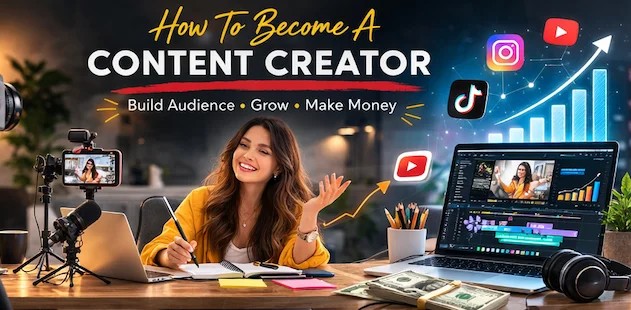
Starting a content-creation path can feel overwhelming, but clear steps and simple systems turn scattered posts into a dependable creative venture. This article walks you through what creators do, why the moment is ripe, and how to plan, produce, promote and monetize work that serves an audience. Each section gives concrete examples you can replicate this week.
1. What a Content Creator Actually Produces
A content creator crafts material that informs, amuses, or assists a specific group of people—anything from short clips to newsletters and downloadable guides. Think of formats like explainer videos, step-by-step blog posts, weekly podcasts, or a themed email series. Practical example: a home-gardening creator might publish a 60-second soil prep reel, a two-minute tutorial on seed spacing, and a downloadable planting calendar. The aim is useful, repeatable work that inspires trust and keeps people coming back, not random snapshots. Treat each asset as a building block toward an audience that recognizes your expertise.
2. Why Now Is a Good Time to Start Creating
More businesses and audiences rely on authentic digital content than ever, and individuals can turn an audience into earnings with accessible tools. Starting today means you can learn platform mechanics early, refine a voice, and test what resonates before markets saturate. For example, a novice baker who posts weekly technique clips, shares recipe PDFs, and answers questions in comments can build credibility faster than trying to break into crowded ad channels. The barrier to entry is low, but consistent focus separates casual posters from creators who create sustainable opportunities.
3. A Simple Strategy That Keeps Your Work Aligned
A reliable content strategy defines who you serve, three to four core topics you’ll cover, and a repeatable publishing rhythm. Begin by naming your ideal viewer, then set content pillars such as ‘quick how-tos,’ ‘case studies,’ and ‘tool recommendations.’ Practical example: a wellness creator could schedule Mondays for quick workouts, Wednesdays for nutrition tips, and Fridays for client success stories. Track basic metrics weekly—engagement and saves—and use them to refine topics. This approach creates predictable output, makes planning easier, and helps you turn creative energy into measurable progress.
4. Tools Worth Using (Keep Your Toolbox Small)

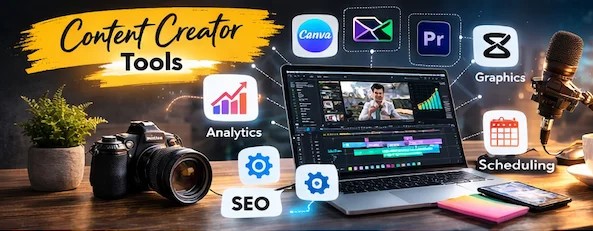
You don’t need dozens of apps to be effective—pick a small set that covers recording, editing, and organizing. For editing short videos, an intuitive phone app can be enough; for thumbnails and quick graphics, a simple design tool does the job. For example, record clips on your phone, use a mobile editor to trim and add captions, and store script ideas in a notes app. Use one scheduling tool to queue posts and the platform’s analytics to check what works. Focusing on a few reliable tools reduces friction and stops tech from becoming an excuse.
5. Formats That Keep Your Ideas Flowing
When creativity lags, rely on dependable formats: quick problem-solution clips, step-by-step tutorials, before-and-after reveals, myth-busting posts, behind-the-scenes looks, honest tool reviews, and personal stories. For instance, a language tutor could create: a 30-second pronunciation fix (problem-solution), a three-step grammar drill (tutorial), and a short clip showing lesson prep (behind the scenes). Rotate these formats across your calendar so you’re always delivering value in a variety of moods—educational, emotional, and practical—without inventing a new blueprint every time.
6. Tailoring Content Types to Your Audience and Goals
Organize content into categories—education, inspiration, entertainment, and authority—so your channel feels balanced and purposeful. Educational pieces teach a skill, inspirational posts share stories that motivate, entertaining content taps trends or relatable moments, and authority pieces demonstrate expertise with case studies or data. Example: a small-business creator might publish a how-to on ad basics (educational), a founder’s origin story (inspirational), a humorous skit about client calls (entertainment), and a breakdown of a successful campaign (authority). Mixing categories helps retain viewers and builds varied pathways to conversion.
7. Make Short Video Work for You

Short-form video accelerates audience growth because it’s quick to consume and shows personality rapidly. Start with strong openings—a surprising stat, a bold promise, or a quick question—to keep viewers watching. Practical starters: film a 30–60 second ‘how to’ with a clear hook, or record a screen walkthrough with voiceover for a tool demo. Don’t delay posting until everything is perfect; natural lighting and honest delivery often outperform overly produced footage. Repurpose that clip as a short, an Instagram post, and a pinned thumbnail on your profile to maximize reach.
8. Three Essentials that Drive Growth
Growth depends on grabbing attention quickly, communicating a single idea clearly, and prompting simple audience action. For example, begin a clip with a hook that promises benefit in the first two seconds, keep the message tight—one tip or demonstration—and end with a direct prompt like ‘save this for later’ or ‘try it and tell me how it went.’ Consistency matters: publish on a predictable cadence so new followers know when to expect the next helpful piece. These modest habits compound into steady audience expansion.
9. Little Upgrades that Lift Your Results
Once you have momentum, refine what works: review analytics weekly to spot high-retention formats, hone your openers for stronger hooks, start collecting emails, and repurpose top-performing posts across formats. Example workflow: find a video with high watch time, strip the audio for a short podcast clip, turn the transcript into an evergreen blog post, and create three related reels from the same concept. Building an email list gives you direct access to followers if platform reach drops; repurposing saves time and stretches your ideas farther.
10. Build a Recognizable Creative Identity
Standing out comes from a coherent presence—consistent colors, fonts, cadence, and tone—so people immediately recognize your work. Pick a visual palette, a signature style of opening lines, and a clear way of presenting information. For instance, a finance creator might use a teal overlay on every thumbnail, always begin with a one-sentence pain point, and finish with a standard call to action. Over time, these cues help viewers spot your posts in feeds and remember your voice. Distinction is less about being flashy and more about being reliably familiar.
11. Common Missteps and How to Avoid Them
Many creators stall by publishing without a plan, ignoring feedback, copying trends blindly, quitting too fast, or waiting for perfect gear. Prevent these traps by setting small, measurable goals, asking followers what they need, adapting trends to fit your niche rather than imitating them, committing to a multi-month learning period, and prioritizing clarity of message over production polish. For example, commit to 12 weeks of scheduled posts, then review performance. Iteration beats perfection; course corrections are how creators improve.
12. How to Grow Credibility and Trust
Authority grows through consistent delivery, transparent results, and social proof. Share case studies, reader testimonials, and tangible outcomes from your advice. Practical moves: document a client’s progress in a short series, post before-and-after examples with permission, and provide occasional deep dives that back up claims with concrete steps. Over time, clear evidence of results makes your content more persuasive and opens opportunities for partnerships or paid offers. Trust is built gradually; small, repeatable demonstrations of value compound into reputation.
13. Ways Creators Turn Attention into Income
Multiple income channels reduce risk: sponsored partnerships, affiliate links, digital products, paid services or coaching, and creating ad-style content for brands. Example mix for a creator: negotiate a sponsored post with a niche brand, promote a relevant affiliate product in a tutorial, sell a short PDF guide, and offer one-on-one consulting slots. Start with one or two monetization methods that match your audience’s needs and scale from there. Always disclose paid relationships clearly and prioritize offers that genuinely help your followers.
14. Turn Social Momentum into a Lasting Business
To lessen dependence on any single platform, expand into other formats like blogging, podcasts, courses, and memberships. For example, convert a popular video series into a structured paid email course, launch a companion podcast for longer interviews, or open a members-only community for deeper coaching. These moves create owned channels—assets you control—that stabilize income and deepen audience relationships. Start small: offer a single paid workshop, then iterate based on participant feedback before developing a comprehensive product.
15. Practical Way to Begin Tomorrow
Begin with three simple tasks: pick a narrow topic you can talk about consistently, choose one platform to focus on for 90 days, and create a basic weekly plan with at least two helpful pieces and one personal post. Example plan: this week, film two 60-second tutorials, publish one short story about why you started, and note three content ideas for next week. Small, repeatable actions build creative momentum; treat the project like a micro-business and measure progress in audience engagement and skills gained rather than overnight virality.
Becoming a content creator is a process of steady choices—defining who you serve, picking a sustainable system, creating with purpose, and exploring monetization that fits your audience. Start small, learn from each post, and expand deliberately. Over time, the cumulative effect of consistent, audience-first work becomes a meaningful creative business.