How Artists Can Turn Sketches Into Income: Practical Paths for Selling, Teaching and Licensing Your Drawings
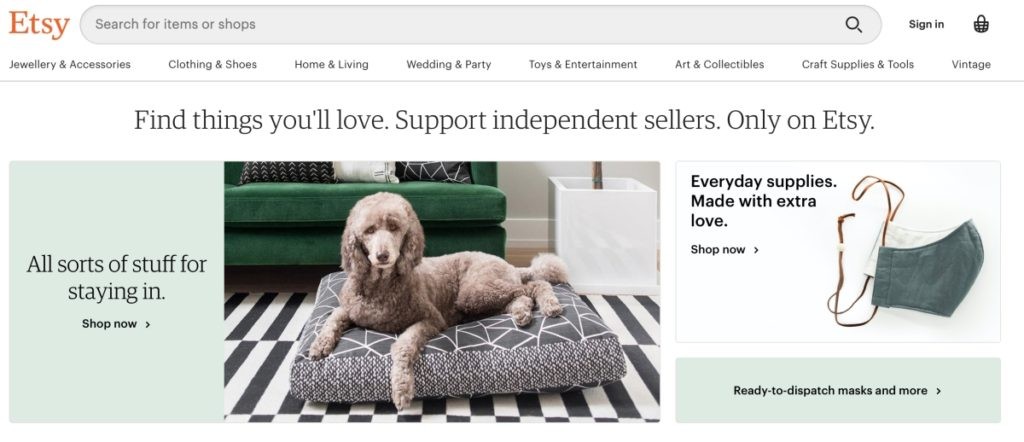
If you love drawing and want to earn from that passion, there are many practical, digital-first paths to explore. Below are eight focused approaches—each rooted in ideas creators use today—laid out in a fresh sequence so you can choose what suits your style, schedule and goals. Read through the options, and pick a combination that fits how you like to work.
1. Pick a direction that suits your goals and tempo
Before listing art or launching classes, decide how you want drawing to fit into your life. Some artists prioritize one-off sales of originals and commissions, while others aim for recurring income from prints, merchandise, teaching or licensing. Think about time investment, how much marketing you want to do, and which activities energize you. For example, a weekend-focused creator might sell limited-run prints and accept a few custom commissions, while someone who enjoys teaching can build short video lessons and live workshops. Choosing a primary route makes it easier to focus your portfolio, pricing and promotion so each effort compounds toward income.
2. Build a polished shop and presentation your audience trusts
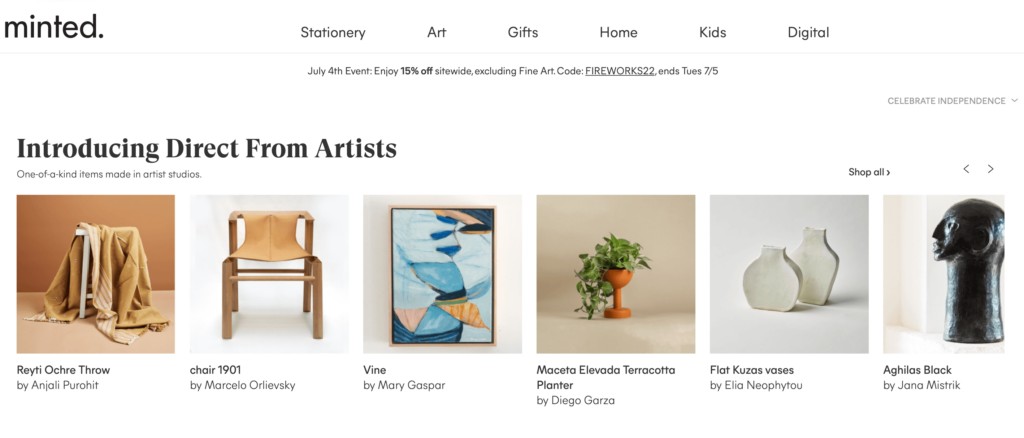
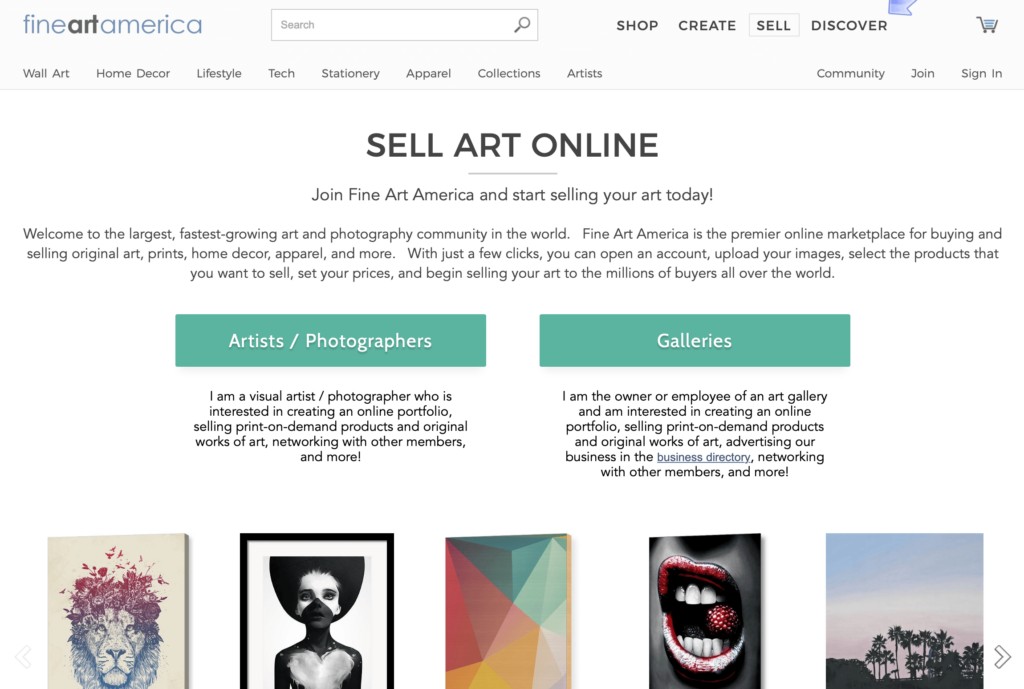
Whether you use a personal website or an established marketplace, clear presentation matters. High-quality photos or scans, consistent product titles and honest descriptions help buyers decide. On a personal site you control pricing, shipping and brand voice; on marketplaces you gain built-in traffic and simplified checkout. Practical moves include offering framed and unframed options, stating shipping timelines, and grouping related pieces as bundles. Collect email addresses to announce drops or sales, and use straightforward return or commission terms to set expectations. Regularly refresh listings so returning visitors see something new and your shop looks active and curated.
3. Use print-on-demand to scale designs into products
Print-on-demand services turn a single drawing into many products—prints, tees, phone cases, cushions and fabric—without inventory hassle. Convert drawings to high-resolution files and create mockups for multiple product types; upload holiday or themed collections to boost discoverability. For instance, the same botanical sketch can be sold as a fine-art print, a tea towel and a repeat fabric yard. Keep artwork files organized by color profile and resolution, and test different product placements in mockups. Promote best-sellers with simple paid ads or social posts and encourage customers to share photos so potential buyers can see real-life uses.
4. Offer commissions and freelance services to find steady work
Freelance platforms and direct commissions connect artists to clients who need custom work. Create concise service packages—examples: quick portrait sketches, logo concepts, or editorial spot illustrations—each with clear deliverables and timelines. Use your profile to show before-and-after examples, process shots, and client testimonials. When taking commissions, use a simple contract outlining rights, revisions, and payment milestones to avoid misunderstandings. Regularly pitch relevant jobs, respond clearly to briefs, and request a review on completion. Over time, repeat clients and word-of-mouth referrals can become a reliable source of paid projects.
5. Teach drawing in formats that fit your strengths
Teaching can be a dependable revenue stream and a way to expand your audience. Choose formats that match your strengths: a step-by-step video series for platforms that host long-form courses, short project videos for membership sites, or live-streamed workshops for interactive critique. Prepare a clear syllabus that progresses from foundational skills to finished pieces, and include downloadable references or practice sheets. Offer a free mini-lesson to attract students and follow up with a paid, deeper course. You can repurpose lessons into a PDF guide, a printed book, or a companion course to diversify how learners pay for your expertise.
6. Design for cards, textiles and licensing opportunities
Greeting cards, fabric prints and licensed stationery are natural homes for repeatable drawing motifs. Develop seasonal sets or themed packs—birthday doodles, holiday illustrations, or floral repeats—that can be pitched to publishers or uploaded to print platforms. For fabric, create seamless repeat patterns and sample swatches so makers and buyers can imagine applications like curtains or cushions. Consider licensing templates or selling limited-use rights to companies that produce cards and gifts; keep negotiation terms clear about royalties and usage. Building relationships with small publishers and shops can lead to recurring orders without requiring you to manage production.
7. Enter competitions and curated spaces to raise visibility
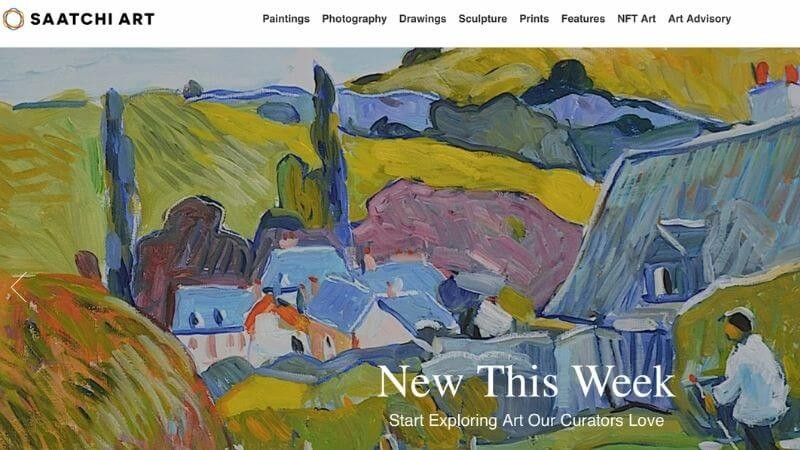
Contests and curated gallery placements can expose your work to collectors, press and potential buyers. Research opportunities that match your style and read submission rules carefully—some shows want series work, others accept single pieces. Prepare a concise artist statement and professional images sized to the gallery or competition specs. When public voting or social promotion matters, plan a simple outreach strategy using your email list and social posts to gather support. Even if you don’t win, curated entries and shortlisted lists can be added to your portfolio and press kit, strengthening future pitches and sales opportunities.
8. A practical starter checklist and answers to common worries
When you’re getting started, keep a short checklist: make high-resolution images, write clear descriptions, set fair terms for commissions, diversify platforms, and keep organized files for prints and licensing. Protect originals and set expectations around reproduction rights in written agreements. If you worry about time, try batching: create a week’s worth of social posts, scan several pieces at once, or assemble a small course module in one block. For discovery, test one marketplace and one teaching platform, measure what resonates, then expand. Treat each experiment as a learning step toward a mix of income streams that suit your life.
There’s no single right way to earn from drawing—combining a few of these paths lets you balance creative satisfaction with practical income. Start small, focus on quality and clear communication, and iterate as you discover what your audience values most.