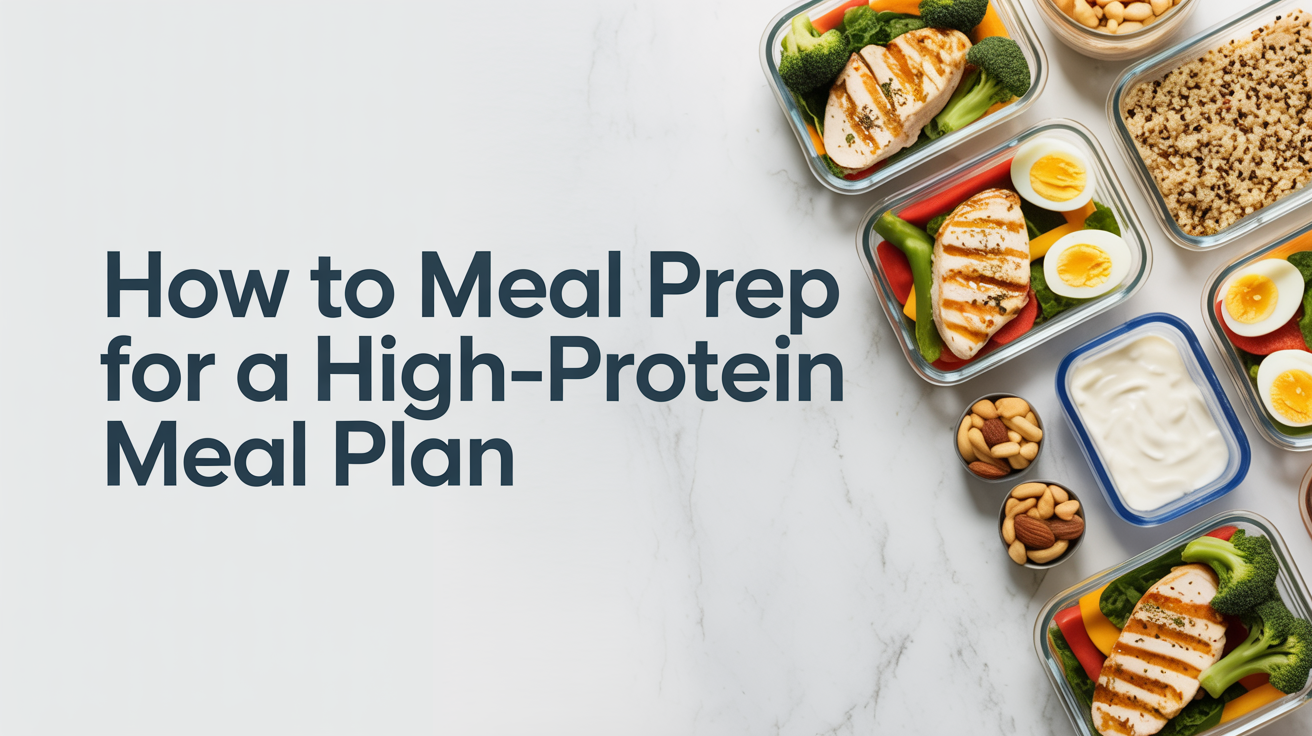
Meal prepping on a high-protein diet is a strategic way to ensure you consistently meet your nutritional goals, save time, and avoid unhealthy impulse food choices. By planning and preparing your meals in advance, you can take control of your diet, build muscle, manage weight, and maintain steady energy levels throughout the week. This comprehensive guide will walk you through everything you need to know to master the art of high-protein meal prep, from understanding your protein needs to planning, cooking, and storing your meals safely.
Understanding Your Protein Needs
Before you can effectively meal prep for a high-protein diet, it’s essential to understand how much protein your body actually needs. Protein requirements vary based on factors like age, gender, weight, and activity level. A general guideline for adults on a high-protein diet is to consume 0.8 to 1.0 grams of protein per pound of body weight each day [1]. For those looking to lose weight, this calculation should be based on their target body weight rather than their current weight.
For example, a 150-pound individual would aim for 120 to 150 grams of protein daily. However, highly active individuals and athletes may require more to support muscle repair and growth. It is always recommended to consult with a healthcare professional or a registered dietitian to determine the optimal protein intake for your specific needs.
To help you visualize this, here is a table with sample daily protein targets:
| Body Weight (lbs) | Daily Protein Intake (grams) |
|---|---|
| 120 | 96 – 120 |
| 140 | 112 – 140 |
| 160 | 128 – 160 |
| 180 | 144 – 180 |
| 200 | 160 – 200 |
Building a Balanced Meal
A successful high-protein meal prep plan goes beyond just protein. To create satisfying and nutritionally complete meals, each plate should include a balance of protein, carbohydrates, healthy fats, and fiber-rich vegetables. This combination ensures you feel full, energized, and receive a wide range of essential nutrients.
Here is a breakdown of excellent food sources for each category:
High-Protein Sources
| Category | Examples |
|---|---|
| Lean Meats | Chicken breast, turkey breast, lean ground beef, pork loin |
| Fish | Salmon, tuna, cod, tilapia |
| Dairy | Greek yogurt, cottage cheese, eggs |
| Plant-Based | Lentils, chickpeas, black beans, tofu, quinoa, edamame |
Healthy Carbohydrate Sources
| Category | Examples |
|---|---|
| Whole Grains | Brown rice, quinoa, oats, barley, whole-wheat pasta |
| Starchy Vegetables | Sweet potatoes, butternut squash, corn, peas |
| Legumes | Lentils, chickpeas, black beans |
| Fruits | Berries, apples, bananas, oranges |
Healthy Fat Sources
| Category | Examples |
|---|---|
| Nuts & Seeds | Almonds, walnuts, chia seeds, flaxseeds, pumpkin seeds |
| Oils | Olive oil, avocado oil, coconut oil |
| Other | Avocados, nut butters, fatty fish (salmon) |
Fiber-Rich Vegetables
| Category | Examples |
|---|---|
| Leafy Greens | Spinach, kale, arugula, romaine lettuce |
| Cruciferous | Broccoli, cauliflower, Brussels sprouts, cabbage |
| Other | Bell peppers, cucumbers, tomatoes, onions, asparagus |
Planning Your High-Protein Meal Prep
Effective meal prep starts with a solid plan. A structured approach will not only save you time and money but also reduce stress during the week. Here is a five-step weekly routine to guide your meal prep process [4]:
- Review Your Schedule: Before you plan your meals, take a look at your calendar. Identify days with social events, appointments, or late work nights. This will help you determine how many meals you need to prepare and prevent you from making too much food.
- Create a Meal Plan: Based on your schedule, decide which meals you need to prep. A good strategy is to choose recipes that can serve as both lunch and dinner. If you won’t have leftovers, plan for a separate batch of lunches for the work week. When starting out, it’s best to start small. Don’t try to prep every single meal for the entire week. Begin with one or two recipes and gradually increase as you become more comfortable with the process.
- Go Grocery Shopping: With your meal plan in hand, create a detailed grocery list. Before you head to the store, shop your own pantry, fridge, and freezer to see what you already have. This simple step can significantly reduce your grocery bill and prevent food waste.
- Prep and Cook: This is where the magic happens. You can choose between two primary methods: batch cooking entire meals or ingredient prepping. Ingredient prepping involves preparing individual components—like chopping vegetables, marinating meats, or cooking grains—to make weeknight cooking faster. This method is often quicker, taking about an hour compared to several hours for full batch cooking [4].
- Store Your Food Properly: Once your food is cooked and cooled, store it in appropriate containers. Proper storage is crucial for maintaining food quality and safety.
By following this routine, you will find that meal prepping becomes a manageable and even enjoyable habit that sets you up for a week of healthy, high-protein eating.
Cooking Techniques for High-Protein Meal Prep
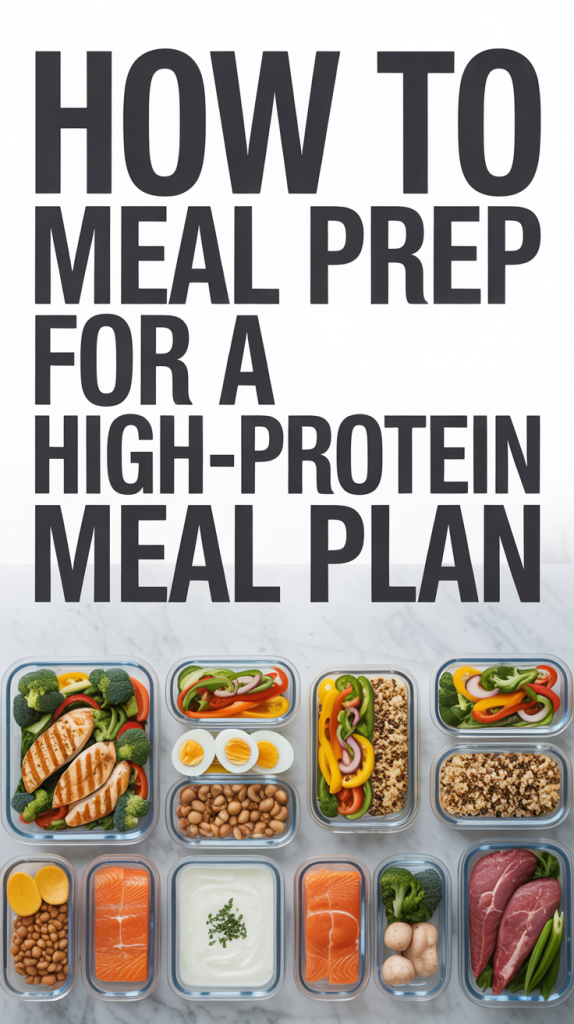
Efficiently cooking your protein in advance is the cornerstone of a successful high-protein meal prep plan. Batch cooking your proteins allows you to create versatile building blocks for a variety of meals throughout the week. Here are some effective techniques and protein-specific ideas to get you started [5]:
Batch Cooking Proteins
Instead of cooking a different protein every night, dedicate time during your prep day to cook a large batch of one or two versatile proteins. This approach simplifies the cooking process and provides a ready-to-use foundation for salads, bowls, wraps, and more.
- Crockpot Shredded Chicken: A simple and incredibly versatile option. Cook a large batch of chicken breasts in a slow cooker with a little broth or water. Once cooked, shred the chicken and store it for easy use in tacos, salads, sandwiches, or pasta dishes.
- Macro-Friendly Carnitas: This flavorful pulled pork is another excellent slow cooker option. A 4lb boneless pork loin can yield a significant amount of protein that can be used in bowls, burritos, or alongside roasted vegetables.
- Hard-Boiled Eggs: A quick and easy protein source that can be prepared in multiple ways—stovetop, oven, Instant Pot, or air fryer. Hard-boiled eggs are perfect for a quick snack, sliced over a salad, or used to make egg salad.
- Meal Prep Burgers: Ground turkey, chicken, or lean beef can be formed into patties and cooked in advance. These can be quickly reheated for a simple lunch or dinner.
- Plant-Based Legumes: Legumes like lentils, chickpeas, and black beans are excellent plant-based protein sources. They can be cooked in large batches and used in soups, stews, salads, or to make plant-based burgers.
Cooking Methods
The cooking method you choose can impact both the flavor and nutritional value of your meals. Here are some of the best cooking methods for high-protein meal prep:
- Slow Cooking/Pressure Cooking: The Instant Pot and slow cooker are invaluable tools for meal prep. They are perfect for tenderizing tougher cuts of meat and cooking large batches of shredded chicken, carnitas, or chili with minimal hands-on time.
- Baking/Roasting: Baking and roasting are great for cooking chicken breasts, salmon fillets, and a variety of vegetables. Sheet-pan meals, where you cook your protein and vegetables on the same pan, are a time-saving favorite.
- Grilling: Grilling imparts a delicious smoky flavor to meats and vegetables. You can grill a large batch of chicken, steak, or fish to use throughout the week.
- Sautéing/Stir-Frying: A quick method for cooking smaller cuts of meat and vegetables. A stir-fry with a lean protein and plenty of vegetables can be a complete and balanced meal.
_n## Food Storage and Safety_n
Proper food storage is critical to ensure your prepped meals remain fresh, safe, and delicious. Following food safety guidelines will prevent spoilage and reduce the risk of foodborne illness. Here’s what you need to know about storing your high-protein meals [3]:
Choosing the Right Containers
The containers you use can make a big difference in the quality of your meal prep. Here are some recommendations:
- Airtight Glass Containers: These are ideal for most meal prep. They are non-porous, so they won’t absorb odors or stains. They are also microwave, oven, and dishwasher safe.
- BPA-Free Plastic Containers: A lightweight and affordable option. Look for containers that are labeled BPA-free to avoid potential chemical leaching. Ensure they are microwave and dishwasher safe.
- Mason Jars: Perfect for salads and layered meals. By keeping the dressing at the bottom, you can prevent your greens from getting soggy.
- Freezer-Safe Bags and Containers: If you plan to freeze meals, use containers or bags specifically designed for freezer use to prevent freezer burn.
Refrigerator and Freezer Storage Guidelines
Knowing how long your meals will last is key to safe meal prepping. While many people prep for an entire week, it’s important to know that most refrigerated meals are best consumed within 3-4 days [6]. For meals you plan to eat later in the week, freezing is the best option.
| Food Type | Refrigerator Storage | Freezer Storage |
|---|---|---|
| Cooked Meat & Poultry | 3-4 days | 2-6 months |
| Cooked Fish | 3-4 days | 2-3 months |
| Soups & Stews | 3-4 days | 2-3 months |
| Cooked Rice & Grains | 3-4 days | 1 month |
| Hard-Boiled Eggs | 1 week | Not recommended |
| Salads | 3-5 days (undressed) | Not recommended |
Essential Food Safety Tips
Follow these food safety practices to keep your meals safe for consumption:
- Cool Food Before Storing: Allow cooked food to cool to room temperature before refrigerating, but don’t leave it out for more than two hours.
- Label Everything: Label your containers with the name of the meal and the date it was prepared. This helps you keep track of what to eat first.
- Follow the First-In, First-Out (FIFO) Rule: Organize your fridge so that the meals you prepped first are at the front and get eaten first.
- Avoid Cross-Contamination: Use separate cutting boards and utensils for raw meat and vegetables. Wash your hands thoroughly before and after handling food.
- Reheat Properly: When reheating food, make sure it reaches an internal temperature of 165°F (74°C) to kill any potential bacteria.
Common Meal Prep Mistakes to Avoid
Even with the best intentions, it’s easy to make mistakes when you’re new to meal prepping. Being aware of these common pitfalls can help you stay on track and make your meal prep journey a success. Here are some of the most frequent mistakes and how to avoid them [6]:
- Over-prepping and Food Waste: It’s easy to get ambitious and prepare more food than you can realistically eat. This often leads to food waste. To avoid this, start by prepping for just a few days at a time and be realistic about your schedule, including nights you might eat out.
- Lack of Variety: Eating the same meal every day can lead to “food burnout.” While it may seem efficient to cook one large batch of a single recipe, it can quickly become monotonous. Instead, try prepping versatile ingredients that can be combined in different ways, or cook two or three different recipes to rotate throughout the week.
- Ignoring Food Safety: As discussed, proper food storage is non-negotiable. A common mistake is leaving food out for too long before refrigerating it or not storing it in airtight containers. Always cool food properly and store it within two hours of cooking.
- Not Planning for Balanced Meals: Focusing solely on protein can lead to unbalanced meals that lack other essential nutrients. Remember to include a source of healthy carbohydrates, fats, and plenty of vegetables in each meal to ensure you’re getting a well-rounded diet.
- Choosing the Wrong Recipes: Some foods simply don’t hold up well to being stored and reheated. Avoid recipes with ingredients that will become soggy or lose their texture, like breaded and fried foods or delicate greens. Stick to recipes that are known to reheat well, such as soups, stews, chilis, and grain bowls.
- Prepping Only Once a Week: While
Sunday has become the unofficial meal prep day, many people make the mistake of thinking it’s the only day to prep. As mentioned, most refrigerated meals are only good for about four days. To ensure your food is always fresh, consider a twice-a-week prep schedule, such as on Sunday and Wednesday.
Conclusion
Meal prepping for a high-protein meal plan is an investment in your health, time, and well-being. By taking the time to plan, shop, and cook in advance, you can create a week of delicious, nutritious meals that will keep you energized, support your fitness goals, and eliminate the stress of last-minute meal decisions. Remember to start small, prioritize variety, and adhere to food safety guidelines to make your meal prep journey a sustainable and rewarding habit. With the strategies and tips outlined in this guide, you are now well-equipped to master the art of high-protein meal prepping and take a significant step toward a healthier lifestyle.
References
[1] Blendtec. (2024, July 18). Beginner’s Guide to High Protein Meal Prep. Blendtec Blog. Retrieved from https://www.blendtec.com/blogs/news/beginners-guide-to-high-protein-meal-prep
[2] EatingWell. (2024, October 25). 16 High-Protein Meal Prep Ideas That Are Easy to Make. EatingWell. Retrieved from https://www.eatingwell.com/gallery/8043253/high-protein-simple-meal-prep-ideas/
[3] Ideal Nutrition. (n.d.). How to Store Meal Prep Food – The Beginner’s Guide. Ideal Nutrition. Retrieved from https://idealnutritionnow.com/blogs/news/how-store-meal-prep-food-beginners-guide
[4] The Girl on Bloor. (2025, August 14). How to Meal Prep for the Week. The Girl on Bloor. Retrieved from https://thegirlonbloor.com/how-to-meal-prep-my-weekly-meal-prep-routine/
[5] Kate Lyman Nutrition. (2023, November 15). Simple Protein Batch Prep Recipes for Meal Planning. Kate Lyman Nutrition. Retrieved from https://www.katelymannutrition.com/blog/batch-prep-protein
[6] Tasting Table. (2022, October 19). 14 Common Mistakes Everyone Makes With Meal Prep. Tasting Table. Retrieved from https://www.tastingtable.com/1062433/common-mistakes-everyone-makes-with-meal-prep/