How to Start Earning from the Games You Already Play

If gaming is how you unwind, there are realistic, low‑risk ways to turn some of that time into income. Below are practical perspectives, a compact menu of earning methods, platform guidance, and a starter checklist to help you experiment without overcommitting.
1. Set realistic expectations before you chase payouts
Before pursuing money from gaming, clarify what you want: a steady side income, occasional rewards, or a long-term creator career. Each path moves at a different pace and rewards different skills—audience building favors entertaining or instructional creators, while testing and coaching compensate specific, repeatable tasks. Expect to invest time in practice, content improvement, or reputation building. Treat the first weeks as experiments: try a short stream, apply for a testing gig, or offer a single coaching session to a friend. Use those trials to learn what fits your schedule and strengths rather than assuming instant returns.
2. Practical ways to monetize your playtime

There’s more than one path from hobby to income. Live streaming and recorded video let you combine gameplay with personality; creators also sell merchandise, digital guides, or highlight compilations. Coaching and boosting services convert skill into paid sessions. Playtesting and QA gigs pay for careful reporting of bugs and usability issues. Competitive players can chase tournament prizes or join teams, while writers and podcasters turn knowledge into articles, reviews, or episodes. Many creators mix channels—for example, using video clips to market coaching—to spread risk. Begin with the option that best matches your skills: entertaining, teaching, technical, or product creation.
3. Which platforms match your goal — and how to pick one

Match platform type to your objective. If you want short, low‑commitment rewards, look for tournament-style mobile or web apps that convert short sessions into small prizes or gift cards. Aspiring creators should prioritize video and live platforms where regular scheduling and short highlight clips help attract viewers. For paid testing or coaching, join reputable marketplaces and freelance boards that display reviews and handle payouts. Selling guides or courses works best on course platforms and simple storefronts where sample chapters or clips can sell the idea. Try a few sessions on different platforms to learn payment terms, community norms, and what fits your rhythm.
4. A simple startup checklist to move from player to paid
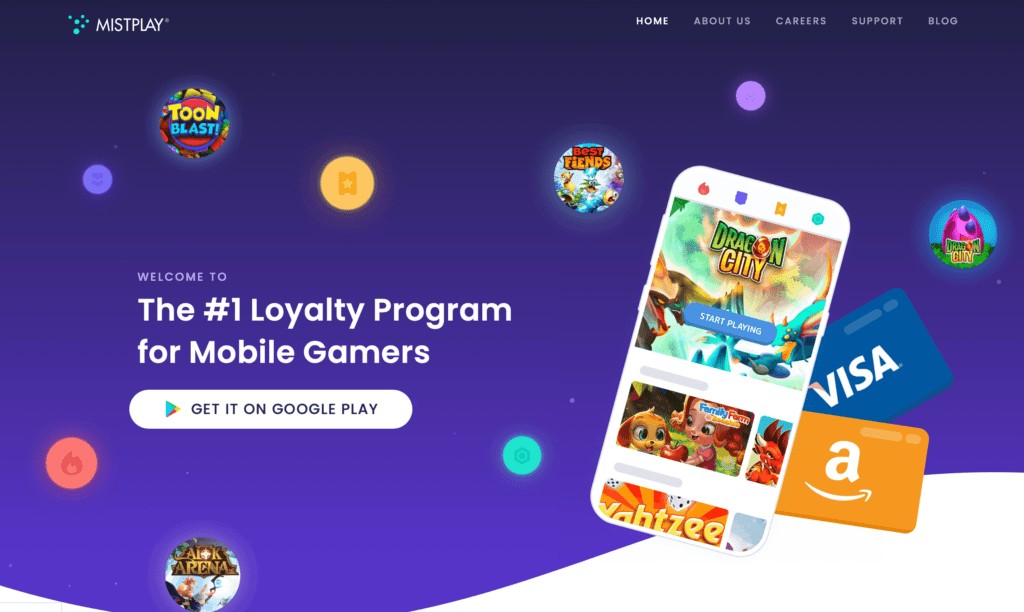
Start with a few practical moves: secure a reliable internet connection and a decent headset and mic, and set up a basic way to record or stream. Pick a narrow niche—one game, mode, or audience—and make a short content schedule to build consistency. Prepare portfolio clips, a short bio, and clear service listings if you plan to coach or test. Ask for feedback and gather testimonials early to build credibility. Track basic metrics—engagement, client ratings, or view time—and reinvest modestly in upgrades that improve the things your audience values most.
Small, consistent steps reveal which opportunities suit you: try one approach, learn from the results, and scale what works while keeping the fun in your play.