Low on DoorDash Orders? Practical Ways to Turn Quiet Shifts into Steady Pay
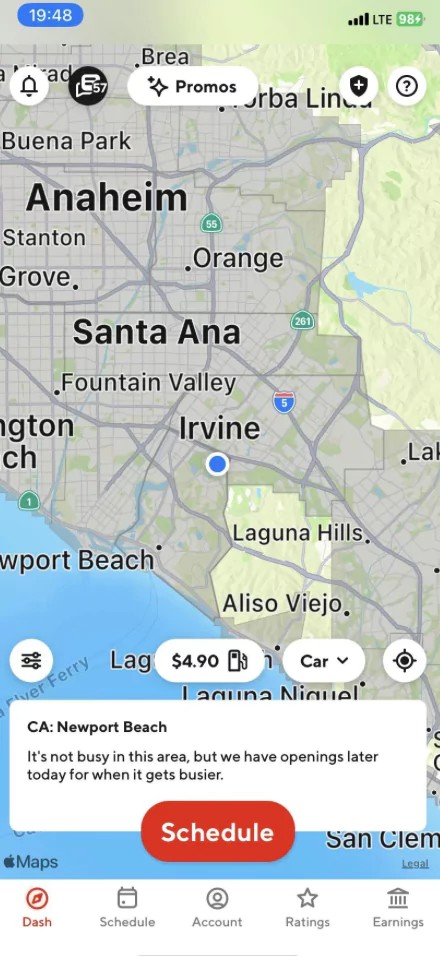
Quiet stretches happen to every delivery driver. This piece breaks down common causes, what other drivers notice, and hands-on moves you can use to increase orders and stabilize earnings without making big changes all at once.
1. What drivers notice when the app goes quiet
Many Dashers report sudden drops in work and the stress that follows, especially when deliveries are a primary income source. Conversations in driver communities wrestle with questions about platform metrics, customer behavior, and whether a support call will resolve visibility issues. The practical first step is record-keeping: log earnings, active hours, and any odd app behavior for a week. Compare shifts to spot patterns instead of reacting to a single slow night. Peer conversations are useful — swap notes about neighborhoods and times that worked — and the information you collect will help you choose targeted adjustments rather than chasing every tip or rumor.
2. How timing, seasons and local habits shape demand
Order volume ebbs and flows with the calendar and daily routines: holidays, weather, and local events all influence whether people order in or eat out. Instead of waiting for the app to pick up, build flexibility into your schedule so you can shift toward busier windows and away from predictable lulls. Diversify the kinds of deliveries you accept — restaurant meals, groceries or errand-type runs on other platforms — to smooth income across slow stretches. A simple habit: keep a short log of which days and neighborhoods produced the best returns, then use that sheet to plan future shifts rather than relying on intuition alone.
3. Finding the neighborhood edge: hotspots, distance and competition

In-app hotspots point to historically busy pockets, but those areas often attract many drivers, splitting the available orders. When scouting a location, weigh proximity, expected tip patterns, and traffic or parking hassles. For example, a dense downtown restaurant strip might generate frequent short trips with smaller tips, while a nearby residential neighborhood could yield fewer runs but larger tips per drop. Practical steps: position yourself near a cluster of eateries rather than deep inside a single complex, test a few blocks for several shifts, and keep notes on which spots return a better net rate after travel and waiting time.
4. Avoid missing work because of tech and status problems
A surprising number of missed opportunities come from simple technical hiccups: turned-off location services, stalled notifications, or an accidental logout. Before each shift run a quick checklist: confirm location and notification permissions, install any pending app updates, and restart the app or phone if you notice lag. If GPS seems inaccurate, toggling airplane mode or restarting the device often helps. Also watch your on/off status—pausing or logging out by mistake will make you invisible to local offers. If the issue persists, contact platform support with timestamps and screenshots so they can investigate and restore proper functionality.
5. Actionable habits that increase orders and steadier pay
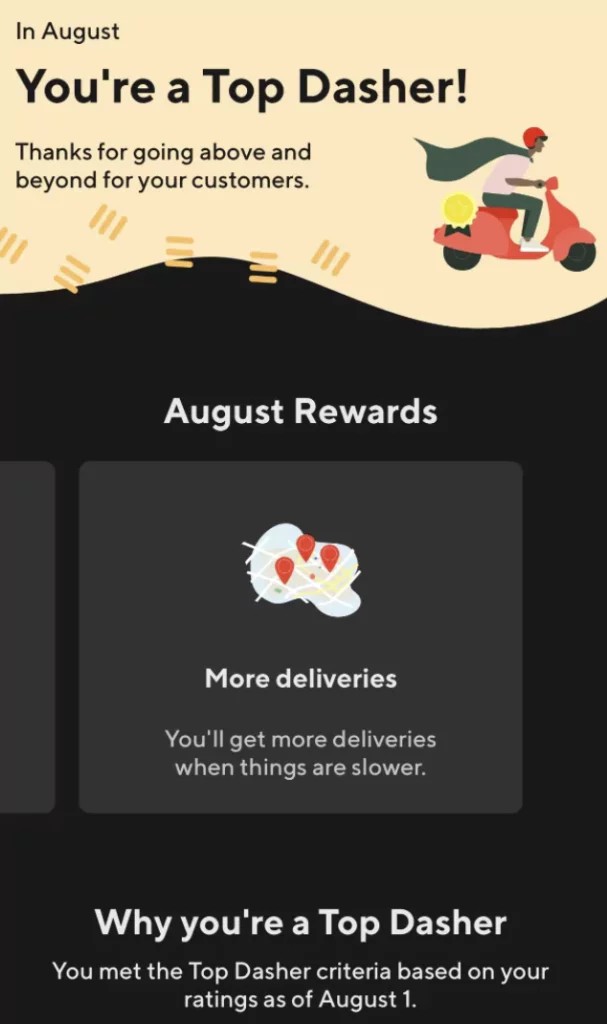
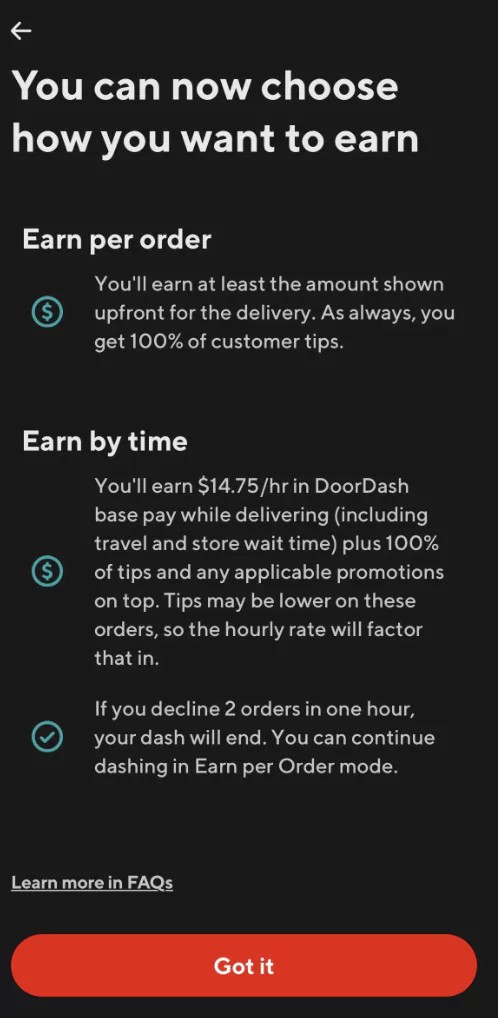
Turn observation into routine: book shifts where you’ve historically done well, use a hot bag and labels for multi-drop runs, and decide when stacked orders make sense geographically. Try short, planned blocks of time rather than random hours, and consider hourly-guarantee options in markets that offer them when you prefer steadier pay. Keep ratings and completion rates strong by communicating clearly with customers and confirming special requests; good service often wins repeat orders and better tips. Finally, rotate between delivery apps to expand opportunities—just keep an eye on the time and distance math so each run actually pays after fuel and waiting.
A quieter app doesn’t have to mean lower pay forever. Track patterns, keep your tech and status sharp, and adopt a few smart habits to make slow nights less frequent and more manageable.