Make Every Walk Work: 12 Ways to Earn Rewards, Gifts and Perks from Daily Steps
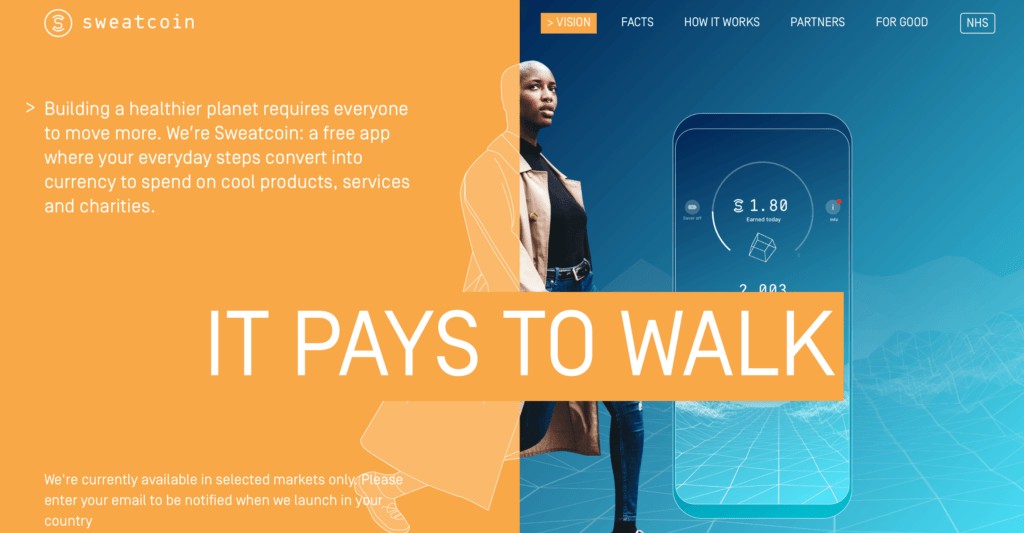
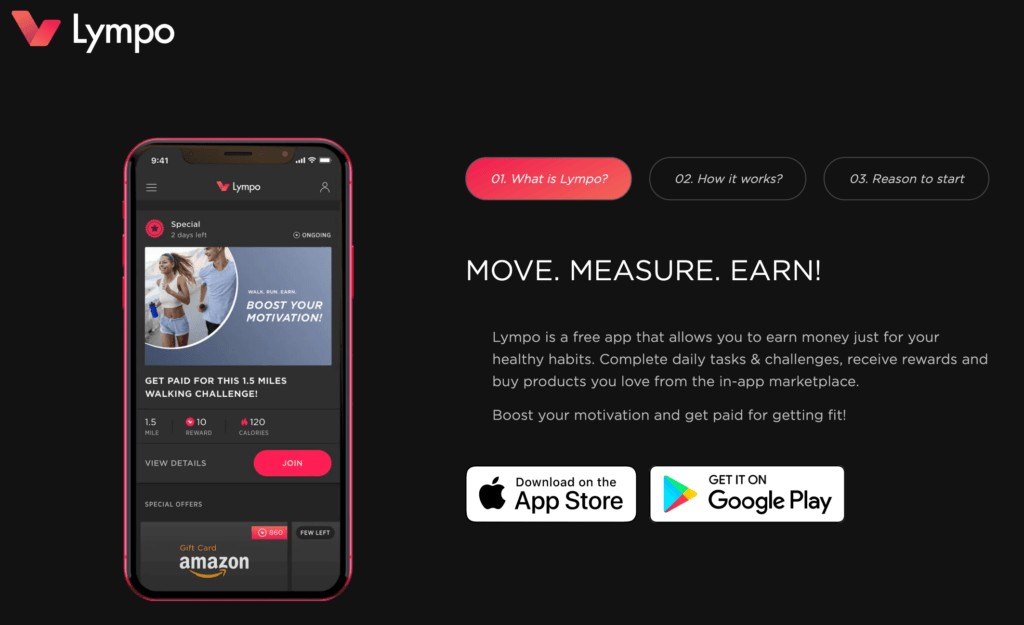
Turning ordinary walks into small rewards or meaningful earnings is easier than you think. Across apps and services you can trade steps, verified activity, or committed goals for gift cards, discounts, charitable donations, or cash pools. Below are a dozen practical options, each drawn from a different approach — gamified trackers, wager-style challenges, retailer programs and alternative on-foot gigs — with tips you can try this week.
1. Street‑smart ways to monetize your movement
If you want stronger earnings than passive pedometers can deliver, consider activities that pay for being on foot in the real world. Options include neighborhood delivery on foot in dense urban cores, dog‑walking marketplaces, and apps that reward spotting local job postings or performing short errands. Practical example: schedule a mid‑day dog walk between meetings, use walking routes that pass potential delivery hotspots, or combine a stroll with quick task gigs. These choices let you convert active minutes into reliable pay without depending solely on in‑app points, and they pair well with tracking apps for extra rewards.
2. Outdoor step trackers that reward you gradually

Some apps focus on counting outdoor activity and convert movement into an in‑app currency you can spend on rewards. They often track walks taken outside the phone or with GPS enabled, may limit daily accrual and sometimes offer team or referral boosts so you can pool rewards. Practical approach: use the app for your daily errands, join a small friend group to combine balances for bigger prizes, and keep GPS enabled on morning walks. Expect modest returns and think of these apps as motivation tools that share occasional discounts or gift opportunities rather than steady income streams.
3. Tokenized fitness: apps that trade activity for digital rewards
A few newer platforms award blockchain‑style tokens for tracked activity, which you can save, redeem or spend with partner retailers. They usually combine activity tracking with marketing partnerships and may present special offers from fitness brands. If you try one, keep the app running in the background during workouts, watch for limited‑time retailer deals, and review privacy terms so you understand data use. For example, collect tokens over several weeks and check the app’s partner shop for a discounted running belt or nutrition sample. Treat tokens as a way to access perks rather than guaranteed cash.
4. Point hubs that reward many kinds of movement
Some apps act like reward banks, awarding points for walking, cycling, swimming or syncing other fitness trackers. These platforms often require reaching a high point threshold before you can cash out, so regular, varied activity and frequent syncing are important. Practical example: sync your smartwatch and favorite running app, log a variety of workouts each week, and aim for the app’s daily point cap when possible. While single‑workout payouts are small, steady users who diversify activity and use bonus opportunities like surveys or partner offers can accumulate redeemable rewards over months.
5. Earn more when you push harder: intensity‑based reward apps
Certain reward systems score workouts by intensity and award coins or points proportionally. These platforms often connect to heart‑rate monitors or supported trackers and translate an effort metric into redeemable credits. To take advantage, pair the app with a compatible wearable, plan interval walks or mixed cardio sessions, and focus on consistent sessions rather than occasional sprints. Example: replace one easy walk with a brisk, 20‑minute route that elevates your effort score; over time these higher scores add up and unlock gift cards or discount offers faster than low‑intensity-only tracking.
6. Betting on yourself with community challenges
Challenge‑style platforms let you stake money and join a group game where meeting set step goals earns you a share of the pooled pot. Games typically run several weeks and set goals based on your baseline activity. To win, pick a realistic commitment aligned with your schedule, track progress closely, and join with friends who will help keep you accountable. For example, if you usually walk regularly, select a challenge tied to modest increases; hitting weekly targets keeps you in the pool, and surviving to the end means sharing the rewards with fellow finishers.
7. Personal wagers on weight goals for big motivation
Some services let you place a monetary wager on meeting a personal weight or fitness goal within a set timeframe, with verified weigh‑ins or other proof required at start and finish. This structure turns financial skin in the game into intense accountability. If you try this route, set an achievable target, schedule verification appointments in advance, and use supportive resources like coaching or community groups. Example: choose a moderate, multi‑month goal, document progress with photos or gym verification, and set up calendar reminders to avoid missing any required check‑ins that validate your success.
8. Gamified pedometers: puzzle pieces and prize spins
Some pedometer apps use game elements—puzzle progress, daily spins or sweepstakes—to reward steady activity. Accumulating virtual puzzle pieces or spin entries can lead to gift card entries or occasional prize draws, but redemption often takes patience. To use these apps effectively, run them alongside a daily routine (commuting, errands, lunch walks), claim any daily bonuses, and focus on the small wins. For example, set a habit of opening the app after each walk to collect pieces, and combine this app with a cashback or retailer rewards program to get more value out of the same effort.
9. Coach‑style apps with challenges and audio guidance
Apps that blend training plans, audio coaching and challenge badges reward consistent progress with in‑app coins or discounts. They’re useful if you like structured workouts and motivating voice guidance on the go. Try using an audio coach on a lunchtime stroll to maintain pace, join daily or weekly challenges the app offers, and redeem earned coins for discounted gear or membership perks. For instance, follow a 30‑day walking plan in the app, take part in small community contests, and use earned credit toward a subscription upgrade or a fitness accessory.
10. Retailer and pharmacy programs that link movement to savings
Some retail chains let you sync fitness trackers to their loyalty accounts so logged activity converts into points you can spend in store. These programs may award points for logged exercise, weigh‑ins, or other health behaviors and often have monthly caps. Practical steps: connect your tracker to the loyalty program, plan to log a variety of qualifying activities (walks, weigh‑ins, sleep logs), and redeem accumulated points for grocery or pharmacy purchases. If you shop with that retailer regularly, this can turn habitual movement into meaningful savings at checkout.
11. Move for others: apps that convert miles into charitable donations
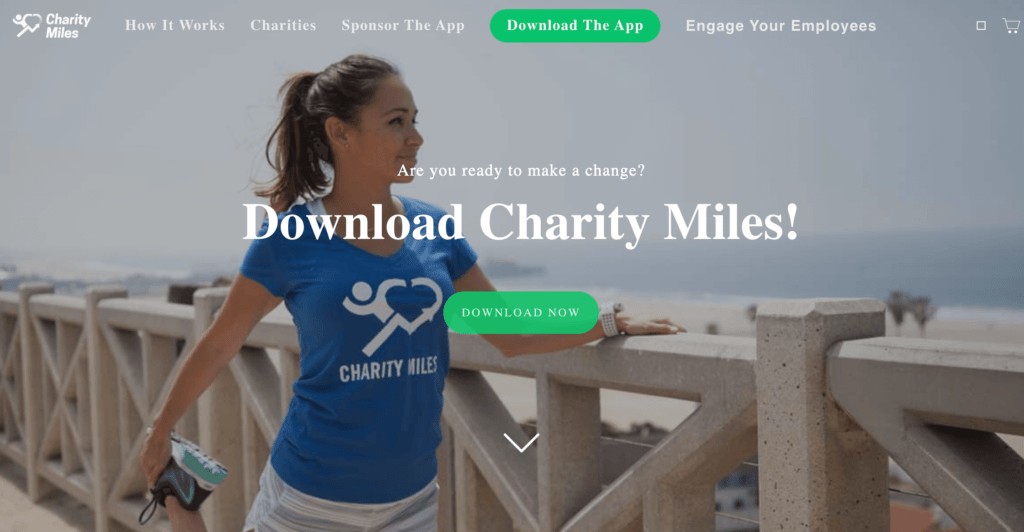
Charity‑focused platforms let you choose a cause and have sponsors contribute to that charity when you start and complete tracked workouts. They can be motivational if donating your effort matters more than personal payout. To maximize impact, pick a cause you care about, schedule regular tracked walks directly in the app so miles or minutes count, and join team fundraisers to amplify donations. For example, organize a small workplace walking challenge where each participant starts their app session during a lunchtime stroll; combined miles can lead to noticeable support for the chosen nonprofit.
12. Activity‑based discount hubs and marketplace rewards
Some services award in‑app credit or discounts based on the type or difficulty of activity, with rewards most often redeemable for health products, free trials, or merchant discounts. They tend to value varied movement—walking, running, cycling—differently, so mixing activities can increase your earnings rate. Practical plan: alternate walking and cycling sessions across the week, check the app regularly for time‑sensitive offers, and redeem discounts on trial subscriptions or product samples rather than saving points until they expire. Treat these platforms as ways to try new wellness products at reduced cost.
Whether you want a little extra pocket money, retailer savings, or to support a cause, there’s a walking‑friendly option that fits your goals. Try one or two approaches at a time, read privacy and verification rules, and blend apps with simple routine changes—your daily steps can become a steady source of small rewards and greater motivation.