Small-Space Calm: Six Design Rituals for a More Livable Home
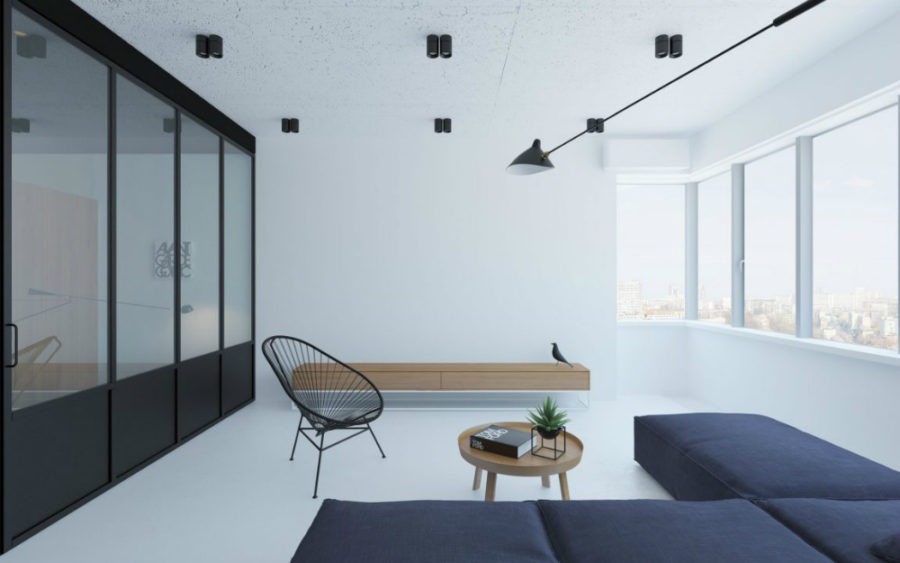
A compact home does not have to feel crowded, improvised, or visually noisy. With a deliberate mix of light, boundaries, storage, and flexible furnishings, even a modest floor plan can support concentrated work, restful sleep, welcoming meals, and relaxed evenings. The goal is not to make every surface empty; it is to give each useful object and daily activity a clear place.
This guide translates a streamlined urban interior into practical lifestyle habits for any apartment or small house. You will find ways to shape zones without closing them off, use contrast without making rooms feel heavy, and build small moments of nourishment into the spaces you already have. Each section ends with a simple Kitchen Pause recipe designed for an easy reset between projects, chores, or guests.
1. Let Daylight Do the First Decorating
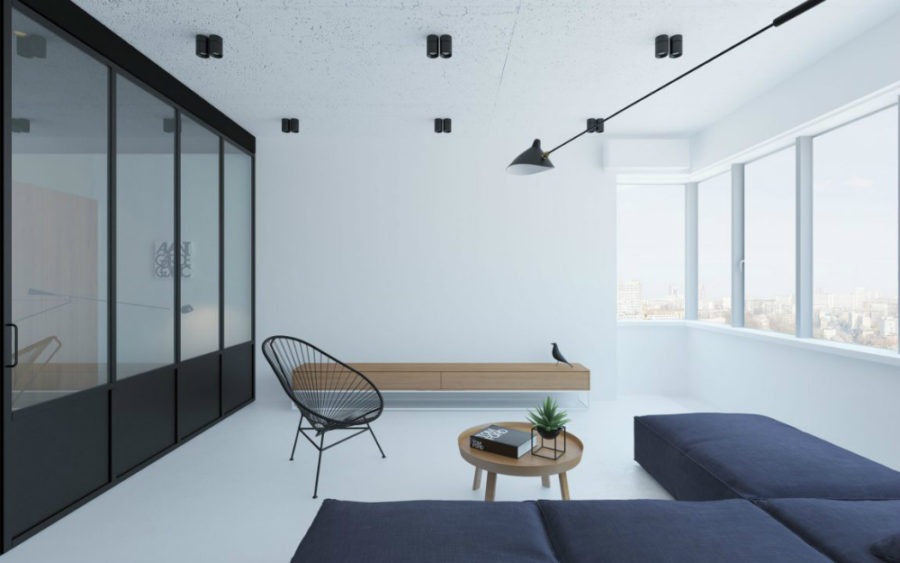
In a small room, daylight is more than illumination: it is a sense of breathing room. Begin by keeping the window wall visually quiet. Choose low furniture near the glass, hang curtains close to the ceiling, and use a pale wall color that can reflect morning and afternoon light without becoming stark. If windows turn a corner, resist the urge to interrupt that continuity with tall storage. A narrow bench, plant stand, or open shelf can add life while preserving the long view.
Reflective details work best when they are edited. A matte backsplash, lightly polished table, or framed mirror opposite a window can bounce brightness deeper into the home, while too many glossy finishes create glare and clutter. Place the most-used seating where the natural light is pleasant, then add adjustable lamps for cloudy days and evening transitions. This layered approach makes a small home feel responsive rather than dependent on one bright overhead fixture.
Treat the windowsill as a daily cue. Keep only one useful or beautiful item there, such as herbs for cooking or a small vase. The result is a calmer sightline and a gentle reminder to open the blinds, air the room, and begin the day with intention.
Kitchen Pause: Lemon-Herb White Bean Toast
- 1 cup drained white beans
- 2 slices whole-grain bread
- 1 tablespoon olive oil
- 1 teaspoon lemon zest
- 1 tablespoon chopped parsley
- Pinch of salt and pepper
- Mash beans with olive oil, lemon zest, salt, and pepper.
- Toast the bread until crisp at the edges.
- Spoon the beans over toast and finish with parsley.
2. Create Privacy Without Losing Connection
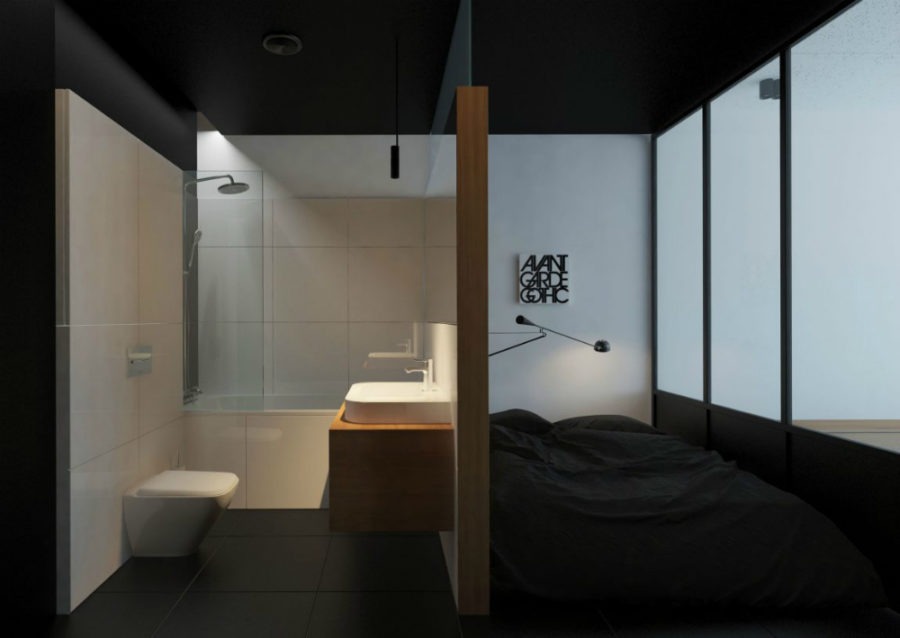
Open-plan living is useful until every activity competes for attention. Instead of building full-height walls, define smaller territories with partial dividers: a slatted screen, a bookcase with open backs, a curtain track, or a pane of glass in a dark frame. These elements mark a transition while allowing light and conversation to travel. The best divider is one that solves two problems at once, such as a shelf that stores office supplies or a console that hides charging cables.
Think in terms of sightlines. A work surface should not face the television, and a bed should not be the first thing visible from the entry. Rotate furniture so each zone has a natural focal point. A rug can anchor a lounge area, while a change in ceiling light or wall texture quietly signals that the kitchen has ended and the dining area has begun. Keep pathways at least comfortable enough for two people to pass when possible; a beautiful plan fails if everyday movement becomes an obstacle course.
Privacy also depends on sound and routine. Use a fabric panel, soft upholstery, or a small textile on the wall to reduce echo. Establish a simple closing ritual: clear the desk, dim the lounge light, and return work materials behind the divider. That physical reset helps one room support multiple moods without feeling permanently busy.
Kitchen Pause: Cucumber Sesame Cups
- 1 large cucumber
- 1/2 cup plain Greek yogurt
- 1 teaspoon sesame oil
- 1 teaspoon rice vinegar
- 1 tablespoon sliced scallions
- Sesame seeds for topping
- Slice cucumber into thick rounds and scoop a shallow center from each.
- Stir yogurt, sesame oil, vinegar, and scallions together.
- Fill the cucumber cups and sprinkle with sesame seeds.
3. Use Contrast as a Compass
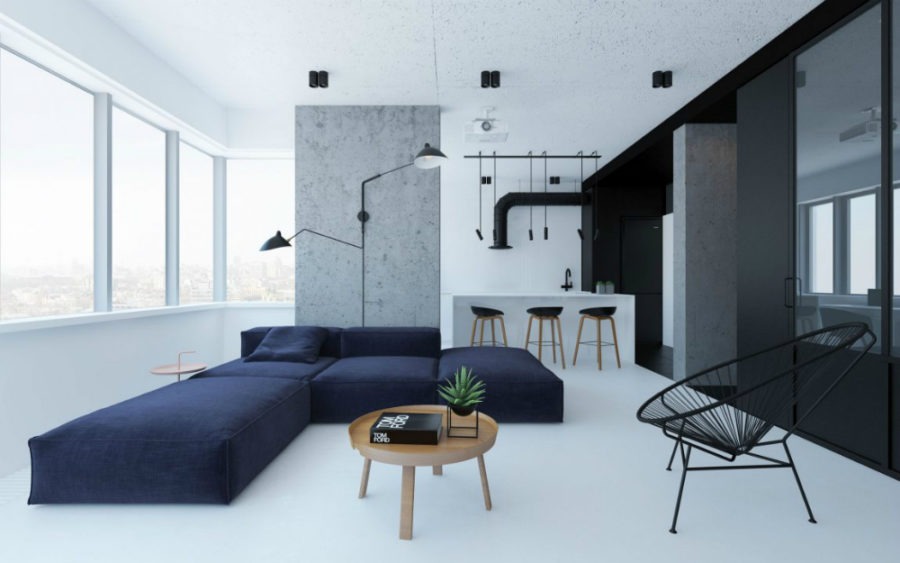
A restrained palette can still have personality when contrast is used to guide the eye. Start with one quiet foundation—warm white, soft stone, or pale gray—and introduce a darker tone on selected architectural or functional elements. A charcoal door, black pendant, deep-blue cabinet interior, or dark edge around a mirror can make the room feel more organized because it tells the eye where to pause. Repeating that accent in two or three places creates rhythm without requiring more decoration.
The key is proportion. In a small home, a dark color is most effective when it outlines an important boundary or grounds a large object. A single deep-toned wall behind a sofa may feel intentional; dark accents scattered across every shelf may feel restless. Balance strong contrast with tactile neutrals such as linen, oak, cork, or woven cotton. These materials soften the graphic effect and keep the space comfortable in daily use.
Use contrast to support habits, not just photographs. Darker zones can conceal fingerprints near an entry, define a reading nook, or make a dining table feel separate from the kitchen. Test paint and finishes under both daylight and lamp light before committing. A small sample board is often more informative than a screen, especially when the room changes character throughout the day.
Kitchen Pause: Blackberry Oat Yogurt Bowl
- 3/4 cup plain yogurt
- 1/3 cup rolled oats
- 1/2 cup blackberries
- 1 tablespoon chopped walnuts
- 1 teaspoon honey
- Pinch of cinnamon
- Spoon yogurt into a bowl and top with oats and berries.
- Add walnuts, cinnamon, and honey.
- Let stand for five minutes so the oats soften slightly.
4. Make the Kitchen Earn Its Footprint
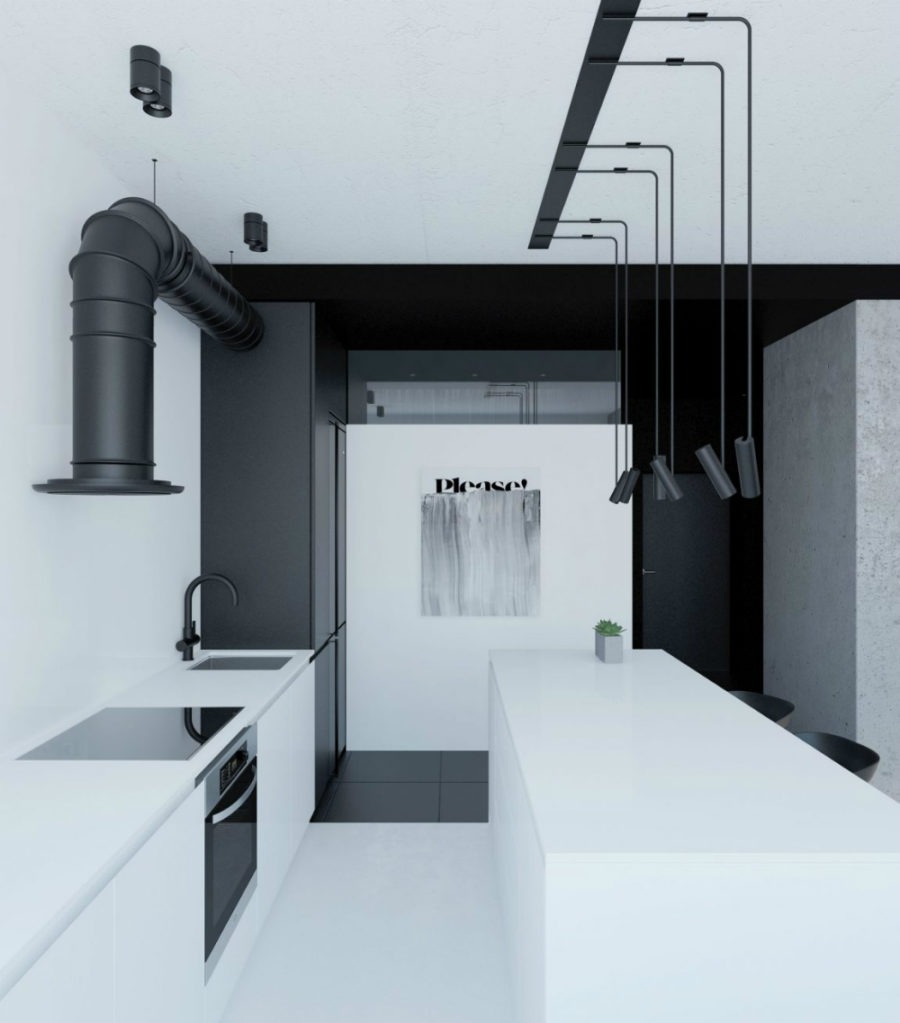
A small kitchen becomes easier to live with when every visible feature has a job. Rather than filling the room with upper cabinets, consider a combination of closed drawers below, one open ledge for daily dishes, and a carefully selected statement light or hood. This keeps the cooking zone practical while preventing storage from becoming a continuous visual wall. Store heavy pans close to the cooktop, knives near preparation space, and breakfast items together so common routines require fewer steps.
Counter space is precious, so protect it from appliances that are used only occasionally. A compact rail can hold utensils, a cutting board can slide vertically beside the refrigerator, and a pull-out surface can provide temporary room for chopping. Choose one finish for the main cabinetry and let hardware or a backsplash supply the smaller note of contrast. When surfaces are visually consistent, a narrow run can appear longer and more deliberate.
The most important kitchen upgrade may be a closing routine. After dinner, wipe the worktop, return ingredients to a single pantry zone, and leave one attractive item—perhaps a wooden board or bowl of citrus—within reach. That small composition makes the next meal feel invited rather than imposed, while keeping the room ready for conversation.
Kitchen Pause: Skillet Chickpeas with Greens
- 1 can chickpeas, drained
- 2 cups baby spinach
- 1 tablespoon olive oil
- 1 garlic clove, minced
- 1/2 teaspoon smoked paprika
- 1 tablespoon lemon juice
- Salt to taste
- Warm oil in a skillet and cook garlic for 30 seconds.
- Add chickpeas, paprika, and salt; sauté for four minutes.
- Fold in spinach until wilted, then finish with lemon juice.
5. Design the Bedroom for a Softer Landing
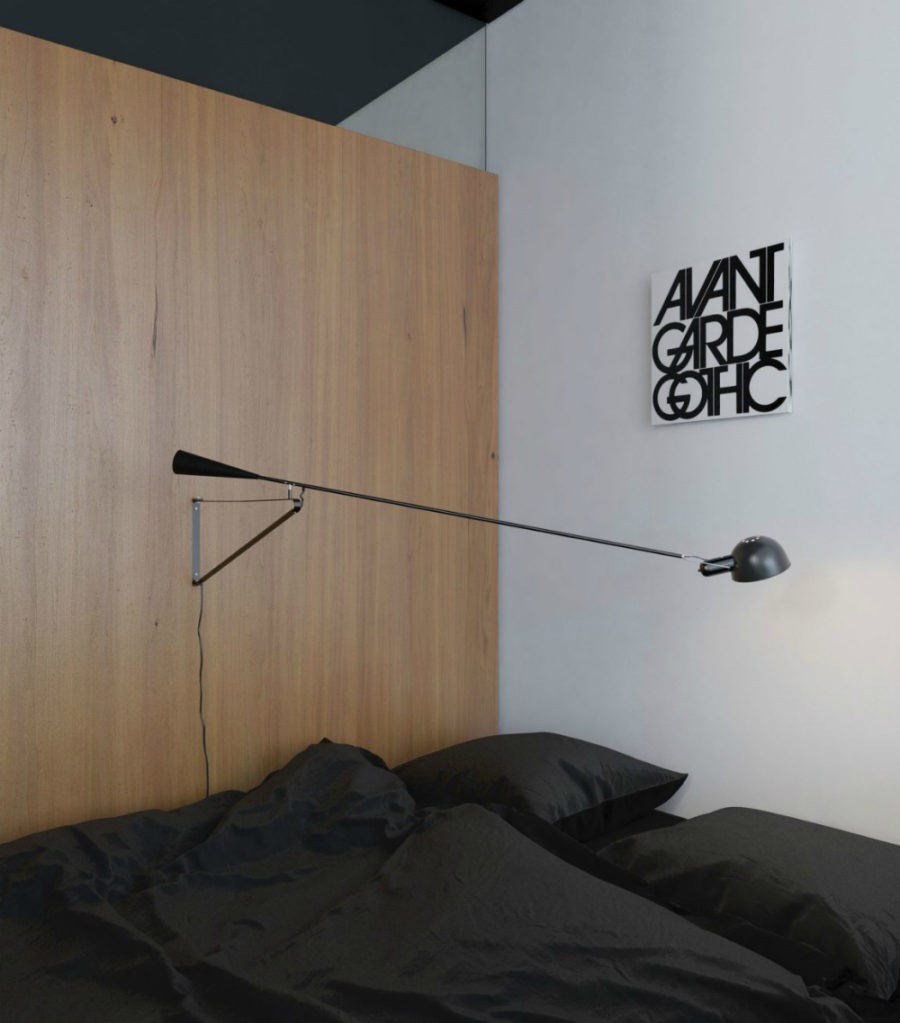
When square footage is tight, the bedroom should not become a storage annex. Keep the sleep zone visually simple by choosing a bed with useful clearance, a slim wall-mounted shelf, and lighting that can be adjusted from under the covers. A retractable or swing-arm lamp is especially helpful because it frees the bedside surface for a book, water, or glasses. If wardrobes must share the room, use a single calm finish and organize the interior so the doors can remain closed most of the time.
Scale matters more than matching sets. A compact headboard, narrow nightstand, and low-profile bench can provide comfort without blocking circulation. Leave enough room to make the bed and open drawers fully; otherwise, the room will feel cramped no matter how minimal it looks. Soft materials—washed cotton, wool, a small rug—add warmth without visual weight. Keep patterns restrained and let texture do the work.
Create a transition from the rest of the home with light temperature and sound. Warm bedside bulbs, a basket for loose items, and a designated place for tomorrow’s clothes reduce late-night decisions. The bedroom then becomes a reliable endpoint to the day, not another surface demanding attention.
Kitchen Pause: Warm Apple Tahini Toast
- 2 slices seeded bread
- 1 small apple, thinly sliced
- 1 tablespoon tahini
- 1 teaspoon maple syrup
- Pinch of cinnamon
- 1 teaspoon pumpkin seeds
- Toast the bread until firm.
- Spread with tahini and arrange apple slices on top.
- Drizzle with maple syrup, add cinnamon and seeds, and serve.
6. Turn the Living Room into a Flexible Stage
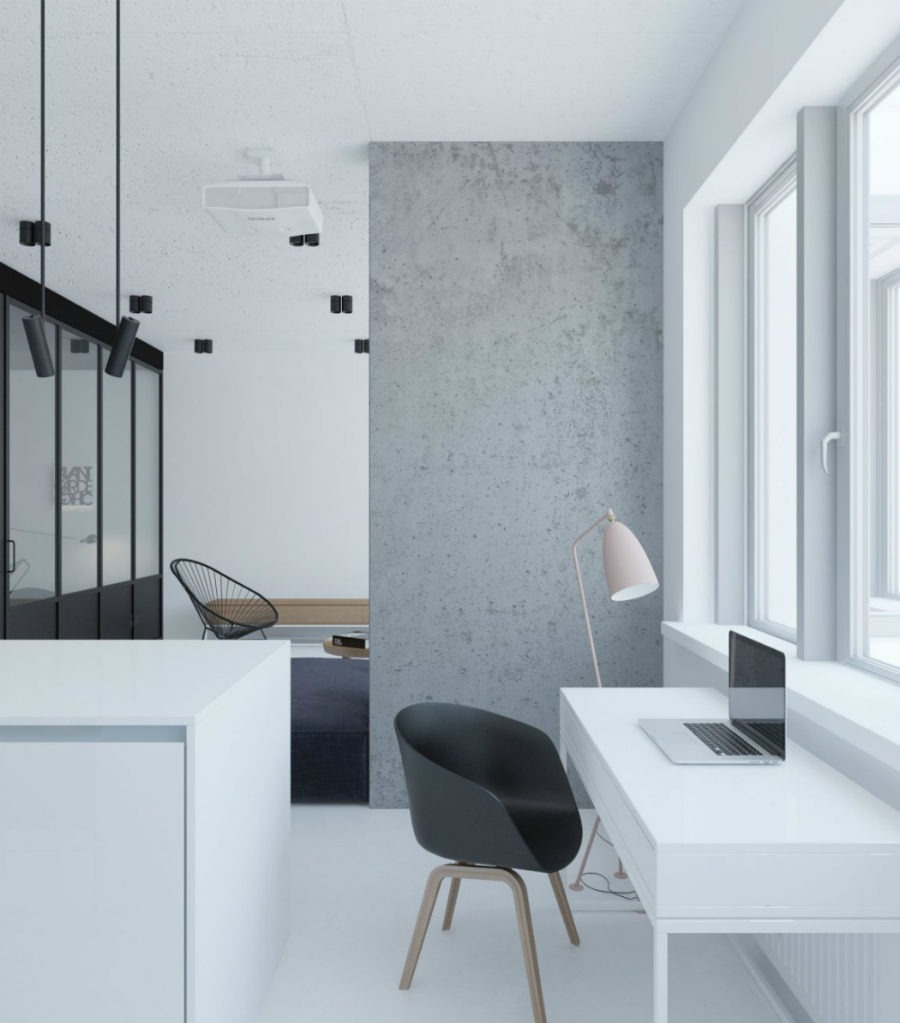
The most generous room in a small home often has to host the most activities. Plan it as a flexible stage rather than a single-purpose lounge. A sofa with a clean profile can face a blank wall for films, then angle slightly toward the dining area when guests arrive. Nesting tables, a lightweight ottoman, and chairs that can move independently make the arrangement adaptable without adding much bulk. Keep the central floor area open enough for cleaning, stretching, or a child’s play.
A blank wall is an opportunity, not unfinished business. It can hold art, a projector image, a fold-down table, or nothing at all. Before mounting anything, mark the furniture footprint with painter’s tape and check viewing height, walking paths, and access to outlets. Conceal cables in a box or cord channel, and give remote controls, blankets, and games a home near the sofa. Practical containment is what lets a spare-looking room stay spare.
Finish with lighting scenes. Use one lamp for reading, a softer source behind the sofa for conversation, and dimmable ambient light for movie nights. The room will feel larger because it can change purpose without changing furniture. Flexibility is the luxury that earns its space every day.
Kitchen Pause: Rosemary Popcorn with White Beans
- 4 cups air-popped popcorn
- 1 tablespoon olive oil
- 1/2 teaspoon dried rosemary
- 2 tablespoons finely grated Parmesan
- Pinch of garlic powder
- Salt to taste
- Place warm popcorn in a large bowl.
- Drizzle with oil and toss with rosemary, garlic powder, and salt.
- Add Parmesan, toss again, and serve immediately.
Final Thoughts
A small home feels generous when its design supports the way people actually move through the day. Prioritize daylight, clarify boundaries, repeat a thoughtful accent, and make storage serve the routines that matter most. Then add comfort through texture, adjustable light, and furniture that can change roles.
The final layer is maintenance made pleasant: a clear counter, a reset desk, a folded throw, and a quick nourishing pause in the kitchen. These modest rituals keep simplicity from becoming severity. They turn a compact footprint into a home that feels composed, welcoming, and ready for real life.