Small-Space Living, Made Deliciously Intentional
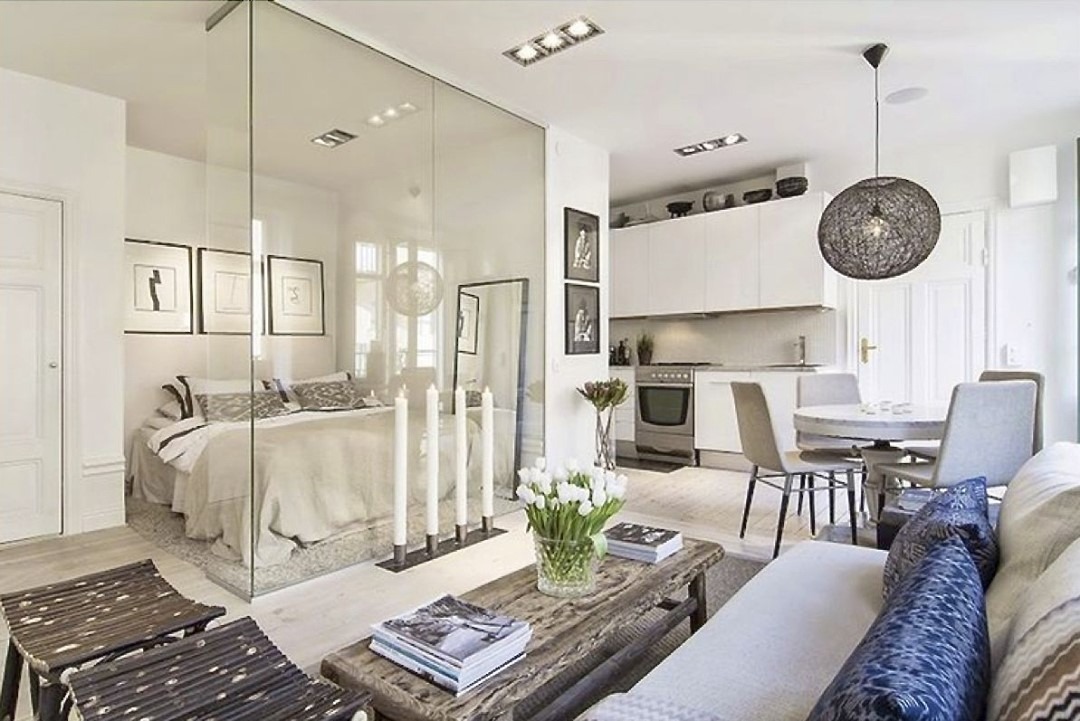
A compact home does not have to feel like a compromise. The most welcoming apartments usually begin with a simple question: what should this room help you do every day? When furniture earns its footprint, storage supports your routines, and color reflects your personality, even a modest floor plan can feel generous.
The same principle works in the kitchen and at the table. A beautiful home should make nourishing choices easier, not turn them into another performance. These six approachable design directions pair practical apartment ideas with a small, satisfying recipe break—a reminder that comfort can be created with a well-placed lamp, a few meaningful objects, and ingredients you already know how to use.
1. Give Every Zone a Clear Job
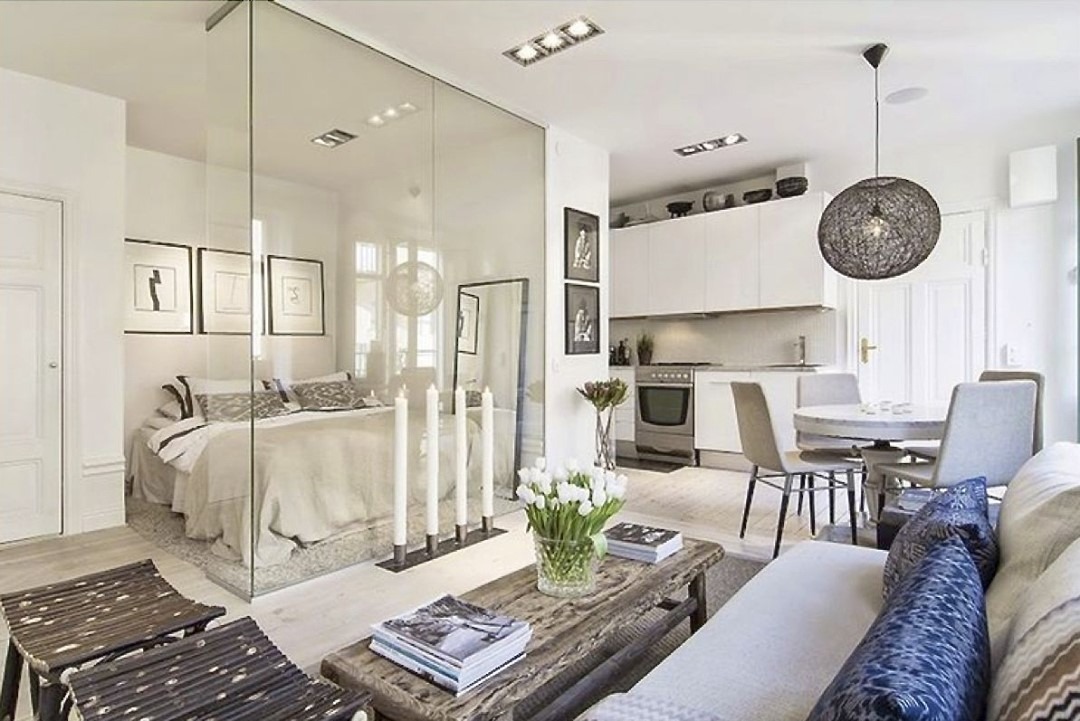
In an apartment, definition matters more than division. Start by mapping the activities that genuinely happen at home: sleeping, eating, working, exercising, relaxing, and dropping keys by the door. Then give each activity a visual anchor. A narrow console can establish an entry without building a wall; a rug can gather a sitting area; and a small pendant can make a dining table feel purposeful.
Choose furniture that can shift roles without looking temporary. A bench may serve the breakfast table in the morning and become extra seating when friends arrive. A nesting table can separate for snacks, then disappear beside the sofa. If the room is open-plan, repeat one finish—such as warm wood or matte black metal—in several zones so the apartment feels connected rather than chopped up.
Keep circulation generous. Measure the paths you use most often before buying anything, and resist filling every empty corner. A little breathing room makes cleaning easier and helps the pieces you love stand out. The lifestyle takeaway is simple: organize around real routines, not an idealized showroom version of your life.
Kitchen Pause: Lemon-Garlic Chickpea Toasts
- 1 can chickpeas, drained and rinsed
- 2 tablespoons plain yogurt
- 1 tablespoon lemon juice
- 1 small garlic clove, grated
- 2 slices whole-grain bread
- 1 tablespoon chopped parsley
- Pinch of salt and pepper
- Mash chickpeas with yogurt, lemon juice, garlic, salt, and pepper, leaving some texture.
- Toast the bread until crisp at the edges.
- Spoon the chickpea mixture over toast and finish with parsley.
2. Layer Texture Before Adding More Stuff
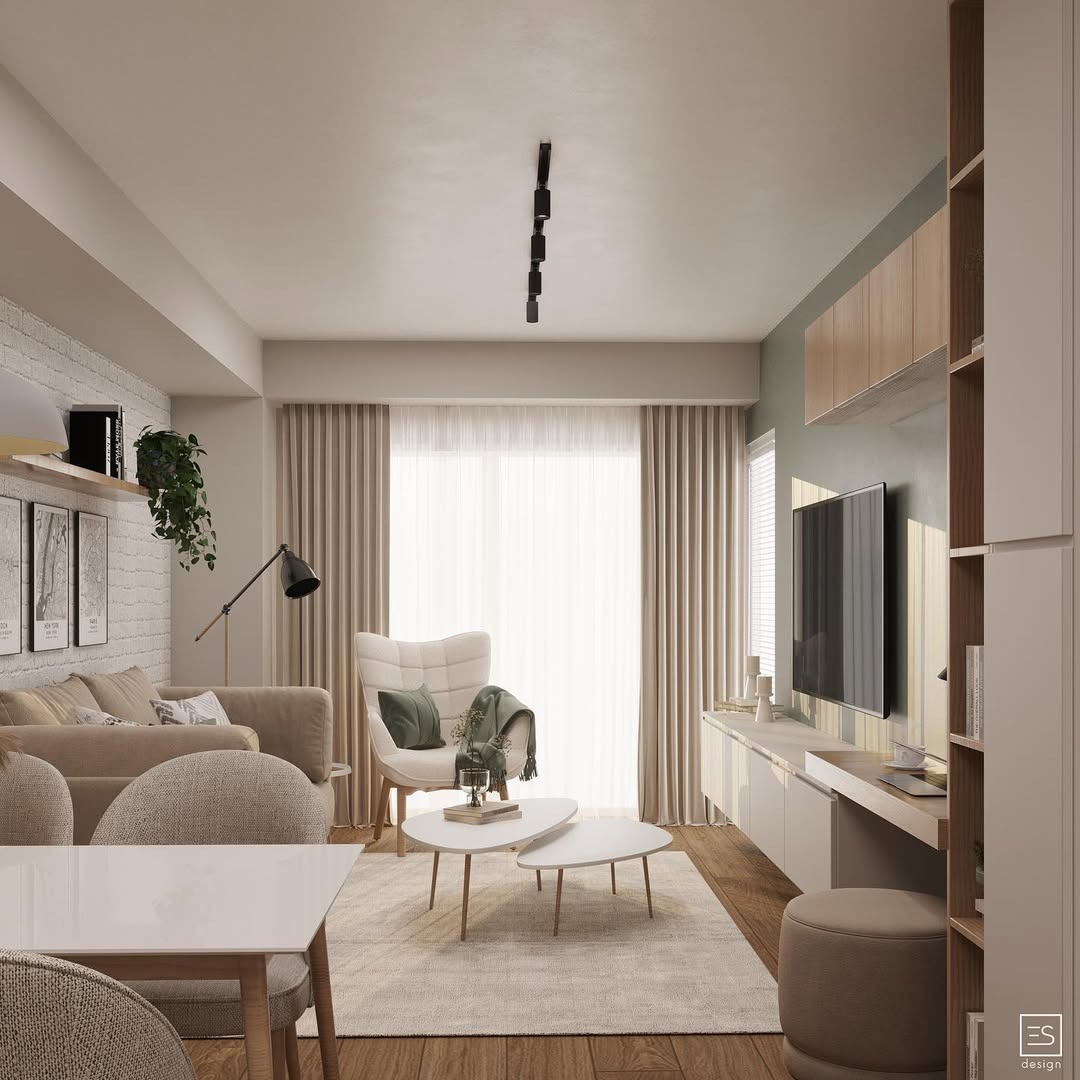
When a room feels flat, the answer is often texture rather than another decorative object. Combine a smooth surface with something nubby, woven, ribbed, or softly rumpled. A cotton throw over a tailored chair, a natural-fiber basket beside a painted cabinet, or linen curtains against a wood wall can create depth without making a small room busy.
Use a restrained base palette so the contrast can do its work. Cream, sand, soft gray, and gentle brown create a flexible background for a favorite blue vase or a single saturated cushion. Curved forms can also soften a compact apartment: try a round mirror, an oval coffee table, or a lamp with a domed shade. These shapes interrupt a grid of doors and corners while preserving useful floor area.
Texture is practical, too. Washable covers, closed baskets, and durable woven runners hide everyday wear while keeping essentials within reach. Rotate a few textiles seasonally instead of storing a large collection. That small edit keeps the home feeling refreshed and prevents the cozy look from becoming visual clutter. Think of softness as a tool for comfort, acoustics, and ease—not simply a style label.
Kitchen Pause: Creamy White Bean Dip
- 1 can cannellini beans, drained
- 1 tablespoon tahini
- 1 tablespoon lemon juice
- 1 tablespoon olive oil
- 1/2 teaspoon cumin
- 1 tablespoon chopped dill
- Salt to taste
- Blend beans, tahini, lemon juice, oil, cumin, and salt until mostly smooth.
- Add a splash of water if needed to loosen the dip.
- Swirl into a bowl and top with dill and a drizzle of oil.
3. Let Color Tell the Household Story
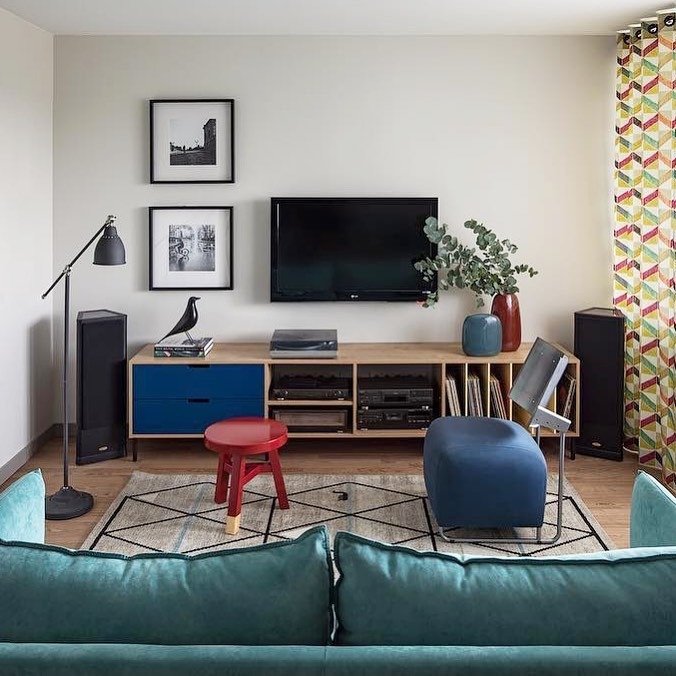
Color is one of the least expensive ways to make an apartment feel personal. Rather than choosing a whole palette from a trend board, notice the colors already attached to your life: a favorite coat, a ceramic mug, a landscape photograph, or the produce you buy every week. Select one anchor shade, one supporting neutral, and one small accent. Repeating that trio across books, textiles, art, and kitchenware creates cohesion with very little effort.
Bold color does not require a bold renovation. Paint the back of a bookcase, frame a print with a vivid mat, or add a single chair in an unexpected tone. If you rent, removable wallpaper or fabric panels can provide a similar moment without a permanent commitment. Keep large pieces calm when you want flexibility, then use smaller items to change the mood as seasons or interests shift.
A personal apartment should show evidence of living. Display a few collected objects at different heights, but leave enough quiet space around them for each story to register. The goal is not perfect matching; it is a visual rhythm that feels like you. When color is connected to memory, the room becomes more than coordinated—it becomes restorative.
Kitchen Pause: Ruby Pepper Lentil Salad
- 1 cup cooked green lentils
- 1/2 red bell pepper, diced
- 1/4 cucumber, diced
- 2 tablespoons crumbled feta
- 1 tablespoon olive oil
- 2 teaspoons red-wine vinegar
- 1 tablespoon chopped mint
- Salt and pepper
- Combine lentils, pepper, cucumber, feta, and mint in a bowl.
- Whisk oil, vinegar, salt, and pepper together.
- Toss the dressing with the salad and rest for five minutes before serving.
4. Build Storage Around the Mess You Actually Make
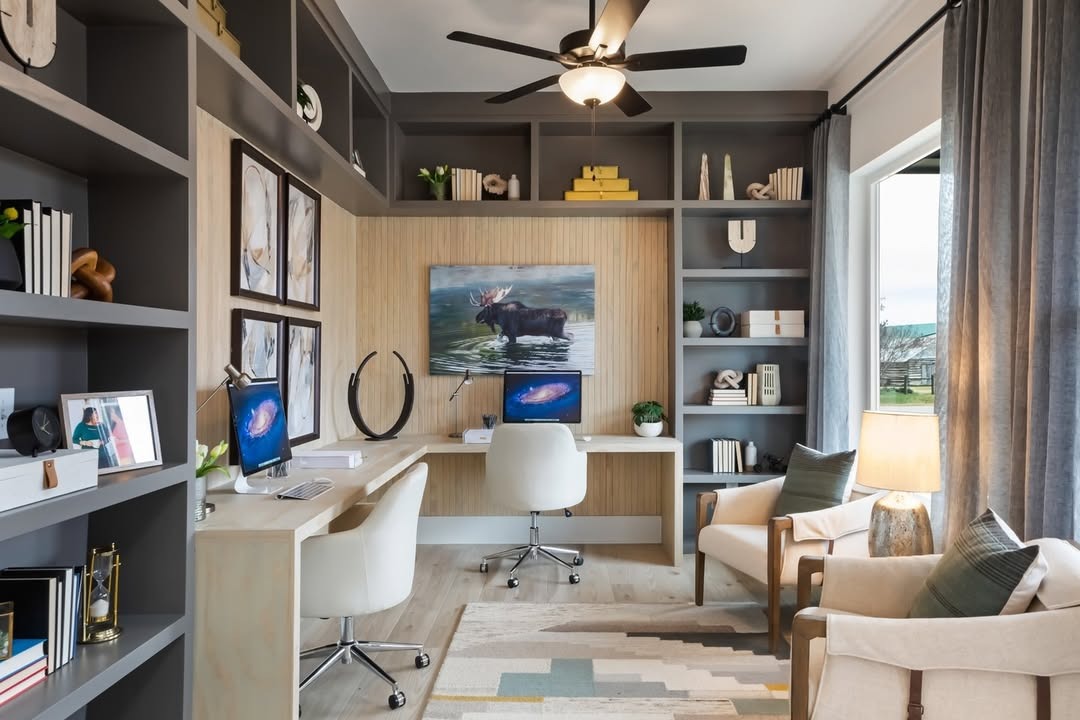
Good storage begins with observation. For one week, notice where mail lands, which cables migrate across the floor, and what you reach for while cooking or getting ready. Those patterns reveal where storage should live. A shallow drawer near the entry can catch keys and chargers; a lidded basket can corral blankets; and a peg rail can keep daily tools visible without consuming counter space.
Use vertical surfaces thoughtfully. Tall shelving takes advantage of unused wall height, while a narrow picture ledge can display art and small plants without a deep cabinet. In a kitchen, a rail for utensils or a magnetic strip for frequently used tools can free a drawer, but keep the visible collection edited. Closed storage is valuable for the objects that create visual noise, especially in a studio where the living room may also be the bedroom.
Labeling is optional; consistency is not. Give each category a home and make the easiest home the one you will actually use. Leave a little capacity in every container so putting things away remains a one-handed task. The best storage system is not the most elaborate one—it is the one that quietly shortens the reset at the end of the day.
Kitchen Pause: One-Pan Tomato Orzo
- 1 cup orzo
- 1 1/2 cups vegetable broth
- 1 cup cherry tomatoes, halved
- 1 cup baby spinach
- 1 tablespoon olive oil
- 1/2 teaspoon dried oregano
- 2 tablespoons grated Parmesan
- Salt and pepper
- Warm oil in a skillet and cook tomatoes with oregano for three minutes.
- Stir in orzo and broth; simmer until tender, stirring occasionally.
- Fold in spinach, season, and finish with Parmesan.
5. Make Light and Plants Part of the Routine
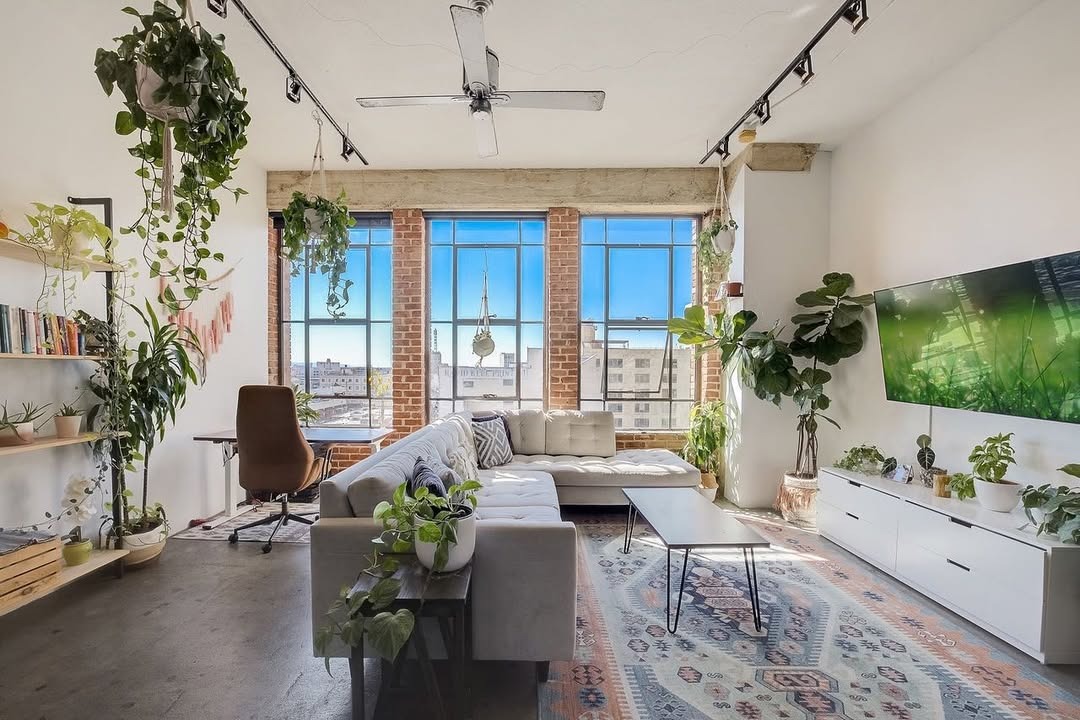
Light changes how a small home feels from morning to night, so plan more than one layer. Begin with the daylight you have: keep windows visually open, use a pale curtain where privacy allows, and place a mirror where it can reflect brightness rather than create glare. Add a task lamp at the desk, a warm floor or table lamp near the sofa, and low light for the evening wind-down. Several modest sources usually feel calmer than one intense overhead fixture.
Plants can provide the same sense of life as artwork while offering a gentle cue to slow down. Choose varieties suited to your actual light and your willingness to water. One tall plant can occupy a neglected corner; a small group of herbs can make the kitchen feel active and useful. If pets or children share the home, keep plant choices and placement safety in mind.
Create a tiny care ritual: open the curtains, rotate a pot, wipe a leaf, or switch on a lamp before dinner. These actions turn design into a lived practice. A home that supports attention does not need to be flawless. It needs a few dependable signals that tell your body when to focus, refresh, gather, and rest.
Kitchen Pause: Green Herb Yogurt Bowl
- 3/4 cup plain Greek yogurt
- 1/2 avocado, diced
- 1/2 cup cooked quinoa
- 1 tablespoon lemon juice
- 1 tablespoon chopped parsley
- 1 tablespoon chopped mint
- 1 tablespoon pumpkin seeds
- Salt and pepper
- Stir lemon juice, herbs, salt, and pepper into the yogurt.
- Spoon quinoa and yogurt into a bowl, then add avocado.
- Scatter pumpkin seeds over the top and serve immediately.
6. Design the Balcony as a Daily Destination

Even the smallest balcony deserves more ambition than a place to store a broom. Treat it as an outdoor room with one clear purpose: morning coffee, evening reading, container gardening, or a place to share a snack. A compact folding chair and wall-mounted table can preserve floor space, while a weather-resistant cushion makes the arrangement feel intentional. If the footprint is tight, choose one generous planter instead of several tiny pots.
Lighting extends the useful hours. Battery lanterns, solar lights, or a single protected fixture can create a soft glow without adding complicated wiring. Outdoor textiles bring comfort, but select materials that can handle the climate and store them indoors during severe weather. A narrow trellis or tall planter can add privacy while making the view feel framed.
The most important upgrade is behavioral: use the balcony often. Keep a small tray, book, watering can, or blanket nearby so stepping outside requires no preparation. A few minutes of fresh air can mark the transition between work and home, and a simple meal tastes more special when served somewhere different. Let the balcony support a repeatable ritual rather than a one-time makeover.
Kitchen Pause: Sunset Hummus Plates
- 1/2 cup hummus
- 1 small carrot, cut into sticks
- 1/2 cucumber, sliced
- 1/2 cup cherry tomatoes
- 1/4 cup olives
- 1 small whole-grain pita
- 1 tablespoon toasted sesame seeds
- Spread hummus across a plate or shallow bowl.
- Arrange vegetables, olives, and torn pita around it.
- Finish with sesame seeds and serve as an easy outdoor supper.
Final Thoughts
The most successful small homes are not the ones with the fewest belongings; they are the ones where each choice supports a real moment. A defined zone can make work feel contained, a softer texture can invite rest, and a reliable storage spot can return time to the end of the day.
Start with one friction point and one pleasure. Move the lamp, edit a shelf, plant an herb, or make dinner somewhere unexpected. When design grows from daily care, an apartment becomes more than efficient square footage—it becomes a setting for nourishing routines and a life that feels comfortably your own.