Small-Space Living That Feels Generous: Six Ways to Make a Tiny Home Work Harder
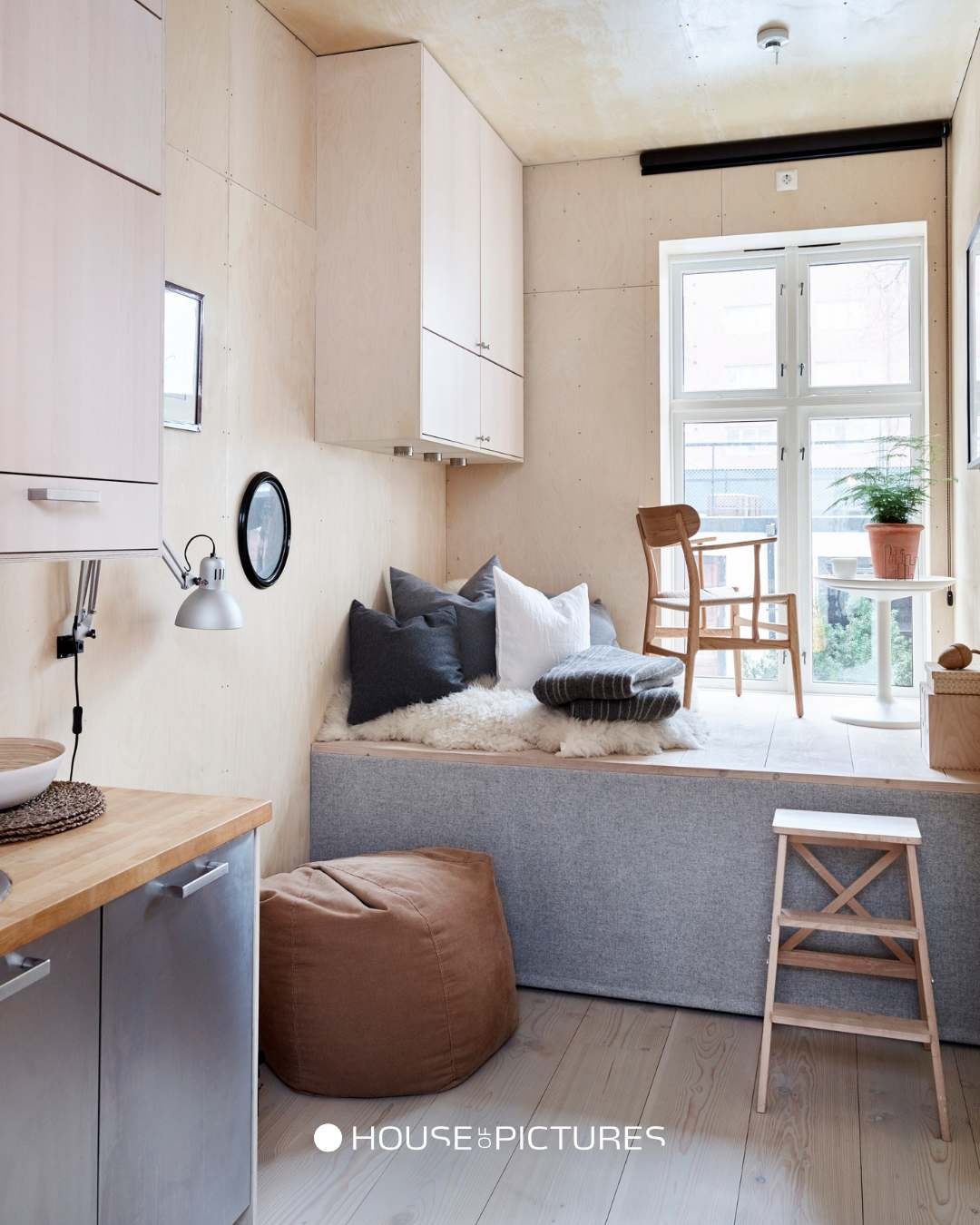
A compact apartment does not have to feel like a storage problem with a bed squeezed into the middle. The most comfortable small homes are designed around rhythms: where shoes land, how breakfast is served, where work ends, and what helps the room settle at night. When each zone has a clear purpose, even a modest footprint can support a surprisingly full life.
The ideas below focus on adaptable layouts, visual calm, and everyday rituals rather than expensive renovations. Think of them as prompts for editing your belongings, choosing furniture with more than one job, and building small moments of nourishment into the day. A tiny home becomes more generous when it gives you fewer obstacles between intention and action.
1. Give Every Activity a Landing Place
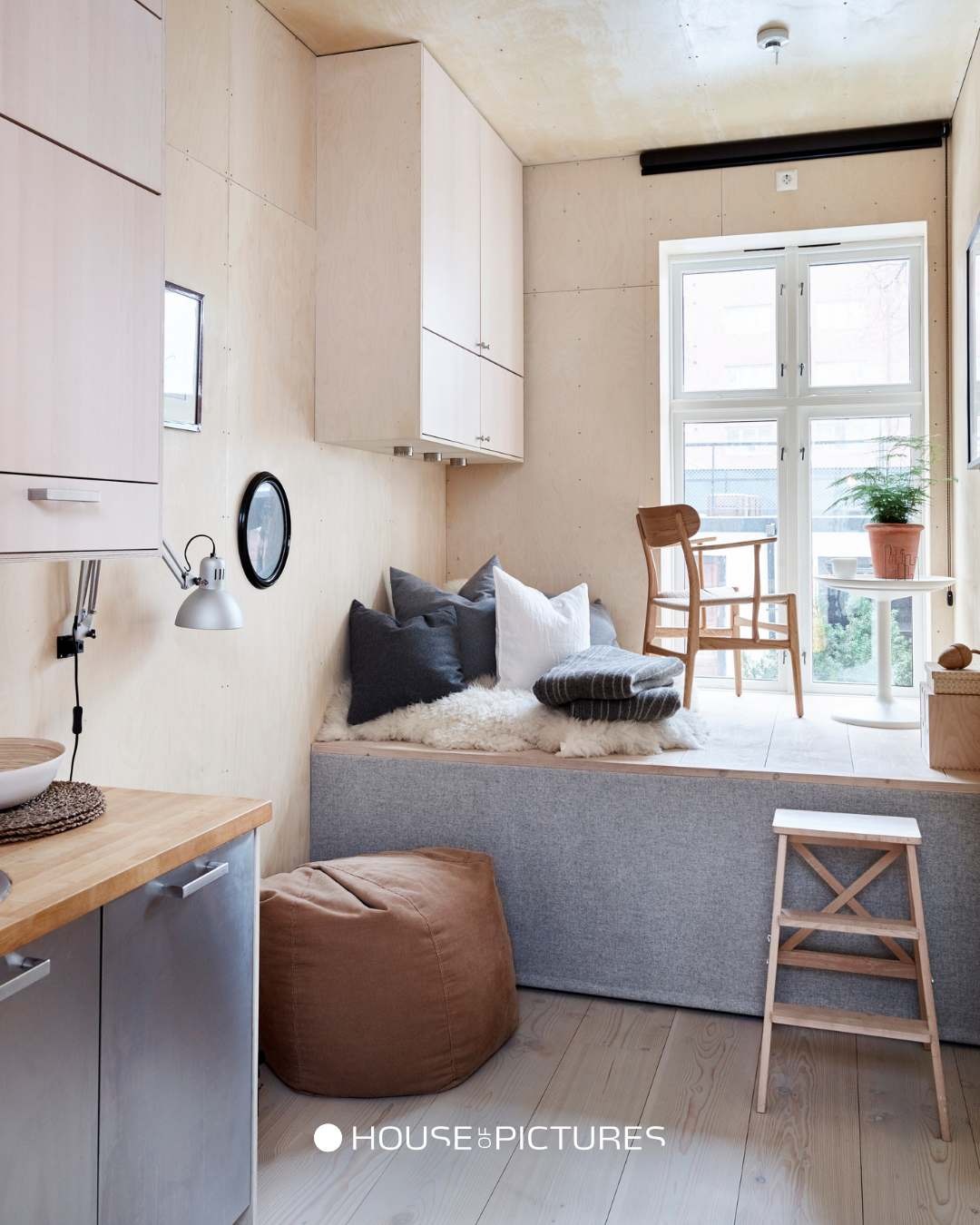
The first step toward a calmer small home is not buying another organizer; it is deciding what each area is meant to support. A narrow wall can become a morning station with a shallow shelf, a mirror, and two hooks. A windowsill can hold herbs, a reading light, or the mug you use before leaving. Near the entrance, a tray for keys and a lidded basket for shoes prevent the rest of the apartment from becoming a drop zone.
Use visual boundaries even when walls are absent. A small rug can identify a sitting area, while a pendant or clip-on lamp can mark a dining or work surface. Keep frequently used items within one easy reach and store occasional items higher or farther back. This reduces the daily friction that makes compact rooms feel chaotic.
The same principle works in the kitchen. Group breakfast ingredients together, keep cooking tools near the counter, and reserve one shelf for leftovers or packed lunches. A home feels larger when its systems are legible. Instead of asking where something might fit, you can quickly see where it belongs and return the room to neutral when the day is done.
Kitchen Pause — Lemon-Herb White Bean Toast
- 1 cup drained cannellini beans
- 1 tablespoon olive oil
- 1 teaspoon lemon juice
- 1 small garlic clove, grated
- 2 slices whole-grain bread
- Chopped parsley and black pepper
- Mash beans with oil, lemon, garlic, parsley, and pepper.
- Toast the bread until crisp at the edges.
- Spoon the bean mixture over toast and finish with extra herbs.
2. Choose Furniture That Changes With You
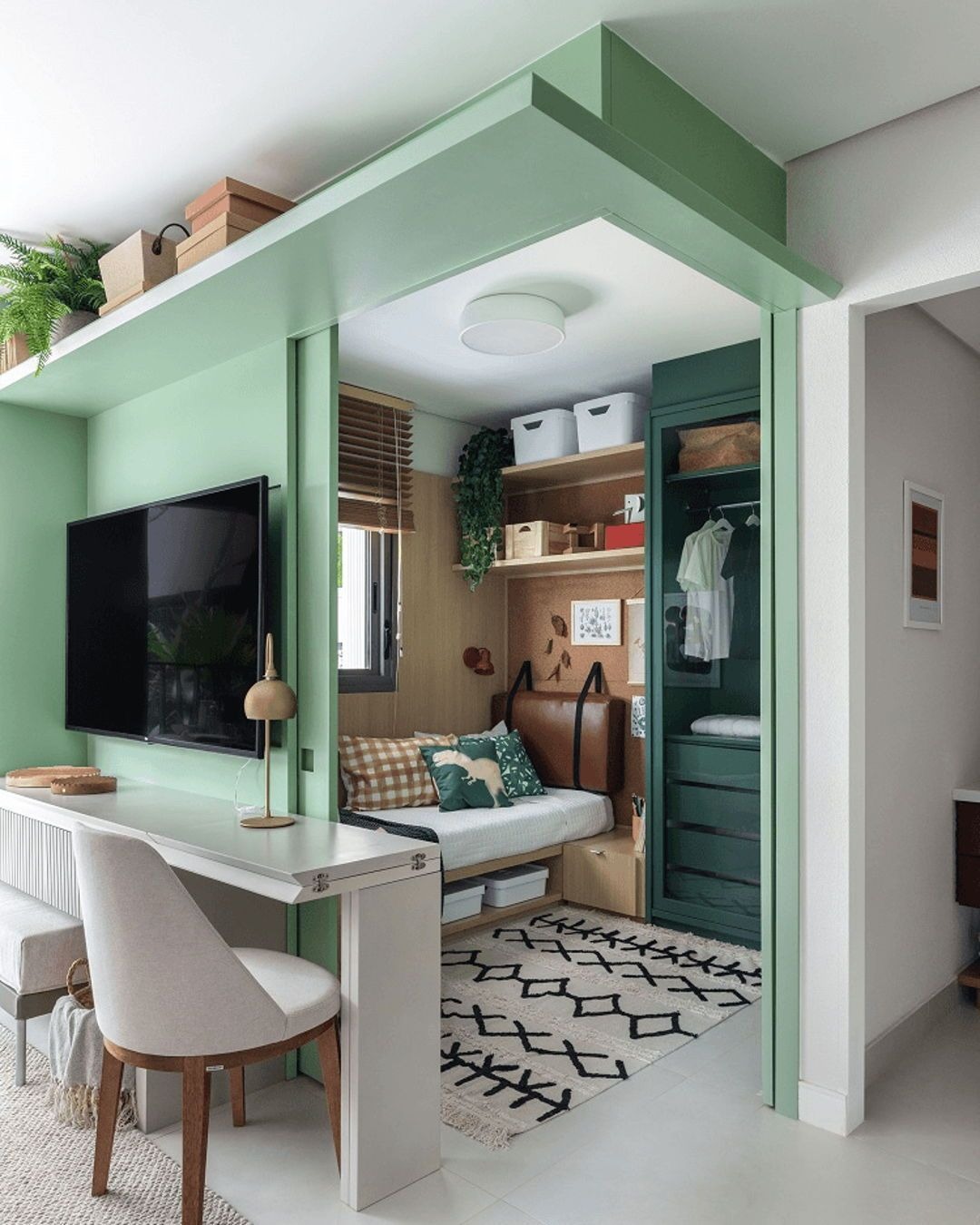
In a tiny apartment, a piece of furniture should earn its floor space by serving more than one moment. A bench can be a dining seat, a place to put on shoes, and extra guest seating. A wall-mounted table can become a desk at noon and fold away before dinner. Even a compact ottoman can hide blankets while acting as a footrest or perch.
Before purchasing, measure the open pathways as carefully as the furniture itself. Look for legs that allow light to pass beneath, nesting tables that separate when needed, and chairs that stack or tuck completely under a surface. If a sleeper sofa is practical for your household, test its opening mechanism in the showroom; convenience matters more than a clever label.
Flexible furniture also supports healthier routines. A dedicated work surface that closes or clears at the end of the day helps protect rest from office spillover. A small dining table encourages sitting down for meals instead of eating over a keyboard. Keep one lightweight item easy to move so the room can shift for stretching, cleaning, or hosting.
The goal is not to make your home perform like a showroom. It is to make transitions simple. When furniture follows your life instead of dictating it, a small room can accommodate work, rest, meals, and company without feeling permanently rearranged.
Kitchen Pause — Skillet Apple Oat Crisp
- 1 apple, diced
- 1/3 cup rolled oats
- 1 tablespoon chopped walnuts
- 1 teaspoon maple syrup
- 1/2 teaspoon cinnamon
- 1 teaspoon butter or coconut oil
- Warm butter in a small skillet and cook the apple with cinnamon for 4 minutes.
- Stir in oats, walnuts, and maple syrup.
- Cook until toasted and spoon-soft, then rest briefly before eating.
3. Use Color to Build Quiet Zones
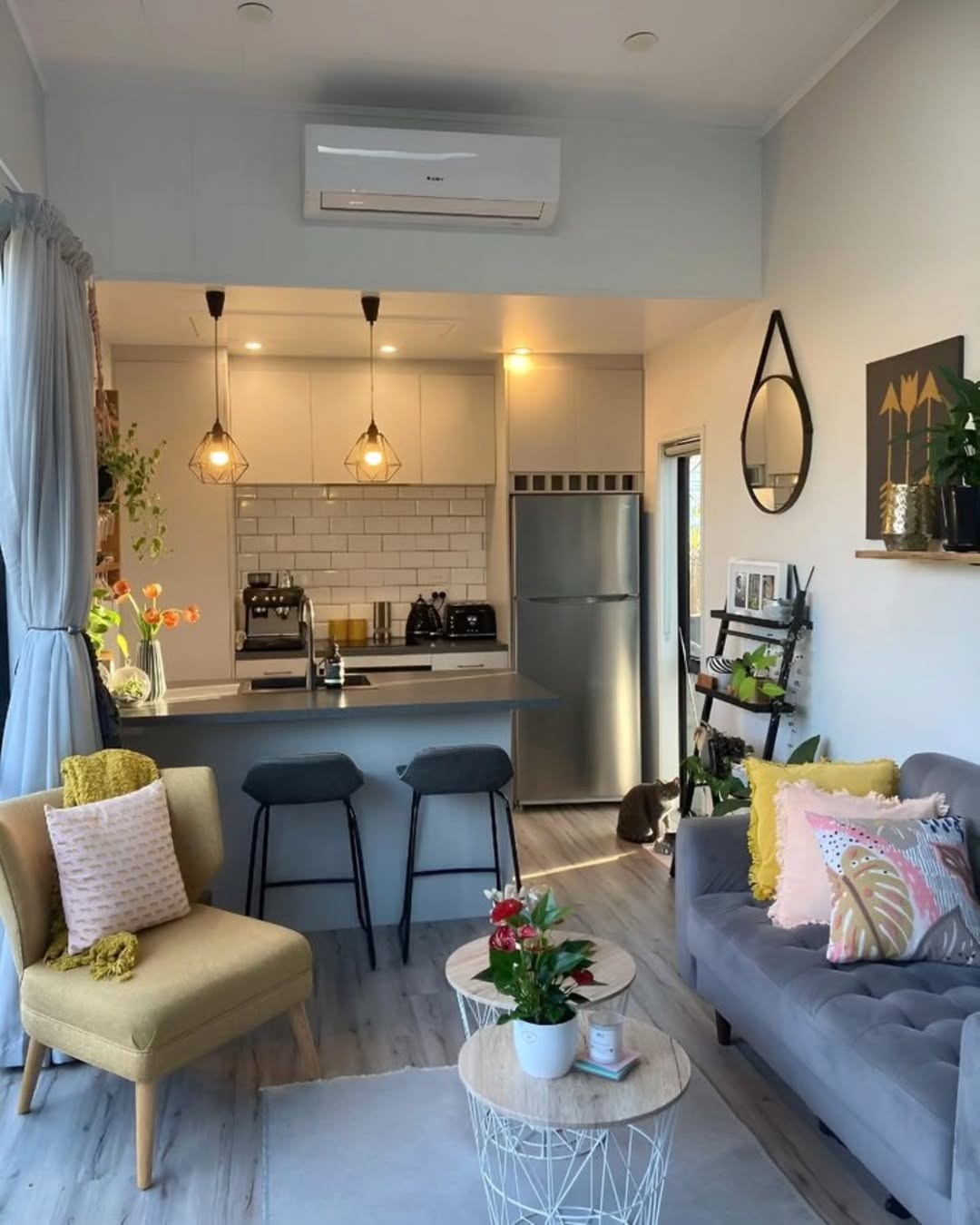
Color can organize a compact home without taking up any space. A soft, consistent base across walls and larger pieces makes the room feel continuous, while one stronger tone can frame a sleeping nook, highlight a dining corner, or give a hallway its own identity. The trick is to repeat the accent in small doses so it feels intentional rather than loud.
Try a painted rectangle behind a desk, a colored ceiling in an alcove, or matching textiles at opposite ends of the room. These moves create a sense of architecture when the apartment has few built-in divisions. Warm clay, muted green, dusty blue, or buttery yellow can add personality without the visual noise of many unrelated shades.
Balance saturated color with texture. Linen curtains, a woven basket, matte ceramics, or a timber stool give the eye places to rest. If natural light is limited, sample paint on more than one wall and observe it morning and evening. A color that feels gentle in daylight may become heavy under a cool bulb.
Let the palette serve your habits. Calmer colors near the bed can support a slower evening, while a brighter accent by the breakfast area can make the first meal feel distinct. Small-space style becomes more livable when decoration helps you understand how to use the room.
Kitchen Pause — Golden Carrot Hummus Cup
- 1 cup cooked carrots
- 1/2 cup chickpeas
- 1 tablespoon tahini
- 1 tablespoon lemon juice
- 1/2 teaspoon cumin
- Sliced cucumber and whole-grain crackers
- Blend carrots, chickpeas, tahini, lemon, and cumin until smooth.
- Taste and add a pinch of salt or more lemon if needed.
- Serve in a small bowl with cucumber and crackers.
4. Make Storage Part of the Scenery
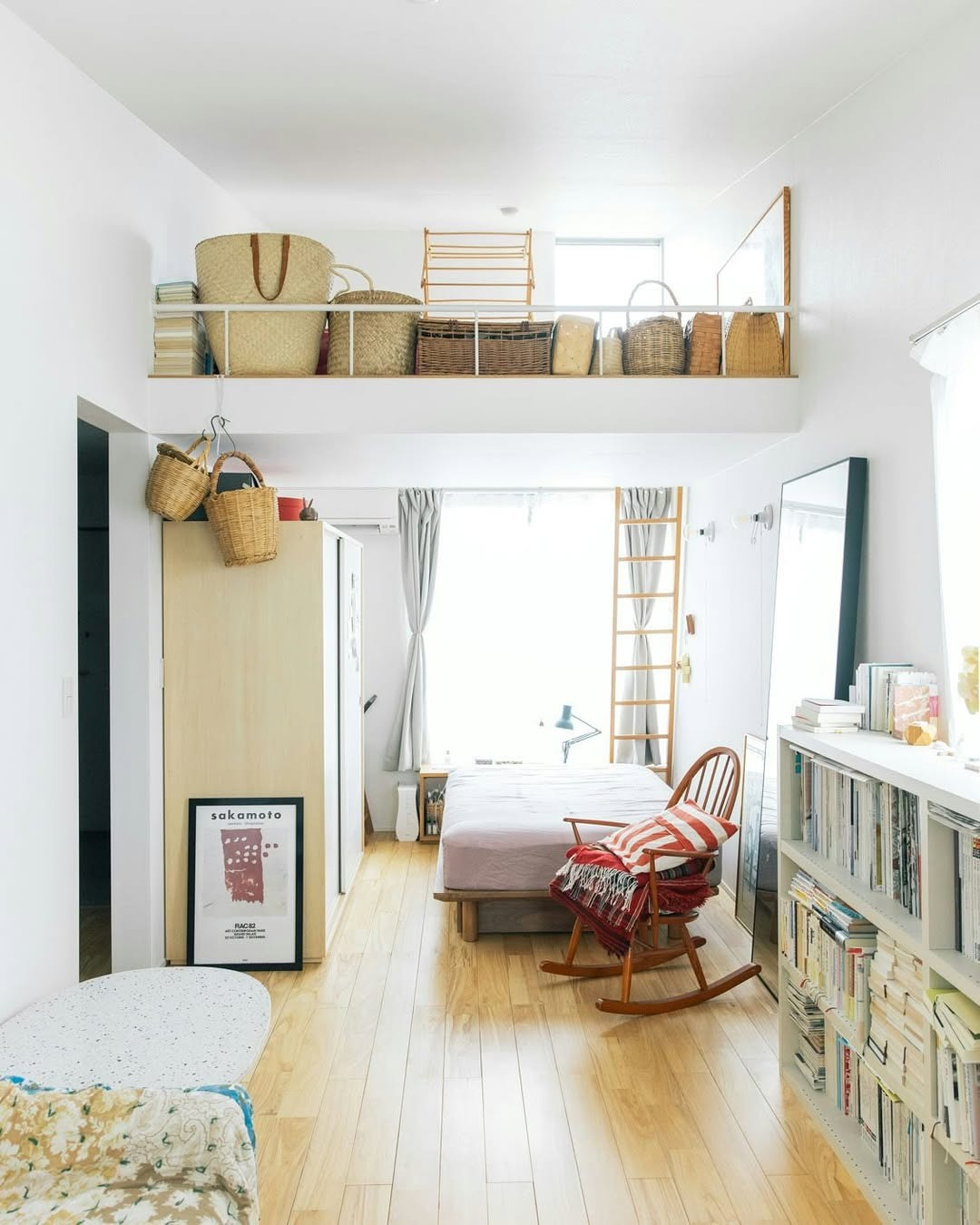
Storage works best in a small home when it looks like part of the room instead of a collection of emergency fixes. Closed cabinets are useful for visual quiet, but open shelves can keep daily items accessible if they are edited and arranged with breathing room. Combine the two: display a few attractive bowls or books, then hide the supplies that create visual clutter behind doors or inside boxes.
Use vertical space thoughtfully. A tall bookcase, peg rail, or slim cabinet can hold far more than a low unit while preserving valuable floor area. Under-bed drawers, lidded benches, and over-door pockets are especially helpful for items that are needed regularly but not constantly. Label bins by category, not by fantasy future project, so putting things away remains obvious.
Avoid filling every available cavity. Leave a little spare capacity in the most-used storage so new groceries, laundry, or paperwork do not immediately become piles. Once a month, remove anything that no longer supports your current season of life.
A small kitchen benefits from the same restraint. Decant only foods you use often, keep a short working set of pans, and store backup ingredients together. The result is practical abundance: enough to cook and live well, but not so much that every surface becomes a reminder of unfinished decisions.
Kitchen Pause — Pantry Tomato Couscous
- 1/2 cup whole-wheat couscous
- 1/2 cup boiling vegetable broth
- 1/2 cup chopped canned tomatoes
- 1 tablespoon chopped olives
- 1 tablespoon feta
- Parsley and olive oil
- Combine couscous and broth in a bowl, cover, and rest for 5 minutes.
- Fluff with a fork and fold in tomatoes, olives, parsley, and oil.
- Top with feta and serve warm or at room temperature.
5. Let Light and Texture Do the Heavy Lifting
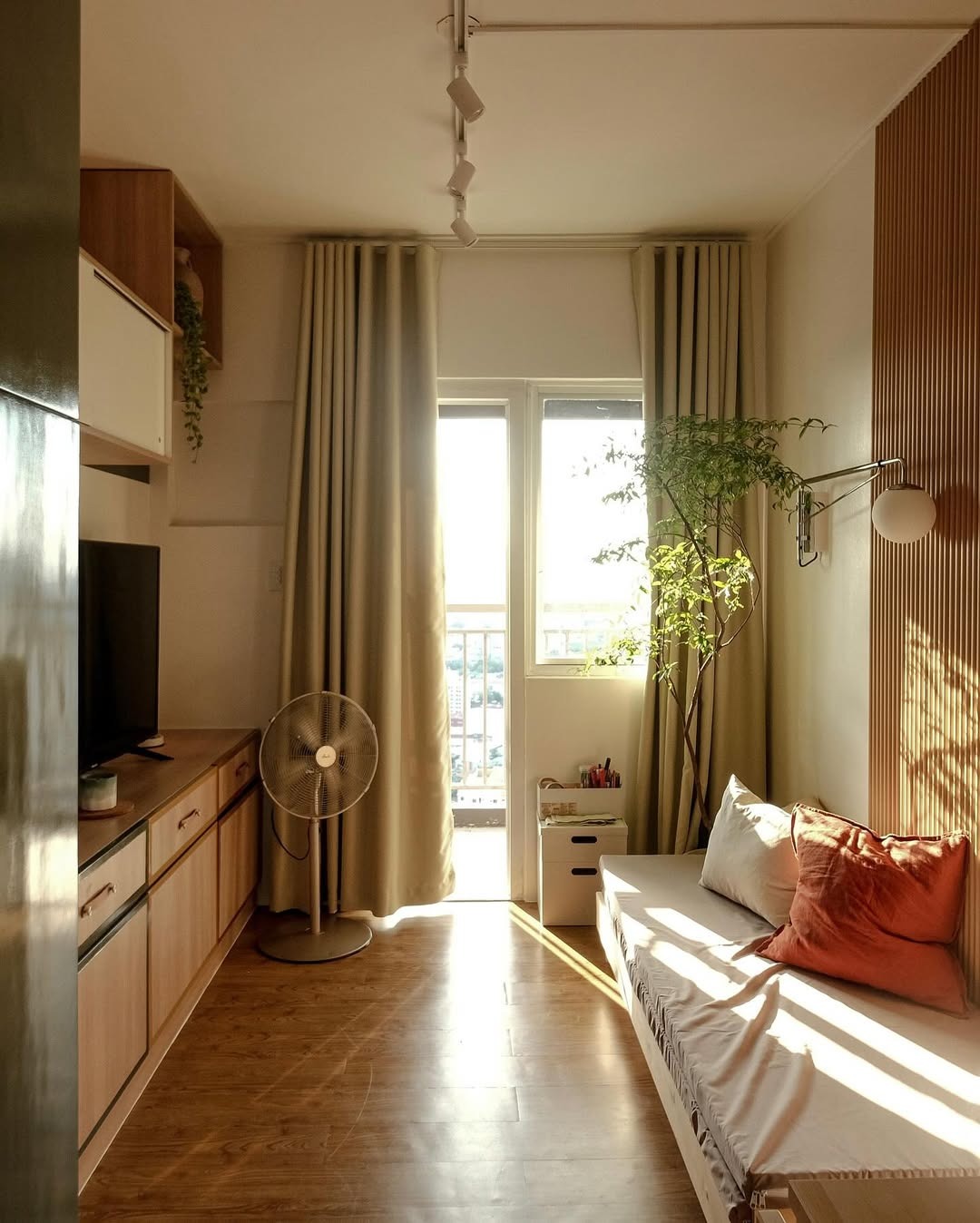
A small room often feels more open when light can travel across it. Keep window areas lightly dressed, choose curtains that hang close to the ceiling, and position mirrors where they reflect daylight or a pleasant view rather than a cluttered corner. Pale surfaces help, but they are not the only answer: warm wood, soft textiles, and restrained contrast keep brightness from becoming sterile.
Layer lighting for real life. Overhead light may be useful for cleaning, but a reading lamp, under-shelf strip, and small table light create gentler pools for evenings. Choose warm bulbs and place switches where you can reach them without crossing the room in the dark.
Texture adds depth without demanding extra furniture. A flat-woven rug, nubby throw, cane-front cabinet, or linen shade can make a pared-back palette feel finished. Limit the number of competing patterns and repeat one or two materials so the apartment feels cohesive.
Plants can contribute softness too, provided their care fits your schedule. One healthy plant in a simple pot is more calming than several struggling specimens. Think about airflow, available sun, and a watering location before bringing greenery home. A room that looks light but also feels tactile invites you to linger, which is the real measure of comfort.
Kitchen Pause — Citrus Yogurt Parfait
- 3/4 cup plain Greek yogurt
- 1 orange, segmented and chopped
- 2 tablespoons toasted oats
- 1 tablespoon pumpkin seeds
- 1 teaspoon honey
- Pinch of cardamom
- Stir cardamom into the yogurt.
- Layer yogurt, orange, oats, and pumpkin seeds in a glass.
- Drizzle with honey and eat immediately.
6. Design a Home That Can Exhale
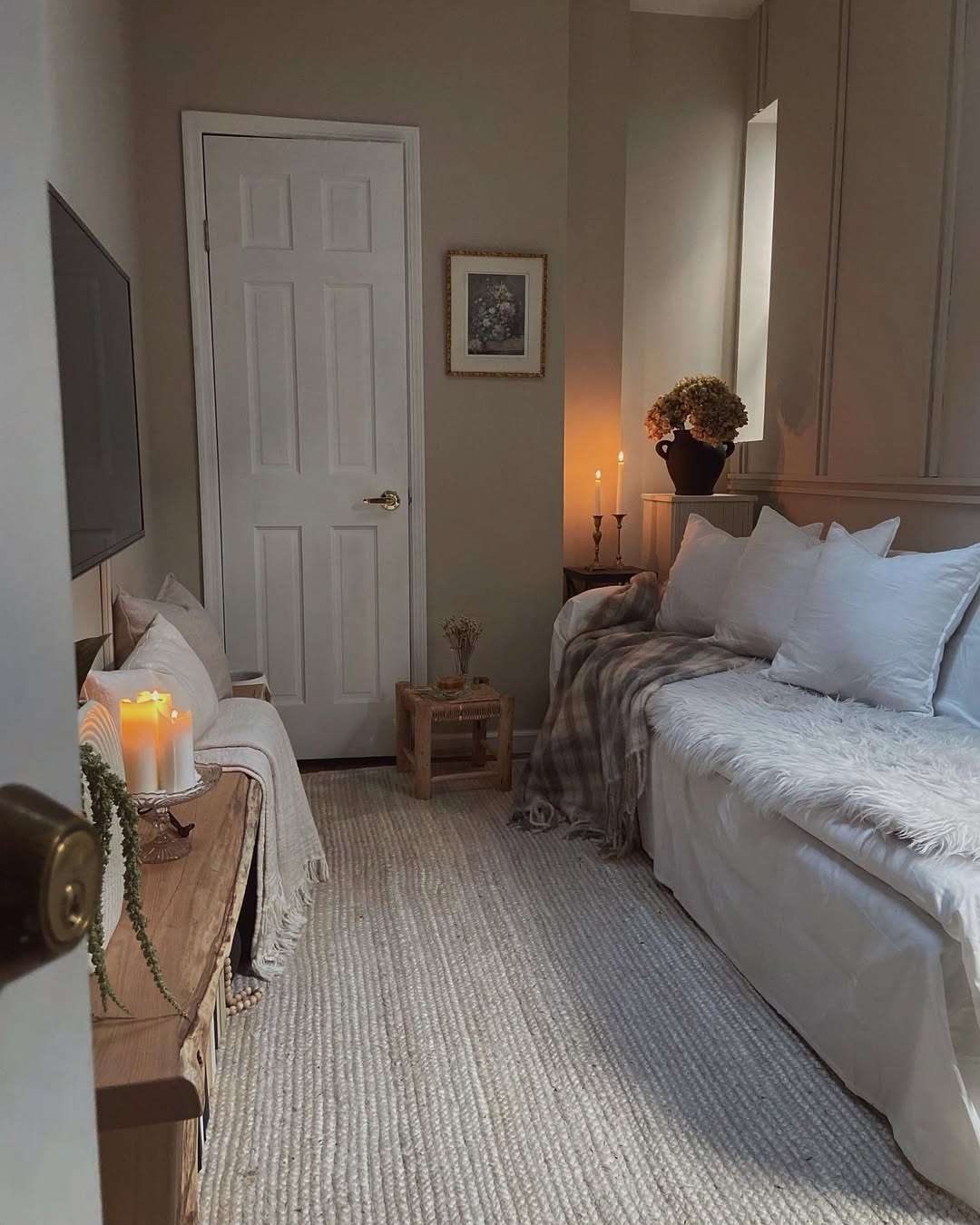
The final ingredient in a successful tiny home is negative space. It may feel counterintuitive to leave a shelf partly empty or keep a corner unassigned, but breathing room makes maintenance easier and gives the apartment a sense of generosity. Start by choosing one surface that will remain mostly clear: a coffee table, kitchen counter, or bedside ledge.
Build small reset rituals around that promise. Put dishes away before bed, return loose objects to their homes after dinner, and open a window when weather allows. A two-minute reset is more sustainable than an ambitious weekend overhaul. Keep cleaning tools accessible, perhaps in a slim caddy, so the barrier to action stays low.
Personal style should remain visible, but it need not occupy every inch. Rotate art, seasonal textiles, or treasured objects rather than displaying the entire collection at once. This keeps the room fresh while protecting the calm that makes compact living appealing.
Most importantly, measure success by how the space supports you. Can you sleep without seeing work? Can you prepare a simple meal? Can a friend sit down? Can you move through the room without negotiating obstacles? If the answer is yes, the apartment is doing its job. Thoughtful limits can create not restriction, but room for attention.
Kitchen Pause — One-Pan Greens and Eggs
- 2 eggs
- 2 cups baby spinach
- 1/2 cup cherry tomatoes
- 1 tablespoon olive oil
- 1 tablespoon crumbled goat cheese
- Whole-grain toast
- Heat oil in a small pan and soften tomatoes for 2 minutes.
- Add spinach, make two wells, and crack in the eggs.
- Cover until whites set, top with goat cheese, and serve with toast.
Final Thoughts
A tiny apartment feels spacious when its layout reduces decisions instead of multiplying them. Clear zones, adaptable furniture, edited storage, and layered light create a home that can change pace throughout the day. The most effective upgrades are often modest: a hook in the right place, a shelf with room to spare, or a lamp that makes dinner feel separate from work.
Choose one improvement that would make tomorrow easier, then build from there. Small-space living is not about perfect minimalism; it is about making room for the routines, meals, people, and quiet you value most.