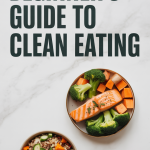
If you’re tired of diets that feel complicated, expensive, or impossible to stick with, clean eating might be the fresh start you’ve been looking for. It’s not about counting every calorie or cutting out entire food groups, it’s about getting back to basics and fueling your body with real, nourishing foods.
Whether your goal is to feel better, have more energy, lose weight, or just simplify how you eat, this guide will walk you through everything you need to know to start eating clean, and actually enjoy it.
What “Clean Eating” Really Means
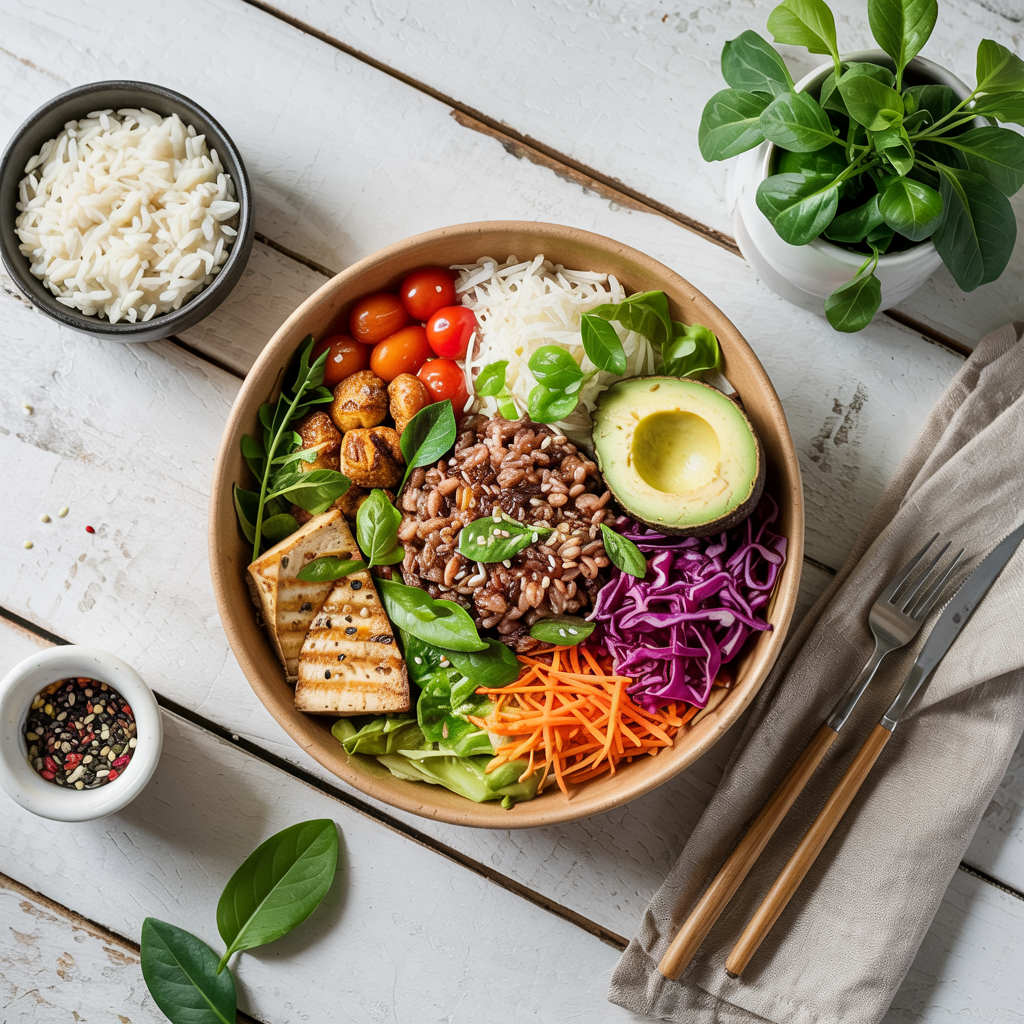
At its core, clean eating is simple: focus on whole, minimally processed foods and skip the junk your body doesn’t need. Think of it as choosing foods closer to their natural state, like fresh vegetables, fruits, whole grains, healthy fats, and quality proteins, instead of packaged, refined, or artificial options.
It’s not a strict set of rules or a temporary diet. It’s a flexible lifestyle that helps you build better habits one meal at a time.
Clean eating is:
- Filling your plate with real, nutrient-rich foods
- Cooking more meals at home
- Reading ingredient labels and avoiding artificial additives
- Choosing quality over quantity
Clean eating is NOT:
- Cutting out all carbs or fat
- Eating perfectly 100% of the time
- Following complicated meal plans
- Spending a fortune on “health” products
1. Choose Whole Foods Over Processed Ones
This is the heart of clean eating. The closer your food is to its natural state, the more nutrients it contains and the less likely it is to have additives, preservatives, or hidden sugars.
What this looks like in practice:
- Swap boxed cereal for old-fashioned oats topped with fruit.
- Choose brown rice, quinoa, or farro instead of instant flavored rice packets.
- Opt for fresh chicken breast or salmon fillets instead of breaded, frozen versions.
A good rule of thumb: if your food still looks like it did when it came from the ground, plant, or animal, you’re probably on the right track.
Quick tip: Shop the perimeter of the grocery store, that’s where you’ll find most fresh, whole foods like produce, meat, eggs, and dairy.
2. Read Ingredient Labels Carefully
Not all packaged foods are off-limits. Many pantry staples, like nut butters, canned beans, tomato sauces, can absolutely be part of a clean eating plan. The key is learning how to read labels and spot hidden junk.
Here’s what to look for:
- Short ingredient lists — five or fewer ingredients is a good sign.
- Ingredients you recognize — if you wouldn’t cook with it at home, question it.
- Avoid added sugars and artificial sweeteners — words like “corn syrup,” “dextrose,” or “sucralose” are red flags.
- Watch for refined oils — soybean oil and canola oil are common fillers in packaged foods.
Quick tip: Ingredients are listed by weight, so if sugar, white flour, or oils appear in the first three items, it’s likely not a clean option.
3. Cut Back on Added Sugars
One of the sneakiest barriers to eating clean is sugar. It hides everywhere, like from salad dressings and sauces to granola bars and even “healthy” yogurt. Too much added sugar is linked to weight gain, inflammation, and energy crashes.
How to reduce sugar without feeling deprived:
- Choose plain versions of yogurt and oatmeal, then sweeten them naturally with fruit.
- Replace sugary drinks with sparkling water infused with citrus or herbs.
- Make your own sauces and dressings…it’s easier than you think and you control the sugar.
- Limit desserts to special occasions or make cleaner versions at home.
Quick tip: Check labels for sneaky sugar words, since there are more than 50 of them, including cane juice, maltose, barley malt, and syrup.
4. Eat More Plants (And Make Them the Star)

Plants are the foundation of clean eating. They’re rich in vitamins, minerals, fiber, and antioxidants, all of which support digestion, hormone balance, heart health, and long-term wellness.
How to get more plants on your plate:
- Fill half your plate with veggies at lunch and dinner.
- Add a serving of fruit to breakfast or snacks.
- Sneak greens into smoothies, soups, and sauces.
- Experiment with plant-based proteins like lentils, beans, and tofu a few times a week.
Quick tip: Go for a rainbow of colors, different colors usually mean different nutrients.
5. Cook More Often (Even if You’re Not a “Cook”)
Cooking at home is one of the most powerful clean eating habits you can build. It puts you in control of your ingredients, portions, and budget. And you don’t have to be a chef, just knowing a few basic meals is enough.
Start with these simple habits:
- Cook one extra meal each week instead of eating out.
- Batch cook grains, proteins, and roasted vegetables to mix and match.
- Keep “fast but clean” recipes on hand…think stir-fries, sheet pan dinners, and one-pot meals.
- Prep breakfasts and snacks ahead of time to avoid reaching for packaged options.
Quick tip: You don’t need fancy recipes. Most clean meals can be made in 20–30 minutes with just a handful of fresh ingredients.
6. Stay Hydrated With Clean Drinks
Clean eating isn’t just about food, what you drink matters too. Sugary drinks, sodas, and flavored coffees are some of the biggest sources of empty calories and hidden sugars in most diets.
Better options:
- Water (still or sparkling) with lemon, lime, or cucumber slices
- Herbal teas
- Unsweetened iced tea or black coffee
- Homemade smoothies made with whole fruits and no added sugar
Quick tip: If plain water feels boring, try making a large pitcher of infused water in the fridge, combinations like orange + mint or strawberry + basil are refreshing and naturally flavorful.
7. Practice Balance, Not Perfection
Clean eating is about building a better relationship with food, not about eating perfectly. It’s okay to enjoy dessert at a birthday party or grab takeout on a busy night. What matters most is what you do consistently, not occasionally.
Mindset reminders to keep in mind:
- Aim for progress, not perfection, even 80–90% clean is a big win.
- Don’t label foods as “good” or “bad”, focus on how they make you feel.
- Give yourself grace, this is a lifestyle, not a test you pass or fail.
Quick tip: Think of clean eating as a flexible framework, not a rigid rulebook. It should make your life easier, not stressful.
Clean Eating Pantry Staples: Your Go-To Grocery Guide
A well-stocked pantry is the secret weapon of every clean eater. When you have the right ingredients on hand, it’s easier to whip up quick, healthy meals without relying on takeout or processed convenience foods. You’ll also save money because you’ll cook more at home, waste less food, and avoid last-minute grocery runs.
Here’s how to build a clean-eating pantry from the ground up, organized by category with simple tips for choosing the best options and stretching your dollar.
Proteins: The Building Blocks of Every Meal
Protein keeps you full, supports muscle health, and balances blood sugar and clean eating doesn’t mean you have to give it up. The key is choosing high-quality sources with minimal processing.
Best options to keep stocked:
- Canned wild salmon, tuna, or sardines (packed in water or olive oil)
- Dried or canned beans and lentils (look for no-salt-added)
- Natural nut butters (just nuts + salt on the label)
- Eggs (pasture-raised or free-range if possible)
- Chicken, turkey, or lean ground beef (freeze extras for easy meals)
- Tofu, tempeh, or edamame for plant-based protein variety
- Smart living tip: Buy meat and fish in bulk when they’re on sale, then portion and freeze. It’s often 30–40% cheaper than buying individual packages.
Whole Grains: Energy That Lasts
Whole grains give you steady energy and important nutrients like fiber, B-vitamins, and minerals. Unlike refined grains, they’re minimally processed and keep you feeling fuller longer.
Great pantry staples:
- Old-fashioned rolled oats or steel-cut oats
- Brown rice, wild rice, or jasmine rice
- Quinoa, farro, barley, or bulgur
- 100% whole-grain or sprouted bread (freeze extras)
- Whole-grain pasta (or chickpea/lentil pasta for extra protein)
- Popcorn kernels (air-popped for a clean snack)
Budget tip: Buy grains from the bulk bins when possible, it’s often half the price of pre-packaged versions.
Healthy Fats: Nourishment and Flavor
Healthy fats are essential for hormone health, brain function, and nutrient absorption. They also make your meals more satisfying and flavorful, a major bonus when you’re trying to stick to clean eating.
Staples to keep on hand:
- Extra-virgin olive oil (for dressings and low-heat cooking)
- Avocado oil or coconut oil (great for high-heat cooking)
- Raw nuts like almonds, walnuts, and cashews
- Seeds such as chia, flax, hemp, pumpkin, and sunflower
- Unsweetened shredded coconut
- Olives and avocado (buy fresh or jarred)
Storage tip: Store nuts and seeds in the fridge or freezer to keep them fresh longer, they can go rancid quickly at room temperature.
Fruits and Vegetables: Fresh or Frozen Goodness
Clean eating revolves around plants, but that doesn’t mean you need a fridge overflowing with produce every week. Frozen fruits and vegetables are just as nutritious and often cheaper, so they’re a great option to keep stocked.
Pantry and freezer staples:
- Canned tomatoes, tomato paste, and crushed tomatoes
- Low-sodium canned beans (like black beans or chickpeas)
- Frozen spinach, broccoli, cauliflower, peas, and green beans
- Frozen berries, mango, and pineapple (great for smoothies or desserts)
- Applesauce (unsweetened)
- Shelf-stable packs of roasted red peppers or artichokes
Smart tip: Keep a mix of fresh and frozen produce on hand, fresh for weekly meals, frozen for backup when you’re low on groceries.
Flavor Boosters: Make Clean Food Taste Amazing
One of the biggest myths about clean eating is that it’s bland. In reality, spices, herbs, and condiments are what turn simple ingredients into crave-worthy meals, and they’re essential if you want to stick with this lifestyle.
Must-have items:
- Sea salt and black pepper
- Garlic and onion powder
- Chili powder, paprika, cumin, turmeric, cinnamon
- Dried herbs like basil, thyme, oregano, rosemary
- Apple cider vinegar and balsamic vinegar
- Dijon mustard and hot sauce (check for added sugar)
- Tamari or coconut aminos (great for stir-fries and marinades)
Flavor tip: Instead of store-bought sauces, build flavor from spices and vinegars, it cuts costs, reduces added sugar, and keeps meals clean.
Smart Extras: Convenience Without Compromise
A few extra items can make clean eating easier and help you pull meals together faster without sacrificing quality.
- Canned coconut milk (great for curries and soups)
- Whole-grain or brown rice tortillas
- Clean granola (short ingredient list, low sugar)
- Dark chocolate (70%+ cacao)
- Herbal teas and coffee
- Raw honey or pure maple syrup (for natural sweetness)
💡 Bonus tip: Store shelf-stable staples in clear containers or labeled jars, it keeps your pantry organized and makes meal prep faster.
How to Stock Your Clean Pantry on a Budget
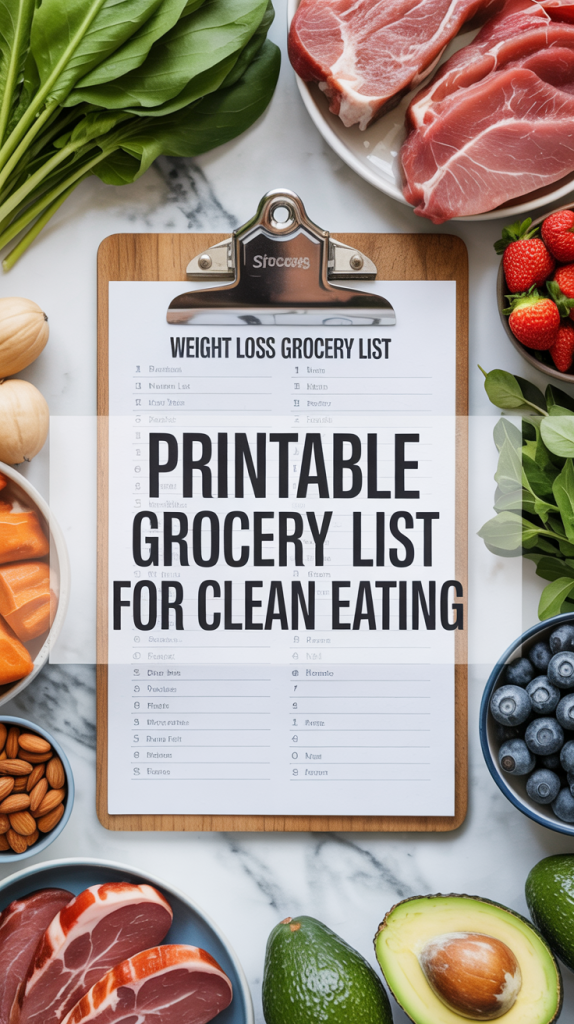
You don’t need to buy everything at once. In fact, trying to restock your whole kitchen in one trip is overwhelming and expensive. Instead:
- Start with the basics – olive oil, oats, rice, canned tomatoes, and beans.
- Add a few staples each week – maybe nuts and seeds one week, spices the next.
- Watch sales and buy in bulk – pantry staples don’t spoil quickly, so stock up when prices drop.
- Use what you have – get creative with ingredients before buying more.
Over time, your pantry will become the backbone of your clean eating lifestyle, and you’ll always have what you need to make a nourishing meal.
7-Day Clean Eating Starter Meal Plan
One of the best ways to make clean eating stick is to stop overthinking it and follow a simple plan for your first week. This 7-day beginner-friendly meal plan is built around affordable, easy-to-find ingredients, minimal prep, and satisfying meals that prove “healthy” doesn’t mean boring.
Each day includes breakfast, lunch, dinner, and a snack, all focused on whole, real foods and balanced nutrition. Feel free to swap meals between days, double up on favorites, or adjust portion sizes based on your needs.
Day 1
Breakfast: Overnight oats with rolled oats, almond milk, chia seeds, and fresh berries
Lunch: Grilled chicken salad with mixed greens, cucumber, tomato, avocado, and olive oil dressing
Snack: Apple slices with almond butter
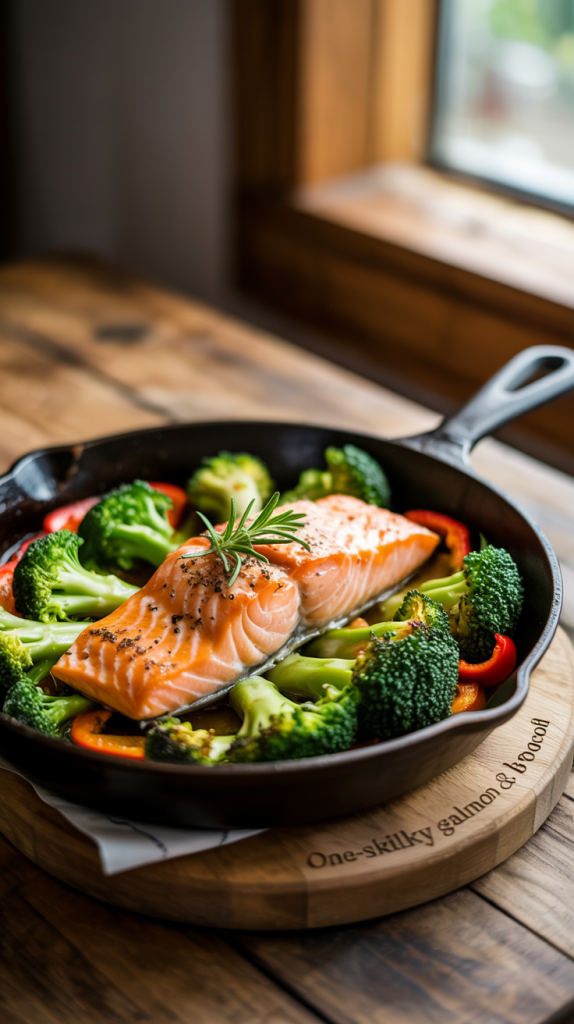
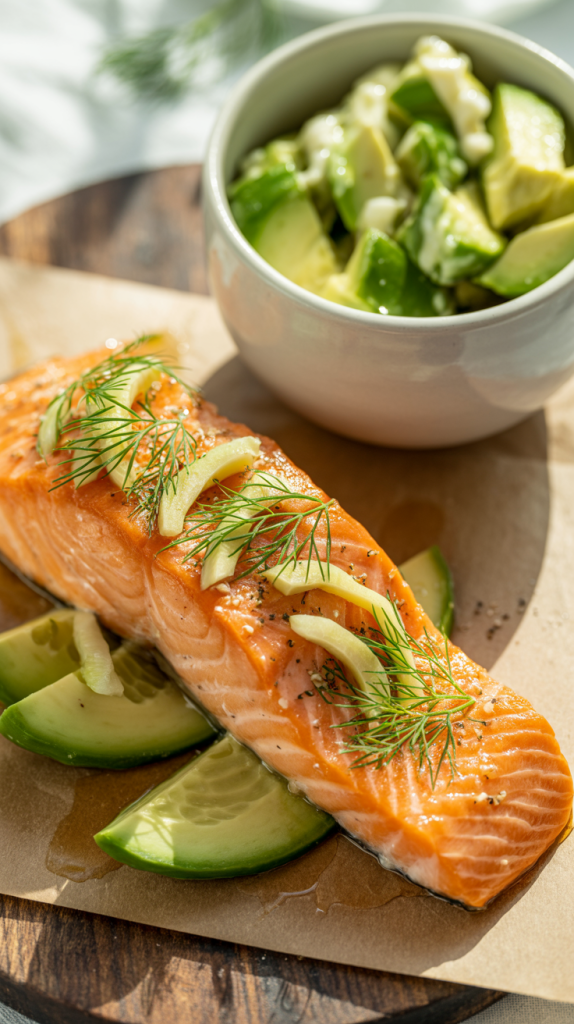
Dinner: Baked salmon with roasted sweet potatoes and broccoli
Day 2
Breakfast: Scrambled eggs with spinach and tomatoes + slice of whole-grain toast
Lunch: Quinoa bowl with black beans, roasted veggies, salsa, and a dollop of plain Greek yogurt
Snack: Carrot sticks and hummus
Dinner: Turkey chili with kidney beans, tomatoes, onions, and bell peppers
Day 3
Breakfast: Smoothie with banana, spinach, almond milk, protein powder, and chia seeds
Lunch: Lentil soup with a side salad and olive oil vinaigrette
Snack: A handful of mixed nuts
Dinner: Grilled chicken with sautéed zucchini noodles and marinara sauce
Day 4
Breakfast: Greek yogurt parfait with berries, chia seeds, and a drizzle of raw honey
Lunch: Tuna salad (with avocado instead of mayo) on whole-grain crackers, plus a side of fruit
Snack: Sliced bell peppers with guacamole
Dinner: Baked cod with quinoa pilaf and steamed green beans
Day 5
Breakfast: Veggie omelet with mushrooms, peppers, and spinach
Lunch: Mason jar salad with chickpeas, arugula, cherry tomatoes, and lemon-tahini dressing
Snack: Pear slices with almond butter
Dinner: Stir-fry with shrimp, mixed vegetables, garlic, and tamari over brown rice
Day 6
Breakfast: Oatmeal topped with sliced banana, cinnamon, and a spoonful of peanut butter
Lunch: Whole-grain wrap with turkey, spinach, tomato, and mustard + side of sliced cucumbers
Snack: Cottage cheese with pineapple chunks
Dinner: Grass-fed beef and vegetable stew with carrots, potatoes, and herbs
Day 7
Breakfast: Smoothie bowl with blended frozen berries, almond milk, and toppings like granola and coconut
Lunch: Roasted veggie grain bowl with farro, kale, roasted sweet potatoes, and tahini drizzle
Snack: A small handful of trail mix (unsweetened nuts and dried fruit)
Dinner: Lemon-garlic roasted chicken thighs with asparagus and wild rice
Tips for Making This Plan Work for You
- Prep once, eat twice: Double dinner portions and use leftovers for lunch the next day.
- Swap proteins easily: If you don’t eat meat, sub beans, lentils, or tofu in most recipes.
- Batch cook basics: Cook a big pot of quinoa, rice, or roasted veggies on Sunday — it makes weekday meals faster.
- Season smartly: Herbs, spices, and citrus add flavor without processed sauces.
This plan isn’t about perfection — it’s about progress. By the end of seven days, you’ll have built momentum, felt the difference clean eating makes, and created habits you can build on.
Clean Eating on a Budget: How to Eat Well Without Overspending
One of the biggest myths about clean eating is that it’s expensive. It’s true that organic superfoods and specialty health products can add up fast, but the truth is, you don’t need them. Clean eating isn’t about fancy powders or $10 juices. It’s about getting back to basics with simple, whole ingredients. And when you do it right, it can actually save you money compared to processed convenience foods and frequent takeout.
Here’s how to build a clean eating lifestyle without breaking the bank:
1. Plan Before You Shop
Impulse grocery shopping is one of the fastest ways to blow your food budget. A little planning goes a long way toward saving money and reducing waste.
Here’s what to do before you head to the store:
- Plan your meals for the week – even just dinners can make a huge difference.
- Check your pantry and fridge – build meals around what you already have.
- Make a list and stick to it – avoid tossing random items into your cart.
- Plan for overlap – use the same ingredients in multiple meals to avoid waste.
Example: If you’re buying a bag of sweet potatoes, plan to use them in a grain bowl, a side dish, and a breakfast hash.
2. Embrace Frozen and Canned Produce
Fresh fruits and vegetables are wonderful, but they’re not always the most budget-friendly or long-lasting. Frozen and canned produce are just as nutritious, often cost less, and last much longer.
- Choose plain frozen veggies without sauces or seasonings.
- Stock up on frozen berries and fruit for smoothies and snacks.
- Use no-salt-added canned tomatoes, beans, and veggies for quick meals.
Budget tip: A 12-ounce bag of frozen spinach costs around $2 and can replace several bunches of fresh spinach at $4–$5 each.
3. Buy in Bulk (But Only What You’ll Use)
Pantry staples like oats, rice, beans, and lentils are inexpensive when bought in bulk. They store well and form the backbone of countless clean meals.
- Look for bulk bins or large bags at warehouse stores.
- Refill airtight jars or containers at home to keep things fresh.
- Stock up on sale items you use often — olive oil, canned tuna, nut butter, etc.
Example: Buying a 5-pound bag of brown rice can cost half as much per serving as smaller packages.
4. Batch Cook and Love Your Leftovers
Cooking once and eating twice is one of the smartest ways to stretch your grocery budget. It also saves time and keeps you from relying on expensive takeout during busy weeks.
- Double recipes and freeze half for future meals.
- Roast extra veggies and use them in salads, wraps, or grain bowls.
- Turn leftover chicken into soup or tacos later in the week.
Time-saver tip: A large pot of chili or lentil soup can feed you for several meals — and costs less than $1 per serving.
5. Shop Seasonal and Local When You Can
Seasonal produce is fresher, more flavorful, and usually much cheaper than out-of-season imports.
- Learn what’s in season in your area and plan meals around those foods.
- Visit local farmers’ markets near closing time — many vendors offer discounts.
- Don’t overlook “imperfect” produce boxes — they’re often 30–50% cheaper.
Example: Zucchini might cost $0.99/lb in summer but $2.99/lb in winter. Seasonal swaps add up over time.
6. Compare Unit Prices and Store Brands
Clean eating doesn’t have to mean brand loyalty. Generic or store-brand staples are often identical in quality to name brands, just cheaper.
- Check the unit price (price per ounce, pound, or piece) to compare true cost.
- Try store-brand oats, canned goods, and frozen produce — they’re often just as good.
- Watch for sales on shelf-stable items and stock up when the price drops.
Example: Store-brand oats might cost $2.29 for 42 oz vs. $3.99 for a name brand, same ingredient, nearly 50% savings.
7. Skip the “Health Halo” Traps
The grocery store is full of products marketed as “clean,” “natural,” or “healthy”, but many of them are overpriced and unnecessary.
- Protein bars, bottled smoothies, and specialty snacks often cost more than homemade versions.
- “Organic” doesn’t always mean healthier — focus on whole foods first.
- Fancy supplements and powders are optional, not essential, for a clean diet.
Smart swap: Instead of $3 protein bars, make your own with oats, nut butter, and honey for about $0.50 each.
8. Waste Less, Save More
Food waste is basically throwing money away. With a little strategy, you can cut down on waste and stretch your grocery dollars further.
- Store produce properly to extend its shelf life.
- Freeze leftovers and extra ingredients before they spoil.
- Keep a “use first” bin in your fridge for items nearing their expiration date.
- Plan one “clean out the fridge” meal each week — soups, stir-fries, and omelets are great for this.
Tip: The average American family throws away over $1,500 worth of food each year. Reducing waste is one of the easiest ways to save.
The Bottom Line: Clean Eating Doesn’t Mean Costly Eating
You don’t need a big grocery budget or fancy ingredients to eat clean. With a little planning, smart shopping, and creativity in the kitchen, clean eating can be even more affordable than processed convenience foods, and far better for your health.
Start small, focus on staples, and build from there. As you learn to plan meals, shop smarter, and use every ingredient, you’ll realize that clean eating and smart living truly go hand in hand.
Final Thoughts: Small Steps, Big Results
Clean eating isn’t about perfection, it’s about progress. It’s about choosing real food more often, building habits that feel good, and creating a lifestyle that supports your body and your budget. You don’t need to overhaul everything overnight. Just start where you are and build from there.
Maybe that means swapping sugary cereal for overnight oats this week. Maybe it’s cooking dinner at home three nights instead of one. Or maybe it’s learning to shop smarter and stretch your grocery budget a little further. Each small step you take stacks up, and over time, those steps become lasting change.
Clean eating isn’t a diet you follow for 30 days. It’s a way of living that makes you feel more energized, more in control, and more connected to the food you eat. And the best part? It’s completely doable, even on a busy schedule and a tight budget.
Your journey to clean eating and smart living starts with one meal, one choice, one small step. Start today, your future self will thank you.