Where to Sell Your Pokémon Cards: A Practical Guide to Getting the Best Return

Whether you rediscovered a childhood stash or your collection has grown over the years, knowing how and where to sell Pokémon cards can make a big difference in what they bring. This guide walks through value drivers, research tools, preparation steps, local and online selling paths, specialized marketplaces, and decision-making strategies so you can turn those cards into cash with confidence.
1. What Determines a Card’s Value?
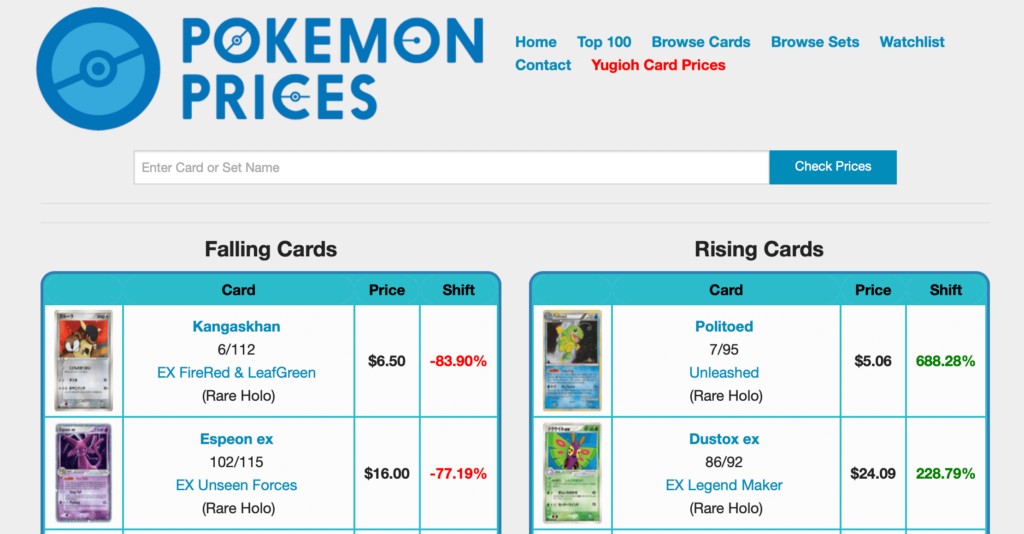
Several visible and market-driven qualities shape what collectors are willing to pay. Rarity and which set a card comes from matter a great deal, as do special features such as foil finishes, early-print markers, or printing quirks that collectors prize. Condition is crucial—cards without edge wear, creases, or surface scuffs fetch higher bids. Some characters are more sought-after simply because they’re popular, and supply-and-demand swings can make a once-unremarkable card suddenly desirable. Practical example: a holographic card in pristine condition from an early-run set will usually be more attractive than a well-played common from a recent release.
2. How to Check What Your Cards Are Really Worth
Start by identifying the exact card name, set, and collector number, then compare completed sales on marketplace listings to see what buyers actually paid. Use dedicated pricing sites and historical charts as a baseline, but verify by searching sold listings on large marketplaces and niche forums. For rare or unusual pieces, share high-quality photos in collector communities and ask experienced members for their take—many hobbyists can spot misprints or special runs. If a card seems especially valuable, consider a professional appraisal or grading service to confirm authenticity and condition before listing, since graded examples often command higher prices.
3. Prep Work That Pays Off: Sorting, Protecting and Photographing
A little prep increases buyer confidence and often yields better offers. Sort cards into categories—singles worth grading or selling individually, valuable holos, and bulk commons that are faster to sell in lots. Keep every card in a sleeve and rigid top-loader for storage and shipping; never wipe surfaces aggressively, which can harm the finish. Photograph cards on a neutral background with even lighting; include close-ups of edges and backs so buyers can assess condition. Practical example: bundle lightly-played commons into themed lots (same set or same character) while listing standout holographics as single items with multiple detailed shots.
4. Selling Nearby: Dealers, Comic Shops and Local Collectibles
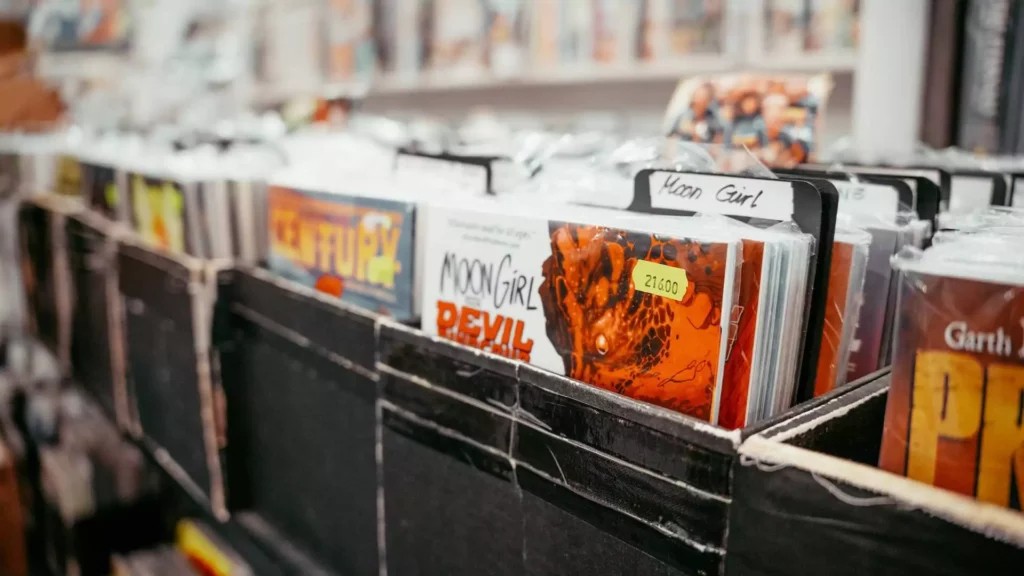
Local outlets are ideal when you want cash quickly or don’t want to handle shipping. Specialty game stores, comic shops, and card dealers will often buy collections on the spot or offer consignment options for higher-value pieces. Expect convenience in exchange for a lower margin than a patient online sale, so use local offers when speed matters. Practical tips: call ahead to confirm interest and hours, prepare an inventory list, and be ready to negotiate. If a store doesn’t buy your cards, staff can often recommend other local collectors or events where you can sell directly to enthusiasts.
5. Reach More Buyers: General Online Marketplaces
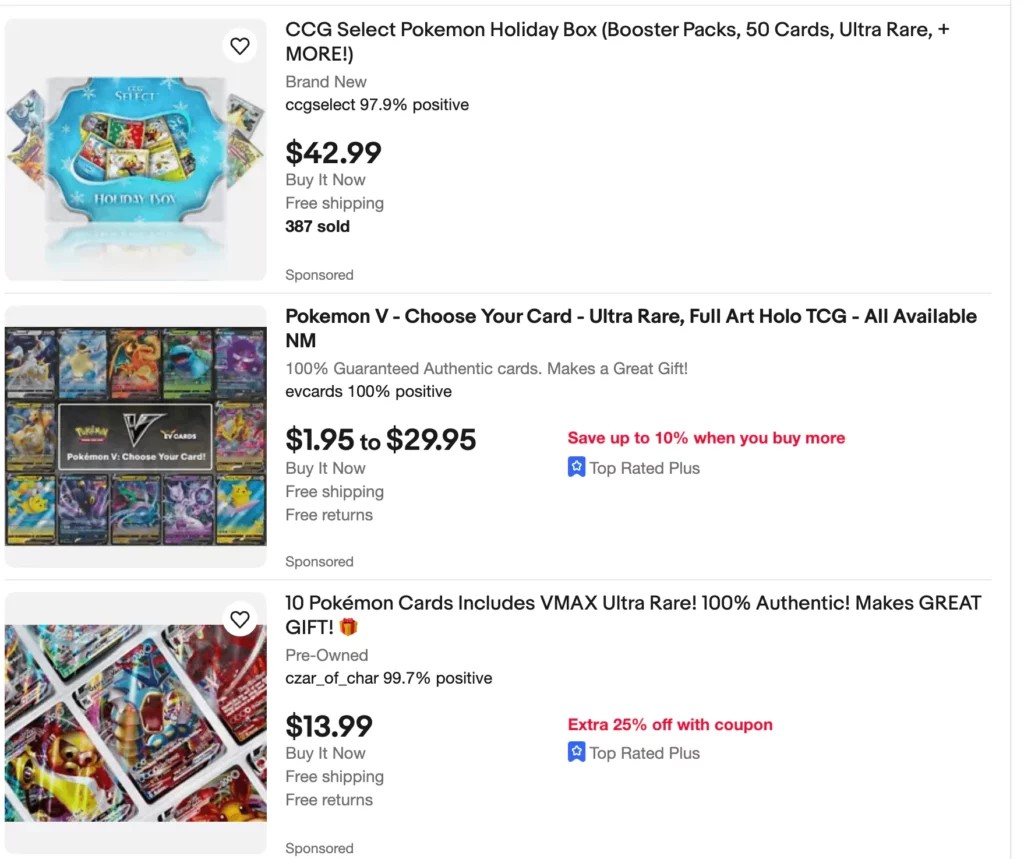
Large online marketplaces bring broad audiences and flexible selling formats. Use fixed-price listings for common cards you want to move quickly, and consider auction-style listings for rare singles that could draw competitive bids. For local buyers, enable pickup options to avoid shipping. When listing, include crisp photos, precise condition notes, and clear shipping terms to reduce returns. Practical example: a mid-tier holographic card can sell faster as part of a small graded lot on a marketplace, while a truly rare card may benefit from an auction to let collectors drive the price up over time.
6. Specialized Marketplaces, Buylists and Auction Houses
Platforms focused on trading cards and auction houses attract buyers specifically looking for TCG inventory, and some offer buylist or consignment services for sellers who prefer convenience. Buylists let you move bulk commons and lower-value cards quickly at set rates, while consignment or auction services can maximize return on standout cards—especially if the platform promotes graded lots. Practical example: use a buylist to offload hundreds of commons efficiently, but consign a rare foil to a specialist who can market it to collectors and handle grading and secure payment on your behalf.
7. Choosing the Best Route for Your Goals
Match your selling method to what you value most: speed, convenience, or maximum return. If you want immediate cash and minimal effort, local buyers or buylists are useful. If you can wait for a better price and want to reach collectors willing to pay top dollar, list individually on targeted platforms or use auction/consignment for high-value cards. Consider the size of your stash too—bulk movers work well for large collections, while single rare cards are often best marketed individually. Practical decision framework: decide your minimum acceptable price, estimate time you can invest, then pick the channel that aligns with those constraints.
8. Common Seller Questions, Answered
Sellers repeatedly ask whether to grade cards, how to ship safely, and when to take a buylist offer. Grading can boost price for certain high-value cards, but fees and turnaround matter—reserve it for pieces likely to benefit. For shipping, use sturdy packaging, tracking, and insurance for valuable items; for inexpensive lots, padded envelopes and signature-free shipping usually suffice. If a buylist offer is fair for bulk commons and you need liquidity, accept it; if a card looks rare, test the market to see what collectors will pay. Practical examples include bundling commons for a buylist sale or grading a standout holo before listing it at auction.
9. A Short Seller’s Checklist Before You List
Before you hit publish or walk into a shop, run through a checklist to protect value and avoid pitfalls. Verify card identity (set and number), grade its condition honestly, sleeve and protect items, take clear photos, and research recent sales of similar copies. Decide whether to sell singles, curated lots, or bulk, and choose the platform that fits your timeline and effort level. Finally, package sold cards with care and follow up with buyers to build a positive reputation—small steps like crisp photos and careful packing can lead to better prices and repeat buyers.
With a little research and preparation you can transform a pile of cards into meaningful returns. Sort thoughtfully, choose the selling path that fits your goals, and present each listing clearly—those choices alone will help you capture the best value from your collection.