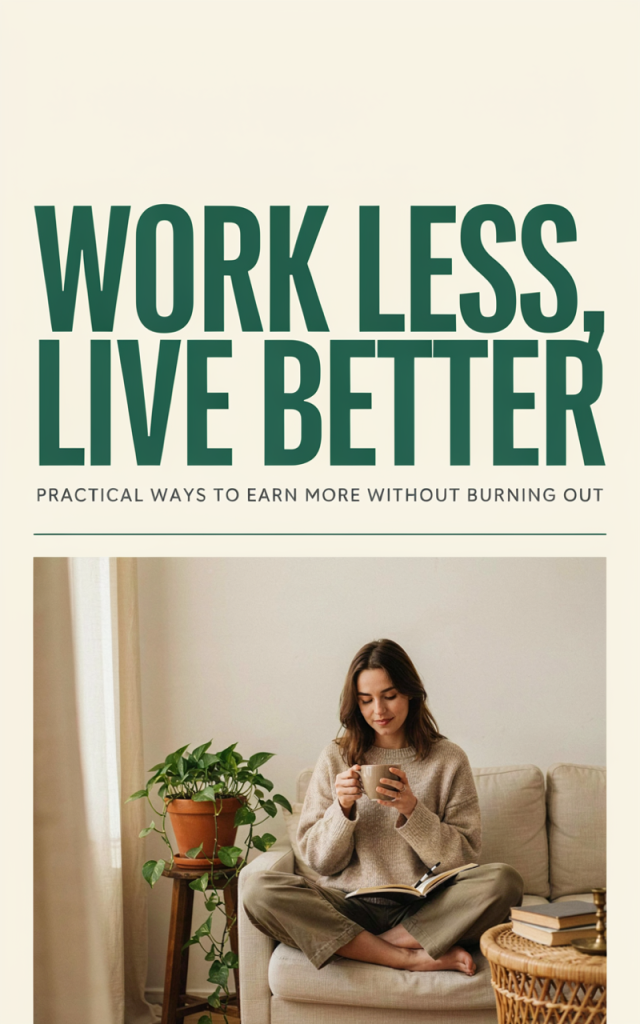
Work Less, Live Better: Practical Ways to Earn More Without Burning Out
If the idea of a job that fits your natural rhythms appeals to you, you’re not alone. Many people are trading constant busyness for smarter, simpler ways to earn a living. Below you’ll find a fresh take on why a lower-effort approach can be productive and five practical pathways to make it real—whether you pick a laid-back gig, build passive income, or redesign your life to require less running around.
1. Why ‘Lazy’ Might Actually Mean Strategic: A New Perspective on Work
What gets labeled lazy often hides a preference for efficiency, rhythm, and fewer unnecessary tasks. Reframing tiredness and a desire for fewer hours as signals to streamline work lets you create systems that deliver results with less effort. Practical moves include batching similar tasks into focused blocks, using simple checklists to reduce decision fatigue, and automating routine steps with apps or templates. For instance, set aside two weekly blocks for creative work and use email filters to auto-sort incoming requests. This mindset helps you prioritize high-impact actions, cut busywork, and protect downtime—so you get better outcomes with less daily grind.
2. Low‑stress Jobs That Reward a Laid‑Back Approach
There are plenty of roles that favor patience, attention to detail, or simply the ability to be present without constant hustle. Examples include quality‑assurance roles where you test games or apps, background acting for film shoots, pet care services, and short‑term hospitality roles like guest experience testing. To pursue these, build a simple portfolio (screen captures, client references, or a list of completed gigs), join specialized platforms or local casting and pet‑care groups, and offer a clear, limited services menu so clients know what to expect. Always vet opportunities carefully to avoid scams and set boundaries—shift work into predictable blocks so you can enjoy long stretches of downtime between assignments.
3. Set It Up Once: Passive Income Options That Scale With Little Ongoing Effort
Passive income is about front‑loading work so revenue keeps coming with minimal maintenance. Practical examples: buy a rental and hire a property manager to handle tenants; invest in dividend funds or broad ETFs and enable automatic reinvestment; create a short digital product—like a how‑to guide or printable—and automate sales through a simple online shop; or use affiliate links in a focused blog or social profile and promote only products you genuinely use. Start small: publish one e‑book, list one rental, or open one investment account, then automate record keeping and review performance monthly rather than daily.
4. Designing a Simpler Life So You Can Work Less and Enjoy More
Reducing material and time overhead makes lower‑effort work far more sustainable. Adopt a few practical habits: pare down belongings to essentials and sell or donate extras, simplify meals with weekly batch cooking, and create a capsule wardrobe so outfits are easy choices. Use subscription management tools to cut recurring costs and set calendar blocks for regular chores so they don’t expand into days. For example, set a single weekend session every month to tidy common areas and handle paperwork, freeing weekday hours for income activities or rest. The goal is to lower your baseline needs so you can meet them with fewer hours of paid work.
5. A Gentle Roadmap to Get Started Without Upending Your Life
Begin with one small experiment that matches your energy and schedule. Pick a single idea—test work as a pet sitter, launch a short guide for sale, or join a testing pool for apps—and commit a modest, consistent time block (for example, 3–5 hours a week). Automate where possible: use templates, scheduling tools, and hire small tasks out via micro‑outsourcing sites. Track earnings and hours for two months to see what’s worth scaling. Reinvest a portion of early proceeds to reduce future effort (ad buys for a course, a property manager for rentals). Keep a safety net so you don’t need to quit steady income until passive streams reliably contribute.
A calmer approach to work isn’t about shirking responsibility; it’s about designing life so your time buys meaning, not stress. Start small, automate what you can, and focus on a few high‑return choices that let you enjoy more rest with confidence.