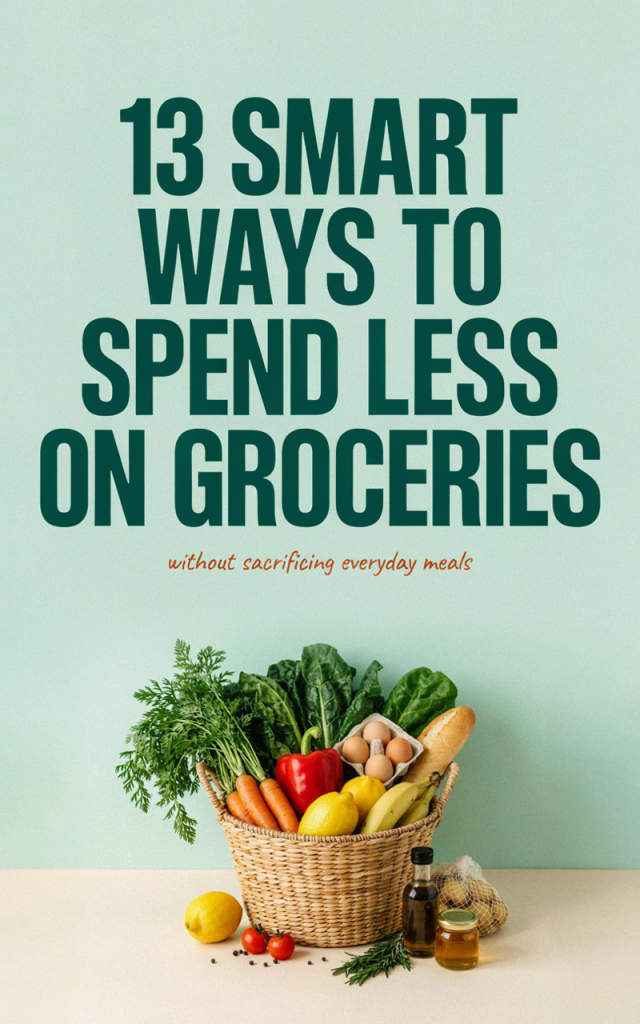
13 Smart Ways to Spend Less on Groceries Without Sacrificing Everyday Meals
A lower grocery bill usually comes from a series of small decisions made before, during, and after the shopping trip. By comparing real prices, planning around worthwhile deals, choosing less-processed options, and controlling what enters your cart, you can make a practical food budget stretch further without turning every meal into a compromise.
1. Compare Unit Prices Before Choosing a Package
The shelf price alone does not tell you which option costs less. Check the unit-price line on the tag and compare different brands, package sizes, and forms of the same food. A larger container is not automatically the bargain, so use the per-ounce, per-pound, or per-count figure to make a fair comparison.
Explore this resource
2. Keep a Personal Price Record
Track the usual prices of the staples you buy most often, such as oats, pasta, milk, frozen vegetables, and meat. A simple note on your phone can replace a paper notebook. Over time, this record helps you recognize a genuine discount and avoid assuming that a bright sale sign represents the lowest available price.
3. Review Weekly Promotions Before Shopping
Look over each store’s current advertisements or digital circular before building your list. Mark the discounts that fit meals you already expect to cook, then compare them with your normal prices. This approach gives your trip a plan while keeping a sale from dictating an unnecessary purchase.
4. Use Loyalty Programs Deliberately
A store loyalty account may provide more than the advertised shelf price. Check whether it offers digital coupons, points, fuel savings, or personalized rewards, and activate useful offers before checkout. The savings are most valuable when they apply to items you would have purchased anyway.
5. Turn the Best Sales into a Meal Plan
Let worthwhile discounts shape several meals instead of shopping for a fixed menu no matter what costs the most. Ground meat can become tacos, soup, or a skillet dinner, while an inexpensive vegetable can appear in more than one side dish. Planning this way reduces substitutions at full price and makes the week’s ingredients work harder.
6. Ask for a Rain Check When a Sale Item Is Gone
If an advertised item is out of stock, ask customer service whether the store issues rain checks. A rain check may allow you to buy the product later at the promotional price, so the trip is not wasted. Confirm the store’s rules, expiration period, and any quantity limits before relying on the offer.
7. Learn When Different Foods Usually Go on Sale
Many grocery promotions repeat on a rough cycle, and seasonal buying patterns can create especially good opportunities. Keep notes on when your commonly used foods are discounted, then purchase a reasonable reserve when the price is truly low. Stock up only on items your household will use before quality declines and only when your storage space and budget allow it.
8. Choose Frozen Produce When It Makes Financial Sense
Frozen fruits and vegetables can be economical because they last longer and reduce the risk of throwing away spoiled produce. They are particularly useful for smoothies, soups, stir-fries, and side dishes. Compare the unit price with fresh and canned alternatives, and choose the format that fits both your recipes and your schedule.
9. Do More of the Preparation Yourself
Pre-cut, pre-washed, sliced, and individually portioned foods often carry a convenience premium. When time permits, buy whole vegetables, blocks of cheese, or larger ingredients and prepare them at home. Wash, chop, grate, or portion only what you can use safely, because the cheapest option is not a savings if it ends up unused.
10. Give Store Brands a Fair Trial
Test the store-brand version of familiar staples one product at a time. For many basics, the lower-priced option may work just as well in breakfast foods, baking, sauces, and everyday cooking. Keep the name-brand items whose taste or performance matters to your household, but do not pay extra automatically when a comparable alternative is available.
11. Look for Markdowns and Use Them Promptly
Reduced-price sections can offer meaningful savings on foods approaching their sell-by date or products a store is discontinuing. Check the package carefully, buy only a quantity you can use, and freeze suitable items promptly when you get home. Build the discounted food into a near-term meal rather than treating it as an indefinite pantry reserve.
12. Try Pickup to Control the Cart Total
Online grocery pickup can make spending easier to monitor because the running total is visible while you shop. It also removes many aisle-level temptations and gives you time to compare sizes or remove an item before placing the order. Review substitutions, service charges, and minimum-order policies so the convenience does not erase the intended savings.
13. Use Cash-Back Tools Only for Planned Purchases
Receipt-scanning and grocery cash-back services can provide a small extra return when their offers match items already on your list. Check the requirements before buying, save the receipt when necessary, and avoid adding a product merely to earn a reward. Treat these tools as a bonus layered onto a good price, not as a reason to spend more.
Frugal grocery shopping is less about chasing every promotion and more about making informed choices consistently. Keep a realistic price reference, plan around genuine bargains, compare unit costs, limit convenience premiums, and use store benefits without allowing them to expand the cart. A few habits practiced together can lower waste and make a fixed food budget feel considerably more flexible.