14 Practical Ways to Turn Your Cooking Into Paid Work — From Home to Small Businesses
If you enjoy experimenting in the kitchen, there are many realistic ways to earn money from those skills. Opportunities range from selling a few dishes within your neighborhood to creating digital products or video content that finds an audience online. You don’t need a culinary degree—consistency, clarity, and good communication often matter more than perfection.
Before you pick a route, consider what you like most about cooking: teaching, feeding a crowd, creating recipes, or making short polished videos. Each path has different time demands, startup costs, and legal considerations, so choose one that fits your schedule and comfort level. Start small, learn as you go, and build systems that let you repeat what works.
1. Build a Food Blog That Attracts Real Readers
A food blog lets you document what you cook, test, and improve while creating an asset you own. Begin with a focused theme—quick weeknight dinners, vegetarian comfort food, or budget-friendly baking. That narrow focus makes it easier to create consistent content and to be found by readers who want exactly what you offer.
Practical first steps: pick an easy-to-navigate site platform, write clear ingredient lists and step-by-step instructions, and include at least one good photo per recipe. Promote individual posts on visual platforms like Pinterest, and consider repurposing blog recipes into short videos for social channels to drive traffic back to your site. Over time you can monetize with ads, sponsored posts, affiliate links, or your own digital products, but in the early months focus on quality and consistency.
Ready to Build a Flexible Income Stream?
2. Share Recipes on Video — Start a Cooking Channel
Cooking videos perform well because viewers want to see technique and timing, not just a finished dish. You don’t need a studio setup to begin; a smartphone, decent natural light, and clear audio are enough. Start with short, focused videos that solve a single problem—how to sear a steak, one-pan weeknight meals, or three ways to use a leftover ingredient.
Succeed by being consistent and authentic. Show small mistakes so viewers trust you, and include clear on-screen instructions or captions. Monetization can come later from platform ads, sponsorships, and affiliate partnerships. Track which videos get the most engagement and make similar content to grow your audience.
3. Sell Home-Cooked Meals Locally
Selling meals from home can be a quick way to start earning, especially if you focus on a small menu of dishes you execute well. Examples include weekly family-style dinners, boxed lunches for nearby offices, or a rotating comfort-food special. Use simple, branded packaging and clear reheating instructions to improve repeat orders.
Before you begin, check local regulations about selling food prepared in a home kitchen—requirements vary widely. Start by offering samples to neighbors and friends, collect feedback, and set fair price points that cover ingredients, packaging, and your time. Keep menus limited to enable consistent quality and predictable shopping lists.
4. Sell a Signature Dish at Markets and Pop-Ups
Farmers markets and pop-up events are great places to test a single standout product—an exceptional pastry, a unique sauce, or a craveable street food item. Choose one offering that you can produce consistently and that travels well. Simplicity helps customers remember you and return for seconds.
Plan for volume, permit requirements, and safe food handling. Bring clear signage, samples if allowed, and a reliable method for accepting payments. Pop-ups are also useful for collecting customer contact details so you can announce future appearances or pre-order opportunities.
5. Develop New Recipes for Restaurants and Cafes
Small restaurants and cafes often need fresh menu ideas but lack time to experiment. As a recipe developer, you can offer testing, tweaking, and documentation services. Present a simple portfolio of dishes you’ve created or improved, with notes about cost, portion size, and prep time to show your practical thinking.
Approach local owners with samples and a concise offer: one or two trial dishes and a clear revision process. Be prepared to sign simple agreements about ownership or licensing—clarify whether the restaurant gets exclusive use or a one-time fee for the recipe. Networking and persistence are key when entering this B2B space.
6. Work as a Personal Chef for Regular Clients
Personal chefs prepare meals tailored to a client’s tastes and schedule—weekly batch cooking, daily family dinners, or meals for people with specific dietary needs. To succeed, build trust with clear communication about menu planning, ingredient sourcing, and food safety. Ask clients about allergies, portion sizes, and how they prefer meals stored and reheated.
Decide whether you’ll prepare food in your kitchen for delivery or cook on-site. Create simple contracts covering responsibilities, cancellations, and payment terms. References and a small tasting session often help win a first client.
7. Create Short Branded Cooking Videos (User-Generated Content)
Brands often commission everyday cooks to make short, product-focused videos—blending a branded item into a simple recipe. These projects don’t require a large following; clarity and authenticity are most important. Keep clips short, show the product in use, and provide honest commentary about the experience.
To find opportunities, follow appliance and ingredient brands on social platforms and check freelance marketplaces for UGC gigs. Negotiate usage rights (how the brand can use your footage) and be clear about payment and delivery timelines before you record.
8. Become a Recipe Tester for Food Companies
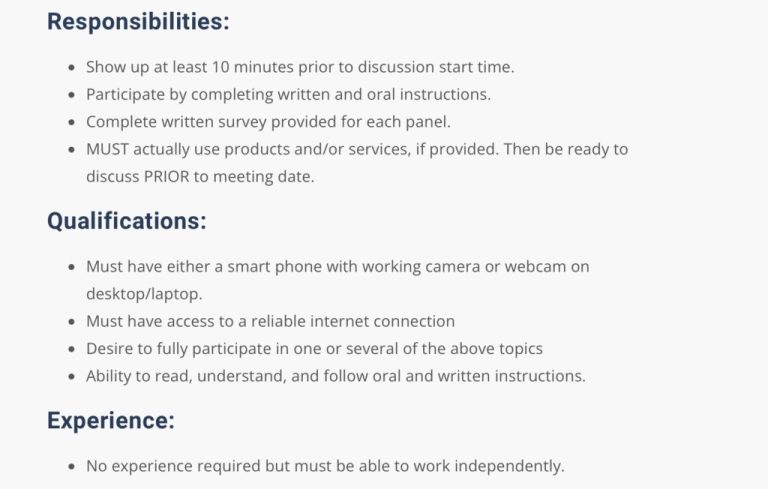
Food manufacturers and publishers hire testers to cook recipes exactly as written and provide feedback on clarity, timing, and ingredient availability. This role suits cooks who can follow instructions carefully and describe discrepancies or confusing steps. Expect to submit written notes, photos, and sometimes short videos.
Opportunities may arise through recipe sites, culinary job boards, or freelance platforms. Testing pays modestly in many cases, but it’s a good fit if you enjoy troubleshooting and influencing how a recipe reads to home cooks.
9. Teach Cooking Lessons Online
Online cooking classes allow you to teach technique, a specialty dish, or foundational skills to groups or individuals. Start by offering a short paid workshop—60 to 90 minutes—covering a clear outcome, such as “how to roast vegetables perfectly” or “one-pan dinners for beginners.” Use platforms like Zoom for live sessions or record classes and sell access on course platforms.
Structure lessons with prep lists, timing cues, and troubleshooting tips. Encourage interaction through Q&A and provide a printable recipe and shopping list. Gather testimonials from early students to improve and promote future classes.
10. Offer Private Meal-Prep Services
Meal-prep clients want consistent, portioned food that fits their schedule and goals. Your role includes planning menus, cooking, portioning, and delivering meals for a week or more. Start with a few clients so you can refine menus and portion sizes that meet expectations.
Basic nutrition knowledge helps—clients often ask about protein, carbs, and calorie balance—so be prepared to discuss macronutrients or collaborate with a nutritionist for specialized plans. Invest in sturdy, labeled containers and communicate reheating/storage instructions clearly.
11. Compile and Sell Recipe eBooks or Guides
If you consistently create winning dishes, package them into a focused eBook—ten weeknight favorites, seasonal desserts, or sauces and spice mixes. A clear, attractive layout with step-by-step instructions and practical tips makes a small eBook feel valuable. Include serving suggestions and troubleshooting notes so buyers feel confident using the recipes.
Sell through platforms like Etsy or a personal website, and promote the book on social channels and in any email list you have. Small, well-priced digital products can sell steadily when paired with strong visuals and honest reviews from early readers.
12. License Your Tested Recipes to Brands
If your recipes gain visibility—via a blog, social media, or a published book—brands may ask to license them for packaging, promotions, or product launches. Licensing means the brand pays for the right to use your recipe in a specified way. Keep clear records of your recipe testing and documentation to show professional standards.
When negotiating, clarify territory, duration, and compensation—whether a one-time fee or royalties. If you’re unfamiliar with contracts, consult a legal professional or use a reputable template to avoid surprises. Building an online presence increases the chance that brands will notice and reach out.
13. Publish a Cooking Newsletter Subscribers Love
A newsletter is a direct line to people who appreciate your taste and perspective. Send a regular digest that includes a tested recipe, a pantry tip, and one behind-the-scenes note—this mix keeps readers engaged. Use simple platforms that make sign-ups and monetization straightforward.
Grow your list by offering a free recipe download or a short mini-guide as an incentive. Over time you can monetize via sponsorships, paid premium issues, or exclusive recipes for paid subscribers. Focus on consistency and value so subscribers stick around.
14. Cater Small Events and Gatherings
Catering for intimate events—birthday parties, community gatherings, or small corporate lunches—can provide higher per-event pay than individual meal sales. Start by offering a limited, well-priced menu that scales to common guest counts and includes clear service options: drop-off, buffet setup, or full-service.
Plan for quantities, transport packaging, and on-site setup. Confirm dietary restrictions in advance and require a deposit to lock bookings. Early gigs build testimonials and word-of-mouth referrals that help you grow into larger or more frequent events.
Turning culinary skills into income is a practical process of choosing a clear path, testing it on a small scale, and refining systems until they repeat reliably. Start with one or two approaches that match your time, comfort with public exposure, and local regulations.
Whatever route you choose, document what works, collect feedback, and reinvest small gains into improving equipment, packaging, or marketing. Over time those steady improvements compound into a sustainable way to get paid to cook.