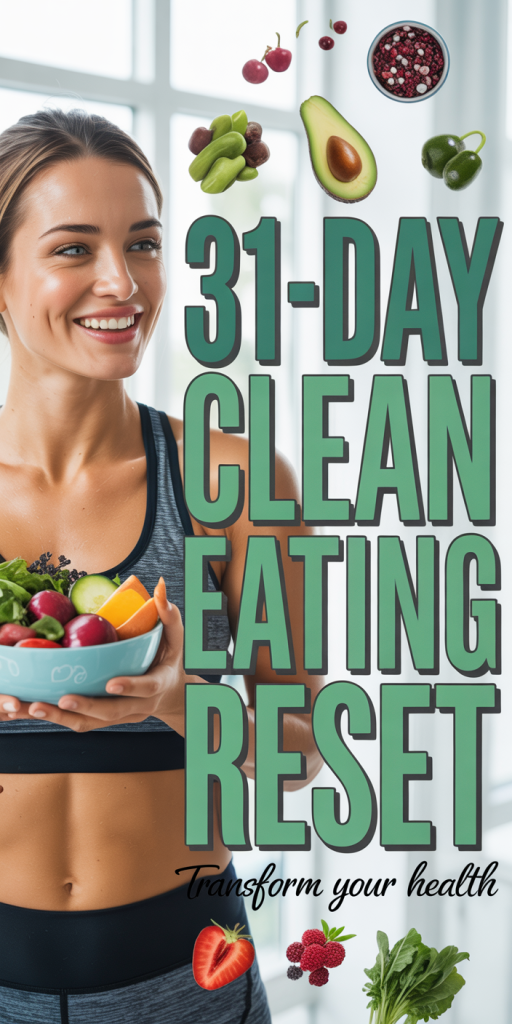
Embarking on a 31-day clean eating reset can be a transformative journey for our minds and bodies. Clean eating focuses on choosing whole, unprocessed foods that nourish us. In this guide, we will explore the fundamentals of clean eating, its benefits, and a comprehensive meal plan to help us reset our eating habits. Whether we’re looking for better health, more energy, or weight loss, this reset is designed to align our eating choices with our wellness goals.
What Is Clean Eating?
Clean eating entails prioritizing whole, minimally processed foods while avoiding added sugars, unhealthy fats, and artificial ingredients. The core principle revolves around eating foods in their most natural state. This means incorporating:
- Fruits and vegetables
- Whole grains like quinoa, brown rice, and oats
- Lean proteins such as chicken, fish, legumes, and tofu
- Healthy fats from sources like avocados, nuts, and olive oil
In essence, clean eating encourages us to be mindful of our food choices and understand their origins, promoting a lifestyle that supports our long-term health.
Benefits of Clean Eating
The transition to clean eating offers numerous benefits that positively impact our overall well-being. Some key advantages include:
- Improved Physical Health: Clean eating can contribute to lower cholesterol levels, reduced risk of chronic diseases, and better weight management. By fueling our bodies with proper nutrients, we enhance our immune function.
- Increased Energy Levels: Nutrient-dense foods provide us with sustained energy throughout the day. After a few weeks of shifting our diets, we often notice a boost in our vitality and reduced fatigue.
- Enhanced Mental Clarity: A balanced diet rich in whole foods can improve cognitive function, leading to better focus, memory, and mood stability.
- Weight Management: As we reduce processed food intake, we often find that we naturally consume fewer calories while feeling fuller, making it easier to reach our weight goals.
- Improved Digestion: High-fiber foods promote healthy digestion and regularity, contributing to a healthier gut microbiome.
How to Prepare for Your 31-Day Reset
Preparation is crucial for any successful reset. Here’s how we can get ready for our clean eating journey:
- Set Clear Goals: Identify our reasons for pursuing this reset. Whether it’s weight loss, improved health, or just a fresh start, having specific goals will guide our choices.
- Clear Out the Pantry: Evaluate our current food supply and remove processed snacks, junk food, and sugary items. Restocking with clean alternatives will set the stage for success.
- Create a Shopping List: Plan our meals by making a detailed grocery list focusing on whole foods. This will help us avoid impulse purchases in the store.
- Meal Prep: Dedicate time each week to prepare meals and snacks. Cooking in bulk can save time and ensure we have healthy options readily available.
- Educate Ourselves: Taking the time to read about clean eating and understanding labels can steer us away from hidden additives and sugars in products.
The 31-Day Clean Eating Meal Plan
For our month-long clean eating reset, here’s a sample meal plan designed to keep our meals varied and delicious:
Week 1
- Breakfast: Oatmeal with fresh berries and a sprinkle of chia seeds
- Lunch: Quinoa salad with mixed greens, cherry tomatoes, and grilled chicken
- Dinner: Baked salmon with steamed broccoli and sweet potatoes
- Snacks: Carrot sticks with hummus, Greek yogurt
Week 2
- Breakfast: Smoothie with spinach, banana, and almond milk
- Lunch: Lentil soup with whole-grain bread
- Dinner: Stir-fried tofu with mixed vegetables, served with brown rice
- Snacks: Apple slices with almond butter, nuts
Week 3
- Breakfast: Scrambled eggs with spinach and tomatoes
- Lunch: Chickpea salad with feta cheese and a drizzle of olive oil
- Dinner: Grilled shrimp tacos with cabbage slaw wrapped in whole grain tortillas
- Snacks: Air-popped popcorn, cucumber slices with guacamole
Week 4
- Breakfast: Overnight oats with sliced banana and flaxseeds
- Lunch: Brown rice bowl with black beans, avocado, and salsa
- Dinner: Baked chicken breast with asparagus and quinoa
- Snacks: Mixed berries, dark chocolate (70% cocoa or higher)
This meal plan emphasizes variety and balance, ensuring we enjoy our meals while sticking to clean eating guidelines.
Tips for Success During the Reset
To navigate our clean eating reset successfully, remember these tips:
- Stay Hydrated: Water is essential. Aim for at least 8 glasses daily to keep our body functioning optimally.
- Listen to Our Bodies: Pay attention to hunger cues. Eat when we’re hungry and stop when we’re satisfied, instead of strictly adhering to meal times.
- Involve Others: If possible, embark on this journey with friends or family. Support and accountability can be valuable assets during our reset.
- Indulge Wisely: It’s okay to enjoy a treat now and then. The key is moderation: allowing ourselves an occasional indulgence can keep us motivated.
- Practice Mindful Eating: Focusing on the meal at hand, enjoying flavors and textures, can enhance our eating experience and understanding of our hunger.
Challenges You May Encounter
Every journey comes with its hurdles. Here are some common challenges we might face during our clean eating reset:
- Cravings: We may experience strong cravings for processed foods. Finding healthier alternatives or distracting ourselves can help manage these urges.
- Social Situations: Eating out or attending events can tempt us with less healthy options. Planning ahead and reviewing menus can aid in making better choices.
- Time Constraints: Our busy lifestyles can make meal prep seem daunting. Setting aside a few dedicated hours on the weekend can ease weekday time pressures.
- Plateaus: At times, we may not see immediate results. It’s essential to remember that consistency is key, and body changes take time.
Maintaining Your Results After the Reset
Completing the 31-day reset doesn’t mean we should revert to old habits. Here’s how we can maintain our results:
- Continue Meal Prepping: Keep the habit of preparing meals ahead of time to prevent falling back into convenient but unhealthy choices.
- Gradual Reintroduction: Approach reintroducing certain foods mindfully. Assess how our bodies react to various items to maintain balance.
- Stay Active: Regular physical activity complements clean eating. Aim for at least 150 minutes of moderate exercise weekly.
- Check-In With Ourselves: Periodically reassess our eating habits and adjust them as necessary.
- Stay Informed: Keep learning about nutrition and healthy eating practices to stay inspired and motivated.
Conclusion
Our 31-day clean eating reset is a stepping stone to a healthier lifestyle. By focusing on whole foods, we can improve our physical and mental well-being. The journey might present obstacles, but with preparation, support, and commitment, we can succeed. As we move forward, let’s remember that our choices shape our health, let’s make them count.