High blood pressure, or hypertension, is a common issue that affects millions of people around the world. It often goes unnoticed, silently wreaking havoc on our bodies and increasing the risk of serious conditions like heart disease and stroke. In this guide, we’re excited to explore effective, natural strategies we can carry out in just 31 days to lower blood pressure and improve our overall health. Let’s embark on this journey together, focusing on actionable steps that make a real difference in our lives.
Understanding High Blood Pressure
High blood pressure, also known as hypertension, is defined as a persistent elevation in blood pressure levels in the arteries. This condition often develops gradually over many years and can lead to severe health complications, including heart attacks, kidney failure, and vision loss. To understand its impact, we must learn how blood pressure is measured. Blood pressure readings consist of two numbers: systolic (the top number) and diastolic (the bottom number). The American Heart Association defines normal blood pressure as anything below 120/80 mmHg. When our readings consistently exceed 130/80 mmHg, it’s classified as hypertension.
One major contributing factor to high blood pressure is the lifestyle we lead, our diet, physical activity levels, and stress management all play critical roles. While genetics can influence our blood pressure, adopting healthier habits can make a difference whether we have a family history of hypertension or not. Understanding these factors lays a crucial foundation for the journey towards lowering our blood pressure naturally.
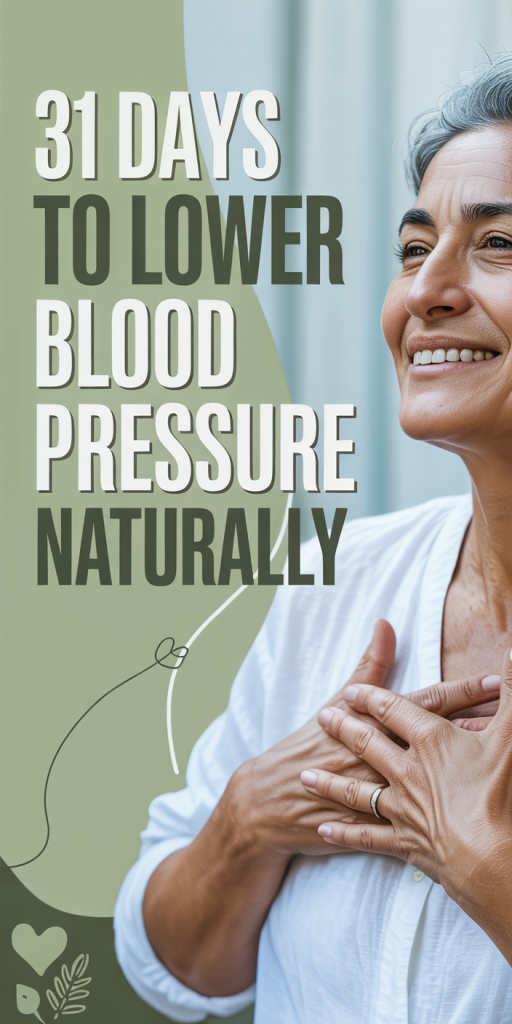
31 Days to Lower Blood Pressure Naturally
High blood pressure doesn’t show up overnight. It builds quietly, one stressed day, one salty meal, one skipped walk at a time. The good news is it works the same way in reverse. Small, boring-looking habits done consistently will lower your numbers faster than most people think.
This 31-day reset isn’t about extreme diets or punishing workouts. It’s about calming your nervous system, fixing blood sugar swings, improving circulation, and getting your kidneys and blood vessels working for you again.
If you follow even half of this, most people see meaningful drops in systolic and diastolic pressure within a few weeks.
Week 1 — Calm the Pressure From the Inside
The fastest way to lower blood pressure is not food. It’s stress chemistry.
When cortisol and adrenaline stay high, your arteries tighten. Your heart works harder. Your kidneys hold onto sodium. Everything goes in the wrong direction.
So week one is about shutting down that internal pressure.
Day 1 – Start with breathing
Do 5 minutes of slow nasal breathing. Inhale 4 seconds, exhale 6 seconds. Longer exhales tell your nervous system you’re safe. Blood vessels relax. Pressure drops.
Day 2 – Walk after meals
A 10-minute walk after each meal can reduce blood pressure more than one long workout. It pulls glucose out of your blood and reduces insulin, which lowers fluid retention.
Day 3 – Hydrate properly
Drink water until your urine is pale yellow. Dehydration thickens blood and raises pressure.
Day 4 – Cut liquid sugar
Soda, juice, sweet tea, and even smoothies spike glucose and insulin. Insulin tells the kidneys to hold sodium. That pushes blood pressure up.
Day 5 – Sleep matters
Seven hours is not optional. Short sleep raises cortisol, which tightens blood vessels.
Day 6 – Light morning sun
10 minutes of sunlight in the eyes (not staring at the sun) improves circadian rhythm, lowers stress hormones, and improves blood pressure regulation.
Day 7 – Magnesium
Magnesium relaxes blood vessels. Foods like pumpkin seeds, spinach, almonds, or a 200–400 mg supplement at night helps most people.
Week 2 — Fix Blood Sugar and Insulin
High blood pressure and high insulin almost always travel together.
Lower insulin = less fluid retention, less artery stiffness, better kidney function.
Day 8 – Eat protein first
Start every meal with protein. Eggs, fish, chicken, Greek yogurt, or beef. It slows glucose spikes.
Day 9 – Cut refined carbs
Bread, pasta, crackers, and pastries raise blood pressure by raising insulin and inflammation.
Day 10 – Add potassium
Avocados, beans, salmon, and leafy greens help your kidneys flush excess sodium.
Day 11 – Add fiber
Berries, beans, chia, flax, and vegetables improve gut bacteria, which directly impacts blood pressure.
Day 12 – No late-night eating
Eating late keeps insulin high while you sleep, increasing morning blood pressure.
Day 13 – Vinegar before meals
One tablespoon of apple cider vinegar in water before meals improves insulin sensitivity.
Day 14 – One day of lower carbs
Try one day of lower-carb eating. Most people see their blood pressure drop the next morning.
Week 3 — Clean the Arteries
Blood pressure is not just about sodium. It’s about how flexible your arteries are.
Stiff, inflamed arteries force your heart to pump harder.
Day 15 – Omega-3 fats
Fatty fish, sardines, or fish oil reduce arterial inflammation.
Day 16 – Garlic
Garlic improves nitric oxide, which widens blood vessels. Raw or cooked both work.
Day 17 – Dark chocolate
A small piece of 70–85% cocoa improves blood vessel function.
Day 18 – Beets or arugula
They raise nitric oxide and improve blood flow.
Day 19 – Sweat
Saunas or brisk walks lower blood pressure by improving circulation.
Day 20 – Reduce seed oils
Vegetable oils increase inflammation. Use olive oil or butter instead.
Day 21 – Add berries
They protect the lining of your arteries.
Week 4 — Reduce Salt Sensitivity
Most people don’t have a salt problem. They have a potassium and insulin problem.
But now that insulin is improving, sodium will behave better.
Day 22 – Stop processed foods
That’s where 80% of sodium hides.
Day 23 – Eat whole foods
Meat, vegetables, fruit, eggs, and fish naturally balance minerals.
Day 24 – Coconut water or broth
They help restore electrolyte balance.
Day 25 – Move more
Even light movement lowers sodium retention.
Day 26 – Lose 1–2 pounds
Even tiny fat loss reduces blood pressure.
Day 27 – Laugh
Laughter drops stress hormones. It’s not fluff. It’s biology.
Day 28 – No caffeine after noon
Caffeine raises pressure for hours in sensitive people.
Final Days — Lock It In
Day 29 – Recheck your numbers
Most people see lower systolic, lower diastolic, or both.
Day 30 – Identify your biggest trigger
For most people it’s sugar, stress, or sleep.
Day 31 – Make it boring
Pick 3 habits you’ll keep. That’s how blood pressure stays down.
What Really Lowers Blood Pressure
Not extreme salt cutting.
Not more pills.
Not harder workouts.
It’s calming your nervous system.
Lowering insulin.
Improving circulation.
Letting your kidneys do their job.
Your heart is not broken. It’s just under pressure.
And pressure, when you remove what’s causing it, always comes down.